
How can you help your toddler poop more comfortably? You can help your toddler poop comfortably by making sure they eat enough fiber, drink lots of water, move their bodies, and feel safe and relaxed when it’s time to go. Sometimes, simple changes to their food or daily routine can make a big difference. It is important to be patient and gentle, especially during potty training. Poop problems are common in young children, but there are many kind ways to help them feel better and learn to go without pain or fear.
Dealing with toddler bowel movements can be tricky. Many parents face issues like toddler constipation or when a toddler won’t poop on potty. This can be worrying. It’s important to know why this happens and how to help your little one in a gentle way. We want pooping to be a comfortable, normal part of their day, not something they fear.
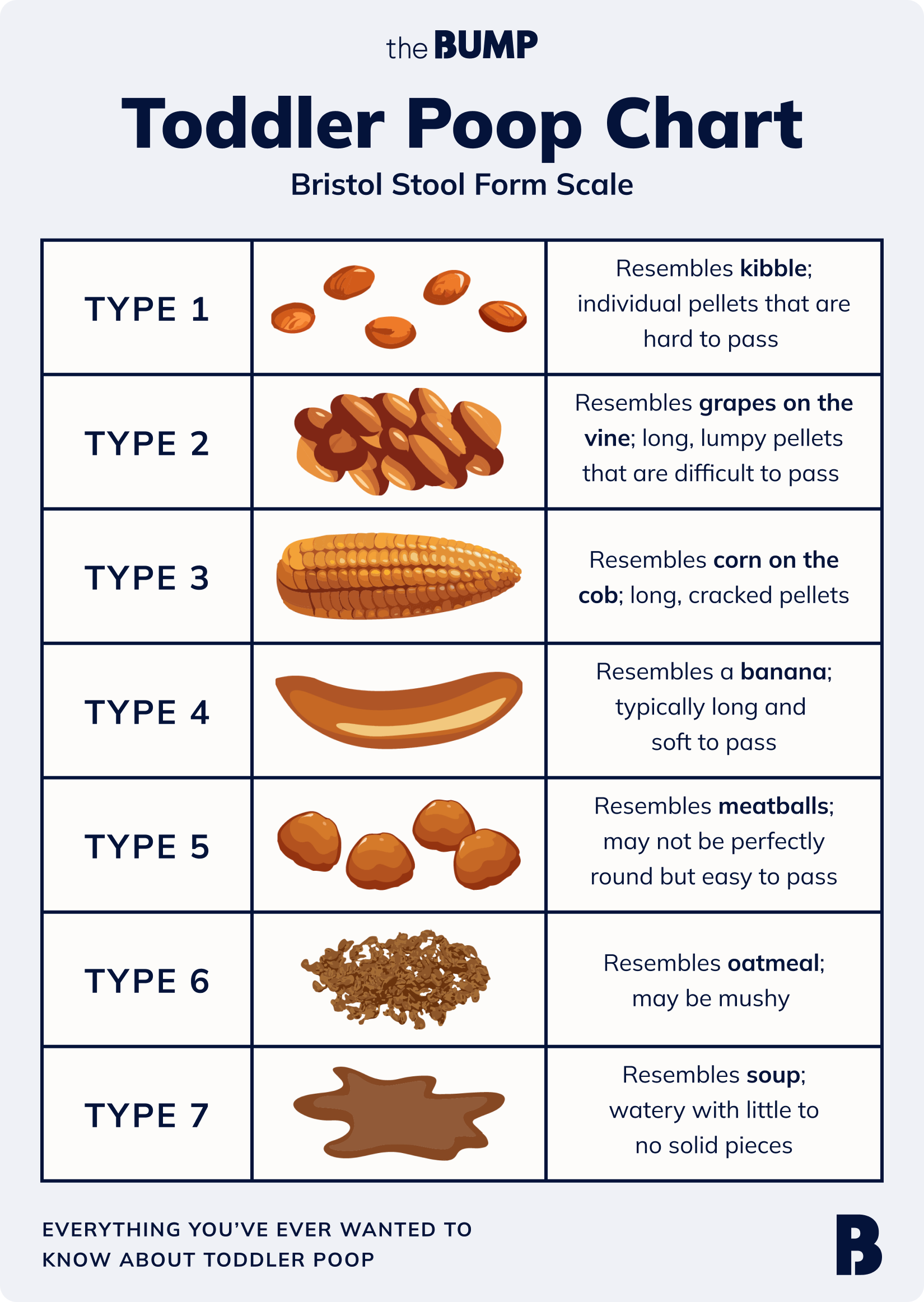
Image Source: images.ctfassets.net
Exploring Why Poop Problems Happen
Toddlers are learning so many new things. Their bodies and feelings are growing fast. This can sometimes lead to problems with pooping. Toddler constipation is a big one. This means their poop is hard and dry. It is hard to push out. Going potty then hurts. When it hurts, children might try not to go. This leads to stool withholding in toddlers. They hold the poop in. This makes the poop even harder and the problem worse.
Common Causes of Trouble
Several things can cause issues with toddler poop.
- Diet: Not eating enough fiber is a main cause. Fiber is like a sponge. It soaks up water and makes poop soft and easy to pass. Not drinking enough water also makes poop hard.
- Holding It In: Toddlers might hold poop for many reasons. Maybe they are too busy playing. Maybe they don’t want to stop what they are doing. Or maybe they had a painful poop before. This makes them scared. This fear of pooping toddler is real. They might connect pooping with pain.
- Potty Training Stress: This is a big time of change. Learning to use the potty is a new skill. Some toddlers feel pressure. They might feel they have less control. This can cause potty training poop problems. They might refuse to poop on the potty. This is also called child toilet refusal.
- Changes: New routines, travel, or even starting a new school can affect a child’s bowel habits.
- Illness: Sometimes being sick or taking certain medicines can cause temporary constipation.
Identifying Signs of Trouble
How do you know if your toddler has a problem? Look for these signs.
- Less Pooping: They poop less often than usual. Normal can be different for every child, but going many days without pooping is a sign.
- Hard Poop: Their poop looks like small, hard pebbles or big, hard logs. It is hard to push out.
- Pain or Crying: They cry, strain, or seem to be in pain when trying to poop.
- Holding Behavior: They might cross their legs, stiffen their body, hide behind furniture, or make faces when they need to go. This is a sign of stool withholding in toddlers.
- Small Smears: You might see small amounts of poop stains in their underwear. This can be soft poop leaking around a hard blockage higher up.
- Lack of Appetite or Stomach Pain: Constipation can sometimes make a child not want to eat or have a sore tummy.
If you see these signs, it’s time to take gentle steps to help your child.
Promoting Softer Stool
Making poop soft is key to comfortable pooping. Hard poop hurts. Soft poop passes easily. How to soften toddler stool often starts with what they eat and drink.
Food That Helps
Fiber is your friend. It adds bulk to poop and holds water. This makes poop softer and easier to move. Here are some high fiber foods for toddlers:
- Fruits: Pears, apples (with skin), berries (raspberries, blueberries), prunes, apricots, peaches, plums. Prune juice is well-known for helping.
- Vegetables: Broccoli, peas, beans (like lentils and black beans), spinach, sweet potatoes. Offer cooked or soft raw veggies.
- Grains: Whole-wheat bread, oatmeal, brown rice, whole-grain pasta, high-fiber cereals. Look for “whole grain” as the first ingredient.
- Legumes: Beans and lentils can be added to soups, stews, or served as a side.
- Seeds: Chia seeds or flaxseeds can be added to yogurt, oatmeal, or smoothies. Start with a tiny bit.
Here is a simple table of high-fiber food ideas:
| Food Type | Examples for Toddlers | How to Serve Simply |
|---|---|---|
| Fruits | Pears, Prunes, Berries, Apples (skin) | Sliced, mashed, in smoothies, juice |
| Vegetables | Broccoli, Peas, Lentils, Sweet Potato | Steamed, roasted, in soups |
| Grains | Oatmeal, Whole Wheat Bread, Brown Rice | Breakfast cereal, toast, side dish |
| Legumes | Beans, Lentils | Added to meals, bean dip (hummus) |
| Seeds | Chia Seeds, Flaxseeds | Sprinkled on yogurt or cereal |
Offer these foods often. Make them part of everyday meals and snacks.
Drinks That Help
Water is just as important as fiber. Fiber needs water to work. If a child eats lots of fiber but doesn’t drink enough, the fiber can actually make things worse.
- Water: Offer water throughout the day. Keep a cup where they can reach it.
- Juice: Small amounts of prune, pear, or apple juice can help some children. Juice has sugar, so don’t give too much. Water is the best drink.
- Limit Milk: Too much milk can sometimes be constipating for some children. It’s an important part of their diet, but balance it with water and other foods.
Aim for your toddler to drink several cups of water each day. More if it’s hot or they are very active.
Promoting Movement
Moving the body helps move the bowels. Physical activity can help stimulate toddler bowel movements.
- Play Time: Encourage active play every day. Running, jumping, climbing – all this helps get things moving inside.
- Walks: Go for walks outside.
- Dancing: Put on some music and dance together.
Even 15-30 minutes of active play a day can help digestion work better.
Handling Potty Training Poop Issues
This is a common challenge. A toddler won’t poop on potty. Or they hold it in during potty training. This can be frustrating for everyone.
Why They Might Refuse
- Fear: As mentioned, a painful poop makes them scared of it happening again. They might link the potty with this pain.
- Control: Pooping is one of the few things a toddler can fully control. Saying “no” to pooping on the potty is a way they can show they are in charge. This is part of child toilet refusal.
- Dislike of Change: They might be used to pooping in a diaper. The feeling of pooping into a potty or toilet might feel strange or scary. They might worry about falling in or about the flush sound.
- Too Busy: They might just not want to stop playing to go to the bathroom.
Gentle Steps for Potty Poop
Be patient and kind. Pressure makes it worse.
- Remove Pressure: Stop forcing them to sit or go. Let them know it’s okay.
- Keep Diapers if Needed: If they will only poop in a diaper, let them. The goal is for them to poop without pain. You can slowly work towards the potty later. Let them poop in a diaper, maybe while standing near the potty, then sitting on it, then finally in the potty. Go slowly.
- Offer Potty Time: Have them sit on the potty for short times (3-5 minutes) after meals. This is when the body naturally wants to go. Make it a relaxed time. Read a book, sing a song. Don’t force it.
- Use a Footrest: Make sure their feet can rest on the floor or a stool when sitting on the potty or toilet. This helps them push. Their knees should be a little higher than their hips.
- Praise Effort, Not Just Success: Praise them for trying, for sitting, for telling you they need to go (even if they want a diaper). Avoid showing disappointment if they don’t go.
- Talk About It Simply: Use simple words about poop leaving the body and going to its “home” in the potty. Normalizing it helps take away some fear. Books about pooping on the potty can help.
Dealing with potty training poop problems requires time, patience, and a lot of positive support. Punishing or shaming a child for accidents or refusal will only make the problem worse and increase their fear of pooping toddler.
Addressing Stool Withholding
When a toddler actively tries to hold poop in, it’s usually because they fear it will hurt. Stool withholding in toddlers is a strong sign that a past poop was painful or scary.
Helping Them Let Go
- Soften the Stool: This is the most important step. Make sure their poop is very soft using diet, fluids, and maybe gentle natural remedies for toddler constipation if a doctor suggests them. If poop is soft, it won’t hurt to come out. This breaks the cycle of pain and fear.
- Reduce Fear: Never, ever force a child to sit on the potty or push. This will only increase their fear.
- Create a Relaxed Routine: Have them sit on the potty after meals. Make it a calm, pleasant time. No pressure to poop. Just sit.
- Positive Reinforcement: Use sticker charts or small rewards (like choosing a book) for sitting on the potty or for having a bowel movement (wherever it happens). Focus on positive steps, not just pooping in the potty.
- Listen to Their Body: Help them tune into their body’s signals. When they show signs of needing to go (the holding behaviors), gently suggest it’s time to sit on the potty for a few minutes. “Your body is telling you it needs to push the poop out. Let’s go sit on the potty for a bit.”
- Professional Help: If withholding is severe and lasts a long time, get advice from a doctor. They might suggest a stool softener or other steps to help clear the blockage and restart a healthy pattern.
Breaking the cycle of stool withholding in toddlers and fear of pooping toddler takes time. Be consistent, positive, and patient.
Exploring Natural Remedies
Beyond diet and fluids, some natural approaches can support regular, soft toddler bowel movements. Always talk to your child’s doctor before trying new remedies, especially for young children.
Gentle Helpers
- Prune Juice: As mentioned, a small amount (maybe 2-4 ounces for a toddler) can help stimulate the bowels. Warm prune juice can sometimes work better.
- Pear or Apple Juice: These can also help, but are generally less powerful than prune juice.
- Water with Lemon: Some find a little bit of lemon in water helpful.
- Magnesium: Certain foods contain magnesium, which can help relax muscles, including those in the gut. Foods include spinach, pumpkin seeds, black beans. Supplements should only be used under doctor guidance.
- Flaxseed or Chia Seeds: A tiny amount (like a teaspoon) mixed into yogurt, applesauce, or a smoothie can add fiber. Make sure the child drinks enough fluids when eating seeds.
- Probiotics: These are good bacteria that can help keep the gut healthy. They are found in yogurt with live cultures or can be given as drops or chewables. A healthy gut can lead to more regular bowel movements.
- Warm Bath: A warm bath can relax the body and might help a child who is holding poop feel relaxed enough to let go.
These natural remedies for toddler constipation are meant to support a healthy diet and fluid intake, not replace them. Consistency with food and drink is key.
When to Get Help
Most toddler constipation and potty training poop problems can be managed at home with diet and patience. However, sometimes you need a doctor’s help.
Seek medical advice if:
- Your child has not pooped in several days and seems uncomfortable or in pain.
- You see blood in their poop or on the toilet paper.
- Your child is actively withholding stool and you can’t get them to go.
- They have stomach pain that doesn’t go away.
- They are not eating well because they feel full or sick from constipation.
- Home remedies and diet changes are not helping after a week or two.
- The child toilet refusal is severe and causing stress for everyone.
A doctor can check for other causes and may recommend a gentle stool softener or laxative for a short time to help your child get past a painful episode and break the holding cycle. This is often necessary to help a child overcome fear of pooping toddler linked to pain.
Creating a Positive Pooping Environment
Helping your toddler feel comfortable pooping is about more than just soft stool. It’s about making the process feel safe and positive.
Tips for Comfort and Calm
- Routine: Try to have a predictable routine for potty time, especially after meals. This helps their body get used to the idea.
- Comfortable Spot: Make sure the potty chair or toilet seat adapter is stable and comfortable. Use a footrest so their feet are supported.
- Make it Pleasant: Keep books or quiet toys near the potty. This helps pass the time and makes it less stressful.
- Praise and Encouragement: Use lots of positive words. “You’re doing a great job sitting!” “Thank you for trying!” Celebrate any step forward, no matter how small.
- Stay Calm: Your stress can add to their stress. If you feel frustrated, take a deep breath. Step away if you need a moment.
- Listen to Cues: Watch for their body language that they need to go. Help them get to the potty calmly when you see these signs.
- Avoid Punishment: Never punish a child for accidents or for not pooping. This creates shame and fear.
- Talk About Poop Simply: Use simple, neutral words for poop. Explain that everyone poops and it’s a normal, healthy thing the body does.
Making the potty area a positive space helps reduce child toilet refusal and builds confidence.
Preventing Future Problems
Once your toddler is pooping comfortably, you want to keep it that way. Prevention is key to avoiding more toddler constipation or stool withholding in toddlers.
Building Healthy Habits
- Consistent Diet: Keep offering high fiber foods for toddlers every day. Don’t wait until they are constipated.
- Regular Water: Make sure they drink plenty of water throughout the day, every day.
- Active Play: Encourage lots of running and moving around daily.
- Regular Potty Sit Times: Even if they are not constipated, continue the routine of sitting on the potty for a few minutes after meals. This helps them practice and listen to their body’s signals.
- Listen to Their Body: Encourage them to go when they feel the urge. Don’t make them hold it for too long if they say they need to go.
- Talk Openly: Keep talking about poop and bodies in a normal way. This keeps the topic from being scary.
- Be Patient During Changes: Know that travel, stress, or changes in routine can affect their bowel habits. Be extra mindful of diet and fluids during these times.
By keeping these habits up, you help support healthy toddler bowel movements and lower the chances of problems coming back.
Summarizing Gentle Approaches
Helping a toddler poop comfortably is about supporting their body and their feelings. It’s a process that needs patience and kindness. Focus on softening their stool through diet and drinks, encouraging movement, and creating a calm, positive environment around pooping. Addressing potty training poop problems, stool withholding in toddlers, and fear of pooping toddler requires gentleness and understanding their fears. When home steps aren’t enough, asking a doctor for help is the right thing to do. With consistent effort and a loving approach, you can help your toddler overcome poop challenges and build healthy habits for life.
Frequently Asked Questions (FAQ)
Q: How much fiber does my toddler need?
A: A simple rule for fiber for children over age 2 is their age plus 5 grams. So, a 3-year-old would aim for about 8 grams of fiber per day. Offer a variety of fruits, vegetables, and whole grains throughout the day to reach this goal.
Q: Is it okay for my toddler to poop in a diaper if they won’t use the potty?
A: Yes, it is often better to let a child poop in a diaper if they are refusing the potty, especially if there is fear of pooping toddler or a history of painful stools. Forcing the potty can make the fear worse. Focus on making poop soft and letting them go without pain, then slowly work towards the potty.
Q: What if my toddler drinks lots of milk?
A: Milk is healthy, but too much can sometimes contribute to toddler constipation in some children. Make sure they are also drinking plenty of water. If they drink more than 16-24 ounces of milk a day, try offering water or diluted juice instead of milk at some times.
Q: How long does it take to fix toddler constipation?
A: It varies for each child. Diet changes might help within a few days. If the child has been withholding stool for a long time, it can take weeks or even months to help them feel comfortable and regular again. Patience and consistency are key. Sometimes, a doctor-prescribed stool softener is needed short-term to help reset the system.
Q: Can stress cause poop problems in toddlers?
A: Yes, stress and anxiety can absolutely affect toddler bowel movements. Changes in routine, family stress, or the pressure of potty training can contribute to constipation or child toilet refusal. Creating a calm, predictable environment helps.
Q: Are natural remedies like prune juice safe?
A: Small amounts of prune, pear, or apple juice are generally safe for toddlers and can help with constipation. However, they contain sugar, so use them in moderation. Always talk to your doctor before using any other natural remedies for toddler constipation or supplements to make sure they are right for your child.
Q: My toddler hides to poop. What does this mean?
A: Hiding to poop is a common sign of stool withholding in toddlers or that they feel uncomfortable or scared. They might want privacy or feel that pooping is something “bad”. Reassure them that it’s a normal body function. Focus on softening stool and reducing any fear associated with the act.
Q: Should I give my toddler a laxative?
A: You should only give a laxative or stool softener to your toddler if their doctor tells you to. There are gentle options safe for children, but the doctor will choose the right one and tell you the correct amount. Using them without medical advice is not recommended.
Q: What’s the difference between a stool softener and a laxative?
A: Generally, a stool softener like Miralax (PEG 3350) works by drawing water into the stool to make it softer and easier to pass. Stimulant laxatives make the bowel muscles contract. For toddler constipation and stool withholding in toddlers, doctors often start with a stool softener which is less likely to cause cramping or dependence. But again, always follow doctor’s orders.