
Giving medicine to a toddler can be tough. Many parents ask, “What is the best way to give medicine to a fussy toddler?” or “Can I mix amoxicillin with food for my toddler?” Yes, you can mix amoxicillin with food, but you must be careful. The best way to give medicine to a fussy toddler involves patience, clever tricks, and sometimes, a little help from taste changes. This guide will share many simple ways to help your child take their medicine easily.
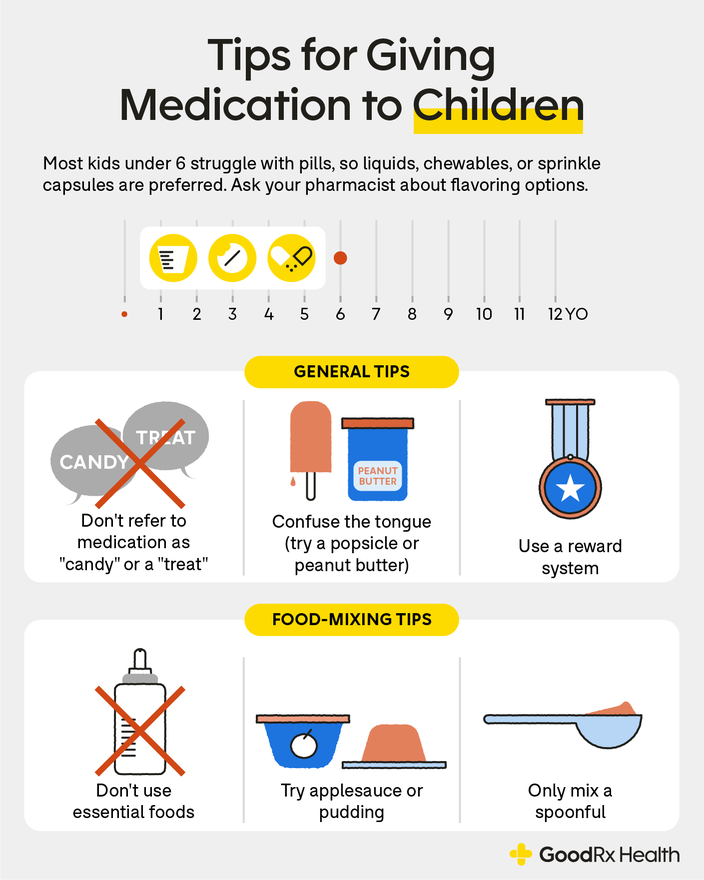
Image Source: www.grxstatic.com
Grasping the Challenge: Why Toddlers Fight Medicine
Toddlers are full of big feelings. They love to say “no.” Giving medicine can be a real fight. Why do they push back so much?
* The Taste: Liquid medicines often taste bad. Amoxicillin, even flavored, can be bitter or chalky. This is a big reason for a toddler refusing amoxicillin.
* The Fear: A spoon or syringe coming at their face can be scary. They might think it will hurt.
* Lack of Control: Toddlers want to make their own choices. Being forced to take medicine makes them feel powerless.
* Being Sick: When they feel bad, they are often cranky and less likely to cooperate.
* Bad Past Times: If they had a bad medicine time before, they might remember and fight harder this time.
Many parents face a toddler spitting out antibiotic doses. It can feel like every drop ends up on their chin or the floor. This makes it hard to be sure they got enough medicine. It also means more stress for everyone.
Getting Ready for Medicine Time
Being prepared can make a big difference. Think ahead to make things smoother.
Gather Your Tools
Have everything ready before you start. This stops you from looking for things while your child is already upset.
* The Amoxicillin: Shake it well if needed. Check the dose.
* Dosing Tool: Use the syringe or spoon given by the pharmacy. Kitchen spoons are not accurate.
* Chaser Drink: Have water, juice, or milk ready.
* Rewards: A small toy, a sticker, or screen time.
* Clean-Up: A cloth or paper towel for spills.
Pick the Right Time
Timing is key. Do not give medicine when your toddler is super tired or very hungry.
* When Calm: Choose a time when your child is happy and not too busy.
* Before Meals (Sometimes): Some medicines work best on an empty stomach. Amoxicillin can be taken with or without food. If it upsets their stomach, give it with a little food.
* After Naps: They might be more calm right after waking up.
* Stick to a Schedule: Try to give medicine at the same time each day. This builds a routine.
Strategies to Make Amoxicillin Taste Better
The taste of medicine is often the biggest hurdle. How to disguise amoxicillin taste is a common question. Making amoxicillin taste better for kids can turn a fight into a less stressful moment.
Flavor Boosters
Many pharmacies can add extra flavors to liquid medicines. Ask your pharmacist about this. They might have flavors like grape, cherry, or bubblegum. Some pharmacies use a service called FlavorX. This can greatly help with toddler refusing amoxicillin.
Simple Mix-Ins (with Caution)
Mixing amoxicillin with food toddler can be very helpful. But you must be careful.
* Small Amount: Use only a tiny amount of food or drink. Your child must eat or drink all of it to get the full dose. If they don’t, they won’t get enough medicine.
* Foods That Work Well:
* Applesauce: A small spoon of applesauce can hide the taste.
* Yogurt: A dollop of plain yogurt (if your child likes it).
* Pudding: A small serving of pudding.
* Jam or Jelly: A small spread on a cracker.
* Chocolate Syrup: A very small amount in a spoon can be surprisingly effective for older toddlers.
* Soft Serve Ice Cream: A tiny bit can work for a quick delivery.
* Drinks That Work Well:
* Juice: A small sip of strong-tasting juice like grape or apple.
* Chocolate Milk: The strong flavor can hide the medicine.
* Syrup: A little bit of maple syrup or chocolate syrup added to the dose itself can help.
Important Warning:
* Do NOT mix with the entire bottle of milk or juice. If your child does not finish it, they will not get their full dose.
* Avoid certain foods: Some medicines react with certain foods. Ask your pharmacist if amoxicillin can be mixed with specific foods or drinks. For amoxicillin, dairy (milk, yogurt) is generally fine in small amounts, but check with your doctor or pharmacist.
* Never mix with formula: Babies might not drink all their formula. This makes dosing hard and could put them off their formula entirely.
Table: Good and Bad Mix-Ins for Amoxicillin
| Mix-In Type | Good Choices (Small Amounts) | Things to Avoid (Large Amounts / Specifics) | Why |
|---|---|---|---|
| Foods | Applesauce, Yogurt, Pudding, Jam, Syrups, Soft Ice Cream | Full bottle of milk/formula, Large bowls of food, Citrus fruits (can make taste worse) | Child must consume all for full dose; Some foods may interact or be too sour. |
| Drinks | Grape juice, Apple juice, Chocolate milk, Water (for chaser) | Full cup of juice, Carbonated drinks, Hot drinks | Child must consume all; Fizz or heat can affect medicine. |
Administering the Medicine: Tips & Tricks for Success
Getting toddler to swallow liquid antibiotics can be a battle. These tips for giving toddlers medicine focus on technique and making the process less scary.
The Syringe Method (Often Best)
A syringe is usually better than a spoon. It allows for more control.
* Aim for the Cheek: Do not squirt medicine straight down the throat. This can cause choking. Instead, point the syringe towards the inside of your toddler’s cheek, near the back.
* Slow and Steady: Push the plunger slowly. Let your toddler swallow small amounts at a time. This prevents them from spitting out antibiotic.
* Small Doses: If the total dose is large, divide it into two or three smaller squirts. Give a chaser drink after each small amount.
The Spoon Method
If your toddler likes spoons, this can work.
* Dosing Spoon: Use the medical spoon, not a kitchen spoon.
* Quick Delivery: Get the spoon in, get the medicine in, get the spoon out. Be swift but gentle.
* Follow with Chaser: Have a favorite drink ready for after.
The “Chaser” Trick
Always have a favorite drink ready right after the medicine.
* Sweet Chaser: Juice, milk, or even a small sip of water if they don’t like sweet.
* Immediate Reward: Giving the chaser instantly washes away the bad taste.
The “Blow and Swallow” Trick
This is one of the best way to give medicine to fussy toddler.
* Blow Gently: After giving the medicine, gently blow on your toddler’s face.
* Reflex Action: This often makes them gasp and swallow. It can be very effective for getting toddler to swallow liquid antibiotics.
Role-Playing and Practice
Make medicine time less scary by practicing when they are well.
* Play Doctor: Use a toy syringe and give “medicine” to a doll or stuffed animal. Let your child give “medicine” to you too.
* Practice with Water: Let them use the dosing syringe to squirt water into their mouth. This helps them get used to the feeling.
Empowering Your Toddler (A Little Bit)
Giving some control can reduce resistance.
* Choice of Chaser: “Do you want water or juice after?”
* Choice of Location: “Do you want to take medicine in the kitchen or in your bedroom?”
* Choice of How: “Do you want to use the spoon or the syringe?” (If both are options for their age/medicine).
* The “First, Then” Rule: “First, medicine, then we can watch your favorite show.”
Distraction is Your Friend
Tricks for giving toddlers liquid medication often involve distracting them.
* Sing a Song: A favorite silly song can divert attention.
* Funny Faces: Make them laugh while you give the medicine.
* Story Time: Tell a short, engaging story.
* Special Toy: Bring out a toy they only get during medicine time.
* Look Out the Window: Point to something outside.
Positive Reinforcement
Reward good behavior, even small steps.
* Praise: “You are so brave!” “Good job swallowing that!”
* High Five: A quick high five.
* Sticker Chart: For older toddlers, a sticker for each dose.
* Small Treat: A special cookie, a few crackers, or a small piece of fruit.
When the Fight is Hard: Alternative Methods
Sometimes, despite all the tricks, a toddler spitting out antibiotic is still a big problem. There are a few alternative methods to administer amoxicillin to toddlers.
Rectal Administration (If Available)
In rare cases, if a liquid medicine cannot be taken by mouth, a doctor might suggest a suppository. Amoxicillin is usually given orally, but other antibiotics might come in suppository form. This is usually for very sick children in a hospital. Never try this without a doctor’s clear instruction.
Compounded Medications
Some pharmacies can change the form of medicine.
* Lollipops or Gummies: For older toddlers, a pharmacy might be able to put the medicine into a lollipop or gummy form. This is not common for amoxicillin, but it is worth asking your doctor or pharmacist.
* Different Flavors: As mentioned, many pharmacies offer flavoring services.
Dealing with Vomiting
If your toddler throws up the medicine right after taking it:
* Do NOT give another dose right away. It is hard to know how much medicine they absorbed.
* Call your doctor or pharmacist. They will tell you what to do. They might ask you to wait for the next dose or give a partial dose.
Key Points for Success
- Be Calm: Your toddler can feel your stress. Stay calm and positive.
- Be Firm: Do not give in. Your child needs the medicine to get better.
- Be Quick: Dragging out medicine time makes it worse.
- Be Honest: Do not lie. Say, “This might taste a little yucky, but it will make you feel better.”
- Keep Trying: Some days are harder than others. Do not give up.
Dosage and Safety Information for Amoxicillin
It is crucial to give the correct dose of amoxicillin. Too little may not work, and too much can be harmful.
How Dosing is Determined
Your doctor decides the dose based on:
* Weight: This is the most important factor for kids.
* Age: Used along with weight.
* Type of Infection: Some infections need higher doses.
* Severity of Infection: More serious infections may need more medicine.
Key Safety Tips
- Use the Right Tool: Always use the syringe or dosing spoon that comes with the medicine. Kitchen spoons are not accurate.
- Measure Carefully: Double-check the dose before giving it.
- Finish the Full Course: Even if your child feels better, they must take all the medicine. Stopping early can make the infection come back stronger.
- Storage: Keep amoxicillin in the fridge if instructed. Check the label. Keep it out of reach of children.
- Expiration Date: Do not use expired medicine.
Table: Common Amoxicillin Dosing Mistakes to Avoid
| Mistake to Avoid | Why it’s Bad | Correct Action |
|---|---|---|
| Using kitchen spoons | Inaccurate, can lead to wrong dose. | Always use the provided dosing syringe or spoon. |
| Stopping early | Infection can return, become harder to treat. | Finish the entire course, even if symptoms improve. |
| Giving a double dose after a missed one | Can lead to overdose. | Give the missed dose as soon as you remember, then continue with the next dose at the regular time. Do not double up. |
| Storing incorrectly | Medicine can lose its strength or spoil. | Follow storage instructions on the label (e.g., refrigerate). |
| Mixing with large amounts of food/drink | Child might not finish, leading to incomplete dose. | Mix only with a very small amount of food/drink that your child will definitely finish completely. |
When to Call the Doctor
Sometimes, despite all your efforts, things do not go as planned.
* If your child refuses every dose: If a toddler refusing amoxicillin means they are not getting any medicine at all.
* If your child throws up every dose: If they vomit shortly after each dose, and you cannot be sure they kept any medicine down.
* If symptoms worsen: If your child’s fever gets higher, or other symptoms get worse.
* If new symptoms appear: Such as a rash (could be an allergic reaction), severe diarrhea, or trouble breathing.
* Signs of an Allergic Reaction: Hives, swelling of the face or tongue, trouble breathing. Seek immediate medical help.
* If you are worried: Trust your gut. If something feels off, call your doctor.
Frequently Asked Questions (FAQ)
Q: Can I mix amoxicillin with milk or formula?
A: You can mix amoxicillin with a very small amount of milk or formula (like a tablespoon) if your child will drink all of it. Do not mix it with a whole bottle or cup, as they might not finish it, and you won’t know how much medicine they got. For babies, it’s generally best to avoid mixing with formula to prevent them from developing a dislike for their regular feeding.
Q: What if my toddler spits out some of the amoxicillin?
A: It’s hard to tell how much they actually swallowed. Do not give another full dose right away. If it was only a tiny bit and they spat out most, try to give a small amount more, or wait for the next dose and try different tricks. If they spit out a lot consistently, call your doctor for advice. They might suggest giving a small amount of the dose again or trying a different administration method.
Q: My toddler hates the taste. How can I really disguise amoxicillin taste?
A: Ask your pharmacist if they can add an extra flavor (like bubblegum or grape) to the amoxicillin. You can also mix a small dose with a strong-flavored food like applesauce, chocolate syrup, or a tiny bit of jam. Ensure they eat or drink all of the mixture.
Q: What is the best way to give medicine to a fussy toddler who closes their mouth?
A: Try the syringe method, aiming for the cheek pouch and giving small squirts slowly. Try the “blow and swallow” trick by gently blowing on their face after putting the medicine in. Distraction (singing, funny faces) can also help open their mouth.
Q: How long does it take for amoxicillin to work for a toddler?
A: You might start to see improvement in 2-3 days. However, it is very important to give the full course of medicine as prescribed by the doctor, even if your child seems better. Stopping early can lead to the infection coming back.
Q: Are there alternative methods to administer amoxicillin to toddlers if they refuse liquid?
A: Amoxicillin is usually given as a liquid or chewable tablet. For very persistent refusal, some pharmacies might be able to compound it into a different form (like a flavored gummy or lollipop for older toddlers), but this is not common. Rectal administration is generally not an option for amoxicillin. Always discuss severe refusal with your doctor.
Q: My toddler gags when I try to give medicine. What should I do?
A: This means the medicine is likely hitting the back of their tongue or throat. Aim the syringe towards the side of their cheek, not straight back. Give very small amounts at a time and allow them to swallow. The “blow and swallow” trick can sometimes help with gagging by triggering the swallow reflex.
Final Thoughts
Giving amoxicillin to a toddler can test any parent’s patience. But with the right approach, patience, and a few clever tricks, you can make medicine time less stressful for everyone. Remember to stay calm, be firm, and celebrate every small victory. Your toddler will feel better, and you will know you did your best to help them heal. If you are ever unsure or struggling, always talk to your doctor or pharmacist. They are there to help you and your child.