
Does your toddler spit out antibiotics? Are you wondering, “Can I mix antibiotics with juice for toddlers?” or “How can I hide antibiotics in food?” Dealing with a sick toddler is tough. Getting them to take bitter medicine can feel like a huge fight. Many parents face this struggle. Giving antibiotics to a fussy child can feel impossible. But it is very important. Your child needs to take all their medicine to get better. This guide will give you simple ways to make medicine time easier. You will learn how to make medicine taste better. You will also find ways to give it without a fuss. Let’s make medicine time a little less stressful for everyone.
Getting a toddler to take antibiotics can be a daily challenge. Many parents struggle with this. Children might refuse medicine because of its taste or texture. They may also just not want to do what you ask. But finishing the full course of antibiotics is key. It helps to fully get rid of the infection. Stopping too soon can make the infection come back. It can also lead to stronger germs. We will share 7 easy tips to help you succeed. These tips focus on calm ways to give medicine. They aim to make the process smoother for both you and your little one.
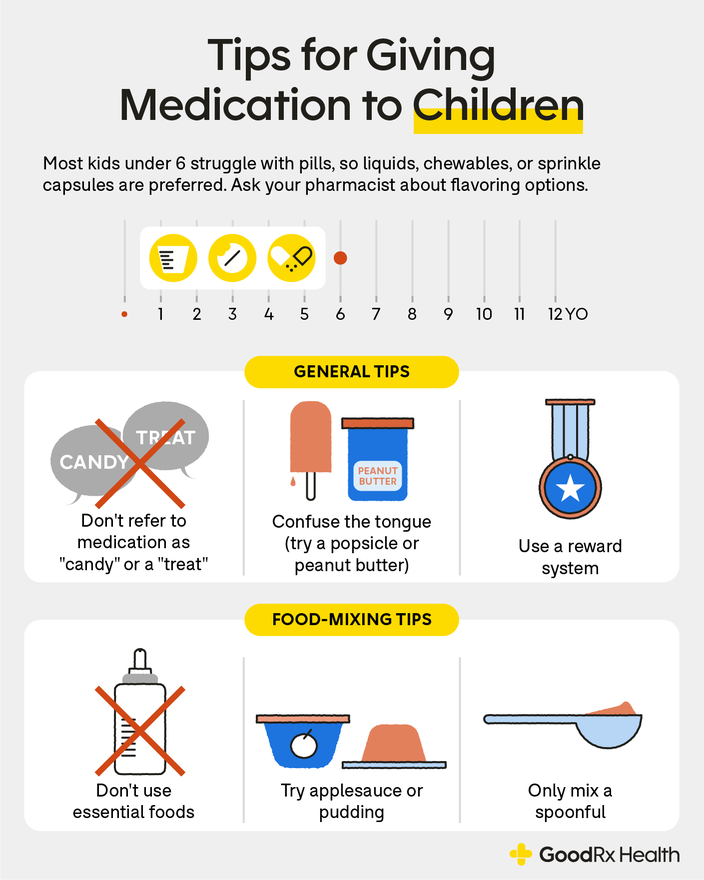
Image Source: www.grxstatic.com
1. Choose the Right Tools
The tool you use matters a lot. It can make giving medicine much easier. Liquid medicine administration for kids needs the right approach. Many tools are made for little mouths.
The Magic of the Oral Syringe
An oral syringe is often the best tool. It is much better than a spoon.
* Accurate Dose: Syringes let you measure the exact amount. This is very important for medicine.
* Easy to Use: You can squirt the medicine into your child’s cheek. This avoids the taste buds on the tongue. It also makes it harder for them to spit it out.
* Control: Oral syringe techniques for toddlers focus on control. Push the plunger slowly. Give the medicine in small squirts. Let your child swallow each part.
Other Helpful Tools
- Droppers: These are good for very small babies. They work like syringes for tiny doses.
- Medicine Cups: Some liquid medicines come with a small cup. These are good for older toddlers who can sip. But they can be messy.
- Medicine Pacifiers: These have a tiny opening where medicine goes. The baby sucks on it and gets the medicine. This can work for very young ones.
Tip: Ask your pharmacist for an oral syringe. Most pharmacies give them out for free with liquid medicines. Make sure it has clear markings for the right dose.
2. Make Medicine Taste Better (or Less Bad)
The taste of antibiotics is often the main problem. Many antibiotics taste bitter or chalky. Making toddler medicine taste better can make a big difference.
Flavoring Options
Some pharmacies offer flavoring services. They can add fruit flavors to liquid medicine.
* Check with Pharmacist: Ask your pharmacist if they can flavor the medicine. This is usually safe. Many kids like bubblegum, grape, or cherry flavors.
* Know the Rules: Make sure the flavoring does not change how the medicine works. Your pharmacist will know this.
Careful Mixing
Mixing antibiotics with juice for toddlers is a common question. You can mix medicine with food or drink. But you must be very careful.
* Small Amount: Only use a very small amount of food or drink. Use just enough to hide the taste.
* Full Dose: Your child must eat or drink the entire amount. If they do not, they will not get enough medicine.
* Avoid Key Foods: Do not mix medicine with their favorite food or drink. If they dislike the taste, they might start to dislike that food too.
Foods/Drinks that often work for mixing:
* A tiny bit of applesauce
* A small spoon of yogurt
* A small sip of juice (apple or grape often work)
* A little bit of chocolate syrup (if allowed by doctor)
* Pudding
Avoid:
* Large amounts of any food or drink
* Warm liquids (can change medicine)
* Milk (can affect some antibiotics)
* Their favorite drink or food (risk of making them hate it)
Table: Good vs. Bad Mixing Options for Toddler Antibiotics
| Good Mixing Options (Small Amounts) | Bad Mixing Options (Avoid) | Why? |
|---|---|---|
| Applesauce (1-2 tsp) | Large amounts of any food/drink | Child might not finish, missing the full dose. |
| Yogurt (1-2 tsp) | Their favorite food/drink (e.g., daily milk, special treat) | Can cause them to dislike that food, leading to future feeding issues. |
| Pureed fruit (e.g., banana, pear, 1-2 tsp) | Hot liquids or foods | Heat can break down certain antibiotics, making them less effective. |
| Chocolate syrup (1-2 tsp, check with doctor first) | Mixing with formula/breast milk (unless directed) | Can spoil the taste of their primary food source. |
| Flavored syrup (e.g., simple syrup, check with doctor) | Carbonated drinks | Can cause medicine to foam, making it hard to swallow or inaccurate. |
| A small sip (1-2 oz) of juice (e.g., apple, grape) | Large amounts of juice | Toddler might not drink it all; sugar intake. |
3. The Art of Disguise (Use Wisely!)
Hiding antibiotics in food can be a good choice. This is especially true for children who refuse medicine strongly. But you must be smart about it. The goal is for them to get the full dose.
How to Hide Medicine Safely
- Tiny Portion: Use a very small amount of food. Just enough to cover the medicine.
- Mix Well: Make sure the medicine is fully mixed in. No lumps or separate parts.
- One Bite: Aim for your child to eat the whole dose in one or two bites.
- Strong Taste: Choose foods with a strong, pleasant taste. This will hide the medicine flavor.
Good foods for hiding:
* Applesauce: A classic choice. Its texture and taste are good for hiding medicine.
* Yogurt: Smooth and often sweet.
* Pudding: Creamy and usually a hit with toddlers.
* Mashed Banana: Soft and sweet.
* Nut Butter: A small dab on a cracker (if no allergies).
* Chocolate Syrup: A small amount mixed in.
Important Safety Note: Do not hide medicine in a bottle of milk or juice. Your child might not finish the whole bottle. Then they will not get all the medicine. Also, some medicines do not mix well with milk. Always ask your pharmacist if hiding is okay for your child’s specific medicine.
What if They Discover It?
Sometimes a child will figure out the trick. If this happens, do not get upset. Just try a different method next time. Overcoming medicine refusal in toddlers often means trying new things. It takes patience.
4. Create a Routine and Positive Experience
Pediatric antibiotic compliance strategies often focus on routine. Toddlers thrive on knowing what to expect. Make medicine time a regular part of the day.
Set a Consistent Time
- Same Time, Every Day: Give the medicine around the same time each day. This helps your child know what is coming. It also makes it easier for you to remember.
- Link to Activities: Pair medicine time with a fun activity. For example, give it before a favorite TV show. Or right before story time.
Keep it Calm and Positive
- Your Mood Matters: If you are stressed, your child will feel it. Stay calm and confident.
- Positive Language: Use words like “time for your yummy medicine” or “this helps you get strong.” Avoid negative words like “bad taste” or “yucky.”
- Quick and Smooth: Do not drag out medicine time. Be efficient. Get it done quickly.
- Praise, Praise, Praise: After they take it, give lots of praise. “You did such a great job!” “You are so brave!”
Offer Choices (When Possible)
Toddlers love to feel like they have some control.
* “Do you want to take it standing or sitting?”
* “Do you want to use the blue syringe or the clear one?”
* “Do you want water or juice after your medicine?”
* “Do you want to take it now or in two minutes?” (Use a timer for this.)
Giving small choices can reduce resistance. It makes them feel part of the process.
Use a Reward System
- Immediate Reward: Have a small, fun reward ready. This can be a sticker, a tiny toy, or a favorite snack.
- Verbal Praise: Always pair the reward with lots of verbal praise.
- Sticker Chart: For older toddlers, a sticker chart can work. Each time they take medicine, they get a sticker. After a certain number of stickers, they get a bigger reward. This helps with pediatric antibiotic compliance strategies over several days.
5. Distract and Divert
Distraction is a powerful tool. It can help your child take medicine without focusing on the taste or the act. Strategies for giving medicine to fussy eaters often use this method.
During Administration
- Engage Their Senses: Turn on a favorite song. Show them a silly video. Play with a favorite toy.
- Eye Contact: Make eye contact and talk to them about something else. “Look at that bird!” “What color is this toy?”
- Blow Bubbles: Blowing bubbles right after giving medicine can help them swallow. It also shifts their focus.
- Count: Count to 10 quickly. Or sing “Twinkle, Twinkle Little Star.” The distraction can make the process smoother.
After Medicine
- Follow Up with Something Fun: Immediately after the medicine, do something fun. Go outside for a minute. Play with a new toy. Read a quick book. This helps them link medicine time with something positive.
- Do Not Dwell: Once medicine time is over, move on. Do not talk about it. This helps them forget the unpleasant part.
Example Distractions:
* A toy that lights up or makes noise.
* A short clip of a favorite cartoon.
* A silly song or dance.
* Blowing a pinwheel.
6. Stay Calm and Persistent
Toddler refuses medicine tips often come down to patience and calm. It is hard when your child is sick and refusing help. But staying calm is key.
When They Spits Out Antibiotics Solution
It happens. Your child might spit out some or all of the medicine.
* Do Not Yell: Do not get angry. This will make future medicine times even harder.
* Assess the Amount: Try to guess how much they spit out. If it was only a little bit, do not give more. Giving too much can be dangerous.
* Try Again (If Needed): If they spat out most of it, you might need to try again. Give a smaller amount at a time.
* Call the Doctor/Pharmacist: If your child consistently spits out the medicine, call your doctor or pharmacist. They might suggest a different form of the medicine (like a chewable tablet if age-appropriate) or a different antibiotic.
Gentle Restraint (As a Last Resort)
Sometimes, gentle restraint is needed to give medicine. This should only be used if all other methods fail. It should be quick and safe.
* Wrap Them: Wrap your child in a blanket or towel. This keeps their arms from batting away the syringe.
* Hold Firmly: Hold them gently but firmly.
* Support Head: Support their head.
* Squirt Slowly: Squirt the medicine slowly into their cheek. Keep their head slightly tilted back. This makes swallowing easier.
* Blow Gently: Blowing gently on their face or nose can trigger a swallow reflex.
* Stay Calm: Talk in a calm voice. “It’s almost done. You’re doing so well.”
* Comfort After: As soon as the medicine is given, release them. Offer comfort and praise.
This method can be upsetting for both of you. So use it only when necessary. The goal is to get the medicine in them safely.
7. Know When to Seek Help
Most of the time, these tips will help. But sometimes, you might need extra help.
When to Call Your Doctor
- Consistent Refusal: If your child absolutely refuses to take the medicine every time, and you cannot get any in them.
- Vomiting: If your child vomits soon after taking the medicine, especially if it happens often. You need to know if you should give another dose.
- Worsening Symptoms: If your child’s illness symptoms get worse, even with the medicine.
- Concerns about Dose: If you are unsure about how much medicine your child is getting because of spitting or vomiting.
Alternative Forms of Medicine
Your doctor might be able to prescribe the medicine in a different form.
* Chewable Tablets: For older toddlers, a chewable tablet might be easier.
* Suppositories: Some medicines can be given as a suppository (inserted into the rectum). This is rare for antibiotics but can be an option if oral medicine is impossible.
* Different Antibiotic: Sometimes, a different antibiotic might have a better taste or a shorter treatment course.
Remember: Your doctor and pharmacist are your partners. Do not hesitate to ask them for advice. They have seen it all and can offer specific solutions for your child.
Why Finishing the Full Course Matters
It is very important for your child to finish all of their antibiotics. Even if they seem better.
* Kills All Germs: Antibiotics work by killing bad germs. If you stop early, some germs might still be there. These leftover germs can grow back.
* Prevents Resistance: Stopping early can make the germs stronger. They can learn to fight the medicine. This is called antibiotic resistance. Then the medicine might not work next time.
* Stops Relapse: Your child’s infection can come back if not fully treated. This means more sickness and more medicine.
Stick with the plan. Give every dose as directed. Even if it is a struggle. Your child’s health depends on it.
Other Helpful Points for Giving Medicine
Here are some extra tips that can help with strategies for giving medicine to fussy eaters and toddlers who refuse medicine.
Lead by Example (If Safe)
If you take medicine, let your child see you. Show them how easy it is. Say, “Look, Mommy is taking her medicine to stay strong!”
Make a “Medicine Kit”
Keep all medicine items in one place.
* Syringes, droppers, medicine cups.
* Wipes for spills.
* A small treat or sticker rewards.
This makes medicine time less rushed. It also makes it easier to find everything.
Story Time or Role Play
Before your child gets sick, or during a healthy time, play “doctor.”
* Let them give pretend medicine to a doll or stuffed animal.
* Talk about how the doll gets strong after taking medicine.
* Use a clean, empty syringe to play. This can make them more familiar with the tool.
The “Chaser” Method
Have a preferred drink ready right after the medicine.
* A small sip of water.
* A tiny bit of favorite juice.
* This helps wash away the taste. It also makes them swallow.
The “Quick Swallowing” Method
If your child can understand, explain:
* “Open wide!”
* “Swallow quickly!”
* Then give them the medicine.
* Praise them for swallowing fast.
Be Mindful of Time
Some antibiotics need to be given with food. Some need to be given without food. Always read the label. Or ask your pharmacist. This can affect how well the medicine works.
Frequently Asked Questions (FAQ)
Q1: What if my child throws up the antibiotic after taking it?
A1: If your child throws up the antibiotic within 15-30 minutes of taking it, they likely did not absorb the full dose. Call your doctor or pharmacist right away. They will tell you if you should give another dose. Do NOT give another dose without talking to a health professional first. Giving too much medicine can be harmful.
Q2: How long does it take for antibiotics to start working?
A2: You might see some improvement in your child’s symptoms within 24 to 48 hours. But this can vary greatly. It depends on the type of infection and the antibiotic. It is important to keep giving the medicine even if your child seems better. This ensures all the bad germs are gone.
Q3: Can I stop giving the antibiotic once my child feels better?
A3: No, absolutely not. You must give your child the full course of antibiotics as prescribed by the doctor. Even if your child feels better, some germs may still be in their body. Stopping early can lead to the infection coming back. It can also cause antibiotic-resistant bacteria. This means the medicine might not work next time.
Q4: My child spits out the medicine every time. What should I do?
A4: Try using an oral syringe to squirt the medicine slowly into their cheek. Follow with a quick chaser of their favorite drink. Try distraction techniques like bubbles or a favorite toy. If the problem continues, or you are worried about them getting enough medicine, contact your doctor or pharmacist. They might suggest a different antibiotic or a different form of the medicine.
Q5: Can I mix antibiotics with milk or formula?
A5: Generally, it is not recommended to mix antibiotics with milk or formula. Some antibiotics can become less effective when mixed with dairy products. Also, if your child does not finish the entire bottle, they will not get the full dose of medicine. Always check the medicine label or ask your pharmacist if it’s safe to mix with specific liquids. A small amount of applesauce or yogurt is usually a safer bet.
Q6: My child hates the taste. Are there other ways to make it taste better?
A6: Yes! Ask your pharmacist if they offer a flavoring service. Many pharmacies can add child-friendly flavors like grape, cherry, or bubblegum to liquid antibiotics. If not, you can try mixing a tiny amount with strong-flavored foods like chocolate syrup, applesauce, or pudding. Remember to use only a small amount of food and ensure your child eats all of it.
Q7: What if my toddler gags or chokes when taking medicine?
A7: If your toddler gags, it might be due to the taste or texture. If they choke, you might be giving it too fast or the amount is too large. Always give medicine slowly, in small squirts, aiming for the cheek. Ensure your child is sitting upright or slightly propped up. If gagging or choking is a frequent issue, talk to your doctor. They can check if there’s an underlying problem or suggest specific administration techniques.
Final Thoughts
Giving medicine to a toddler can test your patience. But with the right tools, smart tricks, and a calm approach, you can make it much easier. Remember to praise your child for their effort. Celebrate every small win. Staying calm and persistent is key. Your child will get the medicine they need to get well. And you will both feel a lot better.