
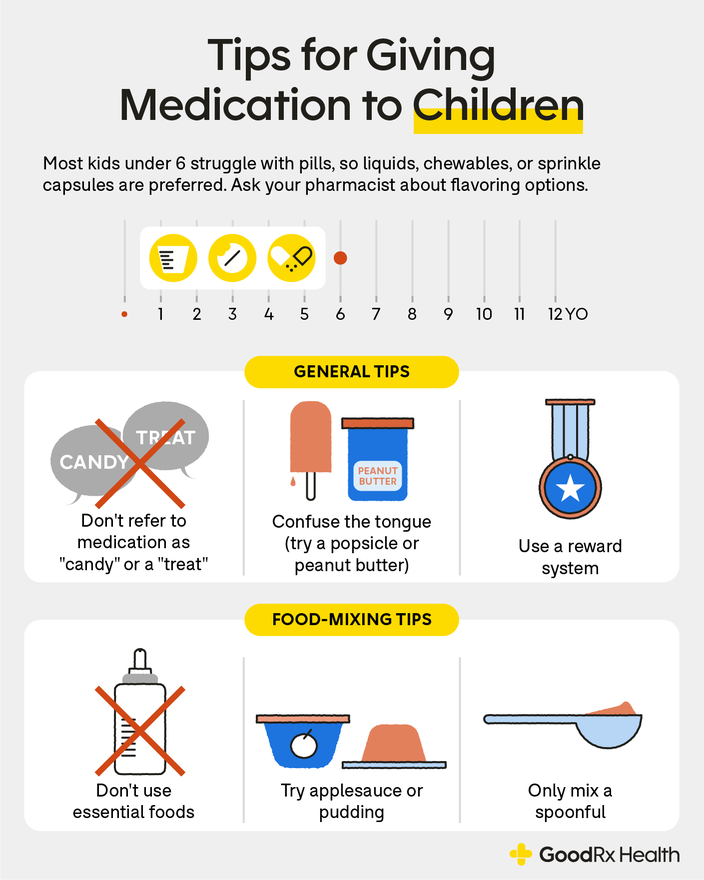
Image Source: www.grxstatic.com
How To Get Toddler To Take Liquid Medicine: Fast & Easy!
Why do toddlers refuse medicine? They often refuse because it tastes bad, feels strange, or they do not want to stop playing. Can you hide medicine in food? Yes, you can often hide medicine in food or drink, but there are important things to know first. What is the best way to give liquid medicine? The best way often involves an oral syringe, calm actions, and making it a positive experience. Giving liquid medicine to a toddler can be a big challenge for any parent. It feels like a battle. Your little one might cry, squirm, or spit it out. This can be stressful for everyone. But it does not have to be this way. This guide shares simple tips and tricks to make medicine time easier. We want to help you get your toddler to take their medicine quickly and with less fuss. Let us make this task fast and easy!
Grasping Why Toddlers Resist Medicine
It is hard when your toddler refusing medicine. It helps to know why they act this way. Many reasons can make them say no.
Taste and Feel:
* Bad Taste: Many liquid medicines do not taste good. Some are very bitter. Toddlers use their taste buds a lot. A strong, bad taste can make them refuse it.
* New Texture: The way medicine feels in the mouth can be strange. It might be thick or syrupy. This can make a toddler gag or spit it out.
* Temperature: Cold or room-temp medicine might not feel right to them.
Fear and Control:
* Fear of the Unknown: Toddlers do not know what the medicine is. They might see the syringe or spoon as scary tools.
* Loss of Control: Toddlers want to be in charge. Taking medicine makes them feel out of control. They are told what to do. This can lead to a power struggle.
* Feeling Unwell: They are already sick. They might feel grumpy or tired. This makes them less likely to cooperate.
* Bad Past Events: If they had a hard time taking medicine before, they might remember it. This can make them scared to try again.
Developmental Stage:
* “No!” Phase: Toddlers often go through a “no” phase. They say no to many things. This helps them learn to be their own person. Medicine time can be one of these “no” moments.
* Limited Words: They cannot tell you what is wrong. Refusing medicine is their way of saying they do not like it.
Knowing these reasons can help you act with more patience. It helps you find the right way to help your child. Do not take their refusal personally. They are just being toddlers.
The Power of Preparation: Setting the Scene for Success
Good preparation is key. It helps make medicine time go smoothly. A few simple steps can make a big difference.
Gather Your Tools:
* Have everything ready before you start.
* Get the medicine bottle.
* Find the right measuring tool. This might be an oral syringe for toddlers. It could be a dropper or a small cup.
* Have a small reward ready. This could be a favorite toy or a sticker.
* Keep a wet cloth nearby for spills.
Check the Medicine:
* Always read the label carefully.
* Check the dose. Make sure it is right for your child’s age or weight.
* Look at the expiration date. Do not use old medicine.
* See if it needs to be shaken. Many liquid medicines need a good shake.
* Check if it needs to be kept cold. Take it out of the fridge a little early if needed. Cold medicine might taste better. Or, some toddlers prefer it at room temperature.
Choose the Right Time:
* Pick a time when your toddler is calm. Do not try when they are overly tired or hungry.
* Avoid medicine time right before a nap or bedtime, if possible.
* If they need it with food, time it with a meal.
Talk to Your Toddler:
* Use simple words. Tell them it is time for medicine.
* Say it will help them feel better.
* Keep your voice calm. Show confidence.
* Do not make it a big deal. Act like it is a normal part of the day.
Being ready helps you stay calm. Your calm acts can help your toddler feel calm too.
Effective Administration Techniques: Tips for Giving Liquid Medicine to Toddlers
Giving medicine to a toddler can be tricky. But there are many ways to make it easier. These tips for giving liquid medicine to toddlers can help.
Best Way to Administer Liquid Medicine to a Child
The best way to administer liquid medicine to a child often depends on the child. But some methods work well for most.
- Use an Oral Syringe: This is often the best tool.
- Place it Right: Do not squirt medicine straight down the throat. This can cause choking.
- Place the syringe tip between the side of their cheek and gums. Aim for the back of the mouth.
- Go Slow: Push the plunger slowly. Give small amounts at a time.
- Let your toddler swallow each bit before giving more.
- Take breaks if needed. This helps them breathe and swallow.
- An
oral syringe for toddlerslets you control the speed and amount.
- Try a Medicine Dropper: If the dose is very small, a dropper can work.
- Use it like a syringe. Place it to the side of the mouth. Give drops slowly.
- Small Sips from a Cup or Spoon:
- For older toddlers, a tiny medicine cup or spoon might work.
- Let them hold it if they want. This gives them some control.
- Let them take sips at their own pace.
Making Medicine Taste Better for Kids
Some medicines just taste bad. Here are ways to make making medicine taste better for kids easier.
- Ask Your Pharmacist:
- Some pharmacies can add flavors to liquid medicines. This is called compounding. They can add fruit or bubblegum flavors. Always ask if this is safe for your child’s medicine.
- Chill It:
- Cold medicine can numb the taste buds a little. This can make the taste less strong.
- Put it in the fridge for a short time if it is safe to do so. Check the label.
- Follow with a Chaser:
- Have a favorite drink ready right after the medicine. This could be juice, water, or a small piece of fruit.
- Do not mix the medicine with a large amount of drink. Your child might not drink it all. Then they will not get the full dose.
- Popsicle Trick:
- Give your toddler a small piece of popsicle or an ice cube a minute before medicine.
- This can make their mouth a bit numb. It helps reduce the bad taste.
- Then, give the medicine quickly.
- Follow with more popsicle.
Distracting Toddler During Medicine Administration
Distraction can be a powerful tool. It helps when distracting toddler during medicine administration.
- Engage Their Senses:
- Sing a Song: Sing their favorite song. Make it silly.
- Bubbles: Blow bubbles for them to watch. They might be too busy watching to notice the medicine.
- Favorite Toy: Let them hold a special toy. Talk about the toy.
- Funny Faces: Make funny faces. Tell a quick, silly story.
- Screen Time (Briefly):
- For a very short time, a favorite cartoon or video might help.
- Use this only if other methods fail. Do not make it a regular habit.
- Mirror, Mirror:
- Let them watch themselves in a mirror. This can be fun and distracting.
- You can make silly faces together.
The key is to draw their attention away from the medicine itself. Make it quick and easy.
Toddler Spitting Out Medicine Solutions
What do you do when your toddler spitting out medicine solutions? It is frustrating, but there are ways to handle it.
- Small, Repeated Doses:
- If they spit out a lot, give very small amounts at a time.
- Instead of giving 2ml at once, give 0.5ml four times.
- Wait for them to swallow each tiny bit.
- Keep Them Upright:
- Never give medicine to a lying-down child.
- Sit them upright. Hold them close. Their head should be slightly lifted.
- This helps them swallow. It lowers the risk of choking.
- Gentle Chin Hold:
- After giving medicine, gently hold their chin up for a moment.
- This helps keep their mouth closed. It can encourage swallowing.
- Do not force it. Be gentle.
- Wipe and Re-dose (Carefully):
- If they spit out most of it, you might need to give it again.
- Important: Only re-dose if you are sure most of the medicine came out.
- If in doubt, call your pharmacist or doctor. Giving too much medicine can be dangerous.
- Always wipe their mouth clean first. This helps prevent skin irritation from the medicine.
- Stay Calm:
- It is hard when they spit. But stay calm.
- If you get upset, they might get more upset too.
- Clean up with a smile. Try again calmly.
When to Consider Hiding Medicine: Hiding Medicine in Toddler Food/Drink
Sometimes, despite all efforts, a toddler still refuses. Then, hiding medicine in toddler food/drink might be an option. But use this method with care.
Pros of Hiding Medicine:
* Avoids Power Struggles: It can help skip the fight. This makes medicine time less stressful for everyone.
* Ensures Full Dose: If done right, your child gets all the medicine they need.
* Less Traumatic: It can be less upsetting for a child who has had bad experiences with medicine.
Cons of Hiding Medicine:
* Taste Alteration: Some medicines can change the taste of food. Your child might refuse the food then. This can make them wary of that food in the future.
* Dosage Accuracy: It is hard to know if they ate all the food. If they do not finish it, they do not get the full dose. This is a big problem.
* Not Always Safe: Some medicines should not be mixed with certain foods or drinks.
* Trust Issues: If a child finds out you are hiding medicine, they might lose trust. They might then refuse to eat or drink anything you offer.
Best Foods/Drinks to Use:
* Small Amounts: Use a very small amount of food or drink. This makes sure they finish it quickly.
* Strong Taste: Choose foods with a strong natural taste. This helps cover the medicine taste.
* Applesauce
* Yogurt
* Pudding
* Jam or fruit spread
* A small sip of juice (not milk!)
* Mix Well: Stir the medicine fully into the food. Make sure there are no lumps.
* Give with a Spoon: Offer it quickly with a spoon. Then follow with more of the same food without medicine.
Foods/Drinks to Avoid:
* Milk or Formula: Never mix medicine with a whole bottle of milk or formula. Your child might not finish it. Also, some medicines do not mix well with dairy.
* Hot Foods: Heat can break down some medicines. This makes them not work as well.
* Essential Foods: Do not use their main meal or favorite food. If they reject it, they might not eat that food again.
* Chewy or Lumpy Foods: These might make it hard to mix the medicine well.
When Not to Hide Medicine:
* Timed-Release or Enteric-Coated Medicine: These medicines are made to work slowly or pass through the stomach safely. Crushing or mixing them can stop them from working right.
* Very Bitter Medicine: Some medicines are so bitter that nothing can hide their taste.
* If the Doctor Says No: Always ask your doctor or pharmacist first. They know if a medicine can be safely mixed with food.
Always think about the pros and cons. Use this method as a last resort. Make sure your child gets the full, right dose.
Tackling Tough Cases: Toddler Won’t Take Antibiotics
Antibiotics are often vital. But many liquid antibiotics taste very bad. This can be a huge hurdle. What do you do when your toddler won't take antibiotics?
Why Antibiotics Are Hard:
* Bitter Taste: Many antibiotics are known for their very bitter taste. Even when flavored, it can be hard to hide.
* Long Course: Antibiotics need to be taken for many days. This can be draining for both parent and child.
* Importance of Full Course: It is very important that your child takes all of the antibiotic. Stopping early can make the infection come back. It can also lead to stronger germs.
Strategies for Antibiotics:
* Ask Your Pharmacist About Flavoring:
* This is your first step. Many pharmacies offer flavoring services. They can add a special taste.
* Some common flavors are grape, bubblegum, cherry, or orange. Ask for samples if they have them.
* This often makes the biggest difference.
* Extreme Chilling:
* If safe, chill the antibiotic more than usual. The colder it is, the less the taste buds might pick up.
* Do not freeze it unless told to by your pharmacist.
* Combine with Strong Flavors:
* If you must hide it, use a very strong-tasting chaser or mix.
* A tiny bit of chocolate syrup (check with pharmacist first).
* Very sweet jam or fruit concentrate.
* Always use a small amount of mix. Ensure they take the whole dose.
* Be Prepared for the Fight:
* Sadly, some antibiotics are just hard to take.
* Prepare for resistance. Stay calm and firm.
* Use the syringe method (side of mouth, slowly).
* Have a reward ready.
* Persistence and Calm:
* Do not give up. Your child needs this medicine.
* Maintain a calm voice. Do not get angry.
* Celebrate every small success. Even if they take half, it is a win.
If you are truly struggling, talk to your doctor or pharmacist. They might have other ideas. They might be able to prescribe a different form of the medicine. Or they might suggest a different antibiotic with a better taste profile. Your child’s health is the main goal.
Encouragement and Rewards: Positive Reinforcement for Taking Medicine
Using positive reinforcement for taking medicine can change the whole experience. It makes medicine time less about fighting and more about working together.
Why Positive Reinforcement Works:
* Builds Good Habits: It teaches your child that taking medicine is a positive thing.
* Boosts Confidence: It makes them feel proud. They feel like they did a good job.
* Reduces Fear: It links medicine to good feelings, not bad ones.
* Strengthens Your Bond: It shows your child you are on their side.
Ideas for Positive Reinforcement:
* Verbal Praise:
* “Great job!”
* “You are so brave!”
* “Thank you for taking your medicine.”
* “You did it! High five!”
* Use excited and happy tones.
* Physical Affection:
* A big hug.
* A high-five.
* A gentle pat on the back.
* A happy dance.
* Sticker Charts:
* Make a simple chart.
* Each time they take medicine, they get a sticker.
* After a certain number of stickers, they get a bigger reward. This could be a new small toy or a special outing.
* Let them pick the sticker.
* Small, Immediate Rewards:
* A Tiny Treat: A single candy, a small cookie, or a piece of their favorite fruit.
* Extra Play Time: “You took your medicine, now we have 5 more minutes of play!”
* A Special Activity: “Let us read an extra book.” or “Let us blow bubbles.”
* Choose a Reward: Let them choose their reward if possible. This gives them control.
* Make it a Game:
* “Let us race to take our medicine!”
* “Can you make a funny face while you take it?”
* Turn the syringe into a “rocket ship” bringing “fuel” to their body.
Consistency is Key:
* Always reward them. Do not skip it.
* The reward should be immediate. Toddlers learn best when cause and effect are close.
* Focus on their effort, not just the result. Even if they spill a little, praise them for trying.
By making medicine time a positive event, you set your child up for success. It helps them feel good about doing something important for their health.
Creating a Calm and Confident Environment
Your toddler picks up on your feelings. If you are stressed, they will be too. A calm and confident approach is vital.
Your Calm Matters:
* Breathe Deeply: Before you start, take a few deep breaths.
* Stay Positive: Even if you feel worried, act calm. Your voice and body language speak volumes.
* Do Not Apologize: Do not say “I am so sorry” for giving them medicine. This makes it sound like a bad thing.
* Be Firm, Not Forceful: It is okay to be firm. It shows you mean business. But never use too much force. Force can cause fear and choking.
Offer Limited Choices:
* Toddlers love control. Give them small choices.
* “Do you want to take it in the big chair or the little chair?”
* “Do you want to use the spoon or the syringe?”
* “Do you want water or juice after?”
* Do not ask “Do you want to take your medicine?” They will say no.
Explain Simply:
* Use very few words.
* “Time for medicine. It will help your cough feel better.”
* “One tiny drink to make you strong.”
* Keep your explanation short. Do not over-explain.
Patience is Your Friend:
* Medicine time can take longer than you think.
* Do not rush. This can make them more upset.
* If they resist, take a short break. Try again in a minute or two.
* Sometimes, walking away for a moment and coming back helps reset the mood.
A calm setting helps your child feel safe. This makes them more likely to cooperate. You are helping them get better, and they need to feel that from you.
Safety First: Important Considerations
Always put safety first when giving medicine. Mistakes can be very dangerous.
Always Check the Dose:
* Double-check the dose each time. Look at the label.
* Doses can change as your child grows.
* If unsure, ask your pharmacist or doctor.
Use the Right Measuring Tool:
* Only use the measuring tool that came with the medicine.
* Spoons from the kitchen are not accurate.
* Dose syringes are best for accuracy. They are marked clearly.
Store Medicine Safely:
* Keep all medicine out of reach and sight of children.
* Use child-proof caps. Put medicine away right after use.
* Store it in a locked cabinet if possible.
* Follow storage instructions. Some need to be refrigerated.
Do Not Mix with Essential Food/Drink:
* Never mix medicine in a whole bottle of milk or a full plate of food.
* If your child does not finish, they do not get the full dose. This means the medicine might not work.
* If you mix, use a very small amount of food. Make sure they eat it all.
What if Your Child Vomits?
* If your child vomits medicine right after taking it, wait a bit.
* If you see the full dose come back up, you might need to re-dose.
* But call your doctor or pharmacist first. They can tell you the right thing to do. Do not guess.
When to Call the Doctor:
* If your child cannot keep the medicine down.
* If they get a rash or other bad reaction.
* If they seem worse or not getting better.
* If you have any safety concerns or dose questions.
Being careful keeps your child safe and helps the medicine work well.
| Strategy | Pros | Cons | Best Use |
|---|---|---|---|
| Oral Syringe | Accurate dose, less spill, good control | Toddler might fight the tool | Most liquid medicines, precise dosing needed |
| Flavoring | Improves taste, less resistance | Not all medicines can be flavored, extra cost | Bitter medicines, frequent doses |
| Distraction | Reduces focus on medicine, can be fun | Requires quick action, might not work for all | Mildly resistant toddlers, quick administration |
| Hiding in Food | Avoids struggle, ensures dose if eaten all | Taste change, not always safe, trust issues | Last resort, short-term use, doctor approval |
| Positive Reinforcement | Builds good habits, reduces fear, empowers | Requires consistency, might not work alone | All situations, builds long-term cooperation |
Frequently Asked Questions (FAQ)
Q1: Can I mix my toddler’s medicine with milk?
A1: No, it is generally not a good idea to mix medicine with milk or formula. Your child might not finish the whole bottle. Then they will not get the full dose of medicine. Also, some medicines do not mix well with dairy products. This can make the medicine not work as well. Always ask your pharmacist or doctor first if you plan to mix medicine with anything.
Q2: What if my toddler vomits immediately after taking medicine?
A2: If your toddler throws up the medicine right away, you might need to give it again. But call your doctor or pharmacist first. They can tell you how much to give and if it is safe to re-dose. Do not guess. Giving too much medicine can be dangerous.
Q3: How long should I wait if my toddler refuses to take the medicine before trying again?
A3: If your toddler strongly refuses, take a short break. Try again after 5 to 10 minutes. Sometimes, a little break can help them calm down. Do not force it. This can make them scared or angry. If they keep refusing, try a different method or call your doctor for advice.
Q4: Is it okay to hold my toddler’s nose to make them swallow the medicine?
A4: No, you should not hold your toddler’s nose to make them swallow. This can be very upsetting for them. It can also cause them to choke or inhale the medicine into their lungs. This can be dangerous. It also makes medicine time a scary experience. Focus on calm methods.
Q5: What if my toddler cries and struggles no matter what I try?
A5: If your toddler cries and struggles a lot, even with all these tips, it is okay to ask for help. Talk to your pediatrician or pharmacist. They might have other ideas. They might suggest a different form of the medicine. Or they might give you more personalized advice. Sometimes, a short visit to the doctor or nurse can help show you the best technique.
Getting your toddler to take liquid medicine can be a journey. It takes patience, calm, and smart choices. By trying these tips, you can make medicine time less of a battle and more of a smooth, successful moment. Your toddler will get the care they need, and you will feel more confident. You can do this!