
Raising a toddler is a fun adventure. It is also full of challenges. One big challenge is getting your little one to listen. Toddlers are still learning about the world. They test limits. They want to be in charge. This is a normal part of growing up. But it can make parenting tough.
This guide will help you. We will share proven ways to help your toddler listen better. These tips focus on kindness and clear rules. They build a good bond between you and your child. We will look at what makes toddlers tick. We will give you tools for talking, setting rules, and handling big feelings. This will make home life happier for everyone.
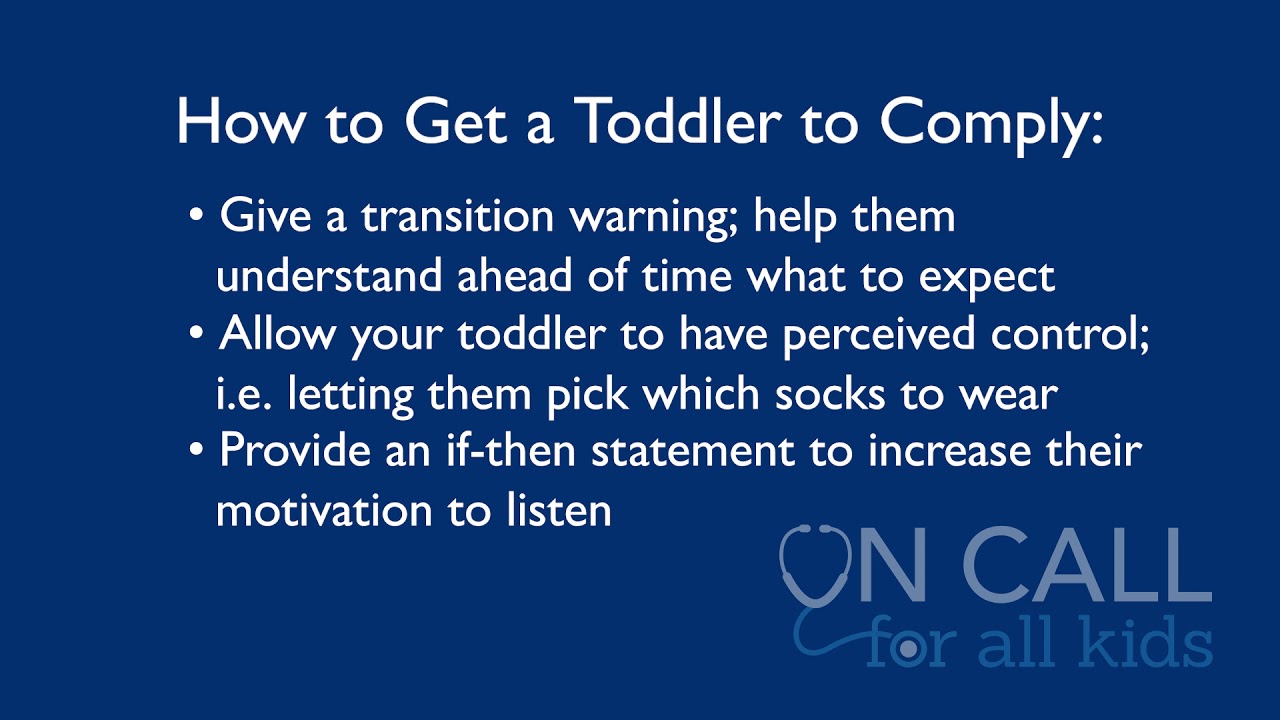
Image Source: www.hopkinsmedicine.org
Why Toddlers Don’t Listen: Grasping Their World
Toddlers do not always listen. This is not because they are bad. It is because their brains are still growing. They are learning about their feelings. They are also learning about their power. Here are some key reasons why toddlers might not listen:
- Brain Growth: A toddler’s brain is not fully grown. The part that plans and controls actions is still very young. This means they act on impulse. They do not think ahead much.
- Big Feelings: Toddlers feel things strongly. They get happy fast. They also get sad or angry fast. They do not know how to handle these big feelings yet. This can make them act out.
- Need for Power: Toddlers want to be independent. They want to do things their way. Saying “no” is their way of showing they are growing up. It is a try for control.
- Short Attention Span: Toddlers get bored fast. They move from one thing to another. They might not hear you because their mind is on something else.
- Testing Limits: Toddlers learn what they can and cannot do by testing. They push to see how far they can go. This is how they learn rules.
- Language Skills: Toddlers are still learning words. They may not fully get what you are asking. Or they might need simple words.
Knowing these things helps you see why listening is hard for them. It helps you react in a helpful way.
The Heart of It: Positive Parenting for Toddlers
Positive parenting toddlers is a kind way to raise children. It focuses on teaching, not just punishing. It builds a strong, loving bond. This bond makes toddlers want to listen. They feel safe and cared for. Here are the main ideas of positive parenting:
- Show Love and Warmth: Hug your child often. Tell them you love them. Spend special time with them. A secure child is more likely to listen.
- Give Respect: Talk to your toddler like a small person. Explain things simply. Listen to their feelings, even if they are silly.
- Be a Guide: You are their teacher. Show them how to act. Help them learn right from wrong.
- Set Clear Rules: Rules help children feel safe. They know what to expect. Make rules easy to understand.
- Use Positive Words: Tell your child what you want them to do. Instead of “Don’t run,” say “Walk please.”
- Praise Good Choices: When your toddler does something right, praise them. Say, “Good job sharing your toy!” This makes them want to do it again.
- Avoid Harsh Punishment: Hitting or yelling can scare toddlers. It can also hurt their self-worth. It does not teach them how to act better.
Positive parenting helps children grow up strong. It helps them learn self-control. It also makes them want to cooperate.
Talking So They Hear: Effective Communication with Toddlers
Effective communication toddlers means talking in a way they can understand. It helps them listen better. It also helps in fostering toddler listening skills. Here are some ways to talk so your toddler hears you:
- Get Down Low: Bend or squat to be at their eye level. This makes you feel less scary. It also shows you are paying attention.
- Say Their Name: Start your request with your child’s name. “Liam, please pick up your toys.” This gets their attention.
- Use Simple Words: Use short sentences. Use words they know. Avoid long talks. For example, “Shoes on,” not “Could you possibly put your footwear on now?”
- Be Clear and Direct: Tell them exactly what you want. “Put the block in the box.” Do not use questions if it is not a choice. “Time to go,” not “Are you ready to go now?”
- One Step at a Time: Give one instruction at a time. Toddlers cannot remember many steps. “First, put on your shirt. Then, your pants.”
- Wait for a Response: Give them time to process what you said. Count to five in your head. Do not repeat yourself right away.
- Show, Don’t Just Tell: Sometimes, show them what to do. Guide their hands. This helps them learn faster.
- Use a Calm Voice: Yelling can make toddlers tune you out. A calm, firm voice works best.
- Offer Choices (Limited): Giving choices makes toddlers feel in control. This can boost toddler cooperation techniques. “Do you want to wear the red shirt or the blue shirt?” “Do you want to read one book or two?” Limit choices to two. This avoids too much thinking.
- Acknowledge Feelings: If they are upset, say, “You seem sad about leaving the park.” Then, state the rule. “It is time to go home now.”
Table: Communicating with Toddlers – Do’s and Don’ts
| Do’s (Effective) | Don’ts (Less Effective) |
|---|---|
| Get to their eye level | Yell from across the room |
| Use their name | Just say “Hey!” or “You!” |
| Use simple words | Use long, complex sentences |
| Be clear: “Stop jumping.” | Ask: “Could you please stop jumping?” |
| One instruction at a time | Give a list of tasks |
| Wait for a response | Repeat yourself quickly |
| Show them what to do | Only tell them what to do |
| Use a calm, firm voice | Yell or sound annoyed |
| Offer limited choices | Give too many choices or no choices |
| Acknowledge their feelings | Ignore or dismiss their feelings |
Clear Lines: Setting Boundaries for Toddlers
Setting boundaries for toddlers is crucial. Boundaries are like fences. They keep children safe. They help them know what is okay and what is not. Clear boundaries reduce power struggles. They also help children feel secure.
- Make Rules Simple: Keep rules few and easy to remember. “No hitting.” “Stay close.” “Inside voice.”
- Be Consistent: This is the most important part. If you say “no” to jumping on the couch one day, always say “no.” If rules change, toddlers get confused. They will keep testing.
- Explain Why (Briefly): For older toddlers, a very short reason can help. “No hitting. Hitting hurts.” “Hold hands. Cars are fast.”
- Enforce Rules Kindly: When a rule is broken, respond calmly. Do not get angry. Just state the rule and follow through.
- Agree with Partners: If you have a partner, make sure you both have the same rules. Toddlers are smart. They will try to get what they want from the parent who is easier.
- Pick Your Battles: Not everything needs a rule. Decide what is truly important for safety and family values. Let some small things go.
- Positive Framing: Frame boundaries positively. “Walk inside” instead of “Don’t run inside.”
When boundaries are clear and steady, toddlers feel safe. They learn what is expected. This makes them more likely to listen.
Gentle Guidance: Toddler Discipline Strategies
Toddler discipline strategies are about teaching, not punishing. They help children learn self-control. They also help them understand consequences for toddlers. The goal is to teach them right from wrong. It also helps them learn how to follow instructions. This leads to teaching toddlers to follow instructions.
- Redirection: This is a top strategy for toddlers. If they are doing something you do not want, offer them something else. “No throwing the ball in the house. Let’s throw it outside.” This works because toddlers are easily distracted.
- Natural Consequences: Let the natural results of their actions teach them. If they throw food, they might not get to eat it. “You threw your food. Now you don’t have food.” This works if the consequence is safe.
- Logical Consequences: These are consequences you set. They are linked to the misbehavior. If they do not pick up toys, the toys go away for a while. “You did not put away the blocks. The blocks will rest until tomorrow.”
- Time-Outs (When Ready): For toddlers older than 18 months, a short time-out can work. It is a time for them to calm down away from the action. Make it short: 1 minute per year of age. It should be a quiet, safe place, not a scary one. Explain why they are there. “You hit your friend. Hitting hurts. You need to sit here for 2 minutes.”
- Loss of Privilege: For older toddlers, taking away a favorite toy or activity for a short time can work. “You colored on the wall. The crayons need a rest for a little while.”
- Follow Through: Whatever consequence you choose, you must follow through every time. If you do not, the child learns that your words do not mean much.
- Teach and Practice: Show your toddler what you want them to do. Practice often. “Let’s practice soft hands.” This helps with teaching toddlers to follow instructions.
Table: Discipline Strategy Guide
| Behavior Issue | Suggested Strategy | How it Works |
|---|---|---|
| Drawing on walls | Loss of Privilege | Crayons are put away for a short time. |
| Hitting/Biting | Time-Out, Redirection | Calm down time; offer safe toy to hit. |
| Not picking up toys | Logical Consequence | Toys put away by parent until next day. |
| Throwing food | Natural Consequence | Food is removed; meal ends. |
| Running in house | Redirection | “Let’s go run outside!” or “Walk please.” |
| Refusing to share | Positive Reinforcement | Praise when they do share; model sharing. |
| Not coming when called | Practice, Proximity Control | Practice coming game; go get them if they don’t. |
Remember, discipline is about teaching. It is not about making them feel bad.
Working Together: Toddler Cooperation Techniques
Getting toddler cooperation techniques often means making tasks fun. It means making them feel involved. Toddlers want to help. They want to feel big. Use these ideas to get them on board:
- Make it a Game: “Let’s see how fast we can put these blocks away!” “Can you hop to the bathroom?”
- Sing a Song: Create a clean-up song or a getting-ready song. Music makes chores more enjoyable.
- Offer “Helper” Roles: Give them little jobs. “Can you carry this napkin?” “Will you help me put the spoons on the table?” Toddlers love to feel useful.
- Give Warnings: Toddlers do not like sudden changes. Give them a heads-up before a transition. “Two more minutes until bath time.” “After this show, we will go.”
- Use “First, Then” Statements: “First, we put on our shoes, then we go outside.” This makes tasks clear. It also gives them something to look forward to.
- Connect with Them First: Before asking them to do something, connect. Give them a hug. Say something nice. Then make your request. This helps them feel seen.
- Let Them Be Involved: Let them choose their pajamas. Let them pick their snack. When they have some say, they are more likely to cooperate.
- Praise Effort: Praise them for trying, even if they do not do it perfectly. “You worked so hard to put those shoes on!”
Cooperation comes from a place of trust. When toddlers feel loved and respected, they are more willing to work with you.
When They Push Back: Handling Toddler Defiance
Handling toddler defiance can be tiring. Toddlers will say “no.” They will refuse to do things. This is a normal part of their growth. It is them testing their independence. How you react matters.
- Stay Calm: When your toddler is defiant, take a deep breath. Yelling often makes things worse. A calm parent can handle the situation better.
- Do Not Argue: Arguing with a toddler is pointless. They do not have the logic skills yet. Just state the rule or instruction clearly.
- Acknowledge and Redirect: “You do not want to clean up. I know you want to keep playing. But it is time to put toys away now.” Then, help them start.
- Offer a Choice (If Possible): “Do you want to put the red cars away first, or the blue ones?” This gives them a sense of control.
- Follow Through Firmly and Kindly: If they refuse, you may need to guide them. For example, gently lead them to the task. Help them start. If it is a safety rule, physically prevent them from breaking it. “No running near the road.” (Hold hand).
- Ignore Minor Defiance: Sometimes, ignoring can work. If they say “no” to something small, and it is not a safety issue, let it go. They might do it anyway.
- Use a Time-Out (If Needed): If defiance turns into a tantrum or hitting, a time-out may be needed. This is for calming down, not for punishment.
- Review Your Rules: Are your rules too many? Are they clear? Are they fair? Maybe your toddler feels overwhelmed.
Defiance is a sign they are growing. By staying calm and firm, you teach them that rules stand. You also teach them how to handle their own big feelings.
Riding the Storm: Managing Toddler Tantrums
Managing toddler tantrums is one of the hardest parts of parenting. Tantrums are outbursts of anger or frustration. Toddlers have them because they cannot say how they feel. They also do not know how to handle big feelings.
- Stay Calm (Yourself!): This is key. Your calm helps your child calm down. If you get upset, it makes the tantrum bigger.
- Keep Them Safe: During a tantrum, make sure your child is in a safe place. If they are hitting or throwing, move things away. Or move them to a safe spot.
- Acknowledge Their Feelings: “You are very angry that you cannot have another cookie.” “You are sad we have to leave the park.” Naming their feeling helps them feel heard.
- Do Not Reason: You cannot reason with a tantruming toddler. Their brain is not working that way. Wait until they calm down.
- Do Not Give In: Giving in to a tantrum teaches them that tantrums work. Stay firm on your boundary. If you said “no,” stick to it.
- Wait It Out: Most tantrums burn out if you do not add fuel to them. Stay near them. Let them know you are there. Do not try to fix it until it stops.
- Offer Comfort After: Once the tantrum ends, offer a hug. Talk about it later, using simple words. “You were very mad earlier.”
- Look for Triggers: What usually causes a tantrum? Hunger, tiredness, too many choices, being overwhelmed? Try to avoid these triggers.
Table: Tantrum Trigger Checklist
| Potential Trigger | Example | Avoidance Strategy |
|---|---|---|
| Hunger | Skipped snack, long wait for meal | Pack snacks, offer small meals often |
| Tiredness | Missed nap, late bedtime | Stick to nap/sleep schedule, offer quiet time |
| Overstimulation | Loud places, too many people, new toys | Limit busy outings, quiet play time after big events |
| Frustration | Can’t do something, toy breaks | Offer help, simplify tasks, choose age-appropriate toys |
| Need for Control | Always told what to do | Offer limited choices, let them lead sometimes |
| Transitions | Leaving park, ending play | Give warnings, use “First, Then” statements |
Tantrums are a normal part of toddler growth. They are not a sign of bad parenting. You can get through them.
Teaching Toddlers to Follow Instructions and Fostering Listening Skills
Beyond the immediate moment, you can actively work on teaching toddlers to follow instructions and fostering toddler listening skills. This is a long-term goal.
- Play Listening Games: Play “Simon Says.” Play “Follow the Leader.” Hide a toy and say “Hot or cold” as they get closer. These games make listening fun.
- Read Aloud Regularly: Reading helps build language skills. It teaches them to focus. Ask questions about the story. “What did the bear do next?”
- Model Good Listening: When your toddler talks to you, stop what you are doing. Look at them. Listen fully. They learn by watching you.
- Give Positive Feedback: When your toddler listens well, praise them. “You did such a great job putting your shoes on when I asked!” Be specific.
- Break Down Tasks: If a task is big, break it into tiny steps. “First, put your plate on the table. Then, put your cup.”
- Repeat Instructions: When they are very young, you might need to repeat simple rules often. Use the same words each time.
- Use Visual Cues: Pictures can help toddlers remember rules or routines. A picture chart for morning routine can be very helpful.
- Sing and Rhyme: Songs and rhymes make words stick. Teach them songs with actions. This boosts their listening and memory.
- Be Patient: Learning to listen takes time. Toddlers will not always get it right. Keep trying. Keep teaching.
The Long Game: Consistency and Patience
Getting your toddler to listen is not a quick fix. It takes time. It takes effort. The two most important tools you have are consistency and patience.
- Consistency: This means doing the same thing every time. If you have a rule, stick to it. If you have a consequence, follow through. When rules are constant, toddlers learn fast. If rules change often, they get confused. They will keep testing.
- Patience: Toddlers are little humans learning big things. They will make mistakes. They will test you. They will have bad days. Your patience helps them feel safe. It helps you stay calm. Remember that every “no” or defiance is a chance to teach. It is not a sign of failure.
Celebrate the small wins. Notice when they do listen. Praise their efforts. Your positive focus will help them grow. You are building a strong base for their future.
Frequently Asked Questions (FAQ)
h4 My toddler says “no” to everything. What should I do?
Many toddlers go through a “no” phase. It is their way of testing power. Stay calm. Do not argue. Offer limited choices if possible. “Do you want water or milk?” If it is not a choice, state the rule or instruction calmly and firmly. Then, follow through gently.
h4 How do I get my toddler to listen without yelling?
Yelling is often not effective. It can make toddlers tune you out. Instead, get down to their eye level. Use their name. Speak in a calm, firm voice. Use simple words. Give one instruction at a time. Use positive reinforcement when they do listen.
h4 Are time-outs good for toddlers?
Time-outs can be helpful for toddlers over 18 months. They are meant to be a short time for the child to calm down. Make them brief (1 minute per year of age). Use a calm, safe spot. Explain why they are there. It should not be a punishment, but a chance to reset.
h4 My toddler has huge tantrums. What is the best way to handle them?
Stay calm yourself. Keep your child safe during the tantrum. Acknowledge their feelings (“You are so angry!”). Do not reason with them or give in. Just wait it out. Offer comfort after the tantrum ends. Try to find and avoid common tantrum triggers like hunger or tiredness.
h4 How long should I expect it to take for my toddler to listen better?
It takes time and much practice. Toddlers are still growing and learning. You will see progress, but there will also be setbacks. Consistency and patience from you are key. Focus on teaching and guiding, rather than expecting perfect obedience right away.
Conclusion
Getting your toddler to listen is a journey, not a sprint. It takes love, patience, and good tools. By using positive parenting, clear communication, and consistent boundaries, you set your child up for success. You teach them self-control. You build a strong bond. Remember, every little step forward is a win. Keep celebrating your child’s growth. Keep enjoying this special time. You are doing great work.