
Giving medicine to a toddler can be really hard. It often feels like a big fight. Many little ones refuse liquid medicine. This is extra tough when your toddler is sick and needs pain relief. Things like Tylenol can help, but only if you can get your child to take it. Don’t worry, you are not alone. This is a common problem for parents. There are things you can try to make it easier. We will share practical tips and strategies for giving medicine to a resistant toddler. These ideas can help you deal with a toddler who fights medication.
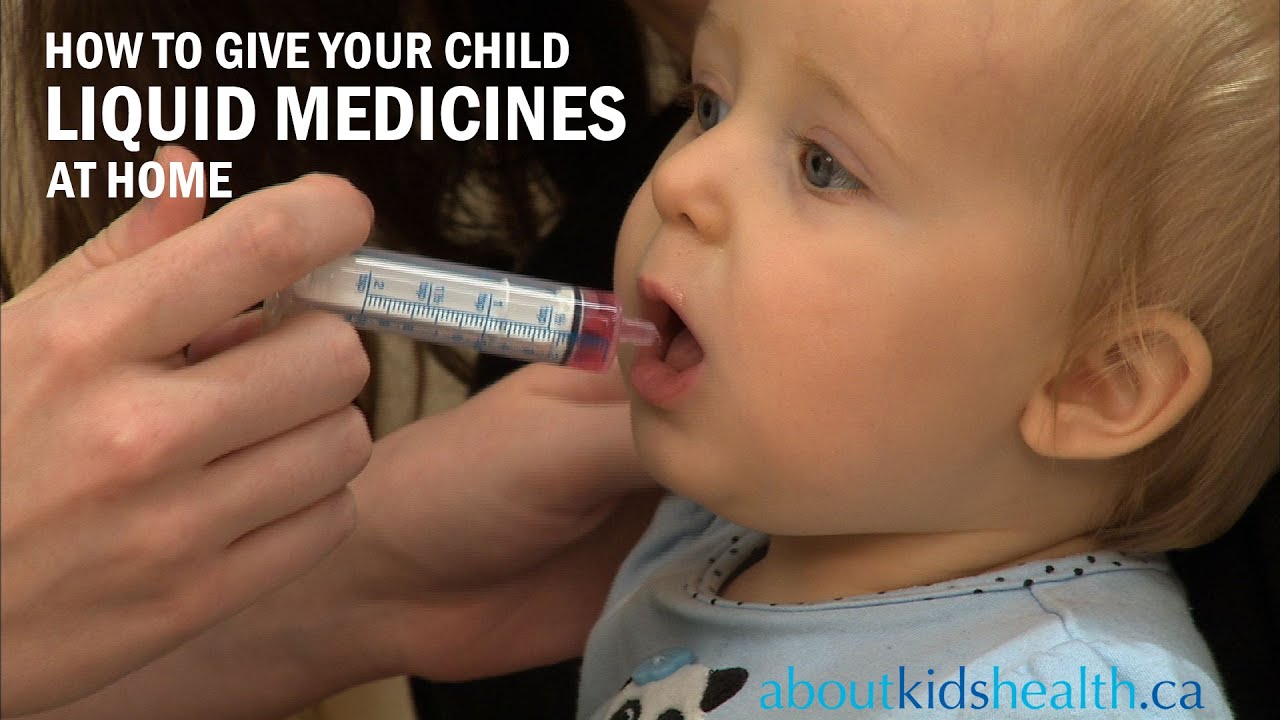
Image Source: i.ytimg.com
Comprehending Why Toddlers Say No
It helps to know why your little one might push back. Toddlers are still learning about the world. They have strong feelings and want to do things their way. When you try to give them medicine, several things might be happening:
- The Taste is Bad: Children’s liquid medicine often has flavors. But sometimes these flavors are still not very good. Or they are new and strange. A toddler’s taste buds are very sensitive.
- They Feel Sick Already: When you feel bad, you don’t want new things. The medicine might make their tummy feel funnier for a second. Or they just feel grumpy and don’t want anything.
- They Don’t Like the Tool: A syringe or a little cup can look scary or feel weird in their mouth.
- They Want Control: Toddlers like to be in charge. You are telling them they must do something. They might say no just because they want to decide.
- They Had a Bad Time Before: If giving medicine was a fight last time, they remember. They expect it to be bad again.
- Gag Reflex: Some children have a strong gag reflex. Putting something far back in their mouth makes them feel like they will throw up.
Knowing why they refuse helps you pick the right way to handle it. It’s not just about being “naughty.” They are showing you they are uncomfortable or scared.
Getting Ready for Medicine Time
Before you even open the bottle, do these important things.
Confirming the Right Dose
This is the most important step. Giving the wrong amount can be dangerous.
- Check the Bottle: Always read the label on the Children’s Tylenol bottle. Look for the dose based on your child’s weight or age. Weight is usually better.
- Use the Right Tool: The box or bottle usually comes with a special syringe, dropper, or cup. Use only this tool. Kitchen spoons are not accurate. A syringe is often best for toddlers who refuse liquid medicine because you can aim it better.
- Ask Your Doctor or Pharmacist: If you are not sure how much to give, or how often, call your doctor or pharmacist. They can tell you the exact right amount for your child. They can also check if Tylenol is okay with other medicines your child might be taking.
- Shake the Bottle: Always shake the liquid medicine well before you measure it.
Choosing the Best Tool
Different tools work for different kids.
- Oral Syringe: This is a common and good choice. It lets you measure exactly. You can put it into your child’s mouth more easily than a spoon or cup. It helps with how to get toddler to swallow medicine because you can put the medicine where it’s harder for them to spit out right away. Using a medicine syringe for toddler is often recommended by doctors.
- Dropper: Like a syringe, but usually holds less. Good for very small babies, but works for toddlers too.
- Medicine Cup: These are small plastic cups with lines. These are harder for toddlers who refuse liquid medicine because they might spill it, push it away, or only take a tiny sip.
- Dose Spoon: A spoon with a specific amount marked. Again, can be tricky with a resistant toddler.
For many parents dealing with a toddler who fights medication, the oral syringe is the go-to tool. It gives you more control.
Strategies for Giving the Medicine
Okay, you have the right dose in the right tool. Now for the tricky part: getting it into your child. These are strategies for administering toddler medicine.
The Quick and Direct Method (with an Oral Syringe)
This is often the fastest way, especially if your child is very resistant. It uses the oral syringe for toddler.
- Hold Them Safely: Sit your child on your lap, facing away from you. Or hold them gently but firmly against your body. You need to make sure they can’t push the syringe away easily or fall. Having another adult help can be very useful here. One person holds, the other gives the medicine.
- Aim for the Cheek: Put the tip of the syringe inside their mouth. Slide it along the side of their cheek, between their gums and cheek. Aim it towards the back of their mouth, but not straight down their throat. This spot makes it harder for them to spit out liquid medication.
- Give It Slowly: Push the plunger just a little bit at a time. Give them a second to swallow each small squirt. Don’t empty the whole syringe at once. This can make them gag or choke.
- Blow Gently: Some parents find that gently blowing a puff of air on their child’s face right after squirting a bit of medicine can trigger a swallow reflex.
- Stay Calm: Your child will sense if you are stressed. Try to breathe and be as calm as you can, even if they are fighting. Dealing with a toddler who fights medication is frustrating, but staying calm helps everyone.
Making it Taste Better
Children’s Tylenol comes in different flavors. Maybe try a different flavor next time? But sometimes you need to change the taste yourself. This is part of making children’s tylenol taste better.
- Use a Strong Chaser: Have a small sip of something they do like ready right away. Juice, milk, or even a lick of a lollipop (as a quick treat after the medicine) can help wash the taste away fast.
- Mix with a TINY Amount of Food or Drink: This can be an alternative way to give toddler medicine, but use caution!
- Choose Something Strong-Tasting: Applesauce, yogurt, pudding, chocolate syrup, or a small amount of juice that isn’t see-through (like prune or grape).
- Use ONLY a Very Small Amount of Food/Drink: Mix the medicine into just one spoonful or a tiny sip (like 1 ounce) of the mixer.
- WHY a Small Amount? If you mix it into a whole cup of juice or a big bowl of applesauce, your child might not finish it all. Then you don’t know how much medicine they actually got. This could mean they don’t get enough to help them feel better. It also wastes medicine.
- Check if it’s Okay: Always ask your doctor or pharmacist if you can mix Tylenol with food or drink. Most liquid Tylenol is okay to mix with small amounts, but it’s good to be sure. Some medicines don’t work right if mixed with certain things.
Mixing is a strategy for administering toddler medicine that can sometimes trick their taste buds.
Offering Choices and Control
Toddlers crave control. Giving them a small choice can make them feel better about taking the medicine.
- Which Tool? “Do you want to take it with the orange syringe or the blue syringe?” (If you have different ones).
- Where? “Do you want to sit on the red chair or the couch?”
- Who Holds? “Do you want Mommy to hold you or Daddy?”
- Which Chaser? “Do you want apple juice or milk after?”
- Let Them “Help”: Let them hold the medicine bottle (when closed!), or hold the syringe cap. Let them give a “dose” to a doll or stuffed animal using plain water first.
These small choices don’t change the fact they have to take it, but they can reduce the feeling of being forced. This helps with giving medicine to a resistant toddler.
Using Play and Praise
Make it less scary and more positive.
- Practice: When your child is well, practice with the syringe or cup using water or watered-down juice. Make it a game. Let them give water to you or a toy. This makes using a medicine syringe for toddler less scary when they are sick.
- Role-Playing: Read books about taking medicine. Pretend play doctor.
- Sing a Song: Make up a short, silly song about taking medicine.
- Praise, Praise, Praise: As soon as they swallow, even if they fussed before, give huge praise! “You did it! You are so brave! Good job swallowing! High five!” Make a really big, happy deal about it.
- Small Reward: For very tough situations, a small, immediate reward might help – like a sticker, a tiny piece of candy (check with doctor based on age), or extra screen time. Save this for when other things don’t work and the medicine must be taken.
These positive strategies help change how your child sees taking medicine over time. They are good tips for giving medicine to resistant toddler.
Timing and Routine
When you give the medicine can also matter.
- Predictability: If they need it often, try to give it at the same times each day. Toddlers like routines.
- Before or After something pleasant: Give it right before screen time, a favorite show, a special snack, or story time. Link the medicine to something they look forward to.
- Not When They Are Overtired or Overstimulated: Choose a calmer moment if possible.
Consistent timing helps manage giving pain reliever to sick toddler as part of their care routine.
What to Do When Your Toddler Spits Out the Medicine
This is a very common problem. You worked hard, they took it, and then BAM! It’s all over their chin and shirt. Dealing with a toddler who fights medication often includes dealing with spitting. If your toddler spits out liquid medication, what next?
Do NOT give another full dose.
This is super important for safety. You don’t know how much they actually swallowed before spitting. Giving a whole second dose could be too much and lead to an overdose.
So, What CAN You Do?
- Stay Calm (Again): It’s frustrating, but getting mad won’t help.
- Clean Up: Clean your child and the mess.
- Do Not Redose: As mentioned, do not give another dose right away.
- Wait for the Next Dose Time: You will need to wait until the next scheduled dose time for the medicine. Follow the dosing schedule the doctor or bottle tells you.
- Try a Different Method Next Time: Since spitting was the problem, try a different strategy next time. Maybe mix it in a tiny bit of applesauce, use the syringe aimed at the cheek even more carefully, or try a different position.
- Call the Doctor if Worried: If your child spits up multiple doses, or seems to be getting sicker because they aren’t keeping the medicine down, call your doctor. They might suggest an alternative way to give toddler medicine, like a suppository, or offer other advice.
Dealing with a toddler who spits out liquid medication is part of the challenge of giving medicine to a resistant toddler. It requires patience and sticking to safe dosing rules.
Alternative Forms of Tylenol
Sometimes liquid Tylenol just isn’t going to work, no matter what you try. Thankfully, there are alternative ways to give toddler medicine.
Chewable Tablets
- Age Appropriate: Chewable Tylenol is typically for older toddlers and children (often starting around age 2 or 3, but check the package for the exact age/weight).
- Can They Chew Safely? Your child must be old enough and able to chew and swallow tablets safely without choking.
- Dosing: The dose is based on weight, just like the liquid. Make sure you give the correct number of tablets.
- Pros: No bad liquid taste (though some kids don’t like the chewable taste either). Offers a sense of control (“I can chew it myself”).
- Cons: Choking risk if they don’t chew well. Some kids still refuse the taste or texture.
If your child is old enough and you are giving pain reliever to sick toddler who absolutely will not take liquid, chewables can be an option, if they can chew safely.
Suppositories
- What They Are: Suppositories are small, waxy cone-shaped pieces of medicine. They are given by placing them in the child’s rectum (bottom).
- When to Use: These are often used when a child is vomiting and can’t keep liquid medicine down, or when they are completely refusing to take anything by mouth.
- Pros: Works even if the child is vomiting or refusing liquids. The medicine is absorbed into the body this way. Bypasses taste issues completely.
- Cons: Uncomfortable and invasive for the child. Requires a specific technique to insert correctly.
- How to Use: You need clear instructions. Usually involves lying the child on their side, inserting the suppository gently, and holding their buttocks together for a few minutes to keep it in place. It melts inside the body.
- Ask Your Doctor: Talk to your doctor if you think suppositories might be needed. They can show you how to use them and give you the correct dose.
Suppositories are a true “alternative way to give toddler medicine” when oral methods fail. They are a good option for giving pain reliever to sick toddler when other ways are impossible.
Crafting a Positive Mindset (Yours!)
Dealing with a toddler who fights medication is exhausting. It’s okay to feel stressed, frustrated, or even guilty.
- It’s Not Your Fault: Your child isn’t doing this to be mean. They are reacting in a way they know how to, based on taste, fear, or feeling sick.
- It’s Okay to Ask for Help: If possible, have your partner, a grandparent, or a friend help you. One person can hold the child gently while the other gives the medicine.
- Take a Break (if possible): If the medicine isn’t needed immediately (like for a mild fever that isn’t causing distress), can you wait 15-20 minutes and try again? Sometimes a short break resets things. Always follow dosing times, though.
- Focus on the Goal: Remember why you are doing this. The medicine will help your child feel better. This hard moment is for their well-being.
Staying positive and patient is key to applying all these tips for giving medicine to resistant toddler.
When to Seek Professional Help
Most of the time, you can manage giving Tylenol with the tips above. But sometimes you need to call the doctor.
- You Cannot Give Any Medicine: If your child absolutely refuses every method, including alternatives, and they need the medicine (high fever, significant pain, etc.), call the doctor. They can offer more ideas or suggest you bring the child in.
- Child is Getting Worse: If your child’s fever is very high, they are in a lot of pain, or they seem very unwell and you can’t get medicine into them.
- Signs of Dehydration: If they are not drinking because they feel so bad or are vomiting a lot.
- You Think They Got Too Much: If you accidentally gave too much medicine, or if you redosed after spitting and are now worried about an overdose, call your local poison control center or seek emergency medical help immediately. Do not wait. Have the medicine bottle with you.
Knowing when to stop trying and get help is part of responsible care for your sick toddler.
Preventing Future Struggles
Once your child is feeling better, think about ways to make the next time easier.
- Keep Practicing: Use the syringe or cup with water when they are healthy. Make it a normal, fun thing, not just for sick times.
- Talk About It: In simple words, explain why taking medicine helps their body feel better. Read books about it.
- Let Them Explore the Tools: Let them look at and touch the syringe or cup when they are well.
- Stay Positive: Keep the positive attitude about medicine even when they aren’t sick. Avoid using medicine as a threat or punishment.
These steps can help reduce the fear and resistance, making giving pain reliever to sick toddler less of a battle down the road.
Summing Up the Strategies
Giving medicine to a toddler who refuses it is a challenge many parents face. Liquid Tylenol is a common pain reliever, but getting your child to take it can require patience and different approaches.
Key points to remember:
- Know the correct dose and use the right measuring tool, usually the one that comes with the medicine.
- An oral syringe is often the most effective tool for administering toddler medicine directly. Aim for the cheek, not the throat, and push slowly.
- Making children’s Tylenol taste better can involve using a strong chaser or mixing a tiny amount with a favored food or drink, after checking it’s safe.
- Dealing with a toddler who fights medication involves staying calm, using gentle restraint if needed, and distracting or using praise.
- If your toddler spits out liquid medication, do not redose. Wait for the next scheduled dose.
- Alternative ways to give toddler medicine, like chewables (for older toddlers who can chew safely) or suppositories, might be needed if liquid is impossible.
- Using positive reinforcement, offering small choices, and practicing when they are well are great tips for giving medicine to resistant toddler in the long run.
- Know when to call the doctor if you cannot give medicine, the child is getting worse, or you suspect an overdose.
It takes time and tries to find what works best for your child. Be patient with yourself and your little one. You are doing a great job caring for them.
Frequently Asked Questions
H4: How much Children’s Tylenol should I give my toddler?
You should always check the label on the bottle or box for the correct dose. This dose is based on your child’s weight, or sometimes age. Using their weight is the most accurate way. Use the measuring tool that came with the medicine. If you are unsure, call your doctor or pharmacist.
H4: What if my toddler throws up after taking the medicine?
If your child throws up the medicine shortly after taking it (within 15-30 minutes), it’s hard to know how much they absorbed. Do not give another dose right away. Giving more medicine could lead to giving too much. Wait until the next scheduled dose time. If your child keeps throwing up and can’t keep any medicine or fluids down, call your doctor. They might suggest suppositories or other help.
H4: Can I mix Children’s Tylenol with milk or juice?
You can usually mix a tiny amount of Children’s Tylenol with a very small amount of milk, juice, applesauce, or yogurt. Use just enough to hide the taste (like one or two spoonfuls or an ounce of liquid). Always check with your doctor or pharmacist first to be sure it’s okay. Make sure your child eats or drinks all of the mixture to get the full dose. Do not mix it into a whole cup or bowl, as they might not finish it.
H4: My toddler bit the end off the medicine syringe. What now?
Throw away the broken syringe part carefully. Do not use a broken syringe. Do not try to give medicine with the broken piece. If you can, use a medicine cup that came with the bottle. If you don’t have another measuring tool, call your pharmacist or doctor. They can give you another safe measuring tool or tell you what to do. Do not guess the dose using a kitchen spoon.
H4: What if my toddler really hates the taste?
Try a different flavor of Children’s Tylenol next time. Some kids like grape, cherry, or bubblegum better. You can also try making children’s tylenol taste better by having a strong-tasting chaser ready right after the dose. A tiny sip of juice or a little bite of applesauce can wash the taste away fast. Mixing a small amount into a favored food or drink (as mentioned above) is another option.
H4: My toddler is scared of the medicine bottle/syringe. What can I do?
Practice when they are not sick. Let them play with the syringe or cup using water. Read books about taking medicine. Give medicine to a doll or stuffed animal. Let them look at the bottle and syringe. Make it seem less like a scary medical thing and more like a normal, quick step. Offer small choices like which cup or syringe to use.
H4: Is it okay to hold my toddler down to give medicine?
Sometimes, for safety, you need to hold your child gently but firmly to make sure they get the medicine safely and don’t choke or get hurt while struggling. This is especially true when using a medicine syringe for toddler directly. One adult can hold the child sitting upright and secure, while the other gives the medicine quickly and calmly. This should be done safely and gently, not in a way that hurts or overly scares the child. The goal is safety and ensuring they get the needed dose, then comforting them immediately after. It’s a last resort for dealing with a toddler who fights medication strongly.
H4: How long does it take for Tylenol to work in toddlers?
Liquid Tylenol usually starts to work fairly quickly. You might start to see a fever go down or pain lessen within 30 to 60 minutes.
H4: What if I miss a dose?
If you miss a dose of Children’s Tylenol, give it as soon as you remember, but only if the next dose is not due very soon. Do not give two doses close together. For example, if the medicine is given every 4-6 hours, and you remember an hour after the dose was due, you can probably give it. If you remember only an hour before the next dose is due, skip the missed dose and just give the next one on time. Never give a double dose. If you are unsure, call your doctor or pharmacist.