
Toddlers get coughs often. It’s a normal part of them growing up and catching colds. Seeing your little one cough can be upsetting. You want to help them feel better. You might wonder, “Can I give my toddler cough medicine?” Most doctors say no. Cough and cold medicines are not safe or helpful for very young children and can even be harmful. “What helps a toddler’s cough?” Often, simple things you can do at home work best to make them more comfortable. “When should I worry toddler cough?” If your child has trouble breathing, has a high fever, or looks very sick, you should call their doctor right away. This article will share simple and effective ways to help your toddler when they have a cough.
Image Source: assets.childrens.com
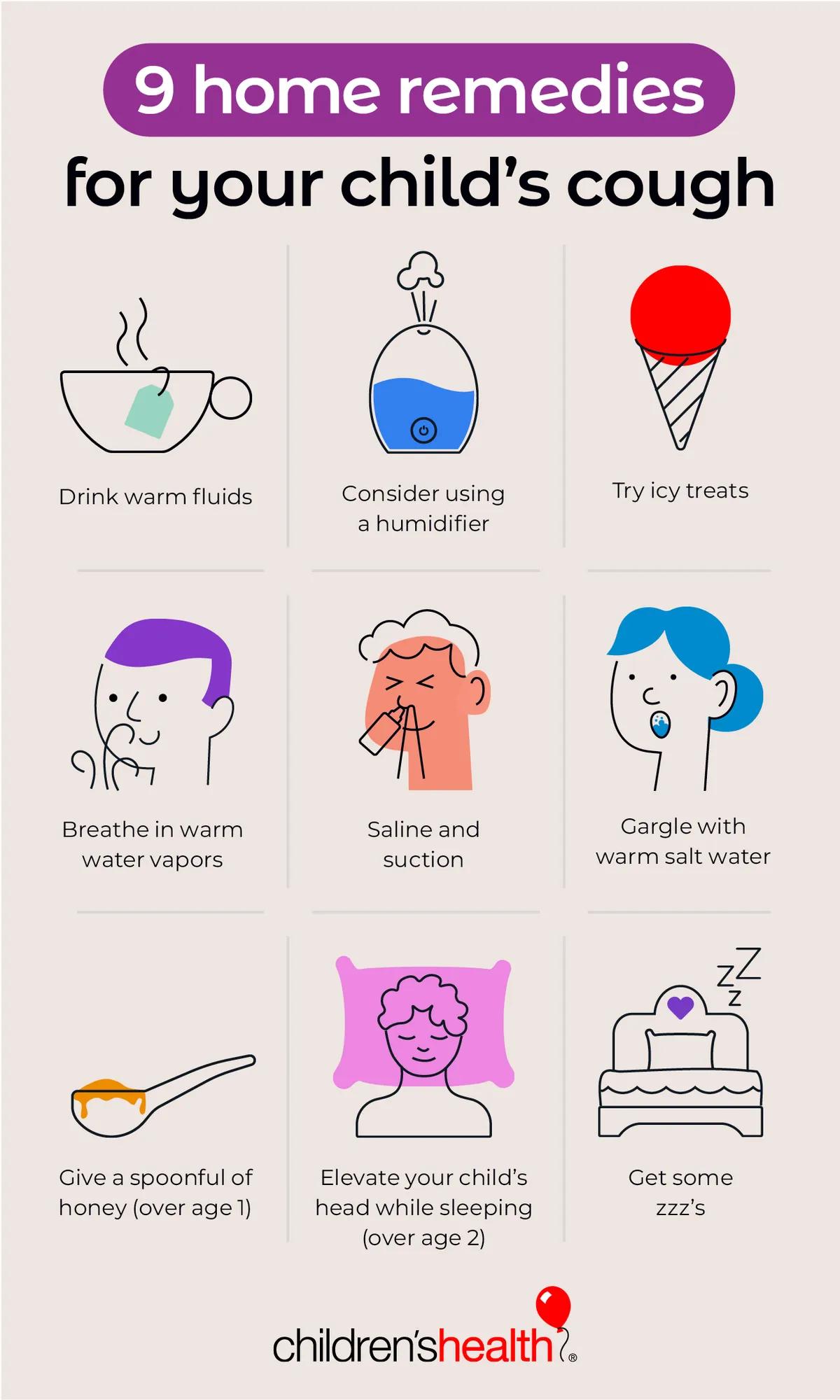
Grasping Why Toddlers Cough
Toddlers cough for many reasons. Most times, it’s from a cold. Colds are caused by tiny germs called viruses. These viruses make mucus in their nose and throat. The cough is your child’s body trying to get rid of this extra mucus or calm an irritated throat.
Other things can cause a cough too, like:
- Other viruses, like the flu or RSV
- Allergies (though less common in toddlers than older kids)
- Something stuck in their throat
- Irritants in the air, like smoke
Knowing why they are coughing helps you figure out the best way to help. But for most common coughs, the care is similar.
Simple Helps for Toddler Coughs
You can do many things at home to ease your toddler’s cough. These are often the safest and best ways to provide natural cough relief toddler needs.
Ensuring Enough Liquids
Giving your toddler plenty of drinks is super important. Coughing can make their throat dry. Drinks help keep their throat moist and thin out mucus. This makes it easier for them to cough it up or swallow it.
- What to give:
- Water
- Milk (if they usually drink it)
- Clear broth
- Toddler-friendly electrolyte drinks (check with doctor first)
- Warm liquids like weak, warm (not hot) apple juice or decaf tea can sometimes soothe a sore throat (ensure it’s not too sweet).
- How to give: Offer small sips often throughout the day. Don’t force them to drink a lot at once if they don’t want to. Every little bit helps.
Making sure they stay hydrated is one of the easiest and most effective home remedies for toddler cough.
Trying Honey (Only for Age 1 and Up)
Honey can be very soothing for a cough, but never give honey to babies under 1 year old. It can cause a serious illness called botulism.
For toddlers over 1 year old:
- Honey coats the throat. This can calm the tickle that causes coughing.
- Some studies show honey can work as well as some over-the-counter cough medicines (which, again, are not for toddlers!).
- Give about half a teaspoon to a teaspoon of honey before bedtime or when the cough is bad.
- You can give it straight or mix it in warm water or decaf tea.
Honey is a popular natural cough relief toddler parents use. Just remember the age rule!
Using a Humidifier
A humidifier for toddler cough is a great tool. It adds moisture to the air. Dry air can make a cough worse. Moist air helps loosen the sticky mucus in your child’s nose and chest. This makes it easier for them to breathe and cough up the mucus.
- What kind: A cool-mist humidifier is best and safest for a child’s room. Warm-mist humidifiers can cause burns if knocked over.
- Where to put it: Put it in your toddler’s bedroom while they sleep or play. Keep it out of their reach.
- Keep it clean: This is very important! Humidifiers can grow mold and bacteria quickly. Clean it every day with water and maybe a little vinegar or bleach (rinse very well afterwards). Using dirty water or a dirty machine can spread germs into the air your child breathes, which is worse! Follow the maker’s cleaning directions.
Using a humidifier for toddler cough, especially at night, can really help ease nighttime coughing fits.
Trying a Steamy Shower
Like a humidifier, steam helps loosen mucus. Taking your toddler into a steamy bathroom can provide quick relief.
- How to do it: Close the bathroom door and turn on the hot shower. Let the room fill with steam. Do not put your child in the shower or hot water. Just sit with them on the floor or on a stool away from the water.
- How long: Stay in the steamy room for about 10-15 minutes.
- After: When you leave, the cooler air might make them cough more at first as the mucus starts to move. This is normal.
A steamy shower toddler cough session can be very helpful, especially if they are very congested or have a barking cough (like croup – see when to worry section). Always supervise your child closely to prevent burns.
Using Saline Drops or Spray
If your toddler’s cough is linked to a stuffy nose (common with cough and cold toddler symptoms), saline drops or spray can help. Saline is just saltwater. It’s safe and helps loosen dried mucus in the nose.
- How to use: Lay your child down and put a few drops or a gentle spray in each nostril.
- Wait: Wait a few seconds.
- Clear the nose: For younger toddlers who can’t blow their nose, you can use a nasal aspirator (bulb syringe or other nasal suction device) to gently suck out the loosened mucus.
Clearing a stuffy nose can sometimes help reduce coughing, especially if the post-nasal drip (mucus running down the back of the throat) is making them cough.
Gentle Chest Rubs
Some gentle chest rubs designed for babies and toddlers can help them feel better. Look for ones made with natural ingredients like petroleum jelly or shea butter with mild scents (like eucalyptus or menthol specifically labeled safe for their age – many are not for toddlers!).
- Be careful: Avoid rubs with strong menthol or camphor for young children. These can be harmful if used too close to the nose or mouth. Read labels carefully and choose products meant for their age group.
- How to use: Rub a small amount on their chest and upper back. The warmth and scent might help them feel a little clearer and more comfortable.
These simple home remedies for toddler cough focus on comfort and helping the body clear the congestion naturally.
Toddler Cough Treatment Approaches
Beyond home remedies, there are other things you can do as part of their overall toddler cough treatment.
Rest is Key
When your toddler is sick, their body is working hard to fight the germs. Getting lots of rest helps their body heal faster.
- Let them sleep as much as they need.
- Quiet play is better than rough play when they are sick.
- Don’t worry too much if their eating is off for a few days, but keep offering drinks.
Rest is a fundamental part of recovery for any illness, including coughs and colds.
Managing Fever or Discomfort
Sometimes a cough comes with a fever or just makes your toddler feel uncomfortable and achy.
- Fever: If your child has a fever and is uncomfortable, irritable, or not acting themselves (and is over 3 months old), you can use children’s acetaminophen (like Tylenol) or children’s ibuprofen (like Motrin or Advil – generally for babies 6 months or older).
- Discomfort: These medicines can also help if they seem sore from coughing or just generally miserable.
- Always check: Make sure you give the right dose based on your child’s weight. Use the dosing tool that comes with the medicine. If you’re unsure, call your doctor.
- Never: Never give aspirin to children because of the risk of a serious condition called Reye’s syndrome.
Treating fever or pain helps your child feel better and rest more easily, which supports their body in fighting the cough.
Avoiding Irritants
Things in the air can make a cough worse. Keep your home free of smoke. Don’t let anyone smoke inside your house or car. If you have a fireplace, make sure the room is well-aired. Strong smells from cleaning products or perfumes can also irritate airways.
Keeping the air clean helps your child’s lungs recover.
Dealing with Toddler Cough at Night
Coughing often gets worse at night. Lying down can cause mucus to pool in the back of the throat, triggering cough fits. Helping a toddler cough at night can be exhausting for everyone. Here are specific things to try:
Boost Nighttime Humidity
Keep that cool-mist humidifier running in their room all night. This is one of the most helpful strategies for toddler cough at night help. Moist air keeps their airways from getting dry and irritated by constant coughing.
Elevate Their Head Safely
Trying to elevate toddler head while sleeping cough can help mucus drain better instead of pooling. However, this must be done safely for toddlers to prevent suffocation risk.
- DO NOT: Do not put pillows in the crib with a young toddler. Pillows are not safe for them to sleep on until they are older and out of a crib.
- Safe options:
- If they sleep in a crib, you can try putting something under the mattress at the head end. Some parents use a firm wedge made for this purpose (check safety standards) or even place books or blocks under the legs at the head of the crib to tilt the whole mattress slightly. The tilt should be small and gradual.
- For older toddlers sleeping in a bed, one small, firm pillow might be okay, but check safety guidelines for their age.
- Sometimes, having them sleep upright in a carrier or in your arms can help when the cough is really bad at night. Only do this while you are awake and supervising. Do not fall asleep with them in an unsafe position.
- A reclined bouncy seat or swing (if you use one and they sleep in it sometimes while supervised) might also help for very short periods while you are awake. These are not safe sleep surfaces for unsupervised or overnight sleep.
- Best safe option for crib: The slight tilt under the mattress is generally considered the safest way to elevate toddler head while sleeping cough in a crib.
Offer Honey Before Bed (Age 1+)
As mentioned earlier, a dose of honey right before tuck-in time can coat the throat and help reduce nighttime coughing for toddlers over one year old.
Comfort and Reassurance
Being sick and coughing, especially at night, can be scary for a toddler. Your calm presence and comfort can make a big difference. Just knowing you are there can help them settle back down after a coughing fit.
Using a combination of these methods can provide effective toddler cough at night help.
Deciphering Different Types of Coughs
Understanding the sound of your toddler’s cough can sometimes give a clue about what’s causing it, though a doctor is the best person to diagnose. Here are common types:
- Dry Cough: Sounds rough, hacking, or like a tickle. Often happens at the start or end of a cold. Can be worse at night.
- Wet Cough: Sounds loose or chesty, like there is mucus. Your child might sound like they are trying to cough something up.
- Barking Cough: Sounds like a seal. Often linked to croup, which causes swelling in the airway below the vocal cords. It can be worse at night and when upset.
- Whooping Cough: A series of coughs followed by a high-pitched “whoop” sound as the child breathes in. This can be a sign of pertussis (whooping cough), a serious illness, even if vaccinated (vaccine isn’t 100% perfect).
- Wheezing: A whistling sound when breathing out. This means the lower airways are tight. It can be caused by asthma, bronchiolitis (especially in babies), or other issues. Wheezing with a cough needs a doctor’s check-up.
While home care helps many coughs, any cough combined with breathing difficulty or other serious symptoms (see “When to Worry”) needs medical attention.
When to Call the Doctor About Toddler Cough
This is a critical part of managing your toddler’s health. While most coughs are from colds and go away on their own, some signs mean you need to get medical help. Knowing when to worry toddler cough is essential.
Call your doctor or seek urgent care if your toddler has a cough and:
- Trouble Breathing: This is the most important sign. Looks like:
- Breathing much faster than usual.
- Their chest sinking in below the ribs or between the ribs when they breathe (called retractions).
- Their nostrils flaring out when they breathe.
- They seem to be working very hard to breathe.
- Blue Lips or Face: This means they aren’t getting enough oxygen. Get help right away.
- High Fever:
- Any fever in a baby under 3 months old needs to be checked by a doctor right away.
- A fever over 102°F (39°C) in an older toddler, especially if they look sick or it doesn’t come down with medicine.
- Coughing up Blood: Or mucus with streaks of blood.
- Making Strange Noises:
- A high-pitched sound when breathing in (stridor), especially after a barking cough. This can mean the airway is very swollen (like with severe croup).
- Wheezing (whistling sound when breathing out) for the first time.
- The “whoop” sound after coughing (like with whooping cough).
- Cough Started After Choking: They might have inhaled something.
- Cough Lasts a Very Long Time: A cough from a cold can last one to two weeks, sometimes even longer. But if it lasts more than 2-3 weeks or gets better and then much worse, call the doctor.
- Seems Very Sick: They are unusually sleepy, very irritable, won’t drink liquids, or don’t want to play at all. Trust your parent gut if something feels wrong.
- Dehydration: Signs include fewer wet diapers, crying without tears, or sunken eyes.
Don’t hesitate to call your doctor’s office if you are unsure or worried about your toddler’s cough or cough and cold toddler symptoms. They can tell you if your child needs to be seen.
Looking at Toddler Cough and Cold Symptoms Together
Coughing often comes with other signs of illness. These cough and cold toddler symptoms can help you understand the full picture:
- Runny nose (clear, white, yellow, or green mucus)
- Sneezing
- Sore throat (they might not say it hurts, but might refuse to swallow or be fussy with food)
- Fever
- Less energy than usual
- Less hungry
- Trouble sleeping
When you see several of these cough and cold toddler symptoms together, it strongly suggests a common cold is the cause of the cough. This is when home remedies for toddler cough are usually the first line of help.
Preventing Coughs (When Possible)
You can’t stop every cough, but you can do things to help your toddler stay healthier:
- Wash Hands Often: This is the best way to stop germs from spreading. Wash hands with soap and water for 20 seconds (sing “Happy Birthday” twice). Wash after sneezing, coughing, using the bathroom, and before eating.
- Avoid Sick People: Try to keep your toddler away from people who are coughing or sneezing.
- Clean Toys and Surfaces: Wipe down toys and surfaces that many children touch, especially during cold and flu season.
- Teach Cough/Sneeze Etiquette: Teach your toddler (and show them!) to cough or sneeze into their elbow, not their hands.
These simple steps can reduce the number of colds and coughs your toddler gets.
Putting It All Together: Toddler Cough Remedies in Action
Helping your toddler with a cough means staying calm and using simple, safe methods. Remember:
- Cough medicines are generally not recommended for toddlers.
- Focus on comfort and helping their body clear mucus.
- Give them plenty of liquids.
- Use steam and humidity (humidifier for toddler cough, steamy shower toddler cough).
- Consider honey (age 1+) for natural cough relief toddler needs.
- Help them rest.
- For toddler cough at night help, try safely elevating their head (elevate toddler head while sleeping cough) and keeping the humidifier on.
- Know the signs for when to worry toddler cough and don’t hesitate to call the doctor if you are concerned about their breathing or how sick they seem.
Most toddler coughs get better with time and gentle care at home. You are doing a great job taking care of your little one!
Frequently Asked Questions (FAQ)
Q: Can I use Vicks VapoRub on my toddler?
A: Products like Vicks VapoRub are usually not recommended for children under age 2. The strong ingredients (like menthol and camphor) can actually irritate their airways and make breathing harder, especially in young children. Some simple, natural rubs designed for babies/toddlers with mild scents might be okay, but always read the label and check with your doctor if unsure.
Q: What about essential oils for cough?
A: Using essential oils with toddlers is tricky. Many essential oils can be harmful if breathed in or put on the skin of young children. Avoid using oils like eucalyptus or peppermint around toddlers, especially near their faces. Stick to safer, proven methods like steam and humidity.
Q: How long does a toddler cough usually last?
A: A cough from a common cold can last for 1-2 weeks, sometimes even longer (up to 3 weeks). It might even get worse before it gets better. As long as your child doesn’t have worrying symptoms like trouble breathing, it’s often just part of the healing process. However, if a cough lasts more than 3 weeks, or gets worse after starting to get better, it’s a good idea to check with the doctor.
Q: Is a cough always a bad thing?
A: No! Coughing is a natural reflex. It’s how the body tries to clear mucus, germs, and irritants from the airways. In many cases, a cough means your child’s body is working to get better. The goal of helping a toddler with a cough is usually to make them more comfortable, not to stop the cough completely.
Q: My toddler is coughing so much they are throwing up. Is this normal?
A: Sometimes, yes. Toddlers can cough so hard or have so much mucus that it makes them gag and throw up. This is especially common at night or after waking up. It can be scary, but if they seem okay afterwards and don’t have other worrying symptoms (like trouble breathing when they aren’t coughing), it might just be because of the strong cough reflex and mucus. Continue with home care and keep an eye out for any warning signs that mean you should call the doctor.