
Is your toddler underweight? It can be a worry for any parent. When your little one seems too thin, or is not growing as much as other kids, it’s natural to feel concerned. An underweight toddler needs careful care to grow strong and healthy. This guide will help you learn why a toddler might be underweight and give you clear steps to help your child gain weight in a healthy way. We will talk about what to feed them, how to make meal times easier, and when to ask a doctor for help.
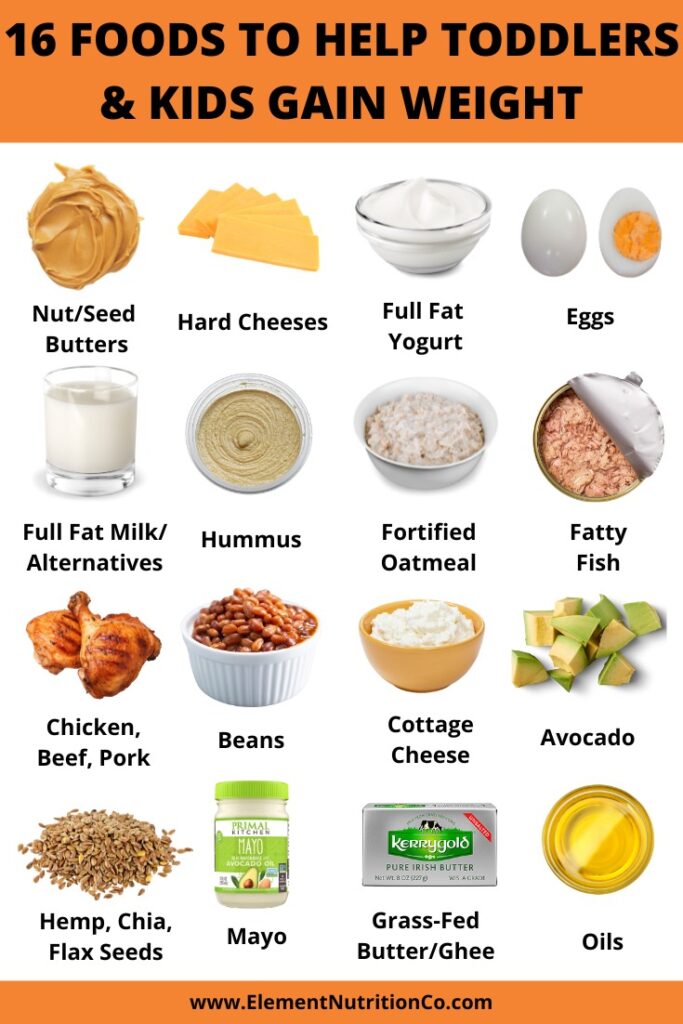
Image Source: www.elementnutritionco.com
Knowing About Underweight Toddlers
Seeing your child grow well is a joy. So, if your toddler is not gaining weight, it can be scary. What does “underweight” even mean for a toddler?
Toddlers grow in bursts. Their weight and height change over time. Doctors use growth charts to check if a child is growing well. These charts show the average growth for boys and girls. If your child’s weight falls below a certain line on these charts (often the 5th percentile), they might be underweight. This means they weigh less than 95 out of 100 children their age.
But a number on a chart is just one piece of the puzzle. A child who is active and happy may be fine even if they are lean. A child who is often sick, low on energy, or seems much smaller than their friends might need more help. It’s always best to talk to your child’s doctor if you have any worries about their growth. They can tell you for sure if your toddler is underweight and why.
Finding Out Why Your Toddler Is Underweight
Many things can cause a toddler to be underweight or to have slow weight gain. It’s not always because they don’t eat enough. Sometimes, a health issue is at play. Other times, it’s about how much they eat and how much energy they use.
Medical Reasons for Slow Weight Gain
Sometimes, a medical problem makes it hard for a child to gain weight. These issues can stop the body from taking in food well. Or they can make the body use up energy too fast.
- Digestive problems: Some kids have problems like celiac disease or Crohn’s disease. Their bodies can’t take in nutrients from food. This can make them thin.
- Food allergies or sensitivities: An allergy to milk or other foods can make a child sick. This can lead to poor eating and weight loss.
- Metabolism issues: A child might burn calories too fast. This means they need more food than other kids to grow.
- Chronic sickness: Kids who are often sick with colds, ear infections, or other health problems may not eat well. Being sick also uses up energy, making it hard to gain weight.
- Worms or parasites: Less common, but these can steal nutrients from the child’s body.
- Hormone issues: Rarely, problems with certain hormones can affect growth.
If your child is often sick, has tummy pain, or does not grow well, talk to your doctor. They can check for these health problems.
Picky Eating and Not Eating Enough
This is a very common reason for slow toddler weight gain. Many toddlers go through a picky eating phase. They might refuse foods they liked before. They may only want to eat a few types of food.
- Small appetites: Some toddlers simply don’t feel hungry very often. They eat small amounts.
- Distracted eating: Toddlers get easily distracted. They might stop eating to play or look around.
- Too many drinks: Giving too much milk or juice can fill up a toddler’s tummy. Then, they are not hungry for food.
- Fear of new foods: Toddlers often dislike new foods. They might even fear them. This is called neophobia.
- High energy levels: Some toddlers are very active. They run, jump, and play all day. This burns many calories. If they don’t eat enough to match this energy, they can stay thin.
It is important to remember that most picky eaters are healthy. They will grow fine. But if picky eating is causing slow weight gain, we need to try new ways to help them eat more.
Ways to Help Toddler Gain Weight
Helping a toddler gain weight needs patience. It means making sure they eat enough good food. It also means making meal times fun and calm. Here are key toddler weight gain strategies.
Making Food Work for Weight Gain
The goal is to offer high calorie toddler foods and nutrient dense meals for toddlers. These foods pack a lot of good stuff into small bites.
High Calorie Toddler Foods
You want foods that give a lot of energy. This means foods rich in healthy fats and good carbs.
- Full-fat dairy: Whole milk, full-fat yogurt, cheese, and butter. These are great for adding calories.
- Avocado: Creamy and full of healthy fats. Mash it, slice it, or add it to smoothies.
- Nuts and nut butters: Peanut butter, almond butter. Spread on toast or fruit. Make sure nuts are ground for safety for toddlers.
- Dried fruits: Raisins, apricots, dates. These are sweet and calorie-dense. Cut them small to avoid choking.
- Whole grains: Oats, whole wheat bread, pasta, brown rice. These give lasting energy.
- Legumes: Beans, lentils. Good source of protein and calories.
- Certain fruits: Bananas, mangoes. They have more calories than berries or melons.
- Potatoes and sweet potatoes: Full of good carbs.
Nutrient Dense Meals for Toddlers
These meals give a lot of vitamins, minerals, and calories. They are not just empty calories.
- Smoothies: A great way to hide healthy fats and protein.
- Mix whole milk or full-fat yogurt.
- Add banana, avocado, or nut butter.
- Add a handful of spinach (they won’t taste it!).
- Fortified oatmeal: Cook oatmeal with whole milk instead of water. Stir in butter, nut butter, or cream. Add chopped dried fruit.
- Pasta with creamy sauces: Use whole wheat pasta. Make a sauce with cheese, butter, or cream. Add finely ground meat or veggies.
- Cheese and crackers: Choose whole grain crackers.
- Baked goods with added goodness: Muffins or pancakes made with whole wheat flour. Add banana, pumpkin, or apple sauce. Add nut butter or chia seeds.
- Soups and stews: Cook with broth. Add butter or oil to the broth. Add meat, beans, and lots of veggies.
Here is a simple table of nutrient-dense food additions:
| Food Category | High-Calorie Additions | How to Use |
|---|---|---|
| Dairy | Whole milk, cream, full-fat yogurt, cheese, butter | Use in drinks, on cereal, in cooking, as snacks |
| Fats/Oils | Olive oil, avocado oil, butter, coconut oil, avocado | Drizzle on food, cook with, mash into foods |
| Nut Butters | Peanut butter, almond butter, cashew butter | Spread on toast, mix into oatmeal, in smoothies |
| Grains | Whole wheat pasta, oats, brown rice, whole grain bread | Serve as main dish, hot cereal, toast |
| Fruits | Bananas, mangoes, dried fruits (raisins, dates, apricots) | Snacks, mix into yogurt, in smoothies |
| Veggies | Potatoes, sweet potatoes, corn, peas | Mash with butter/cream, roast with oil |
| Protein | Ground meat, chicken, fish, beans, lentils, eggs | Add to sauces, soups, serve as main protein |
Healthy Fats for Toddlers
Fats are super important for toddlers. They give lots of energy. They also help the body take in vitamins. Focus on good, healthy fats.
- Avocado: As mentioned, it’s a star!
- Olive oil and avocado oil: Drizzle these on cooked veggies, pasta, or bread. Cook with them.
- Nut and seed butters: Good fats, plus protein.
- Full-fat dairy: Cream, butter, whole milk, whole milk yogurt, cheese.
- Fatty fish: Salmon, tuna (in moderation due to mercury). These have omega-3s, which are good for the brain.
- Eggs: The yolk has good fats.
Do not be afraid to add extra healthy fats to your toddler’s meals. A pat of butter in oatmeal, a swirl of olive oil on pasta, or a spoonful of cream in soup can add many calories without making the portion too big.
Protein Rich Foods for Toddlers
Protein helps build muscles and tissues. It is also needed for growth.
- Meat: Chicken, beef, turkey, fish. Ground meat is easy for toddlers to eat.
- Eggs: Scrambled, boiled, or in an omelet. A quick and easy protein source.
- Dairy products: Milk, yogurt, cheese.
- Legumes: Beans (black beans, kidney beans), lentils, chickpeas. Great in stews or mashed.
- Nut butters: Provide protein and healthy fats.
- Tofu: Can be added to stir-fries or mashed.
Aim to include a protein source at every meal and snack.
Increasing Toddler Calorie Intake
This is the main goal. It’s about getting more calories into your child’s body in a good way.
- Add extra fats: This is the easiest way. Put extra butter, oil, or cream in foods.
- Make “super” snacks: Snacks should be mini-meals. They should have calories and nutrients.
- Yogurt with fruit and nut butter.
- Cheese sticks.
- Avocado slices.
- Small sandwiches with avocado or peanut butter.
- Hard-boiled eggs.
- Offer small, frequent meals: Toddlers have small tummies. Three big meals might be too much. Offer 5-6 smaller meals or snacks throughout the day.
- Avoid filling drinks before meals: Give milk or juice after a meal. Water is best between meals. Too much milk or juice can fill them up, leaving no room for food.
- Boost drinks: If your child loves milk, make it better. Add a scoop of full-fat ice cream, a banana, or a spoonful of peanut butter to their milk. This makes it a high-calorie drink.
- Don’t dilute foods: Do not add water to purees or soups to make them go further. This lowers the calories.
- Prioritize solid food: Offer solids first, then drinks.
An Underweight Toddler Diet Plan (Example)
Here is a sample day for a toddler who needs to gain weight. Remember to adjust portion sizes to your child’s age and hunger. This is an example, not strict rules.
| Meal Time | Food Choices | Key Additions for Calories/Nutrients |
|---|---|---|
| Breakfast | Full-fat yogurt with fruit and oats | Add chia seeds, flax seeds, a spoon of nut butter. |
| Scrambled egg with cheese | Cook with butter or oil. Add a slice of avocado. | |
| Whole-wheat toast | Spread with butter or cream cheese. | |
| Mid-morning Snack | Whole milk | Add a spoon of ovaltine or cocoa powder. |
| Cheese cubes or string cheese | Serve with a few whole-grain crackers. | |
| Banana or sliced mango | ||
| Lunch | Chicken and veggie mini-meatballs | Use ground chicken with grated veggies. Cook in oil. |
| Brown rice | Stir in a pat of butter. | |
| Steamed green beans | Toss with a little olive oil. | |
| Afternoon Snack | Avocado slices | Serve plain or with a squeeze of lime. |
| Full-fat cottage cheese | Top with cut-up dried fruit (raisins/apricots). | |
| Dinner | Whole wheat pasta with meat sauce | Use ground beef/turkey. Add cheese and a swirl of olive oil to sauce. |
| Peas and corn | Cook with butter. | |
| Bedtime Snack | Warm whole milk | With a small amount of whole-grain cereal. |
| Small piece of whole-grain bread | Spread with nut butter or cream cheese. |
This plan focuses on including high-calorie, nutrient-dense items at every eating opportunity.
Feeding Strategies for Picky Eaters
Picky eater toddler weight challenges are common. You need to be smart and calm. Don’t make meal times a battle.
Toddler Appetite Tips
- Set a schedule: Offer meals and snacks at regular times. This helps a child know when to expect food. It also builds hunger.
- Limit snacks: Don’t let your child graze all day. This makes them less hungry at meal times.
- Water between meals: Offer only water between meals. This saves tummy space for food.
- Avoid pressure: Don’t force your child to eat. Don’t beg or bribe. This can make them dislike food even more.
- Make it fun: Cut food into fun shapes. Use colorful plates.
- Involve them: Let your child help prepare food. They might be more likely to eat something they helped make.
- Eat together: Sit down and eat with your child. Kids learn by watching.
- New foods with old favorites: Offer a tiny bit of a new food next to a food they love. Don’t expect them to eat it right away.
- Offer choices: Give two healthy options. “Do you want carrots or peas?” This gives them control.
- Be patient: It can take many tries (10-15 or more!) for a child to accept a new food. Keep offering.
Picky Eater Toddler Weight Solutions
For a picky eater who is underweight, special tactics are needed.
- “Sneak” in calories: Add healthy fats and nutrient-dense foods to things they already like.
- Add avocado or nut butter to smoothies.
- Mix cream cheese or sour cream into mashed potatoes.
- Stir pureed veggies into pasta sauces.
- Add ground meat or beans to soups.
- Focus on small portions: A big plate of food can feel too much. Give small amounts. They can always ask for more.
- One meal, one family: Don’t make separate meals. Offer what the family is eating. If they don’t eat it, they wait until the next meal/snack.
- Calm meal times: Turn off the TV. Remove toys. Make the table a peaceful place to eat.
- The “division of responsibility”: You, the parent, decide what and when food is offered. Your child decides how much they eat (or if they eat at all). This takes the pressure off everyone.
- High-chair policy: Keep toddlers in their high chair or at the table for meals. This helps them focus on eating. If they get down, mealtime is over.
Slow Toddler Weight Gain Solutions
When weight gain is slow, it means the balance of energy in and energy out is off. We need to boost the “in” side.
- Review their daily food intake: Write down everything your child eats for a few days. You might be surprised at how little (or how much!) they are truly eating. This also helps you find places to add more calories.
- Consider portion sizes: Are you giving them enough food? Toddlers need more than you might think, especially if they are very active.
- Hydration check: Is your child drinking too much water or milk? Water is good, but too much can fill them up before meals. Limit milk to 16-24 ounces (2-3 cups) per day for toddlers.
- Movement vs. food: Is your child running around all day? This burns a lot of calories. Make sure they are eating enough to fuel this energy.
- Consistency is key: These changes won’t work overnight. Stick to a plan for weeks or months.
- Get professional help: If you’re still worried or not seeing results, talk to your child’s doctor. They might suggest seeing a dietitian.
When to Seek Expert Help
You are your child’s best advocate. If you have concerns about your toddler’s weight, don’t wait.
Red Flags to Watch For
- No weight gain for months: If your child’s weight line on the growth chart is flat or going down.
- Loss of weight: Any unplanned weight loss needs a doctor’s visit.
- Lack of energy: If your child seems unusually tired, sleepy, or has little desire to play.
- Frequent illness: If your child is sick often and it affects their eating.
- Digestive issues: Ongoing tummy pain, vomiting, diarrhea, or constipation.
- Very limited diet: If your child eats fewer than 10 different foods.
- Developmental delays: Not meeting other milestones like talking or walking on time.
Role of Doctors and Dietitians
Your pediatrician is the first person to talk to. They can:
- Check growth charts: See how your child is growing over time.
- Do a health check: Rule out any medical problems.
- Give first steps: Offer basic advice on feeding and nutrition.
If needed, your doctor might send you to a pediatric dietitian. This is a food expert for kids. A dietitian can:
- Look closely at your child’s diet: Find out what they are eating and missing.
- Make a custom plan: Create a special diet plan just for your child. This plan will have high-calorie, nutrient-rich foods.
- Help with picky eating: Give you new ideas for helping your picky eater.
- Teach you about food: Help you learn how to boost calories and nutrients in everyday meals.
- Offer support: Give you guidance and peace of mind.
Sometimes, a feeding therapist might be needed. They help kids who have trouble eating due to mouth issues or very strong food dislikes.
Final Thoughts on Helping Your Toddler Gain Weight
Helping a toddler gain weight is a journey. It needs patience, love, and smart choices. Remember, your goal is to offer good, healthy food. Your child decides how much they eat. Focus on making meal times a positive experience. Avoid pressure and battles over food.
By using high calorie toddler foods, making nutrient dense meals for toddlers, and using smart toddler weight gain strategies, you can help your child grow. Remember to include healthy fats for toddlers and protein rich foods for toddlers. Find ways of increasing toddler calorie intake in fun ways. Use good toddler appetite tips and specific picky eater toddler weight solutions. If slow toddler weight gain solutions are still needed, don’t hesitate to ask for help from your doctor or a dietitian. With the right care, your little one can thrive and reach a healthy weight.
Frequently Asked Questions (FAQ)
Q1: How much whole milk should my toddler drink if they are underweight?
A1: For toddlers, aim for 16 to 24 ounces (about 2 to 3 cups) of whole milk per day. More than this can fill them up too much. It might make them eat less food.
Q2: Can I give my toddler supplements to help them gain weight?
A2: Always talk to your child’s doctor or a dietitian first. Some special drinks or powder mixes are made for kids to help them gain weight. But they should only be used if a doctor says it’s okay. Food should always come first.
Q3: My toddler is very active. Does this mean they need more food?
A3: Yes! Very active toddlers burn more calories. They need more food to keep up with their energy use. Make sure their meals and snacks are packed with healthy fats and protein.
Q4: How long does it take for a toddler to gain weight?
A4: Weight gain is often slow and steady. You might not see big changes right away. It can take weeks or even months to see a good trend on the growth chart. Be patient and keep trying. Small gains are still good.
Q5: What if my toddler refuses all the high-calorie foods I offer?
A5: Keep offering. It can take many tries for a toddler to accept new foods. Try to offer new foods with foods they already like. Don’t force them. Try different ways to serve the food. For example, some kids like avocado mashed, others like it sliced. If they really refuse, try to hide calories in foods they do eat, like adding butter to their favorite pasta.