
How can you help your toddler stop coughing quickly? While you can’t always make a cough disappear instantly, you can do a lot to help your little one feel much better and ease their cough faster. Coughs are very common in toddlers, often caused by simple things like a cold. The good news is there are many gentle, safe things you can do at home to bring relief and help your toddler cough less.
Coughing is actually a good thing. It helps clear stuff from your child’s airways. But it can be hard for them, especially when it makes them feel tired or keeps them awake. This guide will share simple, safe ways to comfort your toddler and help them get rid of that cough.
Image Source: assets.childrens.com
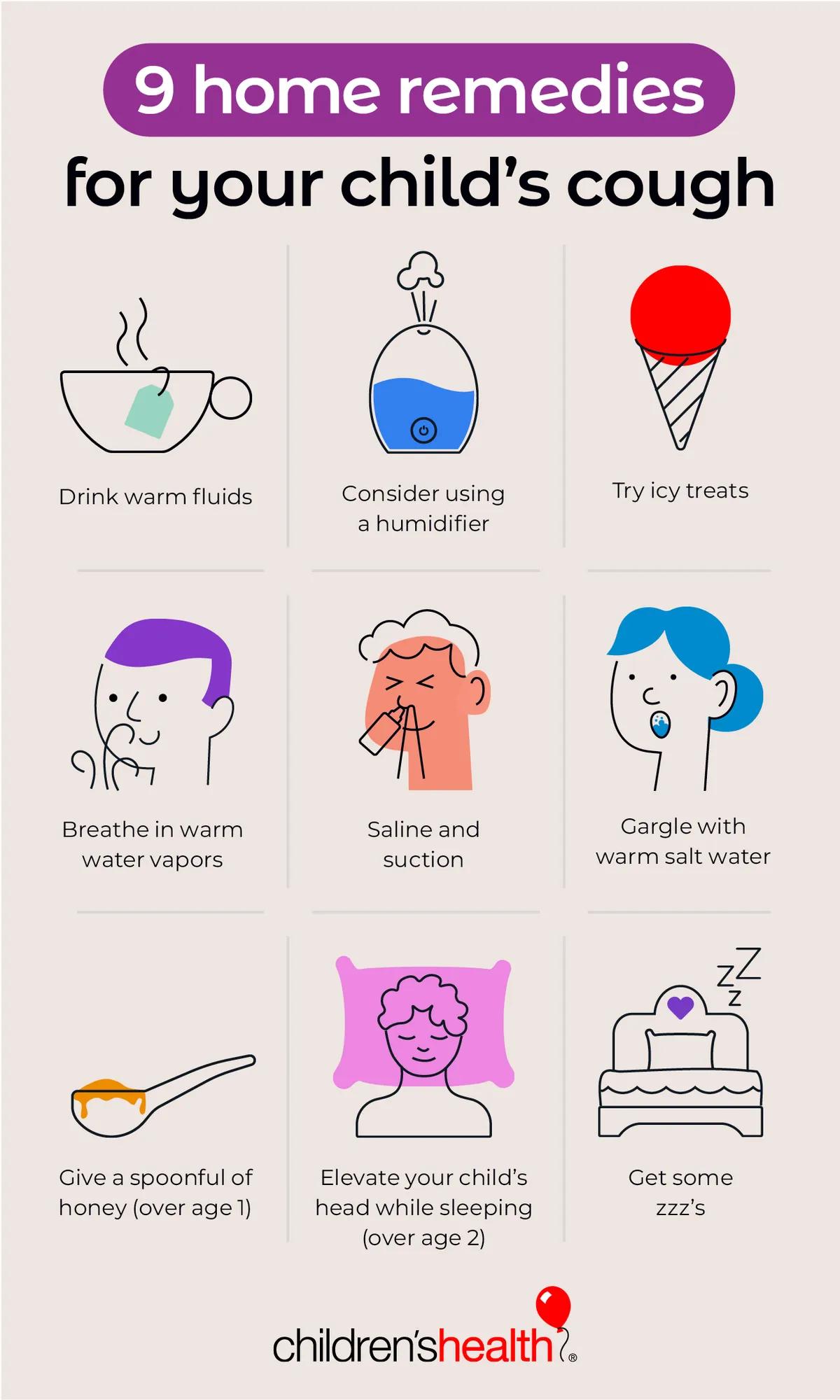
Why Your Toddler Coughs
It helps to know why toddlers cough. It’s usually their body’s way of clearing their throat or chest. Most coughs in toddlers are caused by simple things.
Common Reasons for Coughs
- Colds and Flu: These are the most common reasons. Viruses infect the nose, throat, and lungs. This makes mucus. The cough helps get the mucus out.
- Allergies: Like pollen, dust, or pet dander. These can irritate the airways and cause coughing. This cough often happens with a runny nose and itchy eyes.
- Irritants in the Air: Things like smoke (even from clothes), strong smells, or pollution can bother their airways and cause a cough.
- Postnasal Drip: This happens when mucus from the nose and sinuses drips down the back of the throat. It tickles and causes coughing, especially when lying down. This is a very common cause of cough, especially at night.
- Small Objects: Sometimes a toddler might breathe in a tiny piece of food or a small toy part. This can cause sudden, strong coughing as their body tries to push it out. This is serious and needs fast help.
- Less Common Causes: Sometimes coughs can be from things like asthma, whooping cough (pertussis), or other health issues. These need a doctor’s care.
Knowing the cause can help you choose the best ways to help. But often, the cause is just a simple cold.
Knowing When to Get Help
Most toddler coughs are not serious. They get better on their own. But sometimes, a cough is a sign of something that needs a doctor’s help. It’s important to know when to worry about toddler cough.
Important Signs to Watch For
Call your doctor or get medical help right away if you see any of these signs:
- Trouble Breathing:
- Breathing very fast.
- Breathing that looks hard or like they are pulling in their chest below the ribs (called retractions).
- Their nose opens wide with each breath.
- They grunt when they breathe.
- They can’t talk or cry normally because they are trying to breathe.
- Changes in Color: Their lips, tongue, or face look blue or gray. This means they are not getting enough oxygen.
- Strange Sounds:
- A high-pitched sound when they breathe in after coughing (like a “whoop”). This can be a sign of whooping cough or croup.
- A wheezing sound (a whistling noise) when they breathe out. This can be a sign of asthma or problems in the lower airways.
- A harsh, barking cough. This is often a sign of croup.
- High Fever: A fever over 104°F (40°C) in a toddler, or any fever in a very young baby, needs medical attention.
- Cough After Choking: If the cough started suddenly after eating or playing with small things, they might have breathed something in.
- Coughing Up Blood: This is rare but serious.
- Cough That Lasts a Long Time: A cough that doesn’t get better after 2-3 weeks should be checked by a doctor.
- Seems Very Sick: If your toddler is very tired, not playing, not drinking, or just doesn’t seem right.
If you are ever worried about your toddler’s cough, it is always okay to call your doctor or nurse for advice. They can help you decide if your child needs to be seen.
Simple Ways to Ease the Cough
Once you know the cough is likely from a common cold or something not serious, you can use gentle ways to make your toddler feel better. These are toddler cough remedies that focus on comfort and helping their body do its job. Many of these are natural cough relief for toddlers.
Keeping Air Moist
Dry air can make coughs worse. Adding moisture to the air can help loosen mucus and soothe irritated airways.
Using a Humidifier
A humidifier adds water vapor to the air. This helps thin the mucus in your toddler’s nose and chest. Thinner mucus is easier to cough up or blow out.
- Which Kind? Cool-mist humidifiers are best for kids. Warm-mist humidifiers can cause burns if a child gets too close or knocks it over.
- Where to Put It? Place the humidifier in your toddler’s room, close to their bed but out of reach.
- Keep it Clean: This is very important! Humidifiers can grow mold and bacteria quickly. Clean it every day with water and soap. Clean it weekly with vinegar or a cleaner made for humidifiers to kill germs. Use fresh water each time. Do not let water sit in it for a long time. Germy mist can make your child sicker.
- When to Use It? Use it especially at night to help with home remedies for toddler cough at night. You can also use it during the day if the air is dry.
Using a humidifier for toddler cough can make a big difference in how they feel and how well they sleep.
Steamy Bathroom Air
If you don’t have a humidifier, or even if you do, a short time in a steamy room can help.
- How to Do It: Close the bathroom door. Turn on the hot shower or bath. Let the room fill with steam.
- Stay Safe: Do NOT put your toddler in the hot water or let them touch it. Sit with them on a stool outside the tub.
- How Long? Stay in the steamy room for 10-15 minutes.
- When to Do It? This can be helpful before bedtime to help them settle down for sleep, or anytime they have a lot of stuffiness.
Using a steamy shower for toddler cough helps open up their airways and loosens mucus quickly. Be sure to supervise them closely.
Offering Gentle Comfort
Simple drinks and sweet treats (for kids over 1) can coat the throat and help ease the tickle that makes them cough.
The Magic of Honey (Ages 1+)
Honey is a well-known natural remedy for coughs. It works by coating the throat, which helps soothe the irritation that causes coughing.
- Important Age Limit: Never give honey to babies under 1 year old. Honey can contain bacteria that are harmful to young babies (infant botulism). It is safe for toddlers over 1.
- How Much to Give: A small amount is usually enough. About half a teaspoon to one teaspoon.
- How to Give It:
- Give it straight from a spoon.
- Mix it in a small amount of warm water (not hot).
- Mix it into warm milk (though milk can sometimes thicken mucus for some kids, so warm water or a clear liquid might be better).
- Add it to a warm, decaf tea (like chamomile) if your toddler drinks tea.
- When to Give It: Giving honey before bedtime can be very helpful for home remedies for toddler cough at night. You can also give it during the day as needed.
Studies show honey can work as well as some cough medicines for easing coughs in children over 1. It’s a great choice for natural cough relief for toddlers. Integrate: honey for toddler cough.
Warm Drinks
Warm liquids can help soothe a sore or tickly throat and also help thin mucus.
- Good Choices:
- Warm water (plain or with a tiny bit of lemon, if they like it).
- Clear broths (like chicken broth, low sodium).
- Warm apple juice (diluted with water).
- Decaf tea (like chamomile), maybe with a little honey (ages 1+).
- How to Give It: Offer small sips often throughout the day.
- Amount: Toddlers don’t need large amounts at once. A few ounces at a time is fine.
Make sure the drinks are warm, not hot, to avoid burns. Keeping them hydrated with warm drinks helps soothe their airways and can help with toddler chest congestion remedies by keeping mucus thin.
Clearing Stuffy Noses
Postnasal drip (mucus dripping down the throat) is a major cause of coughing, especially at night. Clearing their nose can really help the cough.
Saline Nasal Drops or Spray
Saline is just salt water. It is safe and helps thin mucus in the nose, making it easier to come out.
- How to Use: Lay your toddler on their back. Put 2-3 drops of saline in each nostril. Wait a few seconds.
- After Saline: Encourage your toddler to blow their nose if they can. Most toddlers can’t blow their nose well until age 2 or 3.
- For Younger Toddlers: Use a nasal suction bulb or aspirator after the saline drops.
Nasal Suction
Using a bulb syringe or other nasal aspirator (like a NoseFrida) helps remove the loosened mucus from their nose.
- How to Use a Bulb Syringe: Squeeze the air out of the bulb. Gently place the tip just inside the nostril. Let go of the bulb to suck out the mucus. Clean the syringe well after each use.
- When to Use: Use before feeding, before sleep, and anytime their stuffy nose seems to be making them cough.
- Expect Resistance: Many toddlers don’t like this! Try to make it a quick, gentle process. Showing them on a doll or stuffed animal first might help.
Clearing the nose helps reduce the amount of mucus dripping down the throat, which is a key part of home remedies for toddler cough at night and helps with overall toddler chest congestion remedies.
Helping Them Sleep Better
Coughs often seem worse at night because lying flat causes mucus to pool in the throat. Helping them sleep can make a big difference for a coughing toddler.
Propping Up the Head
Raising your toddler’s head slightly can help gravity drain mucus better and ease nighttime coughing.
- Safe Way: Do NOT use pillows in the crib with a young toddler (it’s a suffocation risk). The safest way is to place a firm wedge or pillow under the mattress at the head of the bed. For toddlers in a regular bed, an extra pillow under their head might be okay, but ensure they can move freely.
- Other Options: If using a crib, you can also try putting blocks or books under the crib legs at the head end. Make sure the crib is still stable and not too tilted.
Elevating the head helps with home remedies for toddler cough at night by reducing postnasal drip that triggers coughing.
Humidifier at Bedtime
As mentioned before, running a cool-mist humidifier in their room all night can keep their airways moist and soothe irritation, helping them sleep more soundly. Integrate: humidifier for toddler cough.
Toddler Chest Congestion Remedies
When a cough sounds heavy or wet, it means there’s mucus in their chest. Helping them get this mucus out is key.
- Keep Them Hydrated: Giving plenty of liquids (water, warm clear fluids) helps thin the mucus in their chest, making it easier to cough up.
- Use Steam and Humidity: As discussed, humidifiers and steamy bathrooms help loosen chest mucus.
- Saline and Nasal Suction: Even though the mucus is in the chest, it often starts with a stuffy nose and postnasal drip. Clearing the nose helps reduce the amount of mucus moving into the airways.
- Gentle Chest Rubs: Some parents use gentle chest rubs. Be very careful with products containing menthol or camphor, as they can be harmful to young children. Look for natural rubs designed specifically for babies and toddlers (often with eucalyptus or rosemary, but check age limits carefully). Rub a tiny amount on their chest or back. Always check with your doctor before using any new product.
- Encourage Movement: Gentle play or tummy time (for younger toddlers) can sometimes help loosen mucus in the chest.
Using a combination of these methods can help with toddler chest congestion remedies.
Putting Remedies Together
Many effective toddler cough remedies focus on these simple steps:
- Moisture: Keep the air moist (humidifier, steam).
- Hydration: Give plenty of clear liquids (water, warm drinks).
- Clear the Nose: Use saline and suction for stuffiness.
- Soothe the Throat: Honey (if over 1), warm drinks.
- Positioning: Prop up their head for sleep.
These natural cough relief for toddlers methods help them feel better without medicine.
Things Not to Give for Coughs
Just as important as knowing what to do is knowing what not to do. Some things that seem helpful are not safe or effective for toddlers.
Why Avoid Cough Syrups?
Over-the-counter (OTC) cough and cold medicines (like cough syrups and decongestants) are not recommended for toddlers and young children.
- They Don’t Work Well: Studies show they don’t really help ease coughs in young children.
- They Can Be Harmful: They can have serious side effects in toddlers, such as slowing breathing, speeding up heart rate, or even causing seizures. Accidental overdose is also a risk.
Health experts, including the FDA, strongly advise against using these medicines for children under age 4. For children ages 4 to 6, ask your doctor before using them.
Integrate: cough syrup alternatives for toddlers are the gentle methods discussed earlier: honey, steam, humidifier, saline, and fluids. These are safer and often more effective for a toddler’s cough.
Other Things to Skip
- Adult Medications: Never give your toddler medicine made for adults.
- Giving Milk if Cough is Mucusy: Some people find milk can make mucus thicker. If your child has a lot of wet cough and stuffiness, you might try offering water or juice instead of milk when their cough is bad. However, ensure they still get enough to drink overall.
- Sharing Medicine: Never give your toddler medicine prescribed for someone else.
- Vapor Rubs with Strong Ingredients: As mentioned before, be very careful with chest rubs containing strong ingredients like camphor or menthol. Use products made specifically for toddlers and check age recommendations, or stick to simple methods like warm compresses.
Keeping Coughs Away
While you can’t stop every cough, you can take steps to help your toddler stay healthy and reduce the number of times they get sick.
Simple Prevention Steps
- Wash Hands Often: This is the best way to stop germs from spreading. Wash hands with soap and water for at least 20 seconds. Teach your toddler how to wash their hands well. Wash hands when you come home, before eating, after using the bathroom, and after coughing or sneezing.
- Avoid Sick People: Try to keep your toddler away from people who are sick with colds or the flu.
- Clean Toys and Surfaces: Clean toys and surfaces that your toddler touches often, especially if someone in the house has been sick.
- Healthy Food and Sleep: A healthy body is better at fighting off germs. Make sure your toddler eats balanced meals and gets enough sleep.
- Flu Shot: Get a yearly flu shot for your toddler (if they are old enough). This can prevent the flu or make it less severe if they do get it.
Preventing illness helps prevent the coughs that come with them.
Questions Parents Ask
Here are answers to some common questions about toddler coughs.
How long does a toddler cough usually last?
A cough from a cold can last for quite a while. It might be worst for the first few days, but a cough can sometimes linger for 2-3 weeks, or even longer, even after other cold symptoms are gone. As long as it’s getting slowly better and there are no warning signs, it’s usually okay.
Is a wet cough better than a dry cough?
Both types of coughs happen with colds. A dry cough is often at the start or end of an illness or from irritation. A wet cough means there is mucus. A wet cough is helping to clear the mucus out. Neither is necessarily “better” than the other, but they mean slightly different things are happening in the airways.
Can I use a chest rub on my toddler?
Use caution. Many adult chest rubs are too strong for toddlers. Look for products made specifically for babies or toddlers and read the labels carefully for age limits and ingredients. Simple warm compresses on the chest or back might be a safer option. Always ask your doctor before using any chest rub on a young child.
My toddler coughs more when they lie down. Is this normal?
Yes, this is very common. It’s often due to postnasal drip. When they lie flat, mucus from the nose and sinuses drips down the back of the throat, causing irritation and coughing. Using a humidifier, saline drops, and propping up their head at night can help a lot. This is a key part of home remedies for toddler cough at night.
What if my toddler throws up from coughing?
Sometimes a strong coughing fit, especially with lots of mucus, can make a toddler gag or throw up. This can be alarming, but if they seem okay afterward and are breathing normally, it’s often just from the coughing effort or clearing mucus. Offer sips of water after they throw up. If they throw up often from coughing, or it happens with warning signs, call your doctor.
Can allergies cause a cough?
Yes, allergies can cause a cough. This cough is often dry or tickly and might happen at certain times of the year (like pollen season) or around certain things (like pets or dust). Treating the allergies (with doctor-recommended methods) is the best way to help this type of cough.
Should I wake my toddler up to give them medicine for their cough?
No. Toddlers need sleep to get better. Since OTC cough medicines aren’t recommended anyway, there’s no need to wake them. Focus on comfort measures like a humidifier and propping their head up to help them sleep through the cough. If you use honey (ages 1+), give it just before they go to sleep.
Feeling Better Soon
Seeing your toddler cough can be hard for any parent. The good news is that most coughs are not serious and get better with time. By using simple, safe toddler cough remedies like keeping the air moist with a humidifier, offering warm drinks and honey (if over 1), clearing stuffy noses with saline, and helping them sleep better by propping up their head, you can provide natural cough relief for toddlers.
Remember to avoid cough syrups and other strong medicines not made for young children. Pay close attention to how your toddler is breathing and if they show any warning signs. If you are ever worried or if the cough gets worse or doesn’t get better, call your doctor.
With comfort, care, and a little time, your little one should be feeling better and coughing less soon.