
Image Source: lookaside.fbsbx.com
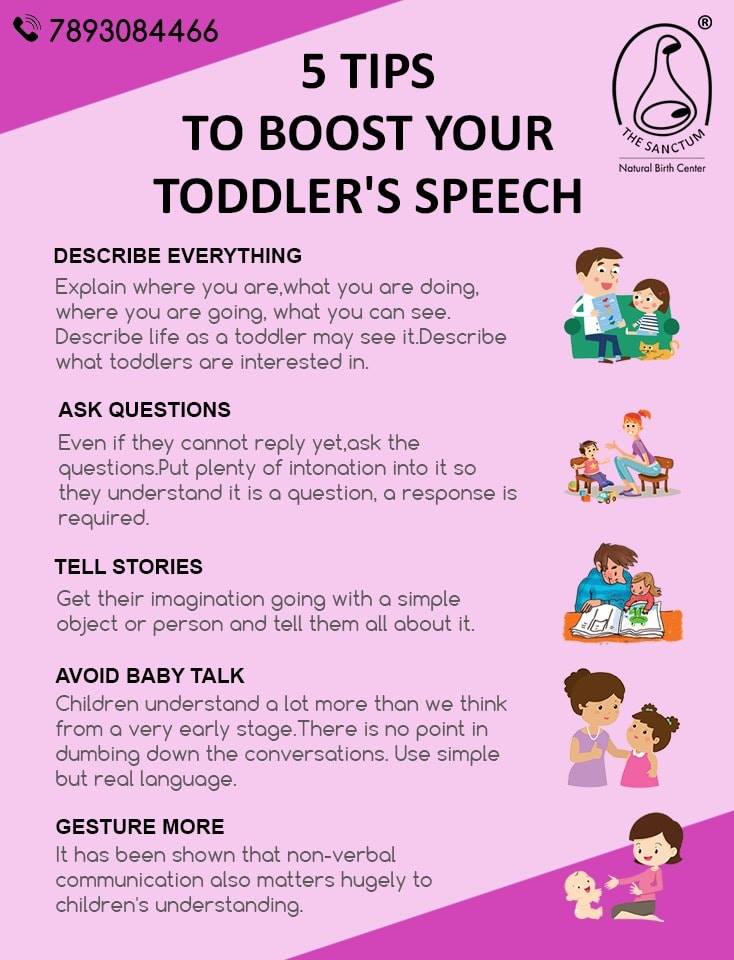
Milestone Magic: How To Help Toddler Talk Sooner
Do you want to help your toddler talk more? Can you make a big difference in their speech journey? What is speech development in toddlers? Speech development is how young children learn to make sounds and use words. It is how they share their ideas. It is how they understand others. You can help your toddler talk more. You can help them build strong language skills. We will show you how. We will give you simple ways to help. If your toddler is not talking, experts can help. A speech therapist is one such helper. We will tell you when to find one.
Talking is exciting for parents. It is a big step for your child. It opens up their world. It lets them tell you what they need. It lets them tell you what they think. Learning to talk takes time. It takes practice. But you can make it easier. You can make it fun. This guide gives you easy tips. It shares fun games. It helps you help your little one speak clearly. It helps them speak sooner.
Grasping Toddler Speech Milestones
It helps to know what to look for. Each child grows at their own pace. But there are general guides. These are called toddler speech milestones. They show what most children can do at certain ages. Knowing these helps you know if your child is on track. It helps you know when to seek help.
Age 12 to 18 Months
At this age, sounds turn into words. Your toddler starts to make sounds. These sounds become words.
- First words: They may say “mama” or “dada.” They may say “ball” or “bye-bye.” These words are often single words. They are simple.
- Gestures and sounds: They wave “bye-bye.” They point to things they want. They make sounds like animals.
- Following simple rules: They can follow a simple rule. “Give me the ball” is one example. They understand easy words.
- Mimicking sounds: They may copy your sounds. They try to say words you say.
Age 18 to 24 Months
Language starts to grow fast now. Your toddler adds more words. They start to put words together.
- More words: They may have 10 to 20 words. Some may have even more.
- Two-word phrases: They start to combine words. “More juice” or “Go car” are examples.
- Naming pictures: They can point to pictures. They can name them.
- Body parts: They can point to body parts. “Nose” or “feet” are examples.
- Simple questions: They may ask “What’s that?” or “Where’s mommy?”
Age 2 to 3 Years
By three, speech should be clearer. Your toddler talks in longer sentences. Others can mostly understand them.
- Many words: They have a fast-growing word list. They learn new words every day.
- Three- to four-word sentences: They use longer sentences. “I want big cookie” is an example.
- Naming common things: They name most things they see.
- Asking “who,” “what,” “where” questions: They ask these questions often.
- Clearer speech: Most people can understand them. Strangers can understand them some of the time.
Here is a table to help you keep track:
| Age Range | Common Speech Milestones | What You Might Hear |
|---|---|---|
| 12-18 Months | Says first clear words (mama, dada, ball). Uses gestures. Understands simple directions. Copies sounds. | “Mama,” “Dada,” “Ball,” “Bye-bye.” Waves, points. |
| 18-24 Months | Says 10-20+ words. Combines 2 words. Names pictures. Follows 2-step directions. | “More juice,” “Go car,” “Doggy bark.” |
| 2-3 Years | Says 200+ words. Uses 3-4 word sentences. Asks “what,” “where,” “who.” Speech is clearer. | “I want big cookie,” “Where is teddy?” “What’s that?” |
Remember, this is a guide. Every child is different. Some may talk a little later. Others may talk earlier. The main thing is steady progress.
The Power of Everyday Talk: Communication Tips for Toddlers
Your daily chats are like magic. They are the best way to help your child talk. These communication tips for toddlers are simple. They fit right into your day.
Talk All the Time
Talk about what you are doing. Talk about what your child is doing.
* “Mommy is cutting the apple.”
* “You are building with blocks.”
* “Look, the car is red.”
* “We are going to the park now.”
Use many words. Make your words clear. Let your child hear language all day long. This builds a strong base for them.
Listen and Respond
When your child makes a sound, listen. When they point, respond.
* If they point to a ball, say, “Yes, that’s a ball!”
* If they babble, babble back. This shows you are listening. It shows their sounds matter.
* When they say a word, say it back. Say it correctly. “Ball.”
This teaches them that talking is a two-way street. It helps them want to talk more.
Get Down to Their Level
Kneel or sit. Be eye-level with your child. This helps them see your mouth. They can see how you make sounds. It also shows you are giving them your full attention. This makes them feel important.
Give Them Time to Talk
Wait for your child to answer. It may take a few seconds. Do not jump in too fast.
* Ask a question. Then count to five in your head. Let them try to answer.
* If they point, wait. See if they try to say a word.
* This teaches them that talking is a skill. It teaches them to use it.
Use Simple, Clear Words
Toddlers learn best from short, simple sentences.
* Instead of, “Could you please bring me that blue toy car from the top shelf?”
* Say, “Get car.” Or “Blue car.” Or “Bring car.”
As they learn more, you can add words.
Follow Their Lead
Talk about what they are interested in. If they are looking at a dog, talk about the dog.
* “Big dog!”
* “Dog says woof!”
* “Happy dog!”
This makes learning fun. It makes it real for them. They are more likely to listen. They are more likely to repeat words.
Playful Paths to Language: Activities to Encourage Talking
Play is how children learn. It is how they try new things. It is how they build skills. Activities to encourage talking can be super fun. They do not feel like work. They are just games. These play ideas for language skills make talking natural.
Read Books Together
Reading is a powerful tool. It is one of the best things you can do.
* Choose books with pictures: Point to the pictures. Name what you see.
* Talk about the pictures: “Look, a big red apple!” “The dog is sleeping.”
* Ask questions: “What is the dog doing?” “Where is the cat?”
* Let them turn pages: This makes them part of the story.
* Read the same books often: Repetition helps them learn words. They start to predict what happens next. They may even say words from the book.
Make reading a cozy, happy time. Snuggle up. This makes them love books. It makes them love words.
Sing Songs and Rhymes
Music is great for language. Songs help kids learn rhythms. They help them learn new words.
* Sing simple songs: “Twinkle, Twinkle Little Star,” “Wheels on the Bus,” “Old MacDonald.”
* Use actions: Do the actions with the song. “Pat-a-cake,” “Itsy Bitsy Spider.” Actions help them remember words.
* Repeat songs often: Like books, repetition helps.
* Nursery rhymes: Rhymes are fun. They help kids hear how words sound alike. This helps with reading later.
Use Imaginative Play
Pretend play is amazing for language. It lets kids be creative. It lets them use words in new ways.
* Doll play or animal play: Use dolls or toy animals. Make them talk. “Baby is hungry! What does baby want?” “Woof woof! The dog is happy!”
* Play kitchen: Pretend to cook. “Let’s make soup. Chop, chop!” “Yummy soup!”
* Dress-up: Use old clothes. Pretend to be different people. “I am a doctor. What hurts?”
* Puppets: Use hand puppets. Make the puppets talk to each other. Make them talk to your child.
When you play, use many different words. Make up stories. Ask questions. This helps with building expressive language toddler. It helps them say their own words.
Narrate Everything
Talk about what you are doing. Talk about what they are doing. This is called narration.
* “We are putting on your shoes. First this foot, then this foot. Now we tie them.”
* “You are building a tall tower. Wow! So tall!”
* “Mommy is washing the dishes. Splish, splash!”
Narrating helps your child connect words to actions. They hear words in context. This helps how to expand toddler vocabulary.
Play with Bubbles
Bubbles are simple fun. They are also great for language.
* Before blowing: “Ready? Set? Blow!”
* As they float: “Look! Big bubble! Little bubble! Up, up, up!”
* When they pop: “Pop! Pop, pop, pop!”
* Ask for more: Wait for them to say “more” or “bubble.” If they do not, model it. “More bubbles?”
This is a fun way to get them to use words like “more,” “pop,” “up,” and “bubble.”
Water Play
Water play is also simple and fun.
* Pouring: “Pour the water. Glug, glug, glug.”
* Splashing: “Splash, splash! Fun!”
* Floating/Sinking: “The boat floats. The stone sinks.”
Use words for actions and feelings.
Building Expressive Language: How to Expand Toddler Vocabulary
Building expressive language toddler means helping your child use more words. It means helping them put words together. It means helping them share their thoughts. Here are ways to grow their word bank.
Label Everything
Point to things. Say their names. Do this often.
* “Ball.” (Point to a ball.)
* “Dog.” (Point to a dog.)
* “Cup.” (Point to a cup.)
* “Car.” (Point to a car.)
Do this everywhere. In the house, at the store, at the park. The more they hear a word, the more they learn it.
Offer Choices
Instead of asking “What do you want?”, give choices.
* “Do you want milk or water?”
* “Do you want the red shirt or the blue shirt?”
* “Do you want to play with blocks or cars?”
This helps them learn new words. It also helps them practice saying them. They can point or use a word. Either way, they are communicating.
Expand on What They Say
When your child says a word, add to it. Make their sentence a little longer.
* Child: “Car!”
* You: “Yes, a big car!” or “Yes, the red car!”
- Child: “Drink!”
- You: “You want more drink.” or “You want water to drink.”
This shows them how words fit together. It models longer sentences. It helps with how to expand toddler vocabulary.
Use Descriptive Words
Do not just name things. Describe them.
* “Big car.”
* “Soft blanket.”
* “Hot stove.”
* “Happy baby.”
This helps them learn adjectives. It helps them make their own sentences richer.
Introduce New Words
Teach new words daily. Do not be afraid to use bigger words. Just explain them simply.
* “This is a squirrel. It gathers nuts.”
* “That is a fountain. Water comes out of it.”
Point to the item. Say the word clearly. Use it in a short sentence.
Nurturing Your Late Talker: Strategies for Parents
Sometimes, toddlers talk later than others. This can worry parents. A child who talks later is called a late talker. If your child is a late talker, you can still help them. These late talker strategies parents can use are very helpful.
Be Patient and Positive
Learning to talk takes time. It is a big job for a child.
* Do not pressure them: Do not force them to speak. This can make them shy.
* Praise their efforts: If they make a sound, praise it. If they try a word, cheer them on. “Good try!” “You made a sound!”
* Celebrate small wins: Every new sound or word is a step forward.
Keep talking to them. Keep reading. Keep playing. Your calm, positive attitude helps them feel safe to try.
Create Chances to Talk
Make it easy for them to use words.
* Put things out of reach (a little): If they want a toy, they need to ask. They can point. You can model the word. “You want ‘ball’?” Then give them the ball.
* Offer choices: (As mentioned before) “Do you want milk or juice?”
* Pause and wait: Give them time to respond. Do not fill all the quiet time.
Reduce Screen Time
Too much screen time can slow speech development. Children learn best from real people. They learn from talking to you. They learn from seeing your mouth move.
* Limit TV, tablets, and phones.
* Choose interactive play instead. Play with blocks. Read books. Sing songs.
Encourage Communication Beyond Words
Sometimes, toddlers use gestures. Or they make sounds. This is communication.
* Respond to gestures: If they point to a cup, say, “You want ‘water’?”
* Respond to sounds: If they say “ba,” say, “Ball?”
* This shows them that you get their message. It makes them want to try words.
Repeat and Rephrase
Repeat words often. Say them in different ways.
* If your child says, “Car go,” you can say, “Yes, the car is going fast!”
* If they point to a dog, you can say, “Look, a dog! The dog is big!”
This helps them hear the words many times. It helps them hear how sentences are built.
Recognizing Red Flags: Signs of Speech Delay in Toddlers
It is normal for children to learn at their own speed. But sometimes, a child needs extra help. Knowing the signs of speech delay in toddlers is important. Early help makes a big difference.
What to Look For (By Age)
By 12-18 Months:
* Does not babble (“ba-ba,” “ma-ma”).
* Does not point to show you things.
* Does not wave “bye-bye.”
* Does not say any first words (like “mama” or “dada”).
* Does not respond to their name.
By 18-24 Months:
* Does not have at least 6-10 words.
* Does not try to copy words.
* Does not use any two-word phrases (like “more juice”).
* Does not understand simple directions (like “Come here”).
* Seems to struggle to understand others.
By 2-3 Years:
* Does not use 50 or more words.
* Does not use two- to three-word sentences.
* Speech is very hard to understand (even for family).
* Does not ask simple questions (like “What’s that?”).
* Does not try to talk to others.
* Loses speech skills they once had.
Other Important Signs
- Poor eye contact: Your child avoids looking at you when you talk.
- Lack of interest in talking: They do not seem to care about talking or listening.
- Difficulty playing with others: They play alone a lot.
- Trouble chewing or swallowing: This can sometimes be linked to speech issues.
- Not responding to sounds: They do not turn when you call their name. This could be a hearing issue.
If you see these signs, do not panic. But it is a good time to act. It is time to talk to someone.
When to Seek Expert Guidance: Consulting a Speech Therapist
If you notice any red flags, do not wait. Early help is the best help. When to consult speech therapist toddler is a common question.
Who is a Speech Therapist?
A speech therapist is a trained expert. They help people with speech and language problems. They are also called speech-language pathologists (SLPs). They know a lot about how children learn to talk. They know how to help when children have trouble.
What Does a Speech Therapist Do?
They will do a few things:
1. Look at your child’s skills: They will watch your child play. They will talk with your child. They will ask you questions about your child’s speech. They will see what your child understands. They will see what your child can say. This is called an assessment.
2. Find the cause (if possible): Sometimes, there is a reason for delay. It could be hearing. It could be how their mouth muscles work. The therapist might suggest other checks.
3. Make a plan: They will create a special plan for your child. This plan has goals. It has activities. These activities help your child learn new speech skills.
4. Work with your child: They will meet with your child. They will play games. They will use fun ways to teach new sounds and words.
5. Teach you, the parent: They will show you how to help at home. They will give you ideas. This is very important. You are with your child every day.
Benefits of Early Help
Getting help early is key.
* Better outcomes: Children who get help early often do better. They catch up faster.
* Prevents problems: Early help can stop bigger problems later. These can be problems with school or making friends.
* More confidence: When children can talk, they feel better about themselves.
* Stronger bonds: Being able to talk helps children connect with their family.
You know your child best. If you have a gut feeling, trust it. Talk to your child’s doctor. Ask for a referral to a speech therapist. It is always better to check. There is no harm in getting an opinion.
Conclusion: Your Child’s Voice Matters
Helping your toddler talk is a wonderful journey. It is filled with small triumphs. It is full of silly sounds and first words. You are their first and best teacher.
Remember these key points:
* Talk, talk, talk: Narrate your day. Chat with your child. Use many words.
* Play is powerful: Turn learning into fun games. Read books. Sing songs.
* Expand their world: Label everything. Offer choices. Build on what they say.
* Be patient and positive: Encourage every sound and word.
* Know the milestones: Watch for progress.
* Seek help if needed: Do not wait if you have concerns. A speech therapist can guide you.
Every word your child learns is a small step. It builds to big things. Your love and effort are the magic. They help your toddler find their voice. They help them share their unique thoughts with the world.
Frequently Asked Questions (FAQ)
Q1: My toddler understands everything but doesn’t say many words. Is this a concern?
A1: It can be. Understanding words (receptive language) often comes before speaking words (expressive language). But if your toddler is around 18-24 months and has very few words (less than 10-20), or isn’t putting two words together by age 2, it is a good idea to talk to your child’s doctor. They may suggest a speech therapist.
Q2: Does limiting pacifier use help with speech?
A2: Yes, too much pacifier use can sometimes affect speech development. It can make it harder for children to move their mouth, lips, and tongue freely. It can also stop them from babbling and trying out sounds. It is best to limit pacifier use to sleep times only as your toddler gets older.
Q3: Can bilingualism cause speech delay?
A3: No, learning two languages at once does not cause speech delay. Bilingual children may use words from both languages. They may mix them. But their total number of words across both languages should be similar to a child learning one language. If you have concerns, talk to a speech therapist who knows about bilingualism.
Q4: Should I correct my toddler’s pronunciation?
A4: Do not directly correct them by saying, “No, that’s wrong.” Instead, model the correct word. For example, if your child says “tup” for “cup,” you say, “Yes, that’s a cup!” or “You want your cup?” This lets them hear the correct sound without feeling bad.
Q5: How much talking should I do with my toddler each day?
A5: You should talk to your toddler throughout the day. Make talking a part of everything you do. Narrate playtime. Talk during meals. Chat during walks. There is no set number of minutes. The goal is to make talking a constant, natural part of your interactions. Focus on quality, engaging conversations.