
Can honey help a toddler’s cough? Yes, honey can be a helpful natural cough relief for toddlers over one year old, soothing a sore throat and reducing cough frequency, especially at night. When should you worry about a toddler’s cough? Seek medical help for toddler cough if your child has trouble breathing, makes a high-pitched sound when breathing in (stridor), has blue lips, coughs violently, is under 3 months old with any cough, has a fever over 102°F (39°C), seems very sick, or the cough lasts a long time (more than a few weeks). How can you help a toddler with mucus cough? Home remedies for toddler cough night and day, like using a humidifier for toddler cough, gentle patting on the back, and ensuring good hydration, can help loosen mucus cough toddler. Many toddler cough remedies home focus on comfort and easing symptoms safely.
Image Source: assets.childrens.com
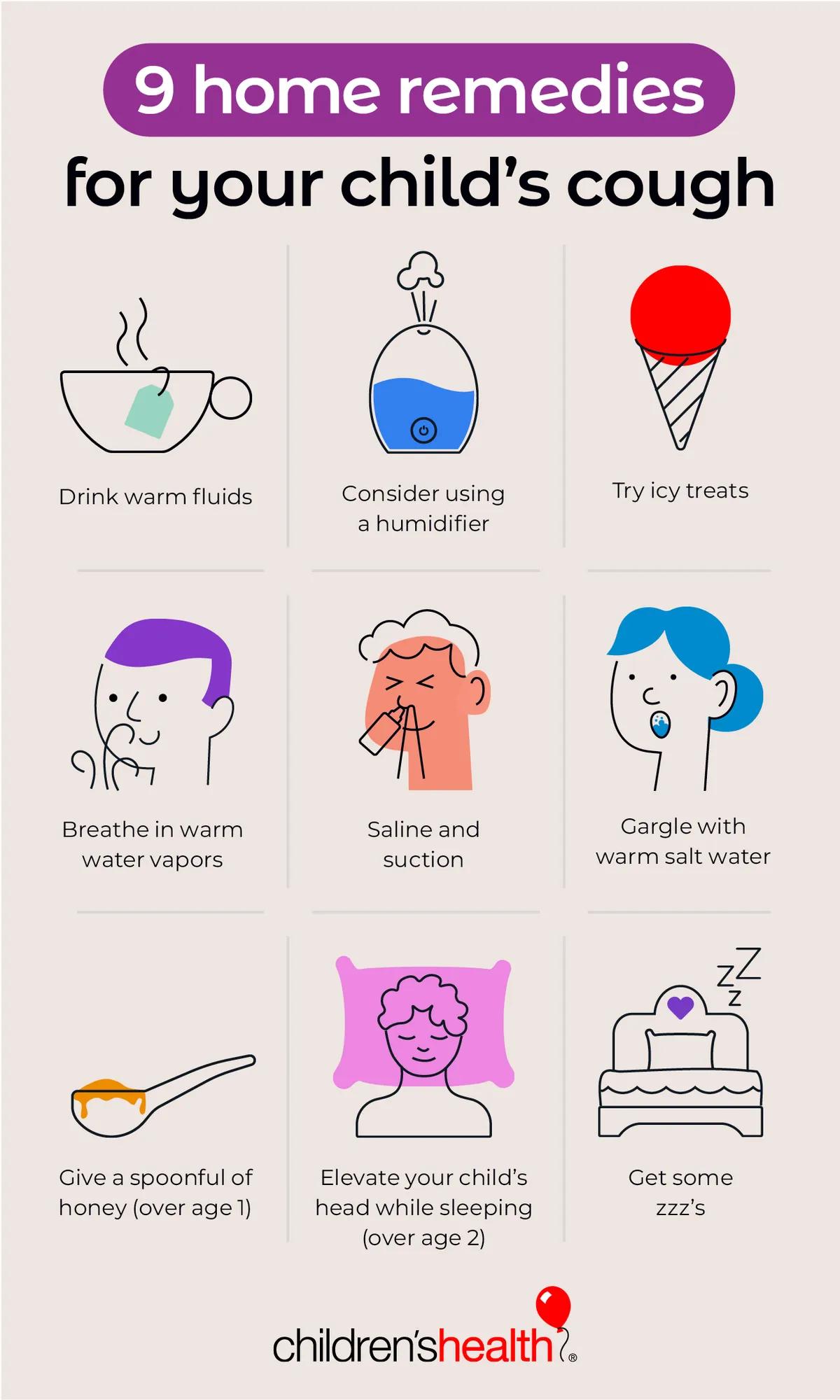
Knowing About Toddler Coughs
Coughing is a common thing for toddlers. It is often a sign that the body is trying to get rid of something bad. Things like germs, dust, or mucus can make a toddler cough. A cough helps clear the airways.
Coughs can sound different.
* A dry cough has no mucus. It sounds rough.
* A wet cough has mucus or phlegm. It sounds gurgly or chesty. This is a mucus cough toddler.
* A barking cough sounds like a seal. This can be a sign of croup.
* A whooping cough makes a ‘whoop’ sound after coughing fits. This needs a doctor’s help right away.
Most coughs in toddlers happen because of colds or other viruses. These coughs usually get better on their own. They might last for one or two weeks. Sometimes they can last longer.
It is important to know what kind of cough your toddler has. This helps you choose the best ways to help them feel better. Remember, cough medicine is not safe for toddlers. The good news is, you can use many simple, natural ways to give natural cough relief for toddlers.
Simple Ways to Help Your Toddler Feel Better
When your toddler has a cough, they feel bad. They might be tired. They might not want to eat. Your goal is to make them comfortable. You also want to help their body heal.
Here are some basic things you can do:
- Offer Lots to Drink: Giving your toddler fluids is very important. Drinks help keep their throat wet. This can make a sore throat feel better. Water, juice, milk, or warm clear liquids like broth are good choices. For toddlers over one year, warm water with a little honey can be very soothing. Fluids also help thin mucus. This makes it easier to cough up.
- Help Them Rest: Sleep helps the body heal. A cough can make it hard for a toddler to sleep. Try to make their room comfy. Keep it dark and quiet. If they sleep better sitting up a little, you can try that. Use extra pillows under the mattress at the head of the bed. Do not use pillows in the crib or bed for very young toddlers because of safety risks.
- Keep the Air Moist: Dry air can make a cough worse. It can also make a sore throat feel drier. Using a humidifier for toddler cough adds moisture to the air. This can help loosen mucus. It also keeps the airways from getting too dry. We will talk more about humidifiers later.
- Offer Comfort: Your touch helps your toddler feel safe and loved. Cuddle them often. Read stories. Play quiet games. Being sick is hard for little ones. Your comfort means a lot.
These simple steps are the first line of help. They are part of effective toddler cough remedies home. They focus on making your child feel less miserable while their body fights the illness.
Using Natural Ways to Soothe a Cough
Many parents like to use natural cough relief for toddlers. These methods often use simple things you have at home. They can help ease symptoms without using store-bought medicines.
Here are some popular natural approaches:
- Honey: As mentioned, honey is great for coughs in toddlers over one year old. A small amount can coat the throat. This reduces tickling that causes coughing. It can be given plain, or mixed with warm water or lemon juice. Give about half a teaspoon to a teaspoon. Do not give honey to babies younger than one year old. It can cause a serious health problem called botulism. Honey is one of the best sore throat toddler remedies and helps with cough frequency.
- Warm Liquids: Besides water, warm drinks can be very soothing. Warm apple juice or warm broth can help. The warmth helps relax the airways. It can also help clear mucus.
- Saline Nose Drops or Spray: Often, a cough comes with a stuffy or runny nose. This is part of toddler congestion relief. Saline drops or spray are just salt water. They are very safe. You can put a few drops in each nostril. Wait a minute. Then gently suction out the mucus using a bulb syringe or nasal aspirator. Clearing the nose helps with breathing. It can also reduce post-nasal drip. Post-nasal drip is when mucus runs down the back of the throat. This can cause coughing, especially at night.
- Vapor Rubs (Use with Caution): Some gentle vapor rubs made for babies and toddlers can be used. These usually contain mild ingredients like eucalyptus or menthol. Rub a tiny bit on their chest or the bottoms of their feet. Make sure it is made for young children. Do not use adult vapor rubs on toddlers. The strong fumes can be bad for their airways. Always check the age on the product label.
- Elevate the Head of the Bed: We talked about this for rest. Raising the head slightly can help mucus drain better. This can reduce coughing spells, especially at night. Use something under the mattress to raise the head end. Do not use pillows loose in the bed.
These natural methods are part of the home remedies toddler cough night and day toolkit. They offer comfort and can help ease symptoms safely.
Tackling Cough and Congestion Together
Cough and congestion often go hand in hand. Helping with one can help with the other. Toddler congestion relief is key to easing a cough, especially a mucus cough toddler.
When the nose and chest are full of mucus, it is hard for toddlers to breathe and sleep. Here are ways to help clear things up:
- Saline and Suction: We talked about this. It is one of the most effective ways to help toddlers. They cannot blow their noses well. You need to help them get the snot out. Do this before feeding and sleeping. It makes them much more comfortable.
- Steam: Steam is a great way to loosen mucus. You can create a steamy shower cough toddler environment. Close the bathroom door. Turn on the hot shower or bath. Do not put the toddler in the hot water. Just let the room fill with steam. Sit in the steamy room with your toddler for 10-15 minutes. Do this a few times a day. Be careful not to let them get too hot. This helps break up thick mucus in the chest and nose.
- Humidifier Use: Using a humidifier for toddler cough adds moisture to the air they breathe all the time, not just in the bathroom. A cool-mist humidifier is best. Warm-mist humidifiers can cause burns if the toddler gets too close or knocks it over. Place the humidifier in the toddler’s room. Make sure it is out of their reach. Keep the door closed to keep the moisture in. Clean the humidifier daily. This stops germs from growing in it. Follow the instructions that came with your humidifier for cleaning.
- Chest Percussion (Gentle Tapping): This is a technique to help loosen mucus in the chest. Lay your toddler across your lap with their head slightly lower than their chest. Cup your hand slightly. Gently but firmly pat their back. Start at the bottom of their rib cage and move up towards their shoulders. Avoid tapping directly on the spine. This vibration can help move mucus. Do this for a few minutes. Then let them sit up. They might cough more after this. This is good! It means the mucus is moving.
- Hydration: Again, drinking fluids is crucial. It helps thin the mucus. Thin mucus is easier to cough up or blow/suction out.
By helping with congestion, you are also helping with the cough. These methods are excellent toddler cough remedies home and provide significant toddler congestion relief.
Easing Nighttime Coughs
A cough that is not so bad during the day can become much worse at night. Lying down can make mucus settle in the back of the throat. This triggers coughing fits. Getting good sleep is important for healing. So, home remedies toddler cough night are very helpful.
- Elevate the Head: Raising the head of the bed is one of the simplest and most effective things. Use books or blankets under the mattress at the head end. Even a slight tilt can help.
- Humidifier: Keep the humidifier running in their room all night. This keeps the air moist and helps prevent airways from drying out. This is a key part of using a humidifier for toddler cough, especially at night.
- Honey (for toddlers > 1): Give a dose of honey right before bedtime. It can coat the throat and reduce the urge to cough. Many studies show honey works as well as or better than some over-the-counter cough syrups for nighttime cough in older children.
- Saline and Suction Before Bed: Clear their nose right before you put them down to sleep. Less snot means less post-nasal drip. Less post-nasal drip means less coughing.
- Steamy Bathroom Before Bed: A session in the steamy bathroom just before bed can help clear airways for the start of the night.
- Extra Comfort: If they wake up coughing, cuddle them. Offer a sip of water. Reassure them. Sometimes just feeling safe helps them settle back down.
Managing the cough at night is hard. It means broken sleep for everyone. But sticking to these methods can help your toddler get more restful sleep. This is vital for their recovery. These are tried and true home remedies toddler cough night.
Addressing a Sore Throat
Sometimes, a cough comes with a sore throat. The cough itself can even make the throat sore. Sore throat toddler remedies focus on soothing the irritation.
- Warm Liquids: Warm drinks are very soothing for a sore throat. Warm water, diluted juice, or broth works well.
- Honey (for toddlers > 1): Honey coats the throat. This provides instant relief from scratchiness and soreness.
- Cold Things: For some toddlers, cold things feel better on a sore throat. Try popsicles made from juice or yogurt. Cold yogurt or applesauce can also feel good.
- Soft Foods: Offer soft foods that are easy to swallow. Avoid rough or scratchy foods like chips or crackers. Smoothies, mashed potatoes, soup, and yogurt are good choices.
- Humidifier: Keeping the air moist with a humidifier for toddler cough also helps keep the throat from drying out. This can ease soreness.
- Salt Water Gargle (if they can do it): Older toddlers might be able to gargle with warm salt water. Mix a quarter teaspoon of salt in a glass of warm water. Have them gargle and spit it out. Make sure they do not swallow it. This helps reduce swelling and clean the throat. Many toddlers cannot do this until they are older, maybe 4 or 5.
Sore throats make it painful to swallow. This can make toddlers not want to drink or eat. Keeping them hydrated is important. Focus on giving them soothing liquids they will drink. These sore throat toddler remedies pair well with cough treatments.
When the Cough is Wet (Mucus Cough)
A mucus cough toddler means there is phlegm or snot in the chest or airways. This kind of cough sounds wet or chesty. The body is trying to cough up the mucus. It’s important to help the body do this.
- Hydration, Hydration, Hydration: Drinking fluids is the most important thing for a mucus cough. It makes the mucus thinner. Thinner mucus is easier to cough up and get rid of.
- Humidifier: A humidifier for toddler cough helps keep the mucus loose. Moist air prevents the mucus from drying out and getting sticky.
- Steam: Sitting in a steamy bathroom is very helpful for loosening thick mucus. It can help bring the mucus up.
- Chest Percussion: Gently tapping on the back can help shake loose mucus from the lungs.
- Elevate Head of Bed: Helps mucus drain, especially the post-nasal drip part that can trigger a wet cough.
- Keep Airways Clear: Use saline drops and suction to keep the nasal passages clear. This reduces the amount of mucus dripping down the back of the throat.
Avoid cough suppressants for a mucus cough. Coughing helps get the mucus out. Stopping the cough keeps the mucus in the chest. You want to help them cough it up, not stop them from coughing. These methods are effective toddler cough remedies home for dealing with a wet cough. They provide natural cough relief for toddlers by helping the body clear the mucus.
Using a Humidifier Safely
A humidifier for toddler cough is a great tool. But you must use it safely.
- Choose Cool Mist: Always use a cool-mist humidifier. Hot steam can cause burns. Cool mist is just as effective at adding moisture to the air.
- Clean Daily: This is very important! Humidifiers can grow mold and bacteria very quickly. If you do not clean it, you will be blowing these germs into the air for your toddler to breathe. Follow the cleaning instructions that came with your unit. Usually, this involves rinsing the tank and base and wiping it down. Some require using a vinegar solution or a mild bleach solution weekly.
- Use Clean Water: Use distilled or purified water if possible. Tap water has minerals. These can build up in the humidifier. They can also be put into the air (this is the white dust you sometimes see). Clean water is better for the machine and for your toddler’s lungs.
- Place Safely: Put the humidifier on a stable surface. Make sure it is out of your toddler’s reach. The cord should also be out of reach.
- Do Not Overuse: The goal is to raise humidity, not make the room damp. Too much moisture can cause mold growth on walls or furniture. If the windows are steaming up, the humidity is too high. Aim for a comfortable level.
Using a humidifier correctly is a key part of helping your toddler breathe easier when they have a cough or congestion.
When to Seek Medical Help
While many toddler cough remedies home can help, it is very important to know when to see a doctor. A cough can sometimes be a sign of a more serious problem. Knowing when to seek medical help toddler cough is crucial for your child’s safety.
Call or see a doctor if your toddler has any of these signs:
- Trouble Breathing: Look for fast breathing, breathing that looks hard (like they are pulling in at the ribs or neck), or nostrils flaring out when they breathe. This is a sign they are not getting enough air.
- High-Pitched Sound When Breathing In (Stridor): This sound happens on the inhale after a cough or when crying. It can mean there is swelling in the upper airway. This is common with croup, which needs medical care.
- Bluish Color: If their lips, face, or tongue look blue or gray, this is an emergency. It means they are not getting enough oxygen. Call 911 or go to the nearest emergency room right away.
- Coughing Fits: Coughing so hard they cannot catch their breath, or coughing that makes them turn red or blue.
- Cough with Vomiting: While toddlers often cough so hard they gag or throw up some mucus, constant vomiting after coughing needs checking.
- Fever: A fever over 102°F (39°C). If your toddler is under 3 months old, any fever should be checked by a doctor right away.
- Wheezing: A whistling sound when breathing out. This can be a sign of asthma or bronchiolitis.
- Cough Lasts a Long Time: If the cough lasts for more than 2-3 weeks without getting better, see the doctor.
- Seems Very Sick: If your toddler is unusually tired, not acting like themselves, very fussy, not drinking fluids, or has other worrying symptoms along with the cough.
- Severe Sore Throat: If the sore throat is so bad they cannot swallow even liquids.
Do not wait if you see any of these signs. It is always better to be safe. Trust your gut feeling as a parent. If you are worried, call your doctor. They can tell you if your child needs to be seen. This information helps you know when to seek medical help toddler cough.
What NOT to Give Toddlers for Coughs
Just as important as knowing what to do is knowing what not to do. Some things are not safe for toddlers.
- Over-the-Counter (OTC) Cough and Cold Medicines: Doctors do not recommend these medicines for children under 4-6 years old. Studies show they do not work well in young children. They can also have serious side effects. Giving them these medicines does more harm than good. Stick to natural cough relief for toddlers and comfort measures.
- Adult Medications: Never give your toddler medicine made for adults. The dose is too high and very dangerous.
- Aspirin: Never give aspirin to children or teenagers. It can cause a rare but very serious condition called Reye’s syndrome.
- Honey for Babies Under One: We mentioned this, but it is worth repeating. No honey for infants under 12 months old.
Focus on providing comfort and using safe toddler cough remedies home. These natural methods are often just as effective, if not more, than store-bought cough syrups for this age group.
Making Your Home a Healing Place
Beyond specific remedies, creating the right environment at home helps your toddler heal.
- Keep the Air Clean: Avoid smoking in the house. Even smoke on clothes can bother a toddler’s airways. Use mild or no air fresheners. Strong smells can irritate a sensitive cough.
- Dusting and Cleaning: Keep the area around your toddler clean. Dust and allergens can make coughs worse.
- Encourage Rest: Make a cozy spot for your toddler to rest. Offer extra blankets and soft pillows (used safely, especially in bed).
- Offer Small, Frequent Meals: If they have a sore throat or cough that makes eating hard, offer smaller amounts of food more often. Stick to things that are easy to swallow.
- Stay Home: Keep your toddler home from daycare or public places while they are sick. This helps them rest and prevents spreading germs to others.
Creating a calm, clean, and comforting space supports their body’s healing process. These are simple but powerful toddler cough remedies home.
Pulling It All Together: Your Action Plan
When your toddler starts coughing, take a breath. Remember you have many tools to help them.
- Identify the Cough: Does it sound wet, dry, barking, or whooping? This helps guide your next steps.
- Assess Other Symptoms: Do they have a fever, runny nose, sore throat? How is their breathing?
- Start Basic Comfort: Offer fluids, encourage rest, and use a humidifier.
- Choose Natural Remedies: Use honey (if over 1), saline drops, steam (steamy shower cough toddler), or gentle back patting as needed. Focus on toddler congestion relief and sore throat toddler remedies if those are present.
- Manage Night Symptoms: Use home remedies toddler cough night like raising the head of the bed, honey, and humidifier to help them sleep.
- Avoid Unsafe Items: Do not give OTC cough medicine or adult meds.
- Watch Closely: Monitor their breathing and overall condition.
- Know When to Get Help: Be ready to call the doctor or go to the emergency room if you see worrying signs (refer to the ‘When to Seek Medical Help’ section).
Using toddler cough remedies home and natural cough relief for toddlers is about helping your child be as comfortable as possible while they recover. It’s about supporting their body’s natural defenses.
Here is a quick table summarizing some key points:
| Symptom | Ways to Help (for toddlers > 1) | Things to Avoid |
|---|---|---|
| Any Cough | Fluids, Rest, Humidifier (Cool Mist), Comfort | OTC Cough/Cold Medicine, Adult Meds, Aspirin |
| Dry/Tickly Cough | Honey, Warm Liquids, Humidifier, Steamy Shower | Cough Suppressants (generally) |
| Wet/Mucus Cough | Fluids (thin mucus), Humidifier, Steam, Chest Patting | Cough Suppressants (prevents clearing mucus) |
| Night Cough | Honey, Humidifier, Elevate Head of Bed, Steam Before Bed | Lying Flat, Overheating |
| Congestion | Saline Drops + Suction, Humidifier, Steam | Vicks for babies (check label), Dry Air |
| Sore Throat | Honey, Warm Liquids, Cold Treats, Soft Food | Rough/Scratchy Foods |
This table gives a quick look at common issues and helpful actions, using many toddler cough remedies home techniques.
Remember, every child is different. What works best might vary. Be patient. A cough takes time to go away. Your love and care are the most important “remedies” you can offer.
FAQ: Common Questions From Parents
Many parents have similar questions when their toddler has a cough. Here are answers to some frequently asked questions:
Q: Can I give my toddler cough drops?
A: Cough drops are not recommended for toddlers. They can be a choking hazard. Also, many contain ingredients that are not necessary or safe for very young children. Stick to honey (for toddlers > 1) or other liquids to soothe the throat.
Q: Is a fever always serious with a cough?
A: A fever is the body’s way of fighting infection. A low fever with a cough is often okay. But a high fever (over 102°F/39°C), especially with other worrying signs like trouble breathing, or a fever in a baby under 3 months old, needs medical attention.
Q: How long does a toddler cough usually last?
A: Coughs from colds can last for 1-2 weeks, sometimes even up to 3 weeks. If a cough lasts longer than 3 weeks or gets worse, it’s a good idea to see the doctor to rule out other causes.
Q: My toddler is coughing more after using the humidifier or steam. Is that normal?
A: Yes, this can be normal. Adding moisture or using steam helps loosen mucus. Coughing is how the body gets that mucus out. So, coughing more temporarily after these treatments can be a sign they are working. Watch their breathing, though. If the coughing is constant or makes it hard to breathe, seek help.
Q: Can teething cause a cough?
A: Teething itself doesn’t directly cause a cough. But teething can cause more drool. This extra saliva might sometimes irritate the throat and lead to a mild cough, especially at night. However, a significant or persistent cough is usually due to a cold or other illness, not just teething.
Q: Should I worry if my toddler’s cough sounds like they are gagging?
A: Toddlers sometimes cough so hard that they gag. They might even vomit up some mucus. This can be alarming but is not always serious if they recover quickly and are breathing normally afterward. It is the body trying to get the mucus out. However, if the gagging or vomiting is constant, or if they struggle to breathe after, contact your doctor.
These are just a few common questions. Always feel free to call your doctor or nurse if you have any concerns about your toddler’s cough or other symptoms. They can give you the best advice for your specific situation.
Remember, you’ve got this. Helping a sick toddler is tough, but simple comforts and knowing when to get help make a big difference.