
Image Source: www.roshambo.com
Effective Ways: How To Keep Toddler Glasses From Slipping
Keeping glasses on a busy toddler’s nose can feel like a never-ending task. If you’re wondering “How to keep glasses on child nose?” or “What are good glasses slipping solutions kids?”, you’re not alone. Many parents face the challenge of toddler glasses sliding down the nose constantly. Glasses slipping solutions kids need to be simple, safe, and effective for little ones. This article will look at easy ways to keep those little frames right where they need to be.
Why Toddler Glasses Slide Down
Little heads and faces are still growing and changing. Glasses are designed for a snug fit, but toddlers are always on the move. They run, jump, play, and explore. This active lifestyle naturally makes glasses shift. Sweat, oily skin, or even just tilting their head can cause glasses sliding down toddler nose. Plus, tiny noses don’t have a strong bridge yet, which is where glasses usually rest. The fit must be just right, or they will move.
Starting With the Right Fit
The very first step for glasses slipping solutions kids is getting the right fit from the start. This happens at the eye doctor’s office. The optician is key here. They know how to pick frames that work for a toddler’s face shape.
Importance of Proper Measurement
Frames should not be too big or too small. They should sit comfortably on the nose and wrap around the head well.
- Frame Width: The frame should be about as wide as the child’s face. It should not stick out too far on the sides.
- Bridge Fit: This is where the glasses sit on the nose. For a toddler, the bridge is often flat. Special frames have a low, wide bridge area to help them stay put. Some even have a saddle bridge design that spreads the weight.
- Temple Length: The arms (temples) of the glasses should go back to the ears and curve down just right. They should not be too long or too short.
Choosing a frame designed for kids is important. They are often more flexible and durable. They also come with features meant to help with fit on small faces.
Simple Adjustments You Can Make
Even with the best frames, kids’ glasses need checks and small changes often. Things like adjusting toddler glasses can make a big difference. A little tightening kids glasses here or there can fix slipping.
Checking the Frame Arms
The arms should hug the head gently. If they are too loose, the glasses will slide forward. If they are too tight, they will pinch.
- Look from the side. The arms should go straight back and then curve down smoothly behind the ear.
- If they stick out or pinch, they need a small bend. This is often best done by the optician. They have special tools.
- However, some plastic frames can be gently warmed and bent. Ask your optician if you can do this at home safely.
Adjusting the Nose Pads
Many metal frames have little pads that sit on the nose. These are called nose pads. They can be moved.
- If glasses are sliding down, the nose pads might be too wide apart. Pushing them closer together can lift the frame higher on the nose.
- If they are pinching or leaving red marks, they might be too close or bent the wrong way.
- You can gently move nose pads with your fingers. Be very careful not to break them or the frame. Again, the optician is the expert here. They can adjust nose pads glasses quickly and safely. Non-slip nose pads glasses are also an option to consider.
Checking Behind the Ear
The part of the arm that goes behind the ear is important for holding glasses in place.
- It should curve down and follow the shape of the ear bone.
- If it is too straight, the glasses will slide forward easily.
- If the curve is too sharp or starts too high, it can cause pain.
- Many kids’ glasses have arms that can be bent into a better shape behind the ear. Some have a ‘cable’ or ‘wrap-around’ style arm that curls right around the ear. This is a great feature for active toddlers.
Making sure the glasses are tightened kids glasses enough, but not too much, is a balance. They should stay up without causing marks or pain.
Using Helpful Accessories
Sometimes, basic adjustments are not enough. This is where accessories come in. They add extra grip or hold the glasses in place. These are great glasses slipping solutions kids often need.
Glasses Straps and Retainers
A glasses strap for kids is a simple band that connects to the ends of the glasses arms. It goes around the back of the head.
- How they help: A glasses strap keeps the glasses from falling off completely. If they slide down, the strap catches them. This stops glasses sliding down toddler nose to the floor and getting broken.
- Types: Straps come in many materials like fabric, neoprene, or silicone. Some are adjustable in length. Some are tight bands, while others are loose cords.
- Choosing one: Pick one that is comfortable and safe. It should not be too tight. Make sure there are no small parts that could be a choking risk. A toddler glasses retainer is another name for this type of strap. They are great for keeping glasses on during playtime or naps.
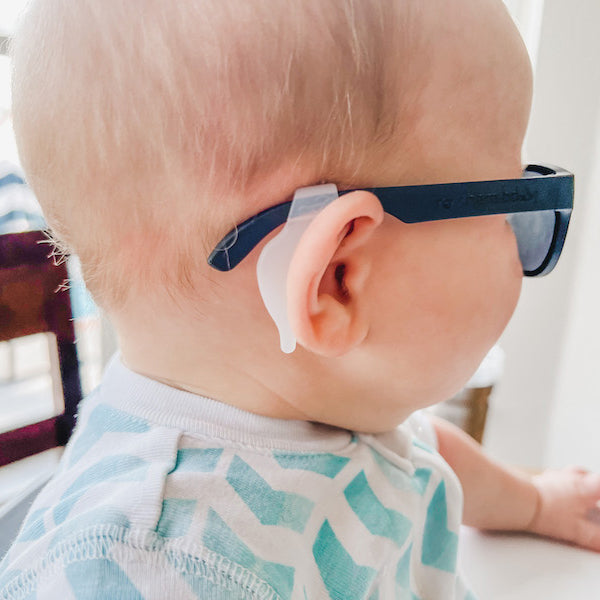
Ear Hooks and Grips
These are small pieces that slide onto the arms of the glasses, right where they sit behind the ear.
- How they help: Ear hooks for kids glasses add extra grip. They make the arm thicker or add a hook shape behind the ear. This stops the arm from sliding up and forward.
- Types: Made from soft silicone or rubber. They come in different shapes – some are simple sleeves, others are shaped like a hook or an animal.
- Choosing one: Find ones made for kids’ frame sizes. They should be soft and not rub or irritate the skin behind the ear. Anti-slip ear grips glasses are designed specifically for this purpose. They create friction against the skin, helping the glasses stay put.
Non-Slip Nose Pads
While some glasses have built-in non-slip pads, you can also add stick-on or push-on non-slip nose pads glasses to frames that don’t have them.
- How they help: They are usually made of silicone or a similar grippy material. They create more friction on the nose, which helps stop glasses sliding down toddler nose.
- Types: Stick-on pads are easy to apply but may need replacing. Push-on pads fit over existing plastic nose rests.
- Choosing one: Make sure they are the right size for the frame. Check that the child is not bothered by the feel of them. They should not cover too much of the lens or frame.
Using a mix of these accessories might be the best approach for some kids. For example, non-slip nose pads glasses plus a glasses strap for kids can offer double protection against slipping and falling.
Making Glasses Part of Their Life
Getting a toddler to keep their glasses on is half the battle. Solutions are not just about fit and accessories. They are also about habit and comfort.
Making it Fun
- Let your child pick their frames (with your guidance on fit). Frames come in fun colors and patterns.
- Read books or watch shows with characters who wear glasses. This helps normalize it.
- Praise them when they keep their glasses on. Use positive words.
Creating a Routine
- Put glasses on as part of the morning routine, like putting on shoes.
- Take them off gently at bedtime.
- Have a special place for the glasses when they are not being worn. This prevents them from being lost or damaged.
Checking for Comfort
- Ask your child if their glasses feel okay (as much as a toddler can tell you).
- Look for red marks on the nose or behind the ears. These mean the fit is wrong or needs adjusting toddler glasses.
- Make sure the glasses are clean. Smudges can make it harder to see and make the child want to take them off.
Keeping glasses on child nose is easier when the child is comfortable and sees glasses as a normal part of their day.
When to Seek Professional Help
While you can make small tweaks and use accessories, the optician is your most important resource.
Why See the Optician?
- Expert Adjustments: They have the tools and training for adjusting toddler glasses perfectly. They can bend metal frames and heat plastic ones safely.
- Checking the Fit: They can tell you if the frame is still the right size as your child grows.
- Problem Solving: If glasses keep sliding down toddler nose even with accessories, they can help figure out why. Maybe a different frame style is needed.
- Accessory Advice: They can recommend and fit accessories like special non-slip nose pads glasses or wrap-around arms.
Visit your optician anytime the glasses seem uncomfortable, are slipping a lot, or look bent. Regular check-ups are also important for their eyesight and glasses fit.
Comparing Slipping Solutions
Let’s look at some common glasses slipping solutions kids use and how they work.
| Solution | How it Helps Slipping | Main Benefit | Things to Consider |
|---|---|---|---|
| Proper Frame Fit | Starts with glasses that match face shape | Prevents most slipping from the beginning | Requires professional fitting; needs checks as child grows |
| Adjusting Frame Arms | Makes arms hug the head better | Improves hold behind the ear | Often needs optician’s tool; can be tricky to get right |
| Adjusting Nose Pads | Lifts frame higher, sets width on nose | Stops sliding forward and down the nose | Requires care; optician is best for this |
| Glasses Strap / Retainer | Catches glasses when they slide | Prevents dropping/losing glasses; good for active kids | Can be seen; might not stop slipping completely |
| Ear Hooks / Grips | Adds friction/hook shape behind ear | Stops arms from sliding forward | Need to be comfy; can sometimes pull hair |
| Non-Slip Nose Pads | Adds grip on the nose bridge | Stops sliding down the nose | Can wear out; check for skin irritation |
This table shows that a mix of getting the fit right and using accessories is often the most effective way to keep glasses on child nose.
Troubleshooting Common Issues
Even with the best efforts, you might run into problems.
Glasses Still Sliding Down
- Check the basics: Are the arms bent right? Are the nose pads set correctly?
- Add an accessory: If you’re not using one, try a glasses strap for kids or ear hooks for kids glasses.
- See the optician: The frame might not be suitable, or a professional adjustment is needed.
Red Marks or Pinching
- Glasses are too tight: The arms might be too close to the head, or the nose pads are pinching. Loosen them slightly or adjust.
- Accessory issue: The ear hooks or strap might be too tight or not sitting right. Adjust their position or try a different type.
- Frame weight: The frames might be too heavy for the child’s nose. Talk to the optician about lighter materials.
Child Keeps Taking Glasses Off
- Are they uncomfortable? Check for pinching, rubbing, or if they are too loose and bouncing around.
- Are they dirty? Clean lenses are much nicer to see through.
- Is it a habit? Use positive reinforcement. Make glasses a normal thing. Distraction can also help when they first try to take them off.
Finding the right glasses slipping solutions kids need takes time and patience. Don’t give up!
Beyond Adjustments: Frame Materials and Styles
The material and style of the frame itself play a big role in how well glasses stay on a toddler.
Frame Materials
- Plastic: Many kids’ frames are plastic. They are often flexible and durable. Some plastics can be heated gently for adjustments. Look for styles with a built-in low bridge or saddle bridge design.
- Metal: Metal frames have adjustable nose pads, which is a plus for getting a good fit on a small nose. However, metal can be bent out of shape more easily by rough play.
- Flexible Materials: Some frames are made of very flexible materials that can be twisted and bent without breaking. These are excellent for active toddlers. They are less likely to get bent into a shape that causes them to slip.
Frame Styles for Toddlers
- Wrap-Around Styles: Frames that wrap around the face a bit offer a more secure fit.
- Cable Temples: These are arms that curl completely around the ear, offering a very secure hold. They are great for babies and very active toddlers but can sometimes be tricky to get on and off.
- Low Bridge Designs: Specifically made for faces with a flatter nose bridge, common in toddlers. These frames sit lower and spread the weight, helping to stop glasses sliding down toddler nose.
When choosing new glasses, discuss these options with your optician. Picking the right base frame is one of the best glasses slipping solutions kids can have.
Maintaining Toddler Glasses
Taking good care of the glasses helps them fit better and last longer.
Regular Cleaning
- Clean lenses daily with a microfiber cloth and lens cleaner. Smudges make it hard to see, and kids might take glasses off.
- Clean the frame too, especially the parts that touch the skin (nose pads, arms). Skin oils can make plastic or silicone parts slippery.
Storing Properly
- Always put glasses in their case when not being worn. This protects them from getting bent or broken.
- Teach your child (when they are old enough) where the glasses go.
Checking for Damage
- Look at the frames often. Are the arms straight? Are the nose pads still attached and facing the right way? Is the bridge area intact?
- Check the lenses for scratches.
Regular maintenance helps keep the glasses in the shape needed for them to stay on the nose. It also means you catch problems early, like an arm that’s getting loose or a nose pad that’s about to fall off.
Encouraging Your Toddler to Keep Glasses On
Sometimes, the slipping isn’t just about the fit; it’s because the child is pushing them off.
Positive Reinforcement
- Praise them when they wear their glasses without taking them off.
- Use a sticker chart or small rewards for wearing glasses for certain periods.
Explaining Why They Need Them (Simply)
- Use simple words. “Glasses help you see clearly,” or “Glasses help you find your toys.”
- Connect glasses to fun things they can now see better.
Ignore (Safe) Attempts to Take Them Off
- If they try to take them off, gently redirect them or distract them with an activity.
- Avoid making a big fuss, as this can sometimes make it a power struggle. Only intervene if they are about to damage the glasses or hurt themselves.
Combining a great fit, helpful accessories, and positive encouragement gives you the best chance at keeping glasses on child nose.
Summary of Key Strategies
Keeping glasses on a toddler is a common challenge, but there are many effective ways to help.
- Start with the Right Fit: Work with an optician to choose frames designed for toddlers, paying attention to the bridge, width, and arm length.
- Make Regular Adjustments: Periodically check and adjust the frame arms and nose pads. Visit your optician for professional adjustments. Tightening kids glasses the right amount is key.
- Use Helpful Accessories: Glasses strap for kids, toddler glasses retainer, ear hooks for kids glasses, and non-slip nose pads glasses can all provide extra hold.
- Ensure Comfort: Check for red marks or signs of discomfort. Clean glasses regularly.
- Make it a Habit: Integrate glasses-wearing into the daily routine.
- Encourage Positively: Use praise and simple explanations to help your child accept their glasses.
- See Your Optician: They are the experts for getting the best fit and solving ongoing issues with glasses sliding down toddler nose.
By using these glasses slipping solutions kids can wear their glasses comfortably and consistently, helping their vision develop correctly.
Frequently Asked Questions
H4 What is a glasses strap for kids?
A glasses strap for kids is a band or cord that attaches to the end of the glasses arms and goes around the back of the head. It helps keep the glasses from falling off completely if they slip.
H4 Do ear hooks for kids glasses really work?
Yes, ear hooks for kids glasses can be very effective. They add extra grip behind the ear, preventing the glasses arms from sliding forward off the ear. They are a simple type of anti-slip ear grips glasses.
H4 Are non-slip nose pads glasses safe for toddlers?
Yes, non-slip nose pads glasses are generally safe for toddlers. They are usually made of soft silicone. Make sure they are attached securely and that they do not irritate your child’s skin.
H4 How often should I get my toddler’s glasses adjusted?
It’s a good idea to have your toddler’s glasses checked and adjusted by an optician every few months, or anytime you notice them slipping a lot or causing red marks. Toddlers grow fast, so the fit can change.
H4 Can I tighten my toddler’s glasses myself?
You can often make very small, gentle adjustments to the arms of plastic frames or the nose pads of metal frames. However, it is safest to have an optician do major adjusting toddler glasses or tightening kids glasses. They have the right tools and know how to bend frames without breaking them.
H4 My child keeps pulling their glasses off, even with a strap. What else can I do?
If glasses slipping solutions kids like straps aren’t stopping them from removing the glasses, the issue might be comfort or habit. Check carefully for any signs of discomfort (red marks, complaining). Ensure the glasses are clean. Then focus on positive reinforcement and making glasses a normal part of their day. Talk to your optician to rule out fit problems.
H4 What is a toddler glasses retainer?
A toddler glasses retainer is another name for a glasses strap for kids. It retains or holds the glasses on the child’s head.