
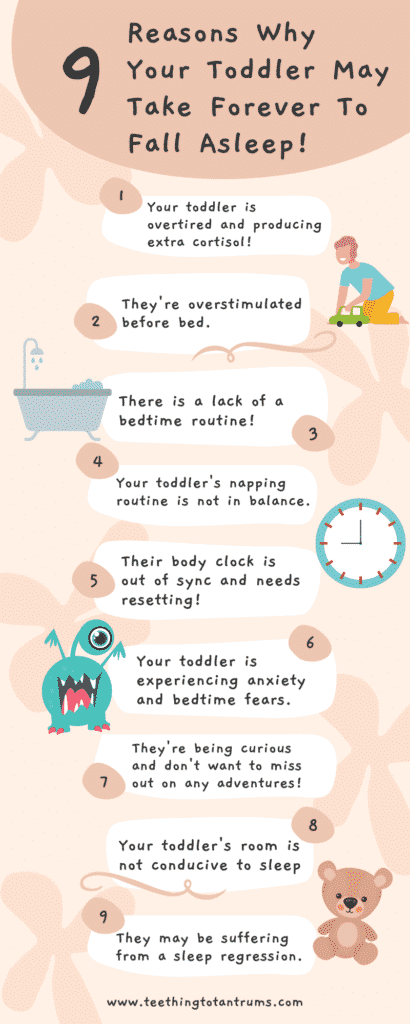
Image Source: www.teethingtotantrums.com
Best Tips: How To Make A Toddler Fall Asleep Instantly Fast
Getting a toddler to fall asleep can feel like a big puzzle. Many parents want to know how to make a toddler fall asleep instantly. While “instantly” might be a stretch, you can help your little one drift off to dreamland faster and easier. This guide will show you simple, gentle ways to make bedtime smooth. We will cover routines, helpful room ideas, and how to deal with common sleep problems.
Fathoming Toddler Sleep Challenges
Why do toddlers often fight sleep? It is a common question. Toddlers are busy little people. Their minds are always working. They learn new things daily. They gain new skills fast. This excitement can make it hard to calm down. Sometimes they want to stay up and play more. They might not want to miss anything. Growth spurts, new fears, or even small changes can affect their sleep. Knowing this helps us find ways to help them.
Building a Strong Sleep Foundation
A good sleep foundation is key. It sets the stage for peaceful nights. Think of it like building blocks for sleep.
The Power of a Toddler Bedtime Routine
A solid toddler bedtime routine is a must. It tells your child that sleep time is coming. It brings a sense of calm. It makes bedtime predictable. A good routine should be the same every night. Start it about 30-60 minutes before you want them to be asleep.
Elements of a Calming Bedtime Routine:
- Warm Bath: A bath can relax muscles. It can signal the end of the day. Keep it short and fun, not wild.
- Quiet Play: After the bath, do something calm. Read books. Do puzzles. Build blocks quietly. Avoid loud games. Avoid screen time.
- Snack and Drink: A small, light snack can help if they are hungry. Offer a drink of water or milk. Avoid sugary foods.
- Brush Teeth: Make sure their teeth are clean. This is part of good hygiene.
- Pajamas: Put on comfy pajamas. Make sure they are not too hot or too cold.
- Story Time: Reading together is special. It calms their mind. It also builds a bond. Choose quiet, happy stories.
- Cuddles and Songs: A few minutes of quiet cuddles helps them feel loved and safe. Sing a lullaby or two.
- Into Bed: Put them in bed while they are sleepy but still awake. This helps them learn to fall asleep on their own.
Table: Sample Toddler Bedtime Routine
| Time | Activity | Purpose |
|---|---|---|
| 6:30 PM | Dinner | Fuel for the night, not too close to bed |
| 7:00 PM | Warm Bath | Relax muscles, signal wind-down |
| 7:15 PM | Pajamas & Brush Teeth | Comfort, hygiene |
| 7:25 PM | Quiet Play/Books | Calm activity, low stimulation |
| 7:40 PM | Story Time | Calm mind, bonding |
| 7:50 PM | Cuddles/Lullabies | Feel safe, loved |
| 8:00 PM | In Bed | Independent sleep learning |
Setting a Great Toddler Sleep Schedule
A toddler sleep schedule brings order to the day. It helps their body clock. Toddlers need about 11-14 hours of sleep in a 24-hour period. This includes naps. Stick to similar wake-up times and bedtimes every day. This even goes for weekends. Too much change can make sleep hard.
Key Points for a Sleep Schedule:
- Consistent Wake-Up: Try to wake your toddler around the same time daily. This sets their body clock.
- Nap Time: Most toddlers need one nap a day. This nap usually lasts 1.5 to 3 hours. Make sure the nap ends early enough. If they nap too late, it might make bedtime harder.
- Bedtime: Keep bedtime regular. Look for sleepy signs like rubbing eyes or yawning.
- Flexibility: Life happens. Some days might be different. Don’t worry if one day is off. Just get back on track the next day.
Table: Typical Toddler Sleep Schedule (Example)
| Time | Activity |
|---|---|
| 7:00 AM | Wake Up |
| 7:15 AM | Breakfast |
| 9:00 AM | Playtime |
| 12:00 PM | Lunch |
| 1:00 PM | Nap Time |
| 3:00 PM | Nap Wake Up |
| 3:30 PM | Snack & Play |
| 6:00 PM | Dinner |
| 7:00 PM | Bedtime Routine |
| 8:00 PM | Bedtime |
Creating a Sleep-Friendly Toddler Room
Your child’s room should feel like a cozy sleep den. Creating a sleep-friendly toddler room helps them feel safe and ready for rest.
Room Essentials for Sleep:
- Darkness: Make the room very dark. Use blackout curtains. Even a little light can stop melatonin. Melatonin is a sleep hormone.
- Cool Temperature: A cool room is best for sleep. Around 68-72°F (20-22°C) is good.
- Quiet: Reduce noise. A white noise machine can help. It can block out household sounds. It can create a steady sound.
- Safety First: Check the room for safety. Make sure cords are hidden. Secure furniture to the wall. Remove choking hazards.
- Comfort: Use a comfy mattress and bedding. Keep stuffed animals to a minimum in the bed. Avoid too many toys in sight. Too many toys can be distracting.
Tackling Common Sleep Hurdles
Even with a great routine, challenges can pop up. Knowing how to handle them helps everyone get more sleep.
When Your Toddler Won’t Sleep
“My toddler won't sleep!” This is a common cry from parents. There are many reasons why this might happen. Maybe they are too excited. Maybe they are not tired enough. Or maybe they are too tired.
Tips for a Toddler Who Resists Sleep:
- Check for Needs: Are they hungry? Thirsty? Do they need to use the potty? Address these first.
- Review the Routine: Is your routine long enough? Is it calming enough? Is it consistent?
- Spend More Time: Maybe they just need a little more time with you. Five extra minutes of cuddles can go a long way.
- Be Firm and Gentle: Stick to your rules. Do not give in to demands for more play. Be kind but firm. “It’s bedtime now. I love you. See you in the morning.”
- Stay Calm: If you get stressed, your toddler will feel it. This can make them more upset. Take deep breaths.
- Limit Screen Time: Avoid screens for at least an hour before bed. The light from screens can make it hard to fall asleep.
Spotting Overtired Toddler Signs
It might seem strange, but an overtired toddler signs can make it harder for them to sleep. They can get a “second wind.” This makes them hyper or fussy. It is often a sign they missed their sleep window.
Signs an Overtired Toddler May Show:
- Hyperactivity: They might run around like crazy. They might be extra silly.
- Increased Fussiness: They cry easily. They are easily annoyed.
- Clumsiness: They might trip more often. They might drop things.
- Difficulty Focusing: They cannot stay on one task. Their attention jumps around.
- Rubbing Eyes/Yawning: These are classic signs of tiredness, but sometimes they appear after the child has become overtired.
- Resistance to Routine: They fight bedtime more than usual.
If you see these signs, it means you might need to adjust their schedule. Maybe move bedtime a little earlier. Or make sure their nap is long enough.
Navigating Toddler Sleep Regression
A toddler sleep regression is when a child who was sleeping well suddenly starts having trouble. This can happen around 18 months or 2 years. It might be due to big changes. This can include:
- Big Skills: Walking, talking, potty training. Their brain is working hard.
- Separation Anxiety: They might worry when you leave.
- Nightmares/Night Terrors: New fears can surface.
- Moving to a Big Bed: This is a huge change.
How to Handle Sleep Regression:
- Stay Consistent: This is the most important rule. Stick to your routine. Do not create new bad habits.
- Offer Comfort: Give extra cuddles. Reassure them. Tell them you are there.
- Short Visits: If they come out of bed, gently lead them back. Use as few words as possible. “Bedtime.”
- Check for Fears: If they have nightmares, talk about them in the morning. Offer a “monster spray” if needed.
- Patience: Sleep regressions usually pass. Keep going. It will get better.
Techniques for Instant Calm and Sleep
While true “instant” sleep is rare, some calming techniques for toddlers can speed up the process. These methods help them relax deeply.
Gentle Sleep Solutions for Toddlers
Gentle sleep solutions for toddlers focus on comfort and calm. They help your child feel safe enough to fall asleep.
- Warm Compress: A warm washcloth on their forehead or belly can be soothing.
- Gentle Massage: A light massage on their back or feet can relax them. Use gentle strokes.
- Lavender Essential Oil: A few drops of diluted lavender oil on their feet or on a cloth near their bed can calm them. Make sure it is safe for kids. Always dilute it.
- Sleep Sack/Wearable Blanket: If they kick off blankets, a sleep sack keeps them warm. This adds a sense of security.
- Weighted Blanket (with care): For some children, a small, kid-safe weighted blanket can help them feel grounded. Talk to a doctor first. Make sure it is the right weight and size.
Calming Techniques for Toddlers
These techniques help slow down their busy minds and bodies.
- Deep Breathing Games: Teach them to take “dragon breaths” (big breath in, slow breath out) or “flower breaths” (smell a flower, blow out a candle). Make it a fun game.
- Progressive Muscle Relaxation (Kid Style): Have them squeeze their toes tightly for 5 seconds, then relax. Then their legs, then their arms. “Make your body feel heavy and soft.”
- Visualization: Ask them to think of a favorite place. “Imagine your favorite park. What do you see? What do you hear?” This can distract them from worries.
- Quiet Music: Soft, slow classical music or nature sounds can help. Keep the volume low.
- Comfort Object: A special blanket or stuffed animal can bring comfort. It gives them something familiar to hold onto.
Deciphering Sleep Training Basics for Toddlers
Sleep training for toddlers does not mean leaving them to cry alone for hours. It means teaching them to fall asleep on their own. It is about giving them the skills they need for independent sleep. There are many ways to do this.
Common Sleep Training Methods (Gentle Approaches):
- “Chair Method”: You sit in a chair next to the crib or bed. As they get better at falling asleep, you move the chair further away each night. Eventually, you are out of the room. This offers comfort without direct contact.
- “Check and Console”: You put your child in bed. If they cry, you wait for a set time (e.g., 5 minutes). Then you go in, offer quick comfort (a pat, a few words), but do not pick them up. You leave and increase the wait time between visits. This teaches them you are there, but they need to learn to self-soothe.
- “Fading”: Slowly reduce the amount of help you give. If you rock them to sleep, rock them for less time each night. Put them down sleepier, but still awake.
- Positive Reinforcement: Praise them when they do well. Use a sticker chart for good sleep. This helps them feel proud.
Important Notes on Sleep Training:
- Consistency is Key: Whichever method you choose, stick to it. Doing it sometimes and not others confuses your child.
- Patience: Sleep training takes time. There will be good nights and bad nights.
- Child’s Temperament: Some children respond better to certain methods. Find what fits your child best.
- Consult a Professional: If you are struggling, a sleep consultant or doctor can offer personalized advice.
Toddler Nap Tips: Daytime Sleep Matters
Naps are a big part of a toddler’s sleep. Good naps lead to good night sleep. Toddler nap tips are just as vital as bedtime rules.
- Consistent Nap Time: Try to offer a nap at the same time every day. This helps their body clock.
- Nap Routine: Have a mini-bedtime routine for naps. It can be shorter than the night routine. But it should have some of the same calming steps. For example, change diaper, read a book, then into bed.
- Nap Environment: The nap place should be the same as their night sleep place. Keep it dark and quiet.
- Wake Windows: Watch how long your toddler can stay awake between sleep times. For most toddlers, this is about 5-6 hours. If they are awake too long, they can become overtired.
- Do Not Skip Naps: Even if they fight it, try to offer the nap. Overtiredness from missing a nap makes nighttime harder.
- Short Nap? Move On: If they only nap for 30 minutes, it’s okay. Do not force more sleep. Just try again the next day.
- Avoid Car Naps: Try not to let car rides be their main nap time. It is not as restful as sleeping in their bed.
Table: Common Nap Schedule by Age
| Age (Months) | Number of Naps | Typical Nap Duration |
|---|---|---|
| 12-18 | 1-2 naps | 1-3 hours each |
| 18-36 | 1 nap | 1.5-3 hours |
Most toddlers drop to one nap between 12 and 18 months. This one nap usually happens in the early afternoon.
When to Seek Expert Advice
Most sleep problems can be solved at home with consistency and patience. But sometimes, you need extra help. Consider talking to your doctor or a sleep specialist if:
- Your child snores loudly or often.
- They stop breathing briefly during sleep.
- They wake up very upset and cannot be comforted.
- Their sleep issues are causing major stress for the family.
- You have tried many things, but nothing works.
These could be signs of underlying medical issues. A doctor can check for things like sleep apnea or other health concerns.
Key Takeaways for Toddler Sleep Success
Making a toddler fall asleep isn’t magic, but it can feel like it when it works. The goal is to build strong habits. Think of it as teaching a life skill.
- Consistency is Your Best Friend: Stick to routines and schedules.
- Create a Sleep Sanctuary: A dark, cool, quiet room is a must.
- Watch for Sleep Cues: Put them to bed when they are sleepy, not overtired.
- Be Patient and Gentle: Changes take time. Offer comfort and reassurance.
- Address Naps: Good naps help good night sleep.
- Seek Help When Needed: It is okay to ask for expert advice.
With these tips, you can help your toddler find their way to peaceful, instant-like sleep. Sweet dreams for everyone!
Frequently Asked Questions (FAQ)
Q1: How much sleep does a toddler really need?
A1: Most toddlers (ages 1-3) need about 11 to 14 hours of sleep total in a 24-hour day. This includes their naps. For example, this might be a 10-12 hour night and a 1-2 hour nap.
Q2: What is the ideal bedtime for a toddler?
A2: The best bedtime depends on your toddler’s wake-up time and nap schedule. Often, it falls between 7:00 PM and 8:30 PM. The key is to watch for their sleepy signs. Put them to bed when they are tired, but not overtired.
Q3: Is it okay for my toddler to share a bed with me?
A3: This is a personal choice for families. Some families choose co-sleeping. Others prefer separate beds. If you co-sleep, make sure it is done safely. Ensure there are no loose blankets or pillows that could pose a risk. If you want your toddler to sleep in their own bed, a consistent toddler bedtime routine and sleep training for toddlers can help.
Q4: My toddler keeps getting out of bed. What should I do?
A4: This is very common, especially after moving to a big kid bed. The “silent return” method can help. Gently lead your child back to bed each time, without talking, scolding, or making eye contact. Just put them back in bed. Be very firm and consistent. It might take many tries.
Q5: How can I tell if my toddler is getting enough sleep?
A5: Look for signs during the day. If your toddler wakes up happy and stays in a good mood, they are likely getting enough sleep. If they are often fussy, irritable, or hyperactive, they might need more sleep. Also, if they fall asleep very fast in the car, this can be a sign they are overtired.
Q6: What is a “sleep-friendly” toddler room?
A6: A sleep-friendly toddler room is dark, cool, and quiet. Use blackout curtains to block light. Keep the room temperature between 68-72°F (20-22°C). A white noise machine can help block out sounds. Also, make sure the room is safe and free from distractions.
Q7: Can a toddler have too much sleep?
A7: It is rare for a toddler to get “too much” sleep. If your toddler is sleeping a lot, it is usually because their body needs it. If you have concerns about their sleep habits, talk to your child’s doctor.
Q8: What if my toddler is afraid of the dark?
A8: A small nightlight can help. Choose one that gives off a soft, warm glow, not a bright or blue light. Talk about their fears during the day. Reassure them that they are safe. A “monster spray” (water in a spray bottle) can also help them feel braver.