
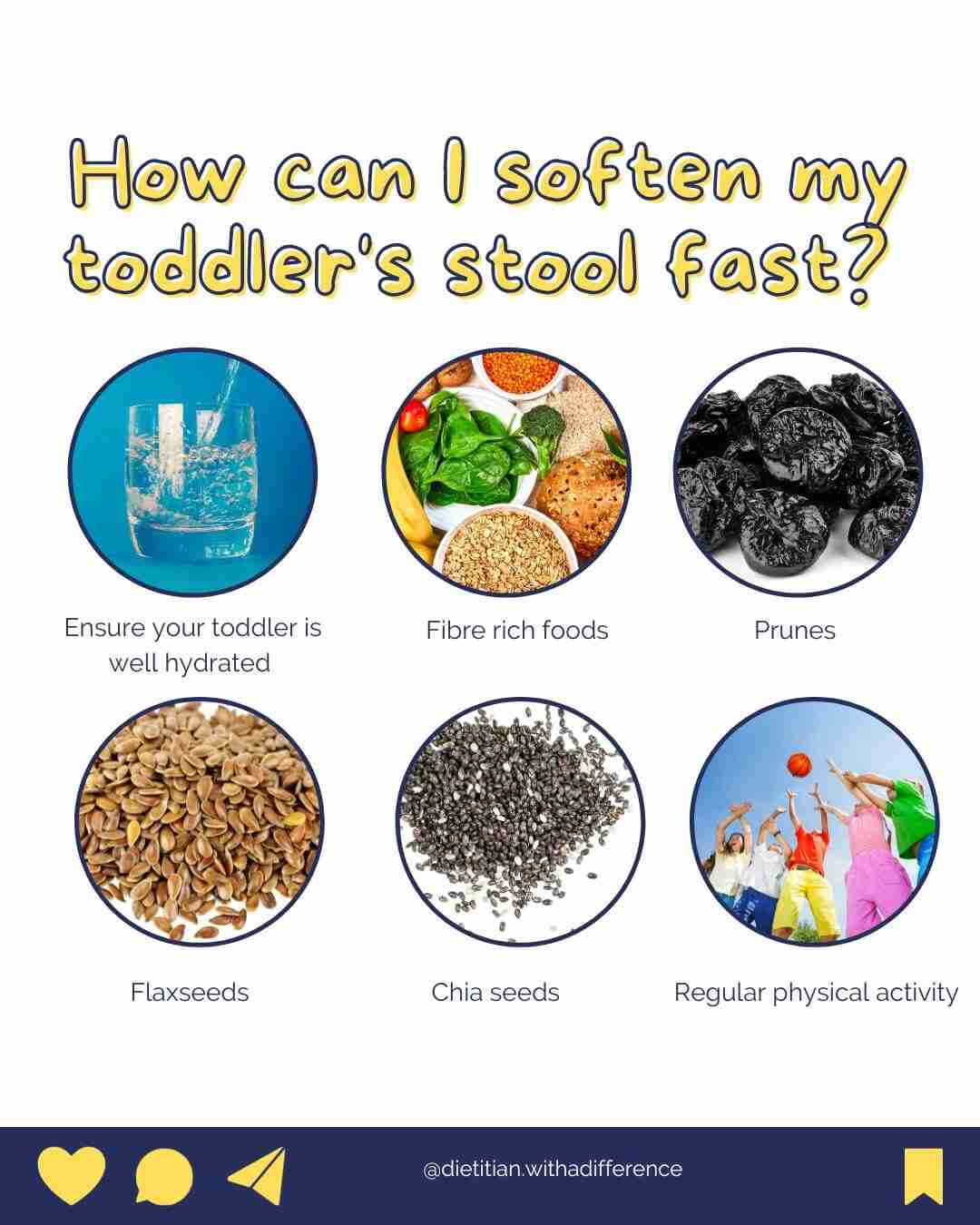
Image Source: dietitianwithadifference.co.uk
Parent’s Guide: How To Make A Toddler Poop Comfortably
Helping your little one poop comfortably is a big part of being a parent. Many toddlers have a hard time pooping now and then. This can make them feel bad. When you want to know how to help a constipated toddler, think about simple steps first. Give them water and foods with fiber. Make sure they feel safe trying to poop. Sometimes, toddlers don’t poop often. So, when to worry about toddler not pooping is usually when they go many days without pooping, or when their poop is hard like little rocks, and they seem to be in pain or very uncomfortable. If you see these signs, it’s a good time to look closer at what might help.
Pooping should not hurt. But for some toddlers, it does. This guide will help you understand why this happens and what you can do at home to make poop time easier and more comfortable for your child. We will talk about food, drinks, and making them feel safe.
Why Pooping Can Be Hard For Toddlers
Pooping is a natural thing. But for toddlers, many things can make it tricky. Their bodies are still learning. They are changing what they eat. They might be starting potty training. All these things can change how their tummy works.
Sometimes, the food moves too slowly in their body. This makes the body take out too much water from the poop. Then the poop gets hard and dry. Hard poop is tough to push out. This can hurt. If it hurts, a toddler might try to hold the poop in. Holding it in makes it even harder the next time. It becomes a loop.
Things that can make poop hard for toddlers include:
* Not drinking enough water or liquids.
* Not eating enough foods with fiber.
* Eating too much of certain foods, like milk or cheese, which can sometimes slow things down.
* Feeling stressed or scared, especially about using the potty.
* Changing their routine (like going on a trip).
* Being sick.
* Some medicines.
Spotting Signs: Toddler Constipation Symptoms
How can you tell if your toddler is having trouble pooping? They can’t always tell you clearly. But their bodies and actions give clues. Look for these toddler constipation symptoms:
- Pooping less often: A toddler might usually poop every day. If they start pooping only every two or three days, or even less, this can be a sign. Some toddlers only poop a few times a week normally, and that’s okay if the poop is soft. The key is a change in their normal pattern.
- Poop is hard and dry: Instead of soft logs, the poop might look like small, hard balls or rocks. It might be difficult for them to push out.
- Pain when pooping: Your toddler might cry, strain, or grunt a lot when trying to poop. They might say “ouch” or complain that it hurts their “bum.”
- Trying to hold poop in: You might see them stand on tiptoes, cross their legs, wiggle, or hide. This looks like they are pushing, but they are actually trying not to poop because it hurt last time.
- Small smears in their pants: Hard poop can get stuck. Sometimes, softer poop or liquid can sneak around the hard poop and make marks in their underwear. This is called “soiling” or encopresis. It means the hard poop is blocking the way.
- Less hungry: If their tummy feels full or hurts from not pooping, they might not want to eat as much.
- Tummy ache: They might complain their belly hurts. This pain can come and go.
- Feeling cross or unhappy: Not being able to poop can make anyone feel bad and irritable.
It’s good to know these signs. If you see them, you can start trying ways to help make pooping easier for your toddler.
Simple Helpers: Natural Remedies For Toddler Constipation
Before trying any medicines, you can start with simple, natural ways to help your toddler poop. These often work well for mild constipation. These are like gentle pushes to help their body do its job.
Water Is Your Friend
Dehydration and toddler constipation are closely linked. If your toddler doesn’t drink enough water, their body takes water from their poop. This makes the poop hard. Giving your toddler more water is one of the easiest and best things you can do.
- Offer water many times during the day.
- Keep a cup of water where they can reach it.
- Give water with meals and between meals.
- Limit drinks like soda or too much milk, as these don’t help with hydration in the same way water does, and milk can sometimes make constipation worse for some kids.
Juices That Can Help
Some fruit juices can help move things along because they have natural sugars that pull water into the gut. Just give small amounts, as too much juice can cause other tummy problems like diarrhea or tooth issues.
- Prune juice: This is often the first juice parents try. It works well for many kids.
- Pear juice: Another good choice. It is usually milder than prune juice.
- Apple juice: This one can also help, but sometimes it can make things worse for some kids. Pear and prune are often better starting points.
Give just a few ounces (like 2 to 4 ounces) a day. You can mix it with water if your toddler doesn’t like the taste.
Foods That Bring Relief
Eating the right foods is super important. Foods that help toddlers poop are usually high in fiber. Fiber for toddler constipation is like a natural broom for the gut. It adds bulk to the poop and helps it hold water, making it soft and easier to pass.
Think of the “P” fruits and vegetables:
* Pears: Mashed, pureed, or cut into small pieces.
* Prunes: Prune puree or small pieces of dried prunes (if they can chew well).
* Peaches: Fresh, canned in juice (not syrup), or frozen.
* Plums: Fresh or frozen.
* Peas: Soft-cooked peas are easy to eat.
Other great fiber-rich foods:
* Apples: With the skin (wash well!). Applesauce can work too.
* Berries: Strawberries, blueberries, raspberries.
* Broccoli: Soft-cooked florets.
* Beans: All kinds – black beans, kidney beans, lentils. You can add them to soup or mash them.
* Oatmeal: A warm bowl of oatmeal in the morning.
* Whole grains: Choose whole-wheat bread, pasta, and brown rice instead of white.
* Apricots: Fresh or dried (cut small).
* Sweet potatoes: Mashed or baked.
Here is a simple table of foods and how they help:
| Food Group | Examples | How it Helps |
|---|---|---|
| Fruits | Pears, Prunes, Peaches, Plums, Apples, Berries, Apricots | High in fiber and natural sugars (sorbitol) |
| Vegetables | Peas, Broccoli, Sweet Potatoes, Beans, Lentils | Full of fiber |
| Grains | Oatmeal, Whole Wheat Bread/Pasta, Brown Rice | Good source of fiber |
Try to include these foods in your toddler’s meals and snacks every day. Start slow if their diet didn’t have much fiber before, as adding too much too fast can cause gas.
Gentle Tummy Rubs
A gentle massage on your toddler’s tummy can help move things along.
* Lay your toddler on their back.
* Use warm hands or a little lotion.
* Gently rub their tummy in a circle, going clockwise. This follows the path of the gut.
* You can also gently bring their knees up towards their chest. This position can help too.
* Do this when they are relaxed, like during diaper changes or before bed.
Warm Baths
A warm bath can help relax the muscles, including those used for pooping. The warm water can soothe any discomfort from straining. Let them soak and play in the warm water.
Making Poop Time Less Scary: Potty Training Poop Fears
Potty training is a big step. For some toddlers, it brings new fears, especially about pooping on the potty. Potty training poop fears are very common. Pooping feels different than peeing. It takes more pushing. Sometimes, the poop plopping into the potty can be loud or splash, which can scare a child. If pooping has been painful before, they will be even more scared to try on the potty.
If your toddler is holding in poop because they are scared of the potty, it will make their constipation much worse. Here’s how to help with these fears:
- Be Patient: Don’t push them too hard. If they are scared, forcing them will not help. Take a break if needed.
- Make it Safe: Let them put their feet on a stool so they feel steady. A child-sized potty or an insert for the big toilet can feel less scary than falling in.
- Read Books and Watch Shows: There are many great books and videos for kids about using the potty and pooping. This can help them see it as a normal thing.
- Talk Simply: Use simple, positive words about poop. Call it “poop,” “poo,” or whatever word your family uses. Don’t make it sound dirty or bad. Explain simply that poop is just food your body didn’t need.
- Celebrate Small Steps: Praise them for sitting on the potty, even if they don’t poop. Praise them for trying. If they do poop, make it a big deal!
- Let Them Poop Where They Feel Safe: If they will only poop in a diaper, let them for now. You can slowly try to move them closer to the potty. Maybe they can poop in a diaper while standing next to the potty. Then maybe sitting on the potty with a diaper on. Slowly work towards pooping in the potty.
- Never Punish: Never get mad or punish your child for not pooping or for having an accident. This will only make their fears worse.
Addressing fears is a key part of how to help a constipated toddler, especially during potty training.
When Natural Ways Aren’t Enough: Medicine Helpers
Sometimes, changing diet, drinking more water, and using natural methods are not enough. If your toddler is still constipated and uncomfortable, your doctor might suggest medicine. These are usually gentle and help make poop softer.
It is very important to talk to your child’s doctor before giving any medicine for constipation. They can tell you the right type and amount for your child. Do not guess or use medicine meant for adults or older kids.
Gentle Stool Softeners
A common medicine a doctor might suggest is a stool softener. These work by helping the poop soak up more water, making it softer and easier to pass. They don’t make the muscles in the gut contract.
- Type: A common type is Polyethylene Glycol (PEG), often known by brand names like Miralax or RestoraLax. These are powders you mix into a drink.
- How it works: PEG pulls water into the gut, making the poop soft.
- Stool softeners for toddlers dosage: This is something only your doctor can tell you. The dosage depends on your child’s age, weight, and how bad their constipation is. It’s usually a small amount mixed into a drink once a day. Your doctor will tell you exactly how much and for how long to use it. You might need to use it for several weeks or months to help your child get back into a good pooping pattern and overcome fears if pain was involved.
Other Laxatives
Sometimes, if the poop is very stuck, a doctor might suggest a different type of medicine called a laxative. There are different kinds. Some make the gut muscles move, and some work in other ways to help clear things out.
- Examples: Lactulose or senna are examples your doctor might talk about.
- Laxatives safe for toddlers: Yes, certain laxatives are safe for toddlers, but only when recommended and dosed by a doctor. Never give your child a laxative without talking to your doctor first.
Using medicine for constipation in toddlers is usually a short-term help while you also work on diet, hydration, and behavior (like potty fears). The goal is to get their body back on track so they can poop comfortably on their own.
Creating Good Poop Habits
Helping your toddler poop comfortably is also about building good habits.
Scheduled Potty Time
Even if your toddler isn’t fully potty trained, or especially if they are holding poop, having regular times to sit on the potty or toilet can help.
- Try having them sit for 5-10 minutes about 20-30 minutes after a meal. Eating helps get the gut moving.
- Make it a calm, happy time. Read a book or sing songs.
- Don’t force them to stay if they are upset.
Enough Exercise
Moving their bodies helps move things inside their bodies too! Make sure your toddler gets plenty of active playtime every day. Running, jumping, and playing help the gut work better.
Knowing When To Get Help: When To Worry About Toddler Not Pooping
Most of the time, simple changes at home can help your toddler poop comfortably. But there are times when you should call the doctor. Knowing when to worry about toddler not pooping can help you get needed help fast.
Call your doctor if:
* Your toddler has not pooped in several days and is showing signs of discomfort or pain.
* They have a very hard, swollen belly.
* They are throwing up.
* There is blood in their poop.
* They seem very sick (fever, weak).
* They are trying very hard to poop but nothing is coming out.
* Natural remedies are not working after trying them for a week or two.
* Constipation keeps happening often.
These signs could mean something more serious is going on. Your doctor can check your child and suggest the best plan. This might include stronger medicines or other tests.
Putting It All Together: A Plan To Help Your Toddler Poop
Helping a toddler with constipation often needs a few things working together. Here is a simple plan:
- Offer More Drinks: Make sure they drink plenty of water throughout the day. Limit juice to small amounts (like 4 ounces or less) of prune, pear, or apple.
- Boost Fiber Foods: Add more fruits, vegetables, beans, and whole grains to their meals and snacks.
- Gentle Helpers: Try tummy rubs or warm baths.
- Address Fears: If potty training is part of the issue, work on making poop time less scary. Be patient and positive.
- Scheduled Potty Breaks: Have them sit on the potty or toilet after meals.
- Encourage Movement: Make sure they play actively every day.
- Talk to the Doctor: If these steps don’t work, or if you see worrying signs, call your doctor. They can suggest medicine like stool softeners for toddlers dosage appropriate for your child or other laxatives safe for toddlers if needed.
Remember, every child is different. What works for one might not work for another. Be patient with your child and with yourself. It can take time to get things regulated. Consistency is key with diet and habits.
Preventing Future Poop Troubles
Once your toddler is pooping comfortably again, you’ll want to try and keep it that way. The same things that help fix constipation can also help prevent it:
- Keep offering plenty of water every day.
- Keep lots of fiber-rich foods in their diet. Make these foods a normal part of their meals.
- Keep a routine, including regular times for sitting on the potty if they are potty training or prone to holding.
- Make sure they stay active.
By keeping these healthy habits, you can help your toddler have comfortable poops most of the time.
FAQs: Common Questions About Toddler Poop
Here are some common questions parents ask about toddler poop and constipation.
How often should a toddler poop?
There is no one right answer for all toddlers. Some poop many times a day, some poop once a day, and some poop every other day or even less often. What’s normal for your toddler is the key. Look for changes in their usual pattern. More important than how often is what the poop looks like (it should be soft) and if they are comfortable when pooping.
What if my toddler holds their poop in?
Holding poop in is a big sign that they are scared because it hurt before, or they are not ready for the potty yet. This makes constipation worse. Focus on making pooping painless with diet, water, and maybe a doctor-approved stool softener to keep poop soft. Also, work on reducing their fear around pooping (see the section on potty training fears). Be patient and never force them.
Is juice okay for toddler constipation?
Yes, some juices can help because they have natural sugars that draw water into the gut. Prune, pear, and apple juice are often suggested. Give only small amounts (like 2-4 ounces per day) mixed with water. Too much juice can cause other tummy problems.
How long does it take for changes to work?
Diet and water changes might take a few days or even a week to make a difference. If your doctor recommends a stool softener, it can also take a few days to start working fully to make the poop soft. Being consistent is important.
Can milk cause toddler constipation?
For some toddlers, drinking a lot of cow’s milk can slow down their gut and lead to constipation. If your toddler drinks a lot of milk (more than 16-20 ounces a day) and is constipated, talk to your doctor. You might try reducing milk intake a little and adding more water and fiber foods. Do not cut out milk completely without talking to your doctor, as it is a source of calcium and Vitamin D.
When should I call the doctor right away?
Call the doctor right away if your constipated toddler has a swollen belly, is throwing up, has blood in their poop, seems very sick, or is in a lot of pain. Also call if they haven’t pooped in many days and home remedies aren’t helping, or if you are worried.
Taking care of your toddler’s tummy and helping them poop comfortably is important for their health and happiness. By focusing on simple steps like diet, water, movement, and being patient with fears, you can make a big difference. And remember, your doctor is always there to help if you need extra support or medicine advice.