
What to feed an underweight toddler? You can feed an underweight toddler foods packed with healthy calories and nutrients, like avocado, full-fat dairy, nuts and seeds (prepared safely), and healthy oils added to meals. Helping a toddler gain weight needs a careful, gentle plan. It’s normal for toddlers to have times when they eat less, or seem to grow slowly. But if your doctor is worried about your toddler’s weight or growth based on their toddler growth chart percentile, it’s time to make a plan. This guide shares proven strategies for toddler weight gain, focusing on healthy and positive ways to boost their calorie intake. Always talk to your child’s doctor before making big changes to their diet.
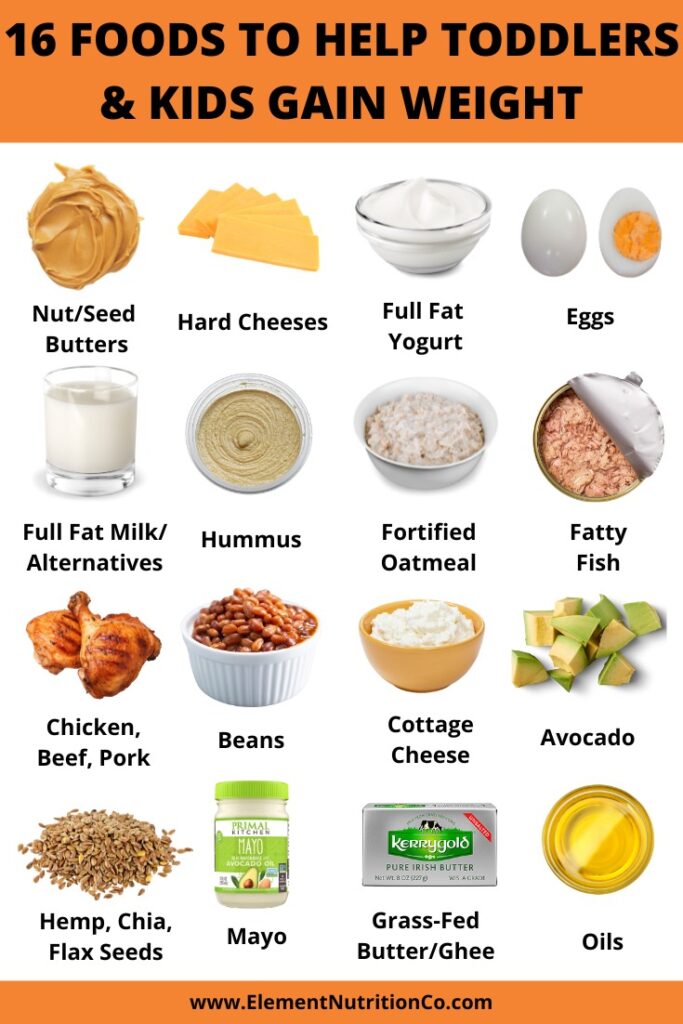
Image Source: www.elementnutritionco.com
Interpreting Toddler Growth
Toddlers grow in fits and starts. One month they might gain a lot, the next not much at all. This is normal. Your child’s doctor uses a toddler growth chart percentile to see how they are growing compared to other children their age.
Grasping Growth Charts
Growth charts are tools. They show a range of normal growth. A child in the 50th percentile is right in the middle. A child in the 10th percentile is smaller than 90% of kids their age. Being in a low percentile doesn’t always mean there’s a problem. Some kids are just naturally smaller.
When Weight is a Concern
Your doctor looks at the trend over time. Is your child’s weight line dropping? Are they falling off their growth curve? Are they consistently below the 3rd or 5th percentile? These might be signs they need help gaining weight. The doctor will check if they are getting enough food. They will also check for any health issues that might be causing slow weight gain. It’s important to rule these out first.
Why Toddlers Might Not Gain Enough
Several things can make it hard for a toddler to gain weight. Knowing the reason helps you choose the right approach.
The Picky Eater Stage
Many toddlers become picky eaters. This is very common. They might eat only a few foods. They might refuse foods they loved before. This can make parents worry they aren’t getting enough. Picky eating can definitely affect picky eater toddler weight gain. It’s a big challenge for many families.
High Energy Levels
Some toddlers are just super active. They burn a lot of calories running, jumping, and playing. They might need more food than less active kids to keep up with their energy needs and still gain weight.
Recent Illness
Being sick can lower a child’s appetite. They might lose a little weight or stop gaining for a while. Most kids catch up once they feel better. But repeated sickness can make it hard to gain weight.
Underlying Health Issues
Sometimes, slow weight gain is a sign of a health problem. This could be something with digestion, allergies, or other medical conditions. This is why seeing a doctor is the first step. They can find or rule out these issues.
Core Strategies for Healthy Weight Gain
Helping your toddler gain weight isn’t just about giving them more food. It’s about how and what you feed them. These strategies for toddler weight gain focus on creating positive eating habits and boosting calories smartly.
Offer Food Often
Toddlers have small stomachs. They can’t eat a lot at one time. Offer meals and snacks often. Aim for 3 meals and 2-3 snacks throughout the day. This gives them many chances to eat and take in calories. Don’t let too much time pass between eating opportunities.
Make Mealtime Pleasant
Eating should be a happy time. Don’t force your child to eat. Don’t make it a battle. This can create negative feelings about food. Sit together as a family if possible. Talk about things other than the food on the plate. Keep meal times calm and positive.
Involve Your Toddler
Let your toddler help with food prep. They can wash veggies, stir batter, or set the table. They are more likely to try foods they helped make. Give them choices, like “Do you want carrots or peas?” This gives them a sense of control.
Stick to a Routine
Toddlers do well with routines. Have meals and snacks at roughly the same time each day. This helps their bodies expect food. It can make them more likely to eat when food is offered. A predictable schedule reduces anxiety around meal times.
Foods to Help Toddler Gain Weight
Focus on nutrient-dense, high-calorie foods for toddlers. These foods pack more calories into smaller portions. This is helpful for toddlers with small appetites.
Focus on Healthy Fats
Fats have more calories per bite than proteins or carbs. Healthy fats are important for brain growth too.
* Avocado: Mash it on toast, add to smoothies, or serve in chunks. It’s creamy and calorie-rich.
* Nut Butters: Peanut butter, almond butter (check for allergies and serve thinly spread to avoid choking). Great on toast, crackers, or with fruit.
* Oils: Add a little extra olive oil or butter to cooked vegetables, pasta, rice, or soup.
* Full-Fat Dairy: Whole milk, full-fat yogurt, cheese. Choose these instead of low-fat versions.
Include Plenty of Protein
Protein helps build muscles and tissues. It’s also filling.
* Meat: Chicken, beef, fish (cooked well and cut small).
* Eggs: Scrambled, boiled, or in an omelet.
* Beans and Lentils: Add to soups, stews, or serve as a side.
* Yogurt and Cheese: Good sources of both fat and protein.
* Tofu: Can be added to stir-fries or scrambled.
Offer Complex Carbohydrates
These give energy. Choose whole grains when possible.
* Pasta and Rice: Cooked with a little added butter or oil.
* Bread and Crackers: Choose whole-wheat options. Add butter, cheese, or nut butter.
* Oatmeal: Made with milk and topped with fruit, nuts, or seeds.
* Potatoes and Sweet Potatoes: Cooked with butter, cheese, or a little oil.
Dairy and Alternatives
Full-fat dairy is excellent for calories, protein, and calcium.
* Whole Milk: For drinking or using in cooking.
* Full-Fat Yogurt: Mix in fruit, granola, or nuts/seeds.
* Cheese: Cubes, slices, or melted into dishes.
* Fortified Alternatives: If dairy isn’t possible, use fortified plant-based milks (soy, oat) with healthy fats added. Look for options with added protein and calcium.
Table: Examples of High-Calorie, Nutrient-Dense Foods
| Food Group | Examples | Tips for Serving Toddlers |
|---|---|---|
| Healthy Fats | Avocado | Slices, mashed on toast, added to smoothies |
| Nut/Seed Butters (Peanut, Almond, Sunflower) | Thinly spread on bread/crackers, with fruit sticks | |
| Olive Oil, Butter, Coconut Oil | Stir into cooked food (pasta, rice, soup, veggies) | |
| Protein | Chicken, Beef, Fish | Small, tender pieces; meatballs, fish sticks (baked) |
| Eggs | Scrambled, boiled (cut small), in omelets | |
| Beans, Lentils | Soft cooked, in soups, stews, dips (hummus) | |
| Yogurt (Full-fat) | Plain or mixed with fruit, granola, nuts | |
| Cheese | Cubes, grated, melted into sauces | |
| Complex Carbs | Whole Wheat Pasta, Rice | With butter/oil, cheese, or a creamy sauce |
| Whole Wheat Bread/Crackers | With butter, cheese, or nut butter | |
| Oatmeal | Cooked with milk, topped with fruit, nuts, seeds | |
| Potatoes, Sweet Potatoes | Baked, mashed, roasted, with butter, oil, or cheese | |
| Fruits | Bananas, Mango, Dried Fruits (serve small) | Sliced, mashed, mixed into yogurt or oatmeal |
| Vegetables | Cooked Carrots, Squash, Peas | Cooked soft, served with butter or cheese |
These foods to help toddler gain weight are simple and can be used in many ways.
Boosting Toddler Calorie Intake at Meal Times
Just offering high-calorie foods isn’t enough. You need to make sure your toddler actually eats them. Here are ways of boosting toddler calorie intake during meals.
Adding Calories Secretly
This is a great trick, especially for picky eaters. Add extra fats without changing the taste much.
* Stir a tablespoon of butter or oil into hot pasta, rice, soup, or cooked vegetables.
* Mix full-fat milk or cream into mashed potatoes, eggs, or sauces.
* Add grated cheese to everything savory – eggs, pasta, vegetables, soup.
* Use full-fat milk instead of water when making oatmeal, hot cereals, or pancakes.
* Spread avocado or a thin layer of nut butter on toast or crackers.
* Make creamy soups using full-fat milk or cream base.
* Add a spoonful of coconut oil to smoothies or yogurt.
Making Meals Appealing
How food looks matters to toddlers.
* Use cookie cutters to make fun shapes from sandwiches, cheese, or fruit.
* Arrange food in fun patterns on the plate.
* Offer dips like hummus, yogurt dip, or guacamole. Kids love dipping.
* Serve small portions. A big plate of food can feel overwhelming. They can always ask for more.
* Offer variety in color and texture on the plate.
Tips for Getting Toddlers to Eat More
Beyond what you serve, how you serve it and your attitude are key. These tips for getting toddlers to eat focus on creating a positive environment.
- Eat Together: Toddlers learn by watching you. Eat the same healthy foods they are offered. Show them you enjoy eating.
- Limit Drinks Before Meals: Milk or juice can fill up tiny tummies. Offer drinks after they have eaten some food. Water is best between meals.
- Control Portion Sizes: Start small. Success with a small portion is better than feeling defeated by a large one.
- Be Patient: It can take many times offering a new food before a toddler tries it. Keep offering it without pressure.
- Avoid Pressure or Force: “Just one more bite” can backfire. Forcing food creates power struggles and makes eating unpleasant. Let your toddler decide how much to eat from the food offered.
- Limit Distractions: Turn off the TV, put away phones. Focus on eating and family time.
- Celebrate Small Wins: Did they try a new food? Did they eat a bit more than usual? Praise their effort, not just how much they ate.
These strategies help with boosting toddler calorie intake while also building good long-term eating habits.
Healthy Snacks for Underweight Toddler
Snacks are crucial for weight gain in toddlers. They provide extra calories and nutrients between meals. Think of snacks as mini-meals. Offer healthy snacks for underweight toddler that are high in calories and nutrients.
Timing is Important
Offer snacks about 2-3 hours after a meal or 1-2 hours before the next meal. This timing prevents them from being too hungry or not hungry at all for the main meals.
High-Calorie Snack Ideas
- Full-fat yogurt: Mix with fruit, a spoonful of nut butter, or granola.
- Cheese sticks or cubes: Easy to eat and portable.
- Avocado: Slices or mashed on whole-wheat crackers.
- Nut butter on whole-wheat toast or crackers: Spread thinly.
- Fruit smoothie: Made with whole milk or full-fat yogurt, fruit, and maybe a spoonful of nut butter or avocado.
- Hard-boiled eggs: Cut into small, safe pieces.
- Cottage cheese: Full-fat, served with fruit.
- Trail mix: (For older toddlers, watch for choking hazards) with nuts, seeds, dried fruit, and whole-grain cereal.
- Quesadillas: With cheese and maybe beans, on whole-wheat tortillas.
- Hummus: With whole-wheat pita bread or veggie sticks (cut safely).
- Whole-wheat muffins or energy balls: Made with ingredients like oats, nut butter, dried fruit, or seeds.
These healthy snacks for underweight toddler add important calories throughout the day without spoiling their appetite for meals if timed right.
Addressing the Picky Eater Challenge
Picky eating is a major factor in picky eater toddler weight gain issues. It can be frustrating, but there are ways to manage it.
Ways to Manage Picky Eating
- Repeated Exposure: Keep offering foods they refuse. It can take 10-15 times before a child will try something new. Don’t pressure, just offer a tiny amount on their plate.
- Serve New Foods with Loved Foods: Put a tiny bit of the new food next to foods they already like.
- Make it Fun: Use silly names for food, arrange it in shapes, use fun plates and cups.
- Deconstruct Meals: Serve components separately. Pasta, sauce, and meatballs can be offered as three different items on the plate. This gives the child control over what they pick.
- Let Them Explore: Let them touch, smell, and play with their food (within reason). This helps them get comfortable with it.
- Small Portions: Again, small amounts are less scary.
- Involve Them in Cooking: As mentioned before, helping in the kitchen increases interest.
- Be a Role Model: Eat a variety of foods yourself.
- Don’t Offer Alternatives Right Away: If they refuse the meal, don’t immediately offer cereal or snacks. They learn that refusing leads to getting preferred foods. Offer the meal, and if they don’t eat, wait until the next scheduled snack or meal time. This is hard, but it helps them learn to eat when food is offered.
Managing picky eating requires patience and consistency. It’s about creating a positive relationship with food, not forcing them to eat. These are key tips for getting toddlers to eat better.
Considering Nutritional Supplements for Toddlers
Sometimes, even with careful planning and high-calorie foods, a toddler might need extra help. Nutritional supplements for toddlers can be an option, but only under a doctor’s guidance.
When Supplements Might Be Needed
Your doctor might suggest a supplement if:
* Your child is very underweight and not gaining with food changes.
* They have a medical condition affecting their eating or nutrient absorption.
* They are extremely picky and missing key nutrients.
* They have very high calorie needs due to a health issue.
Types of Supplements
- Pediatric Nutritional Shakes: These are drinks like PediaSure or Boost Kid Essentials. They are designed to provide complete nutrition and are high in calories.
- Vitamin and Mineral Supplements: A multivitamin might be suggested if the child’s diet is very limited.
- Specific Nutrient Boosters: Sometimes, a doctor might suggest adding things like calorie-dense oils or special powders to food or drinks.
Important: Do NOT start using nutritional supplements for toddlers without talking to your doctor or a registered dietitian. They can help you choose the right type and amount, and make sure it fits into your child’s overall diet plan. Too many supplements can be harmful.
Monitoring Your Toddler’s Progress
Helping a toddler gain weight is not a quick fix. It takes time and patience. How do you know if your efforts are working?
Regular Doctor Visits
Keep up with your child’s check-ups. The doctor will weigh and measure your child. They will plot the numbers on the growth chart. This is the best way to see if they are starting to gain weight and follow their curve.
Tracking Food Intake (Optional)
If you are very worried, your doctor or a dietitian might ask you to keep a food diary for a few days. Write down everything your child eats and drinks, and how much. This helps professionals see where you can add more calories or nutrients. Don’t do this long-term, as it can become stressful.
Observing Energy Levels and Mood
Is your child becoming more active? Do they seem happier? Gaining weight can improve energy levels and overall well-being.
Adjusting Strategies
If the strategies aren’t working after a few months, talk to your doctor again. You might need to try different foods, change the routine, or seek help from a specialist.
When to Seek Professional Help
You are not alone in this. If you are worried about your toddler’s weight, or if the strategies aren’t working, get help.
Your Pediatrician
Your child’s doctor is the first stop. They can check for medical reasons for slow weight gain. They can also offer initial advice and connect you with other experts.
Registered Dietitian or Nutritionist
These experts specialize in food and nutrition. A pediatric dietitian can create a specific, high-calorie meal plan for your child. They can give you tailored strategies for toddler weight gain based on your child’s specific needs and your family’s lifestyle. They are great at helping with picky eating too.
Feeding Therapist
If your toddler has severe feeding problems, like refusing many textures or struggling with chewing/swallowing, a feeding therapist (often an occupational therapist or speech therapist) can help. They work on the physical and behavioral aspects of eating.
Recognizing Red Flags
Seek immediate medical help if your toddler:
* Is losing weight.
* Seems very low on energy.
* Shows signs of distress or pain when eating.
* Has frequent vomiting or diarrhea.
Comprehensive Strategies for Toddler Weight Gain
Let’s bring together all the strategies for toddler weight gain into a clear plan. This is more than just foods; it’s a whole approach.
- Step 1: Talk to Your Doctor: Get a medical check-up. Rule out any underlying health issues. Discuss their toddler growth chart percentile. Get their OK before starting a weight gain plan.
- Step 2: Boost Calories Smartly: Focus on high calorie foods for toddlers. Add healthy fats and protein to everyday meals. Think “nutrient-dense” rather than just “more food.”
- Step 3: Master Meal & Snack Timing: Offer food every 2-3 hours (3 meals, 2-3 snacks). Make snacks count by making them high-calorie healthy snacks for underweight toddler.
- Step 4: Create Positive Meal Times: Eat together. Keep it calm and happy. Avoid pressure. Offer choices.
- Step 5: Address Picky Eating Head-On: Use strategies like repeated exposure, involving your child, and making food fun. Don’t force food, but be consistent in offering variety. This is key for picky eater toddler weight gain.
- Step 6: Limit Empty Calories and Drinks: Avoid filling up on juice, soda, or too much milk. These don’t offer many nutrients or calories compared to solid food. Offer water between meals.
- Step 7: Consider Supplements ONLY if Directed by a Doctor: Nutritional supplements for toddlers can help, but need professional guidance.
- Step 8: Be Patient and Consistent: Weight gain takes time. Stick with the plan. Celebrate small successes.
- Step 9: Monitor and Adjust: Keep track of progress with your doctor. Be ready to try different approaches if needed.
- Step 10: Get Help When Needed: Don’t hesitate to see a dietitian or feeding therapist if you are struggling.
Implementing these strategies for toddler weight gain in a loving and patient way is the most effective approach. Remember, the goal is healthy weight gain and building positive eating habits for life.
Frequently Asked Questions (FAQ)
H5 How much weight should my toddler gain?
Growth varies a lot. Toddlers typically gain about 3 to 5 pounds per year between ages 1 and 2. After age 2, it’s often closer to 2 to 3 pounds per year. Your doctor will look at their individual growth curve and the toddler growth chart percentile to see what is expected for your child.
H5 Is it okay to give my toddler “junk food” for weight gain?
No. The goal is healthy weight gain. “Junk food” like candy, chips, and sugary drinks are high in calories but low in nutrients. They fill up your toddler without giving their body what it needs to grow well. Focus on high calorie foods for toddlers that also provide vitamins, minerals, protein, and healthy fats.
H5 My toddler only wants milk. What should I do?
Too much milk can fill up a toddler and prevent them from eating solid food. Limit milk intake to about 16-24 ounces (2-3 cups) per day. Offer milk with meals or after they’ve eaten some food, not before. Offer water between meals.
H5 How long will it take for my toddler to gain weight?
It varies greatly depending on the child and the reason for low weight. You might see small changes within a few weeks or months. Consistent, slow gain is better than fast gain. Be patient and work closely with your doctor.
H5 My toddler is also very active. How does this affect weight gain?
Very active toddlers burn more calories. They need to eat even more food than less active toddlers to gain weight. Make sure the food they eat is calorie-dense to meet their high energy needs and support growth. Boosting toddler calorie intake is extra important for active kids.
H5 Should I worry if my toddler eats very little one day?
No, it’s normal for a toddler’s appetite to go up and down day-to-day. Look at their intake over a week, not just one day. If poor eating lasts for several days or weeks, or if they seem unwell, talk to your doctor.
H5 Can stress affect my toddler’s eating?
Yes, stress, changes in routine, or even emotional upset can affect a toddler’s appetite and willingness to eat. Try to keep meal times calm and predictable. Focus on creating a positive eating environment.
Gaining weight is a journey. It takes patience and consistent effort. By focusing on nutrient-rich, high-calorie foods, smart strategies for feeding, and getting help when needed, you can support your toddler’s healthy growth. You’ve got this!