
Why is my toddler not pooping? This is a common worry for parents. Often, a toddler stops pooping regularly because of simple things like not drinking enough water, not eating enough fiber, changing foods, or even being afraid to poop. Sometimes, it’s due to changes in their daily life or starting potty training. We will look at the signs of constipation, why it happens, and easy ways to help your little one poop again. We will cover gentle home fixes, helpful foods, and when you might need a doctor’s help.
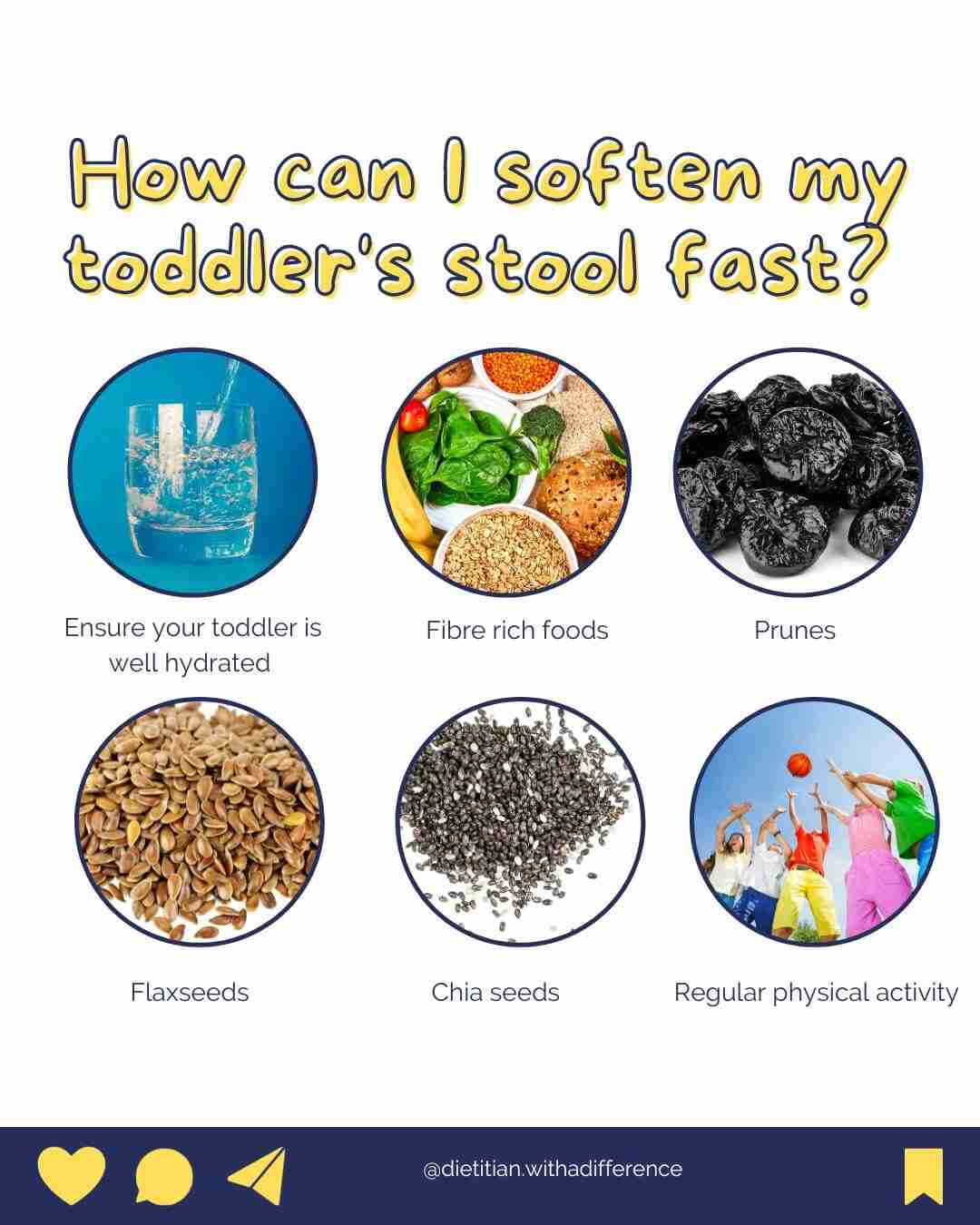
Image Source: dietitianwithadifference.co.uk
What Is Constipation for a Toddler?
Think about your toddler’s usual poop. How often do they go? What does it look like? Toddler poop changes a lot as they grow and eat different foods.
Constipation in toddlers means their poop is hard, dry, and hard to pass. It might look like small pebbles or large, hard lumps. They might not poop as often as they used to.
Some toddlers poop once a day. Others might go every two or three days. What matters most is if the poop is soft and easy to push out. If your toddler’s poop is hard or causes pain, they are likely constipated, even if they go every few days.
Spotting the Clues: Signs Your Toddler Might Be Constipated
How can you tell if your toddler is constipated? They can’t always tell you clearly how they feel. But their body and actions give clues. Knowing the signs toddler is constipated helps you know when to step in.
Here are common signs:
- Less Frequent Poops: They go fewer times than normal. Maybe they used to go every day, but now it’s every two or three days.
- Hard, Dry Stools: The poop is hard, small, and dry. It might look like little balls.
- Pain or Crying During Poop: They strain, cry, or look like they are hurting when trying to poop.
- Tummy Pain: They might complain their belly hurts. This pain can come and go.
- Straining A Lot: You see them push and push without much coming out.
- Small Smears in Diaper or Underwear: This is often poop leaking around a blockage higher up. It can look like diarrhea but is a sign of severe constipation.
- Loss of Appetite: They might not want to eat as much.
- Feeling Unhappy or Cranky: Being constipated feels bad. It can make a toddler feel moody or fussy.
- Arching Back or Clenching Buttocks: They might do this to try and hold poop in because they are scared it will hurt. This is a big sign of
toddler poop withholding.
Why Your Little One Isn’t Pooping: Deciphering the Reasons
It can be puzzling why is my toddler not pooping. Many things can cause it. It’s rarely serious, but it’s important to figure out the reason to help them.
Here are common reasons for toddler constipation:
- Changes in Diet: Moving from baby food to solids or drinking less formula/breast milk and more milk. Too much milk and not enough fiber can cause problems. Not eating enough fruits, veggies, and whole grains is a big reason.
- Not Enough Fluids: Water helps poop stay soft. If they don’t drink enough water, poop gets hard and dry. This is extra true if they eat lots of dry snacks.
- Holding It In (Poop Withholding): This is super common in toddlers. They might hold poop because it hurt last time, they don’t want to stop playing, or they are scared of the potty. This is
toddler poop withholding. The longer they hold it, the harder it gets, making the problem worse. - Changes in Routine: Travel, a new daycare, visitors, or even just small changes can stress a toddler. This stress can affect their gut and lead to constipation.
- Illness: When a toddler is sick, they might eat and drink less. This can slow things down. Some medicines can also cause constipation.
- Potty Training Pressure: Starting
potty training and constipationoften go together. Toddlers might be scared of the potty, scared of the feeling of pooping, or just want control. They learn they can hold poop in. This can start a cycle of holding and pain. - Not Enough Exercise: Being active helps move food through the gut. Toddlers who don’t move around much might be more likely to get constipated.
- A Small Medical Reason: Very rarely, constipation can be a sign of another health issue. This is not common, but it’s why talking to a doctor is important if it doesn’t get better.
The Cycle of Holding: Interpreting Toddler Poop Withholding
Toddler poop withholding is one of the most frustrating causes of constipation for parents. Your toddler feels the urge to poop. But instead of going, they tighten their bottom muscles and try hard to not poop.
Why do they do this?
- Fear of Pain: If they had a hard, painful poop once, they might be terrified of it happening again. So, they hold it in to avoid the pain. Sadly, holding it makes the next poop even bigger and harder, making the fear and pain worse. It’s a tough cycle.
- Not Wanting to Stop Playing: Toddlers are busy! Pooping takes time. They might not want to stop playing or doing something fun to go to the bathroom.
- Desire for Control: Toddlers are learning they are separate people and can make choices. Controlling their body and when they poop is one area they can take charge.
- Disliking the Toilet: If they are potty training, they might dislike the toilet, the sound of the flush, or the feeling of sitting on it.
- Shyness or Privacy: Some toddlers don’t like pooping in public places or even with parents watching.
When a toddler withholds poop, the stool sits in the end of the gut (rectum). Water is absorbed from it, making it harder and bigger. When they finally can’t hold it anymore, it’s often a large, painful poop. This pain then makes them want to hold it in again next time. Breaking this cycle is key to treating toddler constipation caused by withholding.
Getting Things Moving: Treating Toddler Constipation
The good news is that you can do a lot to help your toddler. Treating toddler constipation usually starts with simple changes. The goal is to make poop soft and easy to pass so they aren’t scared anymore and the withholding stops.
The main steps are:
- Change the Diet: Add more fiber and fluids.
- Encourage Movement: Help them play and be active.
- Create Good Habits: Set up regular potty times.
- Offer Natural Helpers: Use simple home remedies.
- Use Medicine if Needed: Sometimes, a doctor might suggest a laxative for
toddler constipation relief. This is often needed to clear the blockage and allow the gut to reset. - Be Patient and Positive: Don’t make it a fight. Support your toddler.
Let’s look at these steps in more detail.
Natural Ways to Help: Help Toddler Poop Naturally
Before jumping to medicines, try natural ways to offer toddler constipation relief. These methods are safe for everyday use and help build healthy habits.
Drink Up! More Fluids
Water is like a lubricant for the gut. It helps fiber work better and keeps poop soft.
- Offer Water Often: Make water available all day. Use a fun cup or water bottle.
- Limit Milk: Too much cow’s milk can be constipating for some toddlers. Aim for about 16-20 ounces (2-2.5 cups) per day for toddlers over one. Offer water with meals and snacks instead of milk every time.
- Try Certain Juices: Small amounts of 100% fruit juice can help, especially prune, pear, or apple juice. These juices have sugars that are hard to digest, which pull water into the gut.
- Offer 2-4 ounces (1/4 to 1/2 cup) per day max. Too much juice has lots of sugar and can cause other tummy problems or spoil their appetite for food.
- Diluting the juice with water (half juice, half water) is a good idea.
- Prune juice is often the most effective
home remedies for toddler constipation.
Get Moving! More Activity
Movement helps the digestive system work better.
- Encourage Play: Running, jumping, dancing, riding a trike – any active play helps!
- Family Walks: Make being active a family thing.
Food Power: Best Foods for Toddler Constipation
Diet is a huge part of help toddler poop naturally. You need to increase fiber intake. Fiber adds bulk to poop and holds onto water, making it softer and easier to pass.
Here are some of the best foods for toddler constipation:
Fruits:
- Prunes/Prune Juice: These are often number one for a reason! They have lots of fiber and sorbitol, a natural laxative. Offer dried prunes (cut up) or prune juice.
- Pears/Pear Juice: Another great choice, similar to prunes.
- Apples/Apple Sauce: Especially with the skin on (wash well and cut small).
- Berries: Raspberries, blueberries, strawberries. High in fiber.
- Peaches and Plums: Fresh, canned (in juice, not syrup), or dried.
- Apricots: Fresh or dried.
Vegetables:
- Broccoli: Cooked until soft.
- Peas: Cooked or frozen (can be a choking hazard, watch closely).
- Beans: Black beans, kidney beans, lentils. Can be added to soups, stews, or mashed up.
- Sweet Potatoes: Mashed or roasted.
- Spinach: Cooked spinach, added to sauces.
Grains & Legumes:
- Oatmeal: Choose old-fashioned or steel-cut oats if possible (higher in fiber).
- Whole Grain Bread/Pasta: Switch from white to whole wheat.
- Barley
- Lentils
Other:
- Popcorn: For older toddlers who can chew well (can be a choking hazard).
- Flaxseeds or Chia Seeds: A small amount mixed into yogurt or applesauce (start very small, like 1/2 teaspoon). They absorb water and add fiber.
Here’s a simple table of high-fiber foods:
| Food Type | Examples of High-Fiber Options | Tips for Toddlers |
|---|---|---|
| Fruits | Prunes, Pears, Apples (with skin), Berries, Peaches | Offer dried, fresh, or in applesauce/puree forms |
| Vegetables | Broccoli, Peas, Beans, Sweet Potatoes, Spinach | Cook until soft, mash, or hide in sauces |
| Grains | Oatmeal, Whole Wheat Bread/Pasta, Barley | Choose whole grain versions, offer warm cereal |
| Legumes | Lentils, Black Beans, Kidney Beans | Add to soups, stews, or mash |
| Seeds (Small) | Flaxseeds, Chia Seeds | Sprinkle tiny amounts in yogurt or applesauce |
Avoid Problem Foods (or Limit Them)
While increasing good foods, also be mindful of foods that can worsen constipation:
- Too much cow’s milk or dairy (cheese, yogurt – though plain yogurt can be good due to probiotics).
- White bread, white pasta, white rice (low in fiber).
- Processed snacks like crackers, chips, cookies.
- Bananas (especially unripe ones).
- Cooked carrots (raw are better for fiber).
It’s not about banning these foods forever, but ensuring the diet has enough fiber and fluids to balance them out.
Simple Helps at Home: Home Remedies for Toddler Constipation
These are gentle home remedies for toddler constipation you can try alongside diet changes.
- Warm Bath: A warm bath can relax the belly muscles and help make it easier to pass poop.
- Tummy Massage: Gently massage your toddler’s tummy in a clockwise circle. You can also do bicycle legs while they are lying down. This helps move things along inside.
- Scheduled Potty Time: Set up regular times for your toddler to sit on the potty or toilet (with a child seat and foot support). The best time is often 15-30 minutes after a meal, as eating stimulates the gut. Even 5-10 minutes sitting calmly can help create a habit. Make it a positive time, maybe reading a book. Don’t force them to stay if they are upset.
- The “P” Fruits: Remember the P fruits: Pears, Prunes, Peaches, Plums. These are your best fruit friends for constipation relief.
Potty Training Pitfalls: Grasping Potty Training and Constipation
Potty training and constipation is a very common pair. Starting potty training can make constipation appear or get worse for several reasons:
- Fear of the Potty: The size, the flush, or the act of letting go on the potty can be scary.
- Fear of Falling: If their feet don’t touch the ground (use a stool!), they might feel insecure.
- Wanting Control: They might realize they can control when and where they poop by holding it in.
- Ignoring Body Signals: In the rush of learning, they might ignore the urge to poop until it’s too late or too hard.
- Changes in Routine: Potty training itself is a big change.
How to Manage Constipation During Potty Training:
- Don’t Push Too Hard: If constipation is a major issue and causing distress, it might be okay to pause potty training for a bit until the constipation is better managed and pooping is no longer painful or scary.
- Make Potty Time Relaxed: Don’t pressure them to poop. Just have them sit for a few minutes after meals. Read a book or sing a song.
- Use a Foot Stool: Make sure their feet are supported when sitting on the toilet. This helps them push properly.
- Praise Effort, Not Just Success: Praise them for sitting on the potty or for telling you they need to go, even if nothing happens.
- Address the Fear: If you suspect fear is the cause, work on making pooping pain-free first through diet, fluids, and potentially medical help (discussed next). Once pooping is easy, the fear lessens.
When Nature Needs a Boost: Toddler Laxative Options
Sometimes, diet and home remedies for toddler constipation aren’t enough, especially if your toddler has been holding poop for a while or has a significant backup. In these cases, a doctor might recommend a medication for toddler constipation relief.
It is VERY Important to talk to your child’s doctor before giving any medication, including laxatives, to your toddler. They can figure out the right type and dose for your child’s specific situation.
Here are some common toddler laxative options a doctor might suggest:
- Stool Softeners (like PEG – Polyethylene Glycol, often known as Miralax): This is a powder mixed into drinks. It works by pulling water into the stool, making it softer and easier to pass. It’s not absorbed by the body. It’s often used for longer periods to help break the cycle of withholding and painful poops. It can take 1-3 days to work fully.
- Osmotic Laxatives (like Lactulose or Sorbitol): These are liquids that also draw water into the bowel.
- Stimulant Laxatives (like Senna or Bisacodyl): These make the bowel muscles contract to push stool out. They usually work faster (within hours). Doctors typically use these for shorter periods or to clear a large blockage first, as they can cause cramping.
- Glycerin Suppositories: These are inserted into the bottom. They work quickly (usually within 15-60 minutes) by irritating the rectum and helping the child pass a stool. They are often used for quick relief from a blockage or to help pass a planned potty time poop. These are for occasional use.
Important points about toddler laxatives:
- Doctor’s Guidance: Always get advice from your pediatrician first. They will confirm it’s constipation and recommend the best
treating toddler constipationplan, including if medication is needed. - Not a Quick Fix: Laxatives, especially stool softeners, are often used for weeks or even months. This gives the gut time to empty regularly, the stool to become soft, and the toddler time to overcome the fear of pooping.
- Follow Instructions: Give the exact dose the doctor recommends.
- Combine with Lifestyle Changes: Medicine works best when combined with diet changes, fluids, and good potty habits.
Using a laxative under a doctor’s care is not usually harmful or habit-forming in the way parents might worry about adult laxatives. It’s often a necessary step to break the pain-withholding cycle and allow the child to learn that pooping doesn’t have to hurt.
When to Call the Doctor
While most toddler constipation can be helped with home care and diet changes, there are times when you need to call the doctor right away.
Call the doctor if you see any of these signs toddler is constipated:
- Constipation lasts longer than a week despite trying home care.
- Your toddler has severe tummy pain.
- Your toddler is vomiting.
- You see blood in the poop.
- Their tummy looks very swollen or bloated.
- They are losing weight.
- They seem very sick or have a fever along with constipation.
- You think their constipation might be linked to another health problem.
Your doctor can check for other causes, give you the best treating toddler constipation plan, and talk about toddler laxative options if needed.
Putting It All Together: A Plan for Toddler Constipation Relief
Helping your toddler poop involves a few key steps. It takes time and patience, but it’s very doable. The goal is regular, soft, pain-free poops. This offers toddler constipation relief and helps prevent toddler poop withholding.
Here is a simple plan:
- Increase Fluids: Make sure your toddler drinks enough water throughout the day. Offer small amounts of diluted prune or pear juice if needed. Limit milk and sugary drinks.
- Boost Fiber in Food: Add more fruits (especially P fruits), vegetables, whole grains, and beans to their meals. Use the list of
best foods for toddler constipation. Reduce low-fiber processed foods. - Get Them Moving: Encourage active playtime every day.
- Set Potty Time: Have your toddler sit on the potty or toilet for 5-10 minutes after meals, even if they don’t need to go. Make it a calm, positive time. Use a footstool.
- Be Patient: Don’t get upset about accidents or if they hold it in. Stay calm and supportive. This is especially important with
potty training and constipation. - Consider Home Remedies: Try warm baths or gentle tummy massages.
- Talk to the Doctor: If home changes don’t work after a few days to a week, or if you see worrying signs, call the doctor. They can guide you on
toddler laxative optionsor other treatments.
Remember that treating toddler constipation is often a process, not a one-time fix. It can take weeks or months to get back to a regular pattern, especially if toddler poop withholding has been happening. Stay positive and work with your child and your doctor.
Frequently Asked Questions
Here are some common questions parents have about toddler poop and constipation.
h4 What does normal toddler poop look like?
Normal toddler poop is usually soft and formed, like a sausage. It should be easy to pass without straining. The color can vary depending on what they ate, from brown to green to orange.
h4 How often should a toddler poop?
There’s no single right answer. Some toddlers poop several times a day. Others go once a day. Some go every two or three days. What matters most is that the poop is soft and comes out easily when they do go. If it’s hard, dry, and painful, that’s constipation, even if they go every day.
h4 Is it okay if my toddler’s poop is green?
Yes, green poop is usually fine. It can happen after eating lots of green veggies or foods with green food coloring. Iron supplements can also make poop green or black.
h4 How long can a toddler go without pooping?
It depends on the child and what is normal for them. If a toddler who normally poops every day hasn’t gone in 2-3 days and seems uncomfortable or the poop is hard, they are likely constipated. If a toddler normally goes every 3 days, going 4 days might be okay if they are not uncomfortable and the next poop is soft. But if they go 4-5 days or longer and are uncomfortable or passing hard stools, it’s a concern. Any time you are worried, especially if it’s been more than a few days and they seem uncomfortable or sick, call the doctor.
h4 Can milk cause constipation in toddlers?
Yes, for some toddlers, drinking too much cow’s milk can contribute to constipation. It’s low in fiber and can sometimes slow gut movement. Limiting milk intake (to about 16-20 oz/day for toddlers over one) and making sure they drink plenty of water and eat fiber-rich foods can help.
h4 Should I give my toddler fiber supplements?
Talk to your doctor first. Fiber supplements are available for children, but it’s usually best to try and get fiber from food first. If diet changes aren’t enough, a doctor might recommend a supplement or other medication.
h4 Can potty training make my toddler constipated?
Yes, it’s very common. Fear, wanting control, or not wanting to stop playing can all lead to toddler poop withholding during potty training. Be patient, make potty time positive, and address constipation proactively if you are potty training.
h4 How long does it take for diet changes to work?
It can take a few days to a week or two to see the full effect of diet and fluid changes. Be consistent with offering high-fiber foods and plenty of water every day.
h4 My toddler holds their poop. What can I do?
This is toddler poop withholding. It’s often due to past painful poops. Focus on making pooping painless by increasing fiber, fluids, and possibly using medicine prescribed by a doctor to keep stools soft. Set up regular, calm potty times. Don’t punish or get angry about holding or accidents. Praise any effort to go.
h4 What are the safest laxatives for toddlers?
The safest laxatives for toddlers are typically osmotic types like PEG (Miralax) or Lactulose, used under a doctor’s guidance. They work gently by drawing water into the bowel. Always check with your pediatrician before giving any laxative to your toddler.
Getting your toddler’s poop back on track can be challenging, but with patience, the right diet, plenty of fluids, activity, and knowing when to ask for help from your doctor, you can help them feel much better.