
Getting a urine sample from a toddler for a medical test can be very hard. Doctors often need urine to check for things like an infection, especially a UTI (urinary tract infection). The main way to get a sample is to catch the pee in a cup or use a special bag. This article will explain different ways how to make toddler pee for urine test and collect the sample.
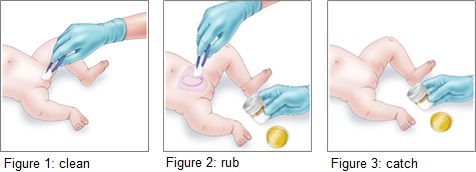
Image Source: www.rch.org.au
Why a Toddler Might Need a Urine Test
Children, including toddlers, sometimes need to give a urine sample. Doctors ask for this test to check for different health problems.
Checking for Infections
A big reason for a urine test is to look for a UTI. A UTI is a common cause of fever in young children. Toddlers cannot always say what is wrong. A urine test helps doctors know if they have this infection.
Looking for Other Health Issues
Urine tests can also check how the kidneys are working. They can find sugar or protein in the urine. This can show other health problems. So, getting a sample is an important step in finding out what is making a child sick.
Getting Ready: Steps Before You Start
Before you try to catch the pee, you need to get ready. This makes the process easier for you and your child.
Talk to the Doctor or Nurse
Ask the doctor or nurse exactly what they need.
* Do they need a “clean catch” sample? This means the pee must not have germs from the skin.
* What kind of container should you use? They might give you a special cup or bag.
* How much pee do they need?
* Where do you take the sample when you are done?
Knowing these things first helps a lot.
Gather Your Supplies
Have everything ready before you start.
* The collection cup or bag from the doctor.
* Special wipes or soap and water to clean the area.
* Extra diapers or pull-ups.
* Something to keep your child busy and happy (a toy, a book).
* Paper towels or a towel for spills.
* A helper if possible.
Plan Your Timing
Timing is very important for collecting toddler urine.
* Try when your child usually wakes up. They often need to pee soon after waking.
* Try about an hour after they drink a lot of liquid. Giving them something to drink can help them need to pee.
* Do not start right after they have just peed. Wait for their bladder to fill up again.
Prepare Your Child
Even young toddlers can understand simple ideas.
* Use easy words to tell them you need them to pee in a special cup.
* Show them the cup. Say it is for the doctor.
* Do not make it seem scary. Be calm and cheerful.
* Explain that you will help them.
* For older toddlers, you can make it a game.
Different Ways to Collect Toddle Pee
There are a few main ways to collect pee from a toddler. The best way depends on the child’s age, if they use the potty, and why the test is needed. Pediatric urine collection methods vary.
The Clean Catch Method
The clean catch urine sample toddler is the best kind of sample. It has the fewest germs from the skin. This gives the most accurate test results. But it can be hard to get from a toddler. It works best for toddlers who are potty trained or are learning.
Steps for a Clean Catch (Girls)
- Wash your hands well.
- Take off her diaper or pants.
- Have her sit on the toilet if she uses it. Or have her stand or sit over the collection cup. Someone might need to hold the cup.
- Use special wipes or soap and water to clean her genital area. Clean from front to back. Use a new wipe for each stroke. Rinse with clean water if using soap. Pat dry. It is very important to do this step well for a clean catch.
- Keep the area open with one hand. Hold the cup in the other hand.
- Wait for her to start peeing.
- Catch the pee in the middle of her stream. Do not catch the first bit of pee. Let some pee go into the toilet or diaper first. Then quickly move the cup into the stream.
- Take the cup away before she stops peeing.
- Close the cup tightly right away.
- Clean her and help her get dressed.
Steps for a Clean Catch (Boys)
- Wash your hands well.
- Take off his diaper or pants.
- Have him stand or sit over the collection cup. Someone might need to hold the cup.
- If he is not circumcised, gently pull back the foreskin. Clean the tip of his penis with special wipes or soap and water. Use a new wipe for each stroke. Rinse with clean water if using soap. Pat dry.
- Wait for him to start peeing.
- Catch the pee in the middle of his stream. Let some pee go first, then quickly move the cup into the stream.
- Take the cup away before he stops peeing.
- Close the cup tightly right away.
- Put the foreskin back if you pulled it back. Clean him and help him get dressed.
Using a Urine Collection Bag
A urine collection bag toddler is a small plastic bag with sticky stuff on one side. It sticks to the skin around the child’s genitals. The pee goes into the bag. This is often how to get urine sample baby or for toddlers who are not potty trained. It is part of a toddler urine collection kit you might get from the doctor.
How to Use a Urine Collection Bag
- Wash your hands well.
- Clean the child’s genital area very well with soap and water. Rinse and dry completely. The skin must be clean and dry so the bag sticks well. This is like the cleaning step for a clean catch, but extra important here.
- Peel the backing off the sticky part of the bag.
- For a girl: Place the bag so the opening covers her urethra (where the pee comes out) and labia. Make sure the sticky part seals all around the area.
- For a boy: Put his penis through the opening in the bag. Stick the bag to the skin around the base of his penis. Make sure the sticky part seals all around.
- Put a diaper on over the bag. Make sure the bag is flat inside the diaper. You can cut a small hole in the front of the diaper to let the bag hang out a bit, pointing down. This helps the pee go into the bag.
- Check the bag often (every 15-20 minutes). As soon as there is some pee in the bag, take it off.
- Carefully peel the bag off the skin. Try not to let the pee spill.
- Pour the pee from the bag into the collection cup given by the doctor.
- Close the cup tightly.
Pros and Cons of Using a Bag
- Pros: Can be easier than catching pee in a cup for young toddlers or babies. Does not require timing the pee stream.
- Cons: The sample is not as “clean” as a clean catch. Skin germs can get into the bag. The bag can leak or fall off. It can irritate the child’s skin. The child must be checked very often so the pee does not sit in the bag for too long (which can change the results).
Other Tips for Collecting Toddler Pee
Sometimes, the standard methods do not work. Here are some other ideas and tips for collecting toddler pee:
Stimulating the Child
- Running water: Turn on a faucet. The sound of running water can make some children feel the urge to pee.
- Warm water: A warm bath can sometimes help a child relax and pee. You can try to catch the pee in the tub or right after they get out. Be careful to clean the area first if you need a clean sample. Some doctors might suggest gently pouring warm water over the child’s lower belly while they sit on the potty or over a container.
- Gentle pressure: Some nurses use a method called suprapubic tapping or gentle massage. This is pressing lightly on the lower belly above the pubic bone. Do not do this unless a doctor or nurse shows you exactly how.
Timing and Waiting
- Give the child something to drink and then wait. Be patient. It can take time.
- Keep them happy and relaxed while you wait. Do not make them feel stressed about peeing.
- Stay in the bathroom or near the toilet area if you are trying a clean catch. Be ready to catch the pee the moment it starts.
The Potty Method
If your toddler uses a potty, you can try putting a clean cup inside the potty chair before they sit down. Make sure the cup stays upright. Or, after they pee in the potty, you can try to scoop the pee into the collection cup right away. Note: Pee from the potty is usually not considered a clean catch because the potty chair is hard to keep perfectly sterile. Only use this method if your doctor says it is okay or if a clean catch is not needed.
The Bowl Method (for clean catch attempt)
Some parents have success by having the child sit on the toilet seat backwards, facing the tank. Put a clean, dry bowl or plastic container in the toilet bowl under the child. Then try the clean catch method. This can be easier than holding a small cup.
Facing Frustrating Toddler Urine Collection
Let’s be honest. Getting a pee sample from a toddler is often a frustrating toddler urine collection task. They do not understand why you need them to pee right now in a specific place. They might refuse, get scared, or simply not need to go when you are ready.
Stay Calm and Patient
Your child can feel your stress. Try to stay calm. It is okay if it does not work the first time. Or the second. Or the third.
Take Breaks
If it is not working and everyone is getting upset, take a break. Put a clean diaper on the child and try again later.
Ask for Help
If you cannot get the sample at home, call the doctor’s office. They deal with this all the time. They might have other ideas. They might have a nurse who can help you try at the office. Or they might decide the child needs to get the sample another way at a hospital or clinic.
Comparing Methods: Clean Catch vs. Bag
Here is a simple look at the two main ways to collect pee:
| Feature | Clean Catch | Urine Collection Bag |
|---|---|---|
| Sample Quality | Best (Fewest skin germs) | Okay (More chance of skin germs) |
| Difficulty | Can be Hard (Requires timing and aim) | Can be Easier (Sticks on and collects) |
| Best For | Potty-trained toddlers / Older toddlers | Babies / Toddlers in diapers |
| Process | Wait, clean, catch mid-stream | Clean very well, stick bag, wait, remove |
| Speed | Can be Quick if timed right | Can take longer (waiting for pee to fill bag) |
| Risk of Error | Missing the stream, sample touching skin | Bag leaking, bag falling off, skin irritation, sample contamination |
Choosing the method depends on the situation. The doctor might tell you which one they prefer or need. For collecting urine sample child UTI, a clean catch is often preferred for the most accurate result, but a bag is used if a clean catch is too hard.
What If You Cannot Get the Sample?
You tried the clean catch. You tried the bag. You tried tricks like running water. But you still cannot get any pee. This happens.
Call Your Doctor
Do not feel bad or guilty. Call the doctor’s office. Tell them you could not get the sample.
Other Options
The doctor might suggest you come to the office to try there. They might have special supplies or techniques. In some cases, especially if the child is very sick and a sample is needed fast, the doctor might need to get the sample another way. This could be using a catheter (a small tube put into the bladder) or a suprapubic aspirate (using a needle to get pee directly from the bladder). These methods are usually done by trained medical staff in a clinic or hospital. These are urine bag alternative toddler methods used when home collection fails or a very clean sample is needed urgently.
Caring for the Sample
Once you get the pee sample, care for it properly.
- Close the container tightly. Make sure the lid is on well so it does not spill.
- Label the container. Write your child’s full name and date of birth on the label. Write the date and time you got the sample.
- Keep it cool. Urine samples should be taken to the lab quickly. If you cannot take it right away, ask the doctor if you should put it in the refrigerator. Often, samples need to be kept cool if there is a delay.
- Take it to the lab. Follow the doctor’s instructions on where and when to deliver the sample.
Making Sense Of Preparing
Good preparation is key. This includes getting the right supplies and knowing the steps. It also means preparing yourself mentally for a task that might take time and patience. Having a clean collection container and knowing how to use it is part of a toddler urine collection kit.
Make sure you have everything you need before you start. This stops you from having to stop and search for things in the middle of trying to catch the pee.
Table of Common Supplies
| Item | Purpose | Notes |
|---|---|---|
| Collection Cup (Sterile) | To catch the pee (clean catch) | Usually given by doctor/lab |
| Urine Collection Bag (Sterile) | To stick on skin and collect pee | Often comes in a kit |
| Cleansing Wipes or Soap/Water | To clean the genital area before collecting | Important for clean catch or bag |
| Diapers/Pull-ups | For after collection, or over bag | Have extras ready |
| Small Towel/Paper Towels | For spills | Accidents happen |
| Toy/Book | To keep child calm/busy while waiting | Distraction can help |
Figuring Out Why It Is Hard
Why is collecting urine sample child uti so hard for parents?
* Lack of control: Toddlers do not control when they pee.
* Fear: They might be scared or confused by the process or the container.
* Not needing to go: You might try when they just went.
* Movement: Toddlers wiggle! Holding a cup or keeping a bag in place is hard.
* Skin sensitivity: The sticky part of the bag can bother their skin.
Knowing that it is a common challenge helps. You are not the only parent who finds this difficult. It is part of why frustrating toddler urine collection is a common topic.
Seeing Potential Problems
When trying to get a sample, some issues can come up:
* Sample is dirty: The sample might have germs from the skin or diaper. This means the test results might not be clear. The doctor might need another sample.
* Not enough pee: Some tests need a certain amount of pee. If you do not get enough, you might need to try again.
* Sample spills: It is easy to spill a small amount of pee from a bag or cup. Try to have a towel ready.
* Child refuses: The child might just not cooperate. Patience and breaks are key here.
If the sample might not be clean or if you did not get enough, tell the doctor or lab when you drop it off. It is better they know.
Easiest Way to Collect Toddler Urine?
Is there an easiest way to collect toddler urine? Not really one way that works for everyone.
* For a potty-trained toddler, a clean catch can be the easiest if they cooperate and you time it right.
* For a child in diapers, using a urine collection bag might seem easier at first because you just stick it on. But it can be hard to get a clean sample and keep the bag in place.
* Sometimes, using a warm stimulus like water while the child is on the potty is what finally works.
The easiest way is often the one that finally gets a usable sample for your child in your situation. It might take trying more than one method.
Summary of Key Tips
- Talk to the doctor first.
- Get all supplies ready.
- Plan your timing (after waking, after drinking).
- Clean the child well before trying to collect.
- If using a clean catch, aim for the middle of the pee stream.
- If using a bag, check it often and remove it as soon as there is pee.
- Stay calm and patient.
- Do not be afraid to call the doctor if you cannot get a sample.
- Handle the sample carefully (close, label, keep cool).
Collecting a urine sample from a toddler is a common task for parents but rarely an easy one. By being prepared, knowing the different methods, and staying patient, you can increase your chances of success. Remember that it is okay to ask for help if you need it.
Frequently Asked Questions
How long can I keep a toddler urine sample before taking it to the doctor?
Usually, the sample should get to the lab within one hour if kept at room temperature. If you cannot take it that quickly, you might need to put it in the refrigerator. Ask your doctor or the lab staff exactly what to do. Refrigerating samples usually keeps them okay for a few hours, but quicker is always better.
My child is scared of the collection cup/bag. What can I do?
Let your child see and touch the cup or bag beforehand. Explain in simple words what it is for. Make it seem like a normal, not scary, thing. You can let them play with a different clean cup or toy bag. Do not force them or get upset, which can increase their fear. If they are very scared, talk to your doctor about other ways to get the sample.
What if my toddler accidentally pees in the diaper right after I tried a clean catch?
This happens all the time! Just clean them up and try again. If you are trying the clean catch method, the pee must go directly from the child into the sterile cup without touching anything else. Pee that goes into a diaper cannot be used for a clean catch.
Can I use a regular clean cup from my kitchen?
It is best to use the special sterile cup or bag given by the doctor or lab. Regular cups are not sterile and might have small amounts of soap or other things that could affect the test results.
How much pee is needed for the test?
The amount needed can vary depending on the test the doctor ordered. Often, only a small amount (maybe one or two tablespoons) is enough. Ask the doctor or check the instructions that came with the collection kit. Do not wait for the bag or cup to be completely full. Get the sample you can and take it in. If it is not enough, the lab will let the doctor know.
My toddler’s skin is red after using the urine collection bag. What should I do?
Gently wash the area with mild soap and water. You can put a little diaper cream or petroleum jelly on the skin to help it heal. Make sure the skin is completely dry before putting on a new bag if you have to try again. If the redness looks bad or bothers your child a lot, call your doctor.