
It can be truly stressful when your toddler struggles to poop. Many parents wonder what to do when toddler won’t poop, or if their child is constipated. The good news is that constipation is very common in young children, and there are many simple steps you can take at home to help your little one poop comfortably again. This guide will walk you through finding out why it’s happening and easy ways to help.
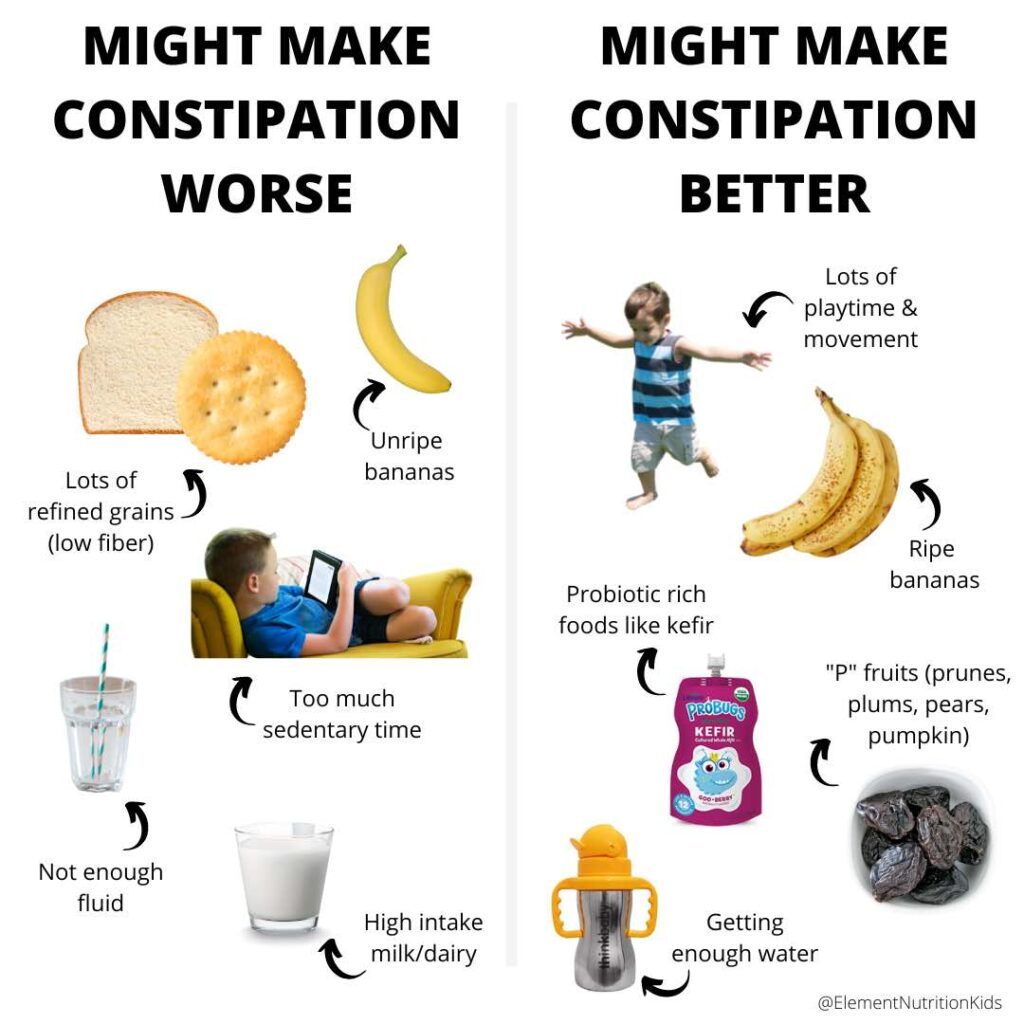
Image Source: www.elementnutritionco.com
Figuring Out Why Pooping Gets Hard
Sometimes, a toddler’s poop gets hard or happens less often. This is called constipation. It’s helpful to know what might be causing it. It’s not usually serious, but it can make your child feel bad.
Here are some common reasons toddlers have trouble pooping:
Diet Changes
When toddlers switch from breast milk or formula to solid foods, their bodies are getting used to new things. Eating less fiber or not drinking enough water can make poop harder. Sometimes, drinking too much cow’s milk can cause problems too.
Not Drinking Enough Water
Water helps keep poop soft. If a toddler doesn’t drink enough water, their body takes water from the intestines. This makes the poop dry and hard.
Holding Poop In
This is known as toddler poop withholding. It’s a very common reason for constipation. Toddlers might hold poop in because:
* They don’t want to stop playing.
* They had a painful poop before and are scared it will hurt again.
* They don’t like using the potty yet during potty training.
* They don’t like pooping in their diaper in certain places.
When a child holds poop in, the poop stays in the body longer. The body keeps taking water out of it. This makes the poop bigger, harder, and more painful to pass. This can create a bad cycle: painful poop leads to holding it in, which leads to harder poop, which leads to more pain.
Potty Training Pressure
Potty training can be a tricky time for pooping. Some toddlers feel pressure to perform. Some are scared of the toilet. Others miss the feeling of pooping in their diaper. This can lead them to hold it in.
Sickness
When a toddler is sick, they might eat or drink less. This can make them constipated. Some medicines can also cause constipation.
Changes in Routine
Traveling, starting daycare, or even just having visitors can upset a toddler’s normal routine. This can affect their bowel movements.
Rare Problems
Very rarely, constipation can be a sign of another medical issue. If constipation is severe, lasts a long time, or comes with other symptoms like weight loss or vomiting, you should see a doctor.
Spotting Signs of Constipation
How can you tell if your toddler is constipated or having trouble pooping comfortably? Look for these signs:
- Pooping less often than normal for your child. Normal can be anywhere from several times a day to once every few days. You know your child best.
- Poop that looks like small, hard pebbles.
- Poop that is very large and hard to pass.
- Crying or straining a lot when trying to poop.
- Pain or discomfort during pooping.
- Belly pain or bloating.
- Traces of liquid poop in their pants. This might look like diarrhea, but it can be liquid stool leaking around a hard blockage. This is a key sign of holding poop in.
- Loss of appetite.
- Acting irritable or unhappy.
- Crossing legs, stiffening body, hiding, or making faces when they feel the urge to poop (these are signs of holding it in).
If you see these signs, especially the hard or pebble-like poop, or the behaviors that show they are holding it in (toddler poop withholding), it’s time to take action.
Helping Poop Move: Simple Steps at Home
Most of the time, helping a toddler poop comfortably starts with simple changes at home. Think about diet, drinks, and daily habits. These are often the most effective constipation remedies for toddlers.
Power of Fiber: Diet for Hard Toddler Poop
Fiber is like nature’s scrub brush for the intestines. It adds bulk to poop and helps it hold water. This makes poop softer and easier to push out. A diet rich in high fiber foods for toddlers is key.
How much fiber does a toddler need? A simple rule of thumb is your child’s age plus 5 grams per day. So, a 2-year-old needs about 7 grams of fiber (2+5=7). A 3-year-old needs about 8 grams (3+5=8). Most toddlers don’t get enough fiber.
Here are some foods that help toddlers poop because they are high in fiber:
- Fruits: Pears, apples (with skin), berries (raspberries, blueberries), peaches, plums, apricots. Prune juice for toddler constipation is especially well-known for a reason! Whole fruits are best because they have more fiber than juice (except prune juice).
- Vegetables: Peas, broccoli, beans (black beans, kidney beans), sweet potatoes, carrots, spinach. Offer these often with meals.
- Grains: Whole-wheat bread, whole-wheat pasta, oatmeal, brown rice, high-fiber cereals (check the label for fiber content). Look for “whole grain” as the first ingredient.
- Legumes: Lentils, chickpeas, beans. You can add these to soups, stews, or mash them into dips.
- Nuts and Seeds: Almonds, walnuts, chia seeds, flax seeds (offer in ways safe for toddlers, like ground up or in baked goods, and watch for allergies).
Here’s a table showing fiber in some common toddler-friendly foods:
| Food Item (Common Serving) | Approximate Fiber (grams) | Notes |
|---|---|---|
| 1 small apple with skin | 3.5 | Good source of fiber and water |
| 1/2 cup raspberries | 4.0 | High fiber, good in yogurt or cereal |
| 1/4 cup cooked peas | 1.8 | Easy to add to meals |
| 1/4 cup cooked lentils | 4.0 | Can be mashed or added to sauces |
| 1 slice whole wheat bread | 2.0 | Choose bread with “whole wheat” first |
| 1/2 cup oatmeal (cooked) | 2.0 | Add fruit for extra fiber and flavor |
| 1/4 cup cooked black beans | 3.8 | Great in quesadillas or mashed |
| 1 small pear with skin | 4.0 | Soft and easy to eat |
| 3 prunes | 2.0 | Potent help for constipation |
| 1 tbsp chia seeds | 5.0 | Can add to yogurt, smoothies (needs fluid) |
Try to include high-fiber foods at every meal and snack. Offer fruit for dessert. Add beans to chili or soup. Use whole wheat bread for sandwiches. Small changes add up!
Prune Power: Using Prune Juice
Prune juice for toddler constipation is a well-known remedy. It works well for many toddlers. Prune juice has fiber, but it also has a natural sugar called sorbitol. Sorbitol is not well-absorbed by the body and helps pull water into the intestines. This softens the poop.
How much prune juice? Start with a small amount. For toddlers, 2 to 4 ounces a day is usually enough. You can give it all at once or split it into two doses. Don’t give too much, or it can cause diarrhea. You can mix it with water or another juice if your toddler doesn’t like the taste. Once poop is soft again, you can stop or reduce the amount. Remember, whole prunes also work well and have more fiber.
Drink More Water!
This is simple but very important. Make sure your toddler is drinking plenty of water throughout the day. Offer water often, especially between meals. Milk is important for calcium and vitamin D, but too much milk (more than 16-20 ounces a day) can sometimes make constipation worse and fill them up so they don’t eat fiber-rich foods or drink water.
Juice should be limited because of sugar content, but small amounts of 100% fruit juice (like prune, apple, or pear) can sometimes help with constipation. Water is the best drink for keeping poop soft.
Daily Habits to Encourage Pooping
Besides diet, daily habits play a big role in helping toddlers poop comfortably.
Get Bodies Moving
Being active helps move things along in the gut. Encourage your toddler to run, jump, play outside, and move their body. Active toddlers tend to have more regular bowel movements.
Set a Routine
Having a predictable daily routine can help. Try to encourage your child to sit on the potty or toilet at regular times each day. A good time is often after a meal, as eating helps activate the bowel. Even if they don’t poop, just sitting for 5-10 minutes can help them get used to the idea. Make it a calm, positive time. Read a book or sing a song.
Make Potty Time Positive
If your child is potty training, or even just starting to show interest, make pooping on the potty a happy thing. Praise effort, not just success. Don’t scold or punish if they have an accident or refuse to go. Pressure can make toddler poop withholding worse. Use stickers, a special book, or a small reward system for sitting or trying.
Make sure their feet are supported when they are on the potty or toilet. Their knees should be higher than their hips. This position helps the body push poop out more easily. A toddler toilet seat with a step stool works well.
Address Poop Withholding Gently
If you suspect toddler poop withholding is the main issue, forcing them to sit on the potty or demanding they poop will usually backfire. The key is to reduce their fear and make pooping painless again.
* Don’t pressure: Don’t make a big deal if they don’t go.
* Keep poop soft: Focus heavily on diet changes and fluids to make the poop soft enough that it won’t hurt when it finally comes out. This breaks the cycle of pain leading to holding.
* Offer breaks: If they are holding it, give them a break from whatever they are doing and gently suggest they sit on the potty “just to try.”
* Acknowledge feelings: Say things like, “It looks like your tummy feels funny. Maybe a little poop wants to come out?”
* Praise trying: Even if they just sit for a second, offer praise.
Helping them feel safe and in control is important when dealing with withholding.
When You Might Need More Help
Sometimes, diet changes and routine adjustments aren’t enough, especially if the constipation has been going on for a while or is causing a lot of pain. In these cases, you might need to consider gentle stool softeners for toddlers or other medical constipation remedies for toddlers, but always talk to your doctor first.
Over-the-Counter Helpers
- Stool Softeners: These don’t make the bowel work faster. They work by pulling more water into the stool, making it softer and easier to pass. A common and often recommended type for toddlers is Polyethylene Glycol 3350 (like MiraLAX, though there are generic versions). It is considered safe and is not absorbed by the body. It just passes through the gut. Your doctor will tell you the right dose for your child.
- Lactulose or Sorbitol: These are also types of sugars that pull water into the gut. They are available liquid form. Again, get the dose from your doctor.
These helpers are usually a temporary measure. They are used to clear out the hard, built-up poop and keep the poop soft while you work on long-term changes like diet and habits. They help break the cycle of painful poops and withholding.
Other Medical Treatments
In some cases, if there is a large amount of hard poop stuck, the doctor might recommend other treatments like a glycerin suppository or an enema to help clear the blockage quickly. These are usually only used for severe cases and only under a doctor’s guidance.
It is crucial to talk to your pediatrician before giving your toddler any medication, including over-the-counter stool softeners or suppositories. They can help figure out the best plan and dose for your child.
Putting It All Together: How to Treat Toddler Constipation
Treating toddler constipation effectively usually involves a combination of strategies. Here’s a summary of the steps:
- Identify the Problem: Look for signs of constipation (hard stools, less frequent pooping, pain, holding behaviors).
- Boost Fiber in Diet: Add more high fiber foods for toddlers daily (fruits, vegetables, whole grains, beans, legumes). Aim for age + 5 grams per day. Use the diet for hard toddler poop tips.
- Increase Water Intake: Make sure your toddler is drinking plenty of water throughout the day. Limit juice and excessive milk.
- Use Prune Juice or Prunes: Offer 2-4 ounces of prune juice or a few whole prunes daily if needed to help soften stool initially.
- Encourage Movement: Keep your toddler active with plenty of playtime.
- Establish a Poop Routine: Encourage sitting on the potty after meals, even for a short time, in a relaxed way.
- Address Withholding: If your child is holding poop in (toddler poop withholding), focus on making pooping painless with diet and fluids, and create a positive, pressure-free environment for potty time.
- Talk to Your Doctor: If home remedies aren’t working after a week or two, if constipation is severe, painful, or if you see signs of withholding, talk to your pediatrician. They can recommend and prescribe appropriate stool softeners for toddlers or other treatments if needed.
Helping your toddler poop comfortably is often a process. It might take time and trying different things to find what works best for your child. Be patient, stay positive, and celebrate small steps forward.
Making Pooping Comfortable: A Long-Term View
Preventing constipation is easier than treating it. Once your toddler is pooping comfortably, keep up the healthy habits:
- Keep offering fiber: Don’t go back to a low-fiber diet. Continue to include plenty of fruits, vegetables, and whole grains every day.
- Keep offering water: Make water the main drink throughout the day.
- Stick to routines: Regular meal times and opportunities to sit on the potty can help keep things regular.
- Listen to their body: Encourage your child to listen to their body’s signals that they need to poop. Don’t make them hold it when they feel the urge.
Think of these steps as part of a healthy lifestyle, not just a quick fix for constipation relief for toddlers.
Potential Challenges and How to Handle Them
Sometimes things don’t go perfectly. Here are a few common challenges you might face:
Picky Eaters
What if your toddler won’t eat the high-fiber foods you offer?
* Keep offering: Toddlers often need to see a new food many times before they try it.
* Be sneaky: Add pureed vegetables to sauces, mix beans into other dishes, add ground flaxseed or chia seeds to smoothies or yogurt.
* Make it fun: Cut fruits and veggies into fun shapes, use colorful foods, involve them in preparing food.
* Offer choices: “Do you want apple slices or pear slices with your snack?”
Refusal to Drink Water
- Make it accessible: Keep a sippy cup of water where they can reach it.
- Offer fun cups: Sometimes a new cup makes water more interesting.
- Add a little flavor: A squeeze of lemon or a few berries can make water more appealing.
- Be a role model: Let your toddler see you drinking water often.
Battles Over Potty Time
- Reduce pressure: This is the most important thing, especially with toddler poop withholding.
- Make it short: Even just sitting for 2 minutes is okay to start.
- Offer distractions: Books, songs, or small toys only for potty time.
- Never punish: Avoid any negative reactions to accidents or refusal.
- Take a break from training: If potty training is causing a lot of stress around pooping, it might be okay to pause training for a bit and just focus on softening the poop.
Remember, you are not alone in dealing with this. Many parents face similar issues. Stay calm, follow the steps, and work closely with your doctor if needed.
When to Seek Medical Help
While most toddler constipation can be managed at home, there are times when you should definitely call the doctor:
- Constipation doesn’t get better after a week or two of trying home remedies.
- Your child is in a lot of pain when trying to poop.
- You see blood in the stool (a little bit might be from small tears caused by hard stool, but it’s always good to check).
- Your child has stomach swelling or vomiting along with constipation.
- Your child is losing weight.
- Your child has other symptoms that worry you.
- You suspect toddler poop withholding is a major issue and need guidance on how to manage it.
Your doctor can properly assess your child, rule out other causes, and recommend the best course of action, which might include specific stool softeners for toddlers or other interventions. They are your best resource for how to treat toddler constipation safely and effectively.
Wrapping Up: Comfort is Key
Helping your toddler poop comfortably is about helping their body work smoothly and helping them feel safe and relaxed about using the toilet or their diaper. By focusing on a diet for hard toddler poop that includes high fiber foods, making sure they drink enough water, encouraging movement, and addressing any fears about pooping, you can make a big difference.
Remember, every child is different. Be patient with the process and with your child. With consistent effort and perhaps some guidance from your doctor, you can help your toddler pass stool more easily and comfortably, turning a potentially stressful issue into a manageable part of healthy growth.
Frequently Asked Questions
Q: Is it normal for a toddler to only poop every few days?
A: It can be. What’s “normal” varies a lot. Some toddlers poop multiple times a day, others only every few days. More important than how often they go is what the poop looks like and how your child acts. If the poop is soft and easy to pass, and your child is comfortable, pooping every few days might be normal for them. If the poop is hard and they seem uncomfortable, that’s constipation, no matter how often it happens.
Q: How much prune juice should I give my toddler?
A: Start with 2 to 4 ounces per day. You can give it all at once or split it. If that doesn’t help after a couple of days, you can slightly increase it, but don’t overdo it. Too much can cause diarrhea. It’s best to check with your doctor for the right amount for your child.
Q: Can cow’s milk cause constipation?
A: For some toddlers, drinking a lot of cow’s milk (more than 16-20 ounces a day) can contribute to constipation. It’s low in fiber and can fill them up, making them less likely to eat fiber-rich foods. Limiting milk intake and making sure they drink enough water and eat fiber can help.
Q: Are there natural constipation remedies for toddlers besides diet?
A: Yes, increasing fluids, encouraging activity, and warm baths can sometimes help relax the muscles and make it easier to pass stool. Gentle belly massage in a clockwise direction can also be tried. However, diet changes are usually the most effective natural approach. Always talk to your doctor before trying any new remedy.
Q: What are the signs that my toddler is holding their poop in?
A: Signs of toddler poop withholding include stiffening their body, crossing their legs, clenching their bottom muscles, hiding in a corner, making faces, dancing around, or crying when they feel the urge to poop. They are trying to stop the poop from coming out.
Q: How long does it take for diet changes to help constipation?
A: It can take a few days to a week or two for diet changes to make a big difference. Be patient and consistent. If constipation is severe, your doctor might recommend a stool softener initially to clear the blockage while the diet changes start to work long-term.