
A stuffy nose can make a toddler feel miserable. They can’t blow their nose well yet. This makes it hard for them to eat, sleep, and breathe easily. You might wonder, “Can I make my toddler sneeze to clear their nose?” Yes, sometimes you can gently encourage a sneeze. A sneeze is your body’s way of quickly pushing air and anything irritating out of the nose. For a toddler, a good sneeze can help loosen and move mucus that’s causing them trouble. This post will tell you about safe ways to encourage a sneeze and other gentle methods for toddler nasal congestion relief.
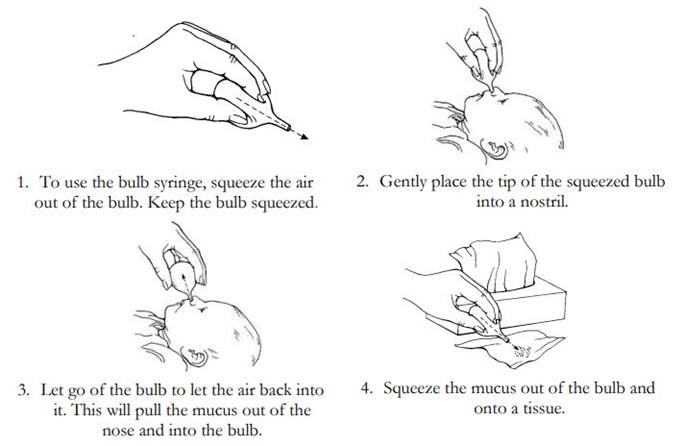
Image Source: www.nationwidechildrens.org
Why Toddlers Get Stuffy Noses
Toddlers get stuffy noses for a few reasons.
Often, it’s a simple cold. This is common because they are around other kids. They share germs. Toddler cold symptoms often include a runny or stuffy nose, maybe a cough, and sometimes a low fever.
Allergies can also cause a stuffy nose. Things like pollen or dust can make their nose run and get blocked.
Dry air can also make their nose feel blocked. This happens more in winter when heaters are on.
When a toddler’s nose is stuffy, it’s full of mucus. They need help to get it out.
How Mucus Gets Stuck
Mucus is made inside the nose. It traps germs and dirt. Usually, it moves slowly to the back of the throat. Then it is swallowed without you knowing.
But when a toddler has a cold or allergies, the nose makes more mucus. This mucus can get thick. It gets stuck in the small nasal passages. This makes it hard to breathe through the nose.
Signs of a Stuffy Nose in Toddlers
You can tell if your toddler has a stuffy nose.
Look for these signs:
* Breathing through their mouth more.
* Trouble eating or drinking (they can’t breathe well while sucking).
* Waking up more at night.
* Being fussy or irritable.
* Nasal sounds when breathing.
* Visible mucus in the nostrils.
Helping them clear toddler stuffy nose is important for their comfort.
Why Sneezing Can Help
Sneezing is a natural reflex. It’s like a quick explosion of air from the lungs, through the nose and mouth.
The body does this to get rid of things in the nose. These things can be dust, germs, or extra mucus.
Think of it like shaking a bottle to get something out. A sneeze does the same for the nose.
When a toddler sneezes, the force of the air can help loosen thick mucus. It can push some of the mucus out of the nostrils.
This can give them quick, even if temporary, relief. It can make it easier for them to breathe right away.
But it’s important to remember that sneezing alone might not clear everything. It’s just one tool to help.
Safe Ways to Encourage a Sneeze
You want to help your toddler feel better. You might try to make them sneeze. There are gentle ways to try this. The goal is to tickle the nerve endings inside the nostril. This triggers the sneeze reflex.
The Gentle Tissue Twist
This is one common method. It needs to be done with extreme care.
You need a soft tissue.
Twist a small, clean piece of the tissue. Make a soft, thin point.
Gently touch the very end of the twisted tissue just inside one nostril.
Only go a tiny bit in. Do not push it deep.
Just wiggle it gently right at the opening.
This tickle can sometimes make the toddler sneeze.
If they pull away or seem unhappy, stop right away. This must be done with their okay, not forced. Their comfort and safety come first.
Why This Might Work
The inside of the nose has tiny hairs and sensitive nerves. When you gently tickle these nerves, it sends a signal to the brain. The brain then tells the body to sneeze. It’s a protective action. It’s like saying, “Something is in here, let’s get it out!”
Bright Light Method
Some people sneeze when they see a bright light. This is called the photic sneeze reflex. Not everyone has this reflex.
If your toddler has this, sometimes taking them into bright sunlight might make them sneeze.
Be careful with their eyes. Don’t make them stare at the sun. Just moving from a dim room to a bright one might be enough if they have this reflex.
This method is very gentle. It doesn’t involve touching their nose.
But it doesn’t work for all toddlers.
What NOT to Do
It is very important to know what not to do. Some old ideas are not safe for toddlers.
Never use pepper or other strong smells. These can hurt the lining of the nose and lungs. They can cause coughing fits.
Never use anything sharp or push anything far up the nose. This can cause injury or bleeding.
Never force a sneeze. It should happen naturally with gentle encouragement.
Always be gentle and pay close attention to your toddler’s reaction. Stop if they show any sign of distress.
Other Safe Ways to Clear a Stuffy Nose
Encouraging a sneeze is one idea. But there are other methods that are often more effective for toddler nasal congestion relief. These methods help thin and remove the mucus directly. They are often recommended by doctors.
Using Saline Nasal Drops or Spray
This is one of the best ways to clear toddler stuffy nose.
Saline drops for toddler are simply salt water. They are safe to use. You can buy them at any pharmacy.
The salt water helps loosen thick mucus. It makes it easier to come out.
Think of hardened mud. If you add water, it gets soft and washes away. Saline does that for nose mucus.
How to Use Saline Drops Safely
Make sure you have drops or spray made for babies or toddlers.
Lay your toddler down on their back. Tilt their head back a little.
Put 1 or 2 drops of saline into each nostril.
Try to keep them still for a few seconds. This lets the saline work its way in.
Your toddler might sneeze or cough. This is okay.
The saline can help the mucus drain.
After a few seconds, you can use a nasal aspirator to help remove the loosened mucus.
Using a Nasal Aspirator
Once the mucus is loose from saline, a nasal aspirator helps get it out. This is a key tool to help toddler breathe easier.
There are different types of nasal aspirator for toddlers:
Bulb Syringe
This is a classic tool. It’s shaped like a bulb with a narrow tip.
Squeeze the air out of the bulb first.
Gently place the tip just inside the nostril. Don’t push it deep.
Slowly let the bulb expand. This creates gentle suction. It pulls mucus out.
Remove the syringe. Squeeze the mucus onto a tissue.
Clean the aspirator well after each use with soap and water. Make sure it’s dry before storing.
Manual Suction Aspirator (Tube Type)
This type has a tube. One end goes to a tip that goes in the toddler’s nostril. The other end has a mouthpiece for you to suck.
There is a filter in the tube to stop mucus from getting into your mouth.
Place the tip gently in the nostril.
Use your mouth to create gentle suction. You control the strength.
This can be very effective.
Again, clean it thoroughly after every use.
Electric Nasal Aspirator
These use a small motor to create suction. They are often shaped differently.
Follow the instructions that come with the device.
Place the tip gently in the nostril. Turn it on.
They provide steady suction.
These can be more expensive but are convenient for some parents.
Clean all parts that touch mucus according to the instructions.
Tips for Using an Aspirator
- Use saline drops before using the aspirator. This makes the mucus easier to remove.
- Do it when your toddler is calm. It might be easier after a warm bath.
- Hold their head gently but firmly to prevent sudden movements.
- Only suction for a few seconds in each nostril.
- Do not suction too hard. Gentle suction is enough.
- Clean the aspirator every time you use it. Germs can grow in mucus left inside.
Using saline and an aspirator together is a very effective way to relieve toddler runny nose and stuffiness.
Using a Humidifier
Dry air makes mucus thicker. It’s harder to clear.
A humidifier for toddler congestion adds moisture to the air. This helps thin the mucus in their nose and chest.
Thinner mucus drains more easily. It can help them breathe better, especially at night.
Types of Humidifiers
- Cool-mist humidifiers: These are best for children. They do not use heat, so there is no burn risk.
- Warm-mist humidifiers: These heat water to create steam. There is a burn risk if the toddler gets too close. Use cool-mist for safety.
How to Use a Humidifier Safely
Place the humidifier in the toddler’s room. Put it on a stable surface. Make sure they can’t reach it. Keep it away from cribs or beds so bedding doesn’t get damp.
Use clean water in the humidifier. Distilled water is best. Tap water can leave mineral deposits.
Clean the humidifier often. Follow the maker’s instructions. Humidifiers can grow mold and bacteria if not cleaned. Breathing these in can make your toddler sicker. Clean it every day or two.
Running a humidifier, especially overnight, is a simple home remedies toddler congestion method that supports other ways to clear the nose.
Steam from a Warm Shower or Bath
Warm, moist air helps loosen mucus.
You can create a steamy bathroom.
Close the bathroom door and windows.
Turn on the hot shower. Don’t put your toddler in the hot water stream.
Sit with your toddler in the steamy room for 10-15 minutes. You can read a book or play quietly.
The moist air they breathe will help loosen the mucus in their nose and chest.
After being in the steam, it might be a good time to try saline drops and the nasal aspirator. The mucus will be thinner.
Keeping Them Upright
Gravity can help mucus drain.
When your toddler is sleeping or resting, try to keep their head slightly raised.
If they sleep in a crib, you can put a towel under the mattress at the head end. This lifts the mattress a little. Do not put pillows or blankets in the crib with a baby or young toddler. These are not safe sleeping items.
When they are awake, encourage them to sit or play upright. This helps mucus drain down naturally.
Encourage Fluids
Making sure your toddler drinks enough is important when they are sick.
Fluids help keep the body hydrated. This includes keeping the mucus in their nose thinner.
Offer water, diluted juice, or breast milk/formula often.
If they are having trouble drinking because their nose is stuffy, clear their nose before offering a drink.
Gentle Facial Massage
A very gentle massage on the face can sometimes help loosen mucus and encourage drainage.
Using your fingertips, gently tap or stroke the areas around their nose, eyebrows, and cheekbones.
Do this very lightly. Don’t apply pressure.
This isn’t a guaranteed fix, but it might help some mucus move. It can also be soothing for your toddler.
Putting It All Together for Relief
Using a combination of these safe methods is usually the most effective way to relieve toddler runny nose and stuffiness.
Here is an example of a routine:
- Steam: Sit in a steamy bathroom for 10-15 minutes.
- Saline: Lay your toddler down and put saline drops in each nostril. Wait 30-60 seconds.
- Aspiration: Use a nasal aspirator to gently remove loosened mucus.
- Position: Keep them upright as much as possible.
- Humidifier: Run a cool-mist humidifier in their room.
- Fluids: Offer drinks often.
Repeat steps 1-3 as needed, especially before feeding or sleeping. Using these steps can greatly help toddler breathe easier.
These are all safe, gentle home remedies toddler congestion.
How to Clear Baby Nose (Younger Infants)
The methods for clearing a baby’s nose are very similar to those for a toddler.
Babies cannot sneeze on command. Gentle methods are key.
How to clear baby nose safely involves saline drops and aspiration.
Saline Drops for Babies
Use saline drops made for infants. The process is the same:
Lay baby down, tilt head back slightly.
Put 1-2 drops in each nostril.
Wait a few seconds.
Nasal Aspirator for Babies
Bulb syringes are often used for babies. Manual (tube type) aspirators are also safe and effective.
Use gently after saline.
Ensure the tip is clean and only inserted very slightly into the nostril.
Babies might fuss, but clearing their nose is important for feeding and breathing.
Electric aspirators can also be used following product instructions for infants.
Humidifier and Steam for Babies
Cool-mist humidifiers are safe and helpful for babies.
Sitting in a steamy bathroom is also safe for infants, held securely in your arms.
Keeping babies upright and ensuring they get enough fluids (milk or formula) are also vital.
The key is to be very gentle and patient when clearing a baby’s nose. Their nasal passages are very small.
When to Seek Medical Help
While most stuffy noses in toddlers are due to simple colds and get better on their own, sometimes you should call the doctor.
Contact your pediatrician if your toddler:
* Has trouble breathing. Look for fast breathing, sucking in their chest, or flaring nostrils.
* Has a stuffy nose that lasts longer than 10-14 days.
* Has thick yellow or green mucus for many days, especially with other symptoms.
* Has a high fever (check with your doctor for what temperature is high for their age).
* Seems very sick, is not active, or is not eating/drinking much.
* Shows signs of an ear infection (pulling at ears, fussiness).
* Develops a cough that sounds like barking or wheezing.
A stuffy nose can sometimes lead to other problems like sinus infections or ear infections. Your doctor can check for these and offer advice or treatment.
Preventing Future Congestion
While you can’t stop every stuffy nose, you can take steps to reduce the chances.
* Wash hands often: This is the best way to stop germs from spreading. Wash your hands and your toddler’s hands.
* Avoid sick people: Stay away from people who are clearly sick when possible.
* Clean surfaces: Wipe down toys and surfaces that are touched often.
* Healthy diet and sleep: A strong body can fight off germs better.
* Avoid irritants: Keep your home free of smoke (including third-hand smoke on clothes/furniture) and strong chemical smells.
Taking these steps can help keep your toddler healthier. But remember, stuffy noses happen. Knowing how to deal with them safely will make things easier for everyone.
Comprehending Mucus and Health
Mucus is a normal and healthy part of the body. It protects the airways. It traps things we don’t want to breathe in.
But when there is too much mucus, or it is too thick, it causes problems. Especially for little ones.
Helping them clear toddler stuffy nose is about helping their body manage this mucus better.
The goal is to ease their discomfort. We want to help toddler breathe easier.
Why Natural Methods Are Preferred First
For simple colds or mild allergies, starting with natural and gentle methods is often best.
Using saline, suction, and moisture are low-risk ways to provide toddler nasal congestion relief.
They support the body’s own ways of healing.
Avoid using over-the-counter cold medicines for toddlers unless a doctor tells you to. Many are not safe for young children. They may have serious side effects. They don’t always help with stuffiness anyway.
Using safe, simple methods helps your toddler feel better without unnecessary medicine. It gives them home remedies toddler congestion you can feel good about using.
Summarizing Safe Nose Clearing Methods
Here is a quick look at the safe ways to help a stuffy toddler:
| Method | How it Helps | Key Safety Tip |
|---|---|---|
| Encourage Sneezing | Can loosen and expel mucus | Only use gentle methods (tissue twist tip, bright light). NEVER use irritants. |
| Saline Drops/Spray | Thins mucus | Use product for babies/toddlers. 1-2 drops per nostril. |
| Nasal Aspirator | Removes loosened mucus | Use after saline. Be gentle. Clean well after each use. |
| Humidifier (Cool-Mist) | Adds moisture to air, thins mucus | Use cool-mist. Clean often with clean water. Keep out of reach. |
| Steamy Bathroom | Moist air loosens mucus | Sit with toddler. Don’t put them in hot water. |
| Upright Position | Helps mucus drain by gravity | Put towel under mattress for sleep (no pillows in crib). |
| Fluids | Keeps mucus thinner | Offer drinks often. Clear nose before feeding if needed. |
| Gentle Facial Massage | May help loosen mucus (less proven) | Use very light touch around nose/cheeks. No pressure. |
Using these methods safely can bring much needed toddler nasal congestion relief. They offer ways to clear toddler stuffy nose and relieve toddler runny nose. All aim to help toddler breathe easier.
Frequently Asked Questions (FAQ)
Here are some common questions parents ask about helping their toddlers with stuffy noses.
H4: How often can I use saline drops and a nasal aspirator?
You can use saline drops and a nasal aspirator several times a day as needed. For example, before feedings and before sleep times. This helps them eat and sleep better. Watch your toddler’s reaction. If it seems to bother them a lot, take breaks. Do not over-suction, as this can irritate the nose lining.
H4: Is green snot a sign of infection?
Not always. Mucus can change color during a cold. It often starts clear, turns white or yellow, and can become green. This color change is often part of the body’s normal process of fighting off the cold. Thick yellow or green mucus that lasts for many days, especially with other symptoms like fever or pain, might suggest a sinus infection. Call your doctor if you are worried.
H4: Can I use Vicks VapoRub on my toddler?
No. Products like Vicks VapoRub or other menthol rubs are not safe for young children, especially toddlers and babies. The strong vapors can actually irritate their airways. This can make breathing harder. There are some special chest rubs made for babies (often petroleum jelly with gentle scents like eucalyptus or rosemary, but not menthol), but it’s best to ask your doctor before using any rub on a young child. Using saline and a humidifier is much safer.
H4: My toddler hates the nasal aspirator. What can I do?
Many toddlers don’t like the aspirator. Try making it a game or letting them touch it first. Show them on a doll or stuffed animal. Do it quickly and then offer a hug or praise. Using the steamy bathroom first might make the mucus so loose that less suction is needed. If they really fight it, sometimes just using saline drops alone, followed by keeping them upright, is the best you can do. The saline itself helps loosen mucus, and they might swallow or sneeze it out.
H4: Can teething cause a stuffy nose?
Teething itself doesn’t directly cause a stuffy nose. However, teething can make babies and toddlers a bit run down. This might make them more likely to catch a cold virus that is already around. So, you might see a stuffy nose happen around the same time as teething, but it’s likely a mild cold they picked up, not caused by the tooth coming in.
H4: Is it okay for my toddler to swallow the mucus?
Yes, it is okay. When mucus drains from the nose to the back of the throat, it is swallowed and goes into the stomach. The stomach acid kills any germs. Toddlers cannot blow their nose, so swallowing mucus is a normal way for their body to get rid of it. Saline helps thin it so it drains more easily to be swallowed or sneezed out.
Getting through a stuffy nose with a toddler requires patience and gentle care. Using safe methods like saline, aspiration, humidity, and encouraging fluids can make a big difference. Remember to focus on providing toddler nasal congestion relief safely. If you are ever unsure or worried about your toddler’s breathing or symptoms, always call your doctor.