
Do you know how to measure your toddler’s shoe size at home? Yes, you can measure your toddler’s feet for shoes right in your own living room! What is the best way to measure toddler feet? The most accurate way often involves a simple paper and ruler method, or a special measuring device. How do you measure baby feet for shoes? The same methods used for toddlers can be adapted for babies, with extra care for tiny, wiggly feet. Finding the right shoe size is very important for your little one’s foot health. Toddlers grow fast. Their feet can grow up to half a size every two to four months. Shoes that do not fit well can cause problems. These problems include blisters, ingrown toenails, and even changes in foot shape over time. This guide will show you how to measure toddler foot size with good accuracy. We will cover methods and tips. You will learn to pick the best shoes for your child.
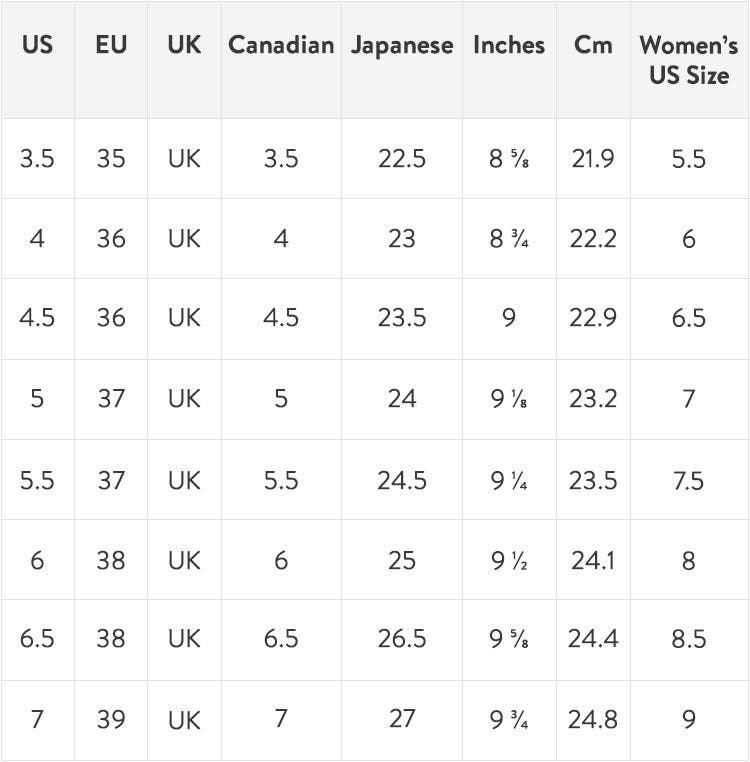
Image Source: n.nordstrommedia.com
Why Correct Shoe Size Truly Matters
Picking the right shoe size is not just about comfort. It is about keeping your child’s feet healthy. Little feet are still forming. Their bones are soft and bend easily. Badly fitting shoes can cause lasting damage. This means problems that stay with them for many years.
A shoe that is too small will squeeze the foot. It can stop the foot from growing the right way. It might cause toes to curl or overlap. This can lead to painful bunions or hammertoes later in life. It can also cause blisters and pressure sores right away. Children often do not tell you their shoes hurt. They might not even know they are hurting. Or they might just accept the discomfort. They might think it is normal. This makes it very important for you to check their shoe size often.
A shoe that is too big is also not good. It can make a child trip and fall. Their foot can slide around inside the shoe. This can cause blisters from rubbing. It also means less support for their foot. Less support can lead to foot tiredness or problems with balance. Good shoes help a child learn to walk and run well. They give proper support for their growing arches. They allow toes to spread out. This helps with balance and strong foot muscles. Good shoes also protect their feet from bumps and scrapes.
When to Measure Tiny Feet
Your child’s feet grow very quickly. This is especially true in the first few years. You should check their shoe size often.
- For babies and new walkers (under 18 months): Measure every two months. Their feet grow fastest at this age.
- For toddlers (18 months to 3 years): Measure every three months. Their growth might slow down a little, but it is still fast.
- For preschoolers and older children (3 to 5 years): Measure every four to six months. Their feet still grow, but at a slower pace.
Look for signs that new shoes are needed. Your child might start tripping more often. They might complain of foot pain. Or you might see red marks on their feet after taking shoes off. Their toes might touch the end of the shoe. These are all signs it is time to measure again. Regular accurate toddler shoe sizing is key.
Preparing for Foot Measurement
Before you measure, get ready. A few simple steps will help make the process easier. It will also help you get a better result.
- Best Time to Measure: Measure feet at the end of the day. Feet tend to swell a little throughout the day. This gives you the largest size.
- Socks On or Off? Have your child wear the socks they will usually wear with the new shoes. If they wear thick socks, measure with thick socks. If they wear thin socks, measure with thin socks. This gives the most accurate fit.
- Gather Your Tools: You will need a few simple things for toddler foot measurement at home.
- Two pieces of paper (larger than your child’s foot)
- A pencil or pen
- A ruler or tape measure
- A flat, hard surface (like a floor, not carpet)
- Tape (masking tape works well)
- Something to distract your child (a toy, a snack, a video)
The Paper and Pencil Method
This is a very common and effective way to measure toddler foot length measurement at home. It is also often called the “trace method.”
Step-by-Step Guide
- Tape Paper Down: Put a piece of paper on a hard floor. Tape it down so it does not move. This is very important for measuring squirmy toddler feet.
- Position the Foot: Have your child stand on the paper. Make sure their heel is lightly touching a wall or a straight edge. Their weight should be on both feet evenly. This makes the foot spread out naturally.
- Trace the Foot: Use a pencil. Hold it straight up and down. Trace around your child’s foot. Go all the way around. Make sure the pencil stays close to the foot. Do this for both feet. It is very common for one foot to be slightly larger than the other. Always use the size of the larger foot.
- Mark Length and Width:
- For length: Draw a straight line at the longest toe. Draw another straight line at the heel. Make sure these lines are at right angles to the edge of the paper.
- For width: Draw a straight line at the widest part of the foot. Draw another straight line at the other side of the widest part.
- Measure the Trace: Use your ruler or tape measure.
- Measure the distance between the heel line and the toe line. This is the length.
- Measure the distance between the two side lines. This is the width.
- Write down both numbers in centimeters (cm) or inches. Centimeters are often more precise for shoe sizing.
Tips for Measuring Squirmy Toddler Feet
Measuring a little one can be tricky. They often do not want to stand still. Here are some tricks to help:
- Do it While They are Distracted: Give them a favorite toy, a book, or turn on a short cartoon.
- Make it a Game: Call their foot a “superhero foot” and trace its outline.
- Measure While Asleep (for babies): For very young babies, you can sometimes measure their foot while they are sleeping. Lay their foot flat on the paper and quickly mark the heel and longest toe. This is harder for active toddlers.
- Teamwork: Have one parent distract or hold the child gently. The other parent can do the measuring.
- Be Quick: Have all your tools ready. Work fast to get the outline. You can take your time with the ruler after they move away.
- Use the Wall: Having their heel against a wall helps keep them still. It also gives a good starting point for the measurement.
Using a Toddler Foot Measuring Device
Many parents find a dedicated toddler foot measuring device helpful. These are often like the Brannock device used in shoe stores, but for home use. You can buy these online or at some baby stores.
How They Work
These devices usually have a heel cup or stop. You place your child’s heel against it. Then, a slider moves along the side of the foot. It points to a size mark. Some devices also measure width.
Benefits
- Ease of Use: They are often easier to use than tracing, especially for active children.
- Faster: They give a quick reading.
- More Consistent: They can give more consistent results each time you measure.
Drawbacks
- Cost: You have to buy one.
- Child Might Still Resist: Some children still do not like having their foot put into a device.
- May Not Account for Growth Room: Some devices give the exact foot size, not necessarily the ideal shoe size with wiggle room. You will still need to add extra for growth.
When using a toddler foot measuring device, make sure your child stands with their weight on the foot being measured. This helps the foot spread out naturally.
Deciphering the Measurements: Length and Width
Once you have your measurements in centimeters or inches, what do they mean?
- Length: This is the most important measurement. It tells you the basic shoe size.
- Width: This measurement tells you if your child needs wide, regular, or narrow shoes. Not all shoe brands offer different widths. But if your child has very wide or very narrow feet, this information is vital. Many brands just offer one width. If your child’s foot is wider than average, even a shoe that is long enough might feel too tight across the foot.
Using a Printable Toddler Shoe Size Chart
After you get your child’s foot length, you need to turn it into a shoe size. This is where a printable toddler shoe size chart comes in handy. Shoe sizes are not the same all over the world. A size 8 in the US is different from a size 8 in the UK or Europe.
How to Use a Shoe Size Chart
- Find a Reliable Chart: Search online for “printable toddler shoe size chart.” Look for charts from shoe brands or trusted parenting sites.
- Check for Region: Make sure the chart matches the shoe sizes you plan to buy. Is it US, UK, EU, or JP?
- Match Length to Size: Look for your child’s foot length (in cm or inches) on the chart. Find the shoe size that matches that length.
- Consider Growth Room: Most charts give the foot length that matches a specific shoe size. This means the shoe size is meant to be slightly longer than the foot length to allow for growth.
- Rule of thumb: Add about 1 to 1.5 cm (about 0.4 to 0.6 inches) to your child’s longest foot measurement. This is the ideal inner length of the shoe you are looking for.
- Why? This space gives their toes room to move and grow. It also stops their toes from hitting the end of the shoe when they walk. This extra space helps prevent problems like ingrown toenails.
Child Shoe Size Conversion
You might see charts with child shoe size conversion. This is very useful if you are buying shoes from different countries.
Example of a Simplified Conversion Table (always double-check with specific brands):
| Foot Length (cm) | Foot Length (inches) | US Size | UK Size | EU Size |
|---|---|---|---|---|
| 10.0 | 3.9 | 3 | 2 | 18 |
| 10.8 | 4.25 | 4 | 3 | 19 |
| 11.7 | 4.6 | 5 | 4 | 20 |
| 12.5 | 4.9 | 6 | 5 | 22 |
| 13.3 | 5.25 | 7 | 6 | 23 |
| 14.2 | 5.6 | 8 | 7 | 24 |
| 15.0 | 5.9 | 9 | 8 | 26 |
| 15.9 | 6.25 | 10 | 9 | 27 |
| 16.7 | 6.6 | 11 | 10 | 28 |
| 17.6 | 6.9 | 12 | 11 | 30 |
| 18.4 | 7.25 | 13 | 12 | 31 |
Important Note: This table is a general guide. Shoe sizes can vary between brands. Always try to check the brand’s own size chart if buying online. Some brands will list the inner shoe length in cm for each size. This is the most accurate way to compare.
Accounting for Growth Room
As mentioned, adding space for growth is vital.
* How much room? For toddlers, aim for about a thumb’s width of space between the longest toe and the end of the shoe. This is roughly 1 to 1.5 cm (0.4 to 0.6 inches).
* Why not too much? Too much room can make shoes feel clumsy. It can also cause tripping. The foot might slide around. This can cause blisters or a poor walking pattern.
When you buy shoes, always check the fit with your child wearing them.
1. Feel the Toes: Press down on the tip of the shoe. You should feel your child’s longest toe. There should be room for your thumb between their toe and the end of the shoe.
2. Check the Width: The shoe should be snug but not tight around the widest part of the foot. You should not see any bulging on the sides.
3. Check the Heel: The heel should fit snugly. It should not slip out when they walk.
4. Watch Them Walk: Have your child walk around in the shoes. Do they trip? Do their feet slide? Do they seem comfortable?
Specific Considerations for the Best Fit
Beyond length and width, other factors make a big difference in how well a shoe fits and feels.
Wide vs. Narrow Feet
Some children have wider or narrower feet than average.
* Wide Feet: If your child’s foot measurements show they are wider, look for brands that offer “W” (wide) sizes. Or choose styles that are naturally wider, like some sneakers or boots. Avoid very pointed or narrow toe boxes.
* Narrow Feet: For narrow feet, look for brands with “N” (narrow) sizes. Shoes with adjustable straps (like Velcro) can also help get a snugger fit.
* If your child’s foot is between sizes, it is often better to go up half a size in length and use a width adjustment if possible.
Asymmetrical Feet
It is very common for one foot to be slightly larger than the other. Always measure both feet. Always buy shoes that fit the larger foot. If you buy for the smaller foot, the larger foot will be squished.
Socks and Fit
Always measure and try on shoes with the type of socks your child will wear. Thick winter socks will take up more space than thin summer socks. This small detail can change the fit quite a bit.
Beyond Size: Other Important Shoe Features
Getting the size right is step one. But the shoe’s design and materials also matter a lot for little feet.
- Flexibility: Toddler shoes should be flexible. They need to bend easily at the ball of the foot. This allows the foot to move naturally as they walk and run. Stiff shoes can hinder natural foot development. You should be able to bend the sole of the shoe in half with little effort.
- Materials: Look for shoes made of breathable materials. Leather, mesh, and canvas are good choices. These materials help air flow. This keeps feet cool and dry. It helps prevent sweat and foot odor. Avoid shoes made entirely of plastic or synthetic materials that do not breathe well.
- Sole: The sole should offer good grip. This helps prevent slips and falls. It should also be non-slip. Look for soles with some tread.
- Support:
- Ankle Support: For new walkers, high-top shoes can offer a bit more ankle support. But it is not always needed. Many experts say that feet develop best when they are allowed to move freely. So, a shoe that is too stiff around the ankle can be bad.
- Arch Support: Toddlers often have flat feet because their arches are still forming. They usually do not need special arch support in their shoes unless advised by a doctor. A good shoe will support the foot’s natural shape.
- Closure: Velcro straps are great for toddlers. They make shoes easy to put on and take off. They also allow for a better fit around the foot. Laces are fine for older toddlers, but Velcro is often more practical.
- Weight: Shoes should be lightweight. Heavy shoes can make walking harder for little legs.
Interpreting Toddler Shoe Size by Age Guide
It can be tempting to just buy shoes based on your child’s age. But this is not the most accurate way. A toddler shoe size by age guide should only be used as a very general starting point. Every child is different. Their feet grow at their own speed.
General Age-to-Size Relationship (Very Approximate):
| Age Range | US Shoe Size (Approx.) |
|---|---|
| 0-3 Months (Infant) | 0-1 |
| 3-6 Months (Infant) | 1-2 |
| 6-9 Months (Infant) | 2-3 |
| 9-12 Months (Infant) | 3-4 |
| 12-18 Months (Toddler) | 4-6 |
| 18-24 Months (Toddler) | 6-8 |
| 2-3 Years (Toddler) | 8-10 |
| 3-4 Years (Toddler) | 10-12 |
| 4-5 Years (Preschool) | 12-13 |
Why This Guide is Not Enough:
* Growth Spurts: Children grow in spurts. They might jump a whole size in a short time.
* Individual Differences: Some children naturally have bigger or smaller feet for their age.
* Brand Variation: As noted, sizes vary by brand.
* Foot Shape: This guide does not consider foot width or shape.
Always, always measure your child’s feet. Then use a specific size chart from the brand you are buying. Or use a general chart that matches your measured length. The “toddler shoe size by age guide” is only good for a very rough idea.
Maintaining Proper Fit: Regular Checks
Once you buy new shoes, do not just forget about them. Keep checking them.
* Every Few Weeks: Quickly check the fit. Can you still feel a thumb’s width of space at the toes? Do their toes look cramped?
* After Growth Spurts: If your child suddenly seems to grow taller, check their shoes. Their feet might have grown too.
* Listen to Your Child: If they complain of shoes feeling tight or uncomfortable, take them seriously. Even if you just measured.
Remember, a child’s shoe is not just for protection. It helps their feet grow well. It supports their walking. It ensures their long-term foot health. Accurate toddler shoe sizing is a small effort that brings big rewards. By following these steps for toddler foot measurement at home, you will help your child step out in comfort and confidence.
Frequently Asked Questions (FAQ)
Q1: What is the most accurate way to measure toddler feet?
A1: The most accurate way is typically the paper and pencil trace method, followed by careful measurement of the foot length and width. Using a dedicated toddler foot measuring device can also be very accurate if used correctly. Always measure both feet and use the larger size.
Q2: How much growing room should I leave in toddler shoes?
A2: You should leave about 1 to 1.5 cm (or roughly a thumb’s width) of space between the longest toe and the end of the shoe. This allows for growth and prevents the toes from being cramped.
Q3: My child has wide feet. How do I find shoes that fit?
A3: If your child has wide feet, look for shoe brands that offer different widths (often marked as “W” for wide). You can also choose shoe styles that are naturally wider in the toe box, such as some athletic shoes or boots.
Q4: Should I measure my child’s feet with socks on or off?
A4: You should measure your child’s feet with the type of socks they will usually wear with the new shoes. This ensures the most accurate fit.
Q5: How often should I measure my toddler’s shoe size?
A5: For babies and new walkers (under 18 months), measure every two months. For toddlers (18 months to 3 years), measure every three months. For preschoolers (3-5 years), measure every four to six months. Their feet grow very fast!
Q6: Can I just buy shoes based on my toddler’s age?
A6: It is not recommended to buy shoes based only on age. Age guides for shoe size are very general. Every child’s foot growth is different. Always measure your child’s feet and use a specific shoe size chart for the brand you plan to buy.
Q7: What if one of my child’s feet is bigger than the other?
A7: It is very common for one foot to be slightly larger. Always measure both feet. Then, choose the shoe size that fits the larger foot. If you buy shoes for the smaller foot, the larger foot will be uncomfortable.
Q8: What should I do if my child will not stand still for measuring?
A8: Measuring squirmy toddler feet can be hard! Try making it a game, using a distraction (like a toy or snack), or having another adult help. You can also try measuring while they are asleep if they are very young, but the paper method is best done standing. Speed and preparation are key.