
Can you mold a football mouthpiece at home? Yes, most standard football mouthpieces are designed for at-home molding, often referred to as “boil and bite” mouthpieces. This process allows for a snug and secure fit, greatly improving comfort and protection. Fitting a football mouthguard correctly is crucial for maximizing its effectiveness as a piece of football safety equipment. A well-molded mouthguard not only prevents injuries to teeth and jaws but also can improve breathing and speech on the field. This guide will walk you through the entire process of custom mouthguard molding to ensure you know how to shape football mouthpiece for optimal performance and safety. We’ll cover everything from preparation to post-molding care, making sure your dental protector fitting is perfect.
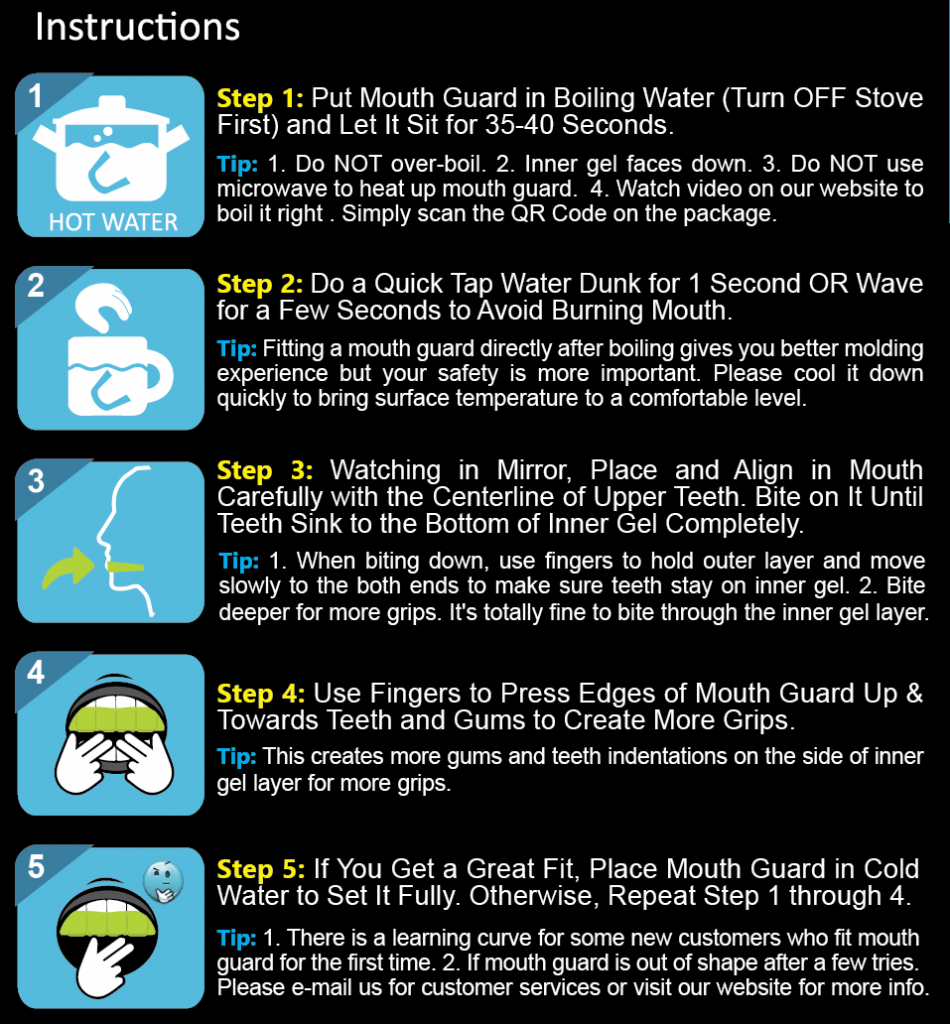
Image Source: www.oralmart.com
Why Proper Molding Matters
A properly molded mouthpiece offers several significant advantages over a generic, ill-fitting one. It’s not just about preventing chipped teeth; it’s about overall oral and jaw protection.
Enhanced Protection
The primary function of a mouthguard is to absorb impact and distribute forces away from your teeth, jaw, and even your brain. When a mouthpiece fits well, it stays in place and provides a much more effective buffer against blows to the jaw or face. A loose or ill-fitting mouthguard can shift during impact, negating its protective qualities and potentially causing more harm.
Improved Comfort and Breathability
Mouthpiece comfort is often overlooked, but it’s vital for consistent use. A mouthpiece that fits too tightly or feels bulky can be distracting and uncomfortable, leading players to remove it during games or practices. Proper molding ensures the mouthpiece conforms to your unique dental structure, making it feel like a natural extension of your mouth, allowing for easier breathing and clearer communication.
Better Performance
While it might seem like a small detail, a comfortable and well-fitting mouthguard can actually contribute to better performance. When you’re not worrying about your mouthpiece falling out, or struggling to breathe, you can focus more on the game. This improved focus and confidence can translate to better play on the field.
Gathering Your Supplies
Before you begin the molding process, ensure you have all the necessary items. Having everything ready will make the procedure smoother and more efficient.
Essential Equipment
- Boil and bite mouthpiece: Choose a reputable brand designed for sports.
- Pot for boiling water: A small saucepan is ideal.
- Slotted spoon or tongs: To safely handle the hot mouthpiece.
- Bowl of cold water: For cooling the mouthpiece.
- Mirror: To help you position the mouthpiece correctly.
- Timer or clock: For precise boiling times.
- Towel: To dry your hands and the mouthpiece.
Important Considerations Before You Start
- Read the manufacturer’s instructions: Always refer to the specific instructions that come with your heat moldable mouthguard, as boiling times and methods can vary slightly between brands.
- Adult supervision: If a minor is molding their mouthpiece, adult supervision is highly recommended, especially around boiling water.
- Cleanliness: Ensure your hands and the mouthpiece are clean before you start.
The Molding Process: A Step-by-Step Walkthrough
Now that you have your supplies, it’s time to mold your football mouthpiece. Follow these steps carefully for the best results.
Step 1: Preparing the Water
- Fill your small saucepan with enough water to fully submerge the mouthpiece.
- Place the saucepan on the stove over medium-high heat.
- Bring the water to a rolling boil. Once boiling, reduce the heat slightly to maintain a steady boil without excessive splashing.
Step 2: Boiling the Mouthpiece
- Using the slotted spoon or tongs, carefully place the mouthpiece into the boiling water.
- Important: Do not let the mouthpiece touch the bottom or sides of the hot pot. Keep it suspended in the water.
- Boil the mouthpiece for the time specified by the manufacturer. This is typically between 30 and 60 seconds. Over-boiling can damage the material, while under-boiling may prevent it from molding properly. Use your timer!
Step 3: Cooling and Preparation for Molding
- After the specified boiling time, carefully remove the mouthpiece from the hot water using the slotted spoon or tongs.
- Let it cool for just a few seconds. You want it pliable, not scalding hot. A quick dip in the cold water can help cool the exterior slightly, but don’t leave it in too long – the inside needs to be warm enough to mold.
- Gently shake off any excess water.
Step 4: Molding the Mouthpiece
This is the most critical step for fitting a football mouthguard.
- Positioning: Open your mouth and place the mouthpiece over your upper teeth. Ensure it is centered and covers all your teeth, including the back molars.
- Biting Down: Gently but firmly bite down onto the mouthpiece. You should feel the material conforming to the shape of your teeth.
- Sucking In: While biting, suck in forcefully. This action helps create a vacuum and pushes the material snugly against your teeth and gums, ensuring a precise fit.
- Pressing: Use your fingers to press the outside of the mouthpiece against your gums and teeth. This helps create a tight seal and reinforces the shape. Pay attention to the areas around each tooth.
- Molding Lips and Tongue: Use your lips and tongue to further shape the mouthpiece, pressing it against your teeth from the inside. This is key to how to shape football mouthpiece effectively.
- Hold: Maintain this position for at least 60 seconds, or until the mouthpiece feels firm.
Step 5: Cooling and Setting
- Once you’ve finished shaping, remove the mouthpiece from your mouth.
- Immediately submerge it in the bowl of cold water.
- Let it sit in the cold water for at least 60 seconds to allow it to set and harden.
Step 6: Checking the Fit and Trimming (If Necessary)
- Remove the mouthpiece from the cold water.
- Place it back in your mouth to check the fit. It should feel secure and comfortable.
- You should be able to speak and breathe relatively easily.
- If the fit isn’t perfect, most boil and bite mouthpieces can be re-molded by repeating steps 2 through 5. However, avoid re-molding too many times, as this can weaken the material.
Trimming Excess Material
If there is any uncomfortable excess material, especially around the edges or the back, you can carefully trim it with sharp scissors or a craft knife. Be cautious not to trim too much, as this could compromise the fit or protection. Always trim a little at a time and re-test the fit.
Common Mistakes to Avoid During Molding
Even with a clear guide, it’s easy to make small errors that can affect the outcome. Being aware of these common pitfalls can help you achieve a superior fit.
Over-Boiling or Under-Boiling
- Over-boiling: Can cause the material to become too soft, making it difficult to handle and leading to a stretched-out, less precise fit. It can also degrade the material, making it less durable.
- Under-boiling: Results in a mouthpiece that isn’t pliable enough to mold properly. You won’t be able to create the necessary suction or get a snug fit.
Improper Positioning
- Ensuring the mouthpiece is centered and covering all teeth before biting down is crucial. If it’s crooked, the mold will be off.
- Not biting down firmly enough or not sucking in properly means the mouthpiece won’t adapt to the unique contours of your teeth.
Not Molding Lips and Tongue
- Using your lips and tongue to actively shape the mouthpiece from the inside is essential for creating a truly custom fit. This step helps seal the edges and create a comfortable interior.
Rushing the Process
- Take your time with each step. Trying to rush through the boiling, molding, or cooling can lead to a poor fit or even burns.
Re-molding Too Many Times
- While most mouthguards can be re-molded, excessive heating and cooling can degrade the plastic, making it less effective and potentially unsafe. Try to get it right on the first or second attempt.
Re-Molding Your Mouthguard: When and How
Sometimes, the first attempt at custom mouthguard molding isn’t perfect. Fortunately, most heat moldable mouthguards are designed to be re-molded.
When to Re-Mold
- Poor initial fit: If the mouthpiece feels loose, shifts excessively, or doesn’t cover your teeth properly.
- Discomfort: If there are specific areas that pinch or cause irritation.
- After dental work: If you’ve had dental work done, your bite may have changed, requiring a new molding.
How to Re-Mold
The process is the same as the initial molding:
- Boil water and then boil the mouthpiece for the recommended time (usually 30-60 seconds).
- Cool it slightly so it’s pliable but not burning hot.
- Place it in your mouth, bite down, suck in, and use your fingers, lips, and tongue to reshape it.
- Hold for 60 seconds.
- Submerge in cold water to set.
Important Note: Only re-mold a maximum of 2-3 times. Each heating cycle can slightly degrade the material.
Caring for Your Molded Mouthguard
Proper care will extend the life and maintain the hygiene of your dental protector fitting.
Cleaning Your Mouthguard
- After each use: Rinse your mouthpiece thoroughly with cool water to remove saliva and debris.
- Regular cleaning: Brush your mouthpiece with a soft-bristled toothbrush and cool water. You can use a mild, non-abrasive soap or a specialized mouthguard cleaner. Avoid hot water, as it can warp the material.
- Avoid toothpaste: Toothpaste can be too abrasive and damage the mouthpiece material.
Storing Your Mouthguard
- Ventilated case: Always store your mouthpiece in a clean, well-ventilated case. This prevents bacterial growth and allows the mouthpiece to dry completely.
- Avoid heat: Do not leave your mouthpiece in direct sunlight or in hot environments (like a car on a hot day), as heat can cause it to warp.
When to Replace Your Mouthguard
- Wear and tear: Inspect your mouthpiece regularly for signs of wear, such as thinning, cracking, or tearing.
- Loss of fit: If the mouthpiece no longer fits snugly or feels loose.
- Hygiene: Even with regular cleaning, mouthguards should be replaced periodically, typically every season or every six months, depending on usage.
Mouthguard Types for Football
While this guide focuses on the boil and bite mouthpiece, it’s worth noting other types of mouthguards available for football.
Boil and Bite Mouthguards
- Pros: Affordable, readily available, customizable fit at home.
- Cons: Fit may not be as precise as custom-made options, can be bulkier.
- Best for: Most youth and amateur players.
Stock Mouthguards
- Pros: Inexpensive, immediately ready to wear.
- Cons: Generic fit, often bulky and uncomfortable, limited protection.
- Best for: Very casual play where no other option is available, but not recommended for serious football.
Custom-Fitted Mouthguards
- Pros: Professionally fitted by a dentist for a precise, comfortable fit; superior protection and breathability.
- Cons: Most expensive option, requires a dental visit.
- Best for: Professional athletes, or those seeking the highest level of protection and comfort.
For the vast majority of football players, the boil and bite mouthpiece offers an excellent balance of protection, comfort, and affordability, especially when molded correctly.
The Importance of a Proper Mouthguard Fit
Achieving a proper mouthguard fit is paramount for its effectiveness and your comfort. It’s not just about having something between your teeth and the opposing jaw.
Ensuring it Stays In Place
A well-molded mouthpiece should stay securely in place even when your jaw is relaxed. This means you don’t have to constantly clench your teeth to keep it from falling out, which can cause jaw fatigue.
Preventing Accidental Swallowing or Inhalation
A mouthpiece that doesn’t fit properly could potentially be swallowed or, in extreme cases, inhaled during impact. A snug fit eliminates this risk.
Optimizing Breathing and Speech
When a mouthpiece is molded correctly, it can actually facilitate better airflow. It should not obstruct your airway. Similarly, while speech might be slightly affected, a good fit minimizes this interference.
Maximizing Shock Absorption
The primary goal of a mouthguard is to absorb and distribute the force of impact. A precise fit ensures that the mouthpiece is positioned correctly to perform this vital function, protecting your teeth, jaw, and even your skull.
FAQ: Frequently Asked Questions About Molding Football Mouthguards
Q1: How many times can I re-mold a boil and bite mouthguard?
A: Most heat moldable mouthguards can be re-molded about 2 to 3 times. Each molding process involves heating the plastic, which can degrade it slightly. Excessive re-molding can weaken the material and reduce its protective capabilities.
Q2: What happens if I don’t mold my football mouthpiece properly?
A: An improperly molded mouthpiece can be uncomfortable, fall out during play, not provide adequate protection, or even hinder breathing. It might not stay in place during impact, leaving your teeth and jaw vulnerable.
Q3: Can I use a boil and bite mouthguard for braces?
A: Yes, many boil and bite mouthpieces are designed to be worn with braces. The molding process should create space for the brackets. However, it’s always best to check the product packaging or consult your orthodontist for specific recommendations. Custom-fitted mouthguards are often recommended for individuals with braces due to the unique dental structures.
Q4: My mouthpiece feels too thick. What did I do wrong?
A: This could be due to several reasons: you might have bitten down too hard without properly sucking in, or you didn’t use your fingers, lips, and tongue to create a thinner profile. You can try re-molding, focusing on sucking in strongly and using your fingers to press the material against your teeth and gums. If it remains too thick, you might need to consider a different brand or a custom-fitted option.
Q5: Is it normal for my mouthguard to feel tight after molding?
A: It’s normal for it to feel snug and secure, but it shouldn’t be painful or cause your jaw to ache. A tight fit ensures it stays in place. If it feels excessively tight, you may have over-molded or bitten down too forcefully. Try re-molding, being more gentle during the biting phase and focusing on suction.
Q6: Can I mold a mouthpiece for both upper and lower teeth?
A: Most standard boil and bite mouthpieces are designed for the upper teeth only. While some specialized mouthguards exist for both, they are less common for football and can sometimes interfere with breathing and speech more significantly. Always follow the specific design of your mouthpiece.
Q7: What is the difference between a “boil and bite” and a “custom mouthguard”?
A: A “boil and bite mouthpiece” is a thermoplastic that you heat and mold at home to your teeth’s shape. A “custom mouthguard” is made by a dental professional using an impression of your teeth, resulting in a perfectly tailored fit and often superior protection.
By following this comprehensive guide, you can ensure your football safety equipment provides the best possible protection and comfort. Remember, a proper mouthguard fit is essential for staying safe on the field.