
What is a handoff in football? A handoff in football is when the quarterback, or another player in possession of the ball, physically gives the ball to another player, usually a running back, without throwing it. Can I improve my handoff receiving skills with practice? Yes, absolutely! Consistent practice is key to mastering how to receive a handoff in football. Who is typically responsible for executing a handoff? While the quarterback is most commonly associated with executing handoffs, other players like the fullback or even a wide receiver can be involved in specific plays.
Receiving a handoff cleanly is a fundamental skill for any offensive ball carrier. It’s the starting point for many successful offensive plays, from simple runs up the middle to intricate sweeps around the end. While it might seem straightforward, there’s a science and art to securing a handoff that separates good players from great ones. This guide will break down the essential techniques to help you become a more reliable and effective offensive ball carrier.
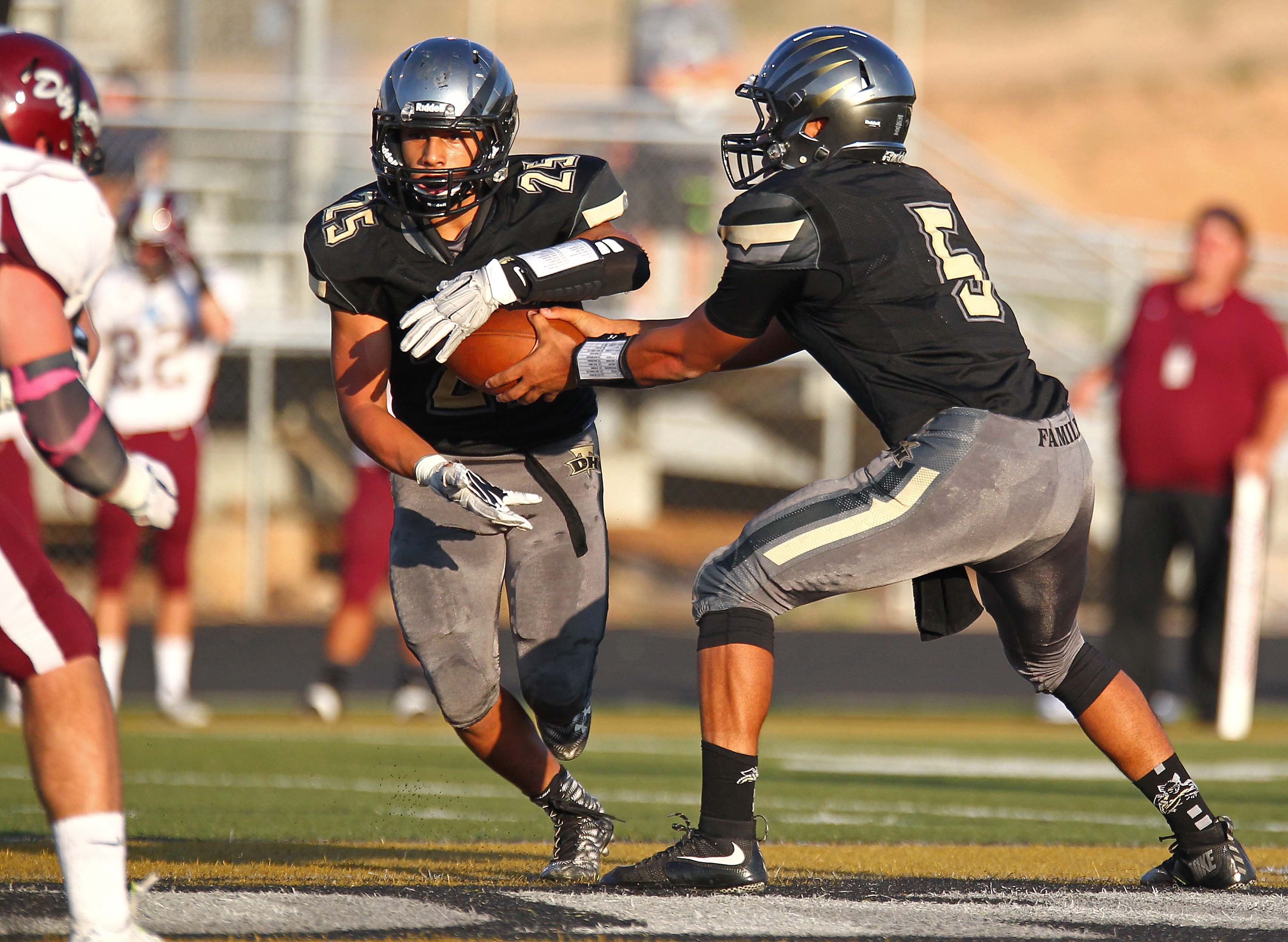
Image Source: youthfootballonline.com
The Mechanics of a Perfect Handoff
The success of a running play often hinges on the initial exchange of the football. Proper handoff form ensures the ball stays in the team’s possession and allows the ball carrier to transition smoothly into their run. It’s not just about grabbing the ball; it’s about a coordinated movement between the quarterback and the runner.
H3: Positioning and Approach
The initial positioning of the offensive ball carrier is crucial. You need to be in the right place at the right time, ready to receive the ball.
- Finding the Target: As the offensive ball carrier, your primary job is to be a moving target. You’ll be instructed to meet the quarterback at a specific point, often referred to as the “mesh point.” This is where the ball will be handed off.
- Eyes on the Ball: While it’s important to be aware of your surroundings and the defense, your eyes must lock onto the ball as it is being presented. This is paramount for catching the ball securely.
- Body Lean: A slight lean forward towards the quarterback helps create a stable platform for the handoff. This shows the quarterback you are committed and ready.
- Patience at the Mesh Point: Resist the urge to snatch the ball prematurely. Wait for the quarterback to fully present it. This minimizes the risk of fumbling.
H4: The Quarterback’s Role
While you are the receiver, the quarterback’s technique also plays a significant role in a successful handoff. A good quarterback will make the handoff smooth and easy for you.
- Ball Presentation: The quarterback should extend the ball fully, away from their body, to give you a clear target. They should also shield the ball with their non-ball-hand.
- Eye Contact: A good quarterback will often make eye contact with you as they approach the mesh point, confirming the exchange is happening as planned.
H5: Securing the Handoff
This is where the magic happens. Securing a handoff involves a precise and coordinated action with your hands and arms.
- “C” Clamp: The most common and effective technique for receiving a handoff is the “C” clamp.
- Your dominant hand forms a “C” shape around the bottom of the ball.
- Your non-dominant hand cups over the top of the ball, completing the secure grip.
- Fingers Spread: Keep your fingers spread wide to maximize surface area contact with the ball. This provides better control and prevents slippage.
- Palm to Ball: Ensure your palms are making contact with the ball, not just your fingertips. This creates a more substantial and secure hold.
- Bracing: As the ball is handed off, slightly push your hands forward into the ball. This adds force and helps to seat the ball securely in your grip. This is a key aspect of football grip technique.
Mastering the Techniques of Football Receiving
While handoffs are a specific type of receiving, the principles often translate to catching a football pass, though the mechanics differ. For handoffs, the focus is on immediate, firm possession.
H3: Different Handoff Styles and How to Receive Them
Football offenses employ various handoff schemes, and the receiving technique might need slight adjustments.
- Traditional Dive Handoff: This is a straight exchange where the running back takes the ball directly from the quarterback. The “C” clamp method is ideal here.
- ించ Handoff: In this variation, the quarterback turns their back to the runner, and the ball is placed into the runner’s gut. The runner uses both hands to secure the ball, essentially trapping it between their forearms and chest, with hands immediately going to cradle it.
- Pitch Handoff: Similar to a handoff, but the ball is tossed laterally. This requires more of a catching the ball motion, but still with the goal of immediate secure possession. Your hands should be out, ready to receive the ball, and then immediately transition to a strong two-hand grip.
H4: The Running Back Handoff: A Closer Look
The running back handoff is the most common scenario. Let’s delve deeper into the nuances of this specific exchange.
- Ball Security in Motion: You are often receiving the handoff while moving. Your ability to absorb the ball and maintain control while continuing your run is critical.
- Protecting the Ball: Once you have secured the handoff, immediately bring the ball into your body. Tuck it securely under your arm, using your forearm and bicep to create a tight grip. This is part of carrying the football effectively.
- “Cover the Ball” Instinct: Develop an instinct to cover the ball with your free hand as soon as the handoff is complete, especially if you anticipate contact.
H5: Practice Drills for Handoff Reception
Consistent repetition is the cornerstone of improvement. Here are some drills to refine your handoff receiving skills:
- Static Handoffs: Stand still and have a partner (quarterback) practice handing you the ball. Focus on the “C” clamp and securing the ball firmly.
- Moving Handoffs: Practice receiving handoffs while jogging. This simulates game conditions and helps you adjust your timing and technique.
- “Mesh Point” Drills: Practice approaching the designated mesh point and receiving the ball without breaking stride. This builds timing and coordination.
- “Ball Security” Drills: After receiving the handoff, immediately practice tucking the ball and protecting it with your body.
Advanced Techniques for Offensive Ball Carriers
Beyond the fundamental grasp, advanced techniques elevate your ability to handle the football effectively and react to game situations.
H3: Protecting the Football After the Handoff
Carrying the football securely is just as important as receiving it. A fumbled handoff can be devastating.
- The “High and Tight” Carry: This is the universally accepted method.
- The ball is held high, close to the chest and shoulder.
- The forearm of the ball-carrying arm is wrapped around the ball, with the elbow tucked in.
- The other hand is kept free to help fend off tacklers or maintain balance.
- Fending Off Tacklers: When contact is imminent, use your free arm to push away defenders. Keep your eyes up, but always be aware of the ball.
- Lowering the Shoulders: As you feel contact, slightly lower your shoulders. This makes you a harder target to bring down and helps protect the ball.
H4: Reading Blocks and Reacting to the Defense
Football receiving techniques also involve processing information quickly. After securing the handoff, your focus shifts.
- Identifying Running Lanes: As soon as you have the ball, look for openings created by your blockers.
- Ball Fake Awareness: Be aware of potential ball fakes by the quarterback. Don’t snatch the ball if you sense a fake; maintain your form until the ball is truly in your hands.
- Vision and Anticipation: Develop the ability to see the field and anticipate where the defenders will be. This allows you to make quick cuts and avoid tackles.
H5: Maintaining Possession Under Pressure
Game situations are rarely perfect. You’ll need to be adept at receiving a football cleanly even when facing defenders.
- Anticipate Contact: If you know a defender is about to hit you, brace yourself and focus intensely on securing the ball before, during, and immediately after contact.
- “Punch” the Ball: Some coaches teach players to almost “punch” the ball into their grasp when receiving a handoff under duress. This forceful action can help ensure a firm grip.
- Never Stop Moving Your Feet: Even as you secure the ball, keep your legs churning. This momentum can help you power through the initial tackle.
Common Mistakes to Avoid
Even experienced players can fall victim to simple errors. Being aware of these pitfalls is the first step to avoiding them.
H3: Snatching vs. Receiving
One of the most common errors is snatching at the ball. This is a hurried motion that increases the risk of a fumble.
- Mistake: Lunging for the ball before it’s fully presented.
- Correction: Practice patience at the mesh point. Wait for the ball to be in your hands.
H4: Inadequate Grip
Not using a proper football grip technique is a recipe for disaster.
- Mistake: Using only fingertips to grab the ball.
- Correction: Focus on the “C” clamp and getting your palms on the ball.
H5: Losing Sight of the Ball
In the heat of the moment, it’s easy to look up too soon.
- Mistake: Lifting your head to see the defense before the handoff is complete.
- Correction: Keep your eyes locked on the ball until it’s securely in your possession.
The Impact of Proper Handoff Technique
Mastering the handoff is not just about individual skill; it’s about contributing to team success.
- Ball Security: Minimizing fumbles leads to more possessions and fewer turnovers, directly impacting the score.
- Play Execution: A smooth handoff allows the running back to get into their rhythm and execute the play as designed.
- Offensive Momentum: Successful handoffs build confidence and momentum for the entire offense.
- Trust: Coaches and teammates develop trust in your ability to handle the ball, leading to more opportunities.
Frequently Asked Questions (FAQ)
Q1: What is the best way to practice receiving handoffs?
A1: Practice with a partner who can simulate the quarterback’s movements. Focus on static repetitions first, then progress to jogging and eventually full-speed drills. Always prioritize ball security.
Q2: How do I prevent the ball from slipping out of my hands during a handoff?
A2: Ensure you use a proper grip, like the “C” clamp, with your palms on the ball. Keep your fingers spread and brace the ball firmly as you receive it. Dry your hands if they are sweaty.
Q3: Should I use one hand or two hands to receive a handoff?
A3: For most handoffs, especially dives, a two-hand secure grip is best. For certain pitch or option plays, you might receive the ball with one hand initially, but the goal is always to secure it firmly with both hands as quickly as possible.
Q4: What if the quarterback’s handoff is sloppy?
A4: Even with a sloppy handoff, try to adapt your technique to secure the ball. Focus on reaching for the ball and bringing it into a secure position using both hands. Communicate with your quarterback after practice about their presentation.
Q5: How important is timing when receiving a handoff?
A5: Timing is crucial. You need to meet the quarterback at the correct mesh point at the right moment. This comes with practice and a good feel for the play’s rhythm.
By internalizing these techniques and dedicating time to practice, any offensive ball carrier can significantly improve their ability to receive a handoff. This foundational skill is the gateway to unlocking your full potential as a runner and a valuable asset to your team. Remember, the goal is to make the exchange so seamless that the ball appears to be glued to your hands from the moment it leaves the quarterback.