
Does your little one seem uncomfortable? Are their bowel movements hard and infrequent? You might be wondering, “How can I relieve toddler constipation now, naturally?” Helping your toddler’s tummy feel better often starts with simple, natural changes right at home. This guide explores seven effective natural ways to offer gentle constipation relief for toddlers, focusing on diet, hydration, movement, and routine to help with toddler bowel movements and dealing with hard stools toddler.
Toddler constipation is common. It means your child’s poop is hard, dry, and tough to pass. They might not poop as often as usual. Sometimes, this can cause tummy pain. But don’t worry, many natural steps can help get things moving comfortably again.
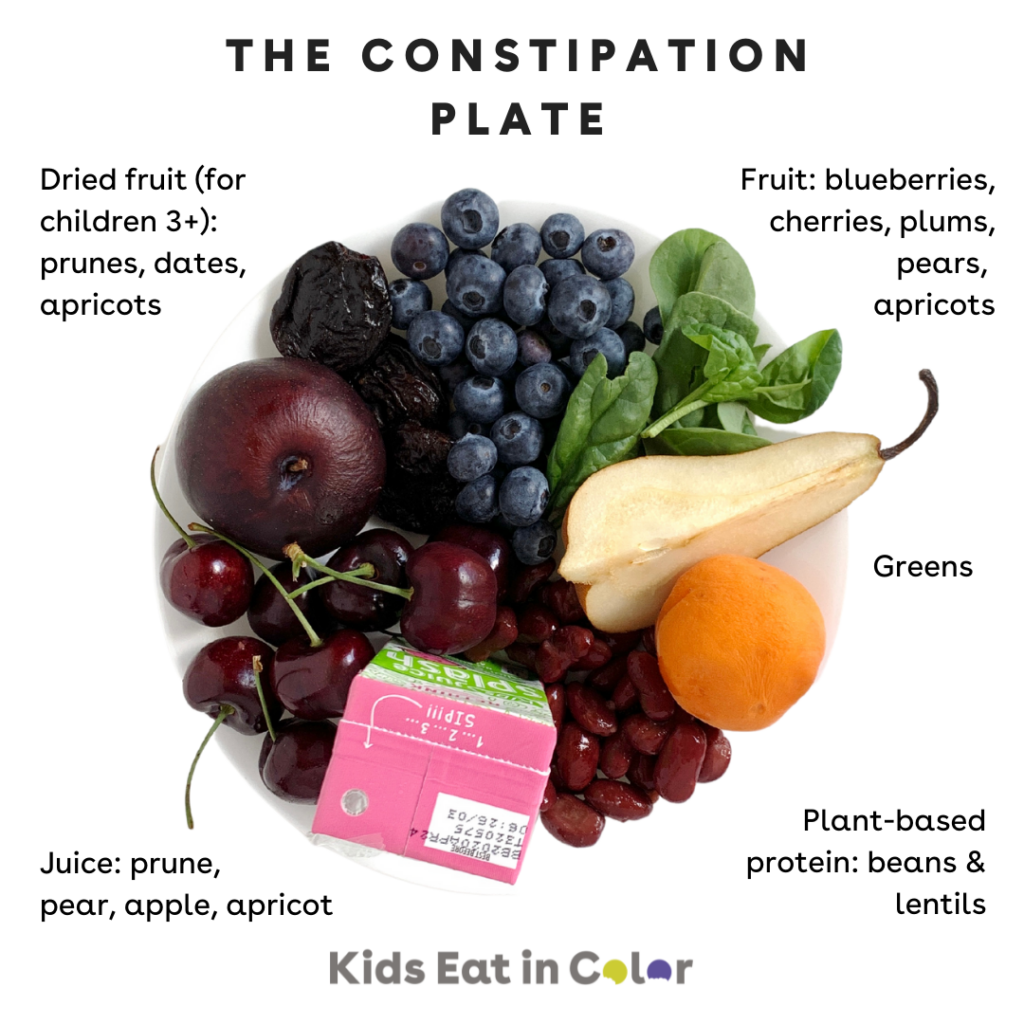
Image Source: kidseatincolor.com
Spotting Toddler Constipation Symptoms
Knowing the signs is the first step. Toddler constipation symptoms can show up in different ways. Your toddler might not be able to tell you exactly how they feel, so watching for clues is key.
Common signs include:
- Pooping less often: Maybe fewer than three bowel movements in a week.
- Hard, dry poop: The poop might look like small pellets or balls.
- Pain when pooping: Your child might cry, strain, or arch their back.
- Stomach ache: They might complain their tummy hurts.
- Bloating: Their belly might look swollen.
- Traces of liquid poop in their diaper or underwear: This can happen when softer poop leaks around the hard blockage. It might look like diarrhea, but it’s a sign of constipation.
- Loss of appetite: They might not want to eat much.
- Being cranky or fussy: Tummy troubles can make anyone unhappy.
If you see these signs, your toddler likely needs some help with their tummy. Recognizing these toddler constipation symptoms early helps you start gentle constipation relief toddler methods sooner.
Pinpointing Causes of Toddler Constipation
Why do toddlers get constipated? Several things can cause toddler constipation. Often, it’s a mix of little things rather than one big issue.
Common causes include:
- Diet changes: Switching from breast milk or formula to solid foods can sometimes slow things down. Not eating enough fiber is a big reason. Eating lots of processed foods, dairy, or certain starches can also play a part.
- Not drinking enough fluids: Water helps keep poop soft. If a toddler doesn’t drink enough, their body takes water from their poop, making it hard. Hydration for toddler constipation is very important.
- Holding it in: Toddlers might hold their poop because they don’t want to stop playing, feel nervous about using the potty, or had a painful poop before (dealing with hard stools toddler can make them scared to try again). This is called withholding.
- Potty training: This can be a stressful time. Some toddlers get anxious about using the potty or feel pressure, leading them to hold their bowel movements.
- Lack of activity: Moving around helps move food through the body. Toddlers who don’t play and run much might have slower digestion.
- Illness or fever: Being sick can sometimes affect bowel movements.
- Certain medicines: Some medicines can cause constipation as a side effect.
- Changes in routine: Travel or changes in daily life can sometimes disrupt a toddler’s bowel habits.
Knowing the causes of toddler constipation can help you figure out the best ways to help your child. Often, simple changes to diet, drinks, and routine are the most effective natural remedies for toddler constipation.
7 Natural Ways To Help Your Toddler’s Tummy Now
Ready to help your little one feel better? Here are seven natural, gentle ways to relieve toddler constipation now. These methods focus on diet, hydration, movement, and routine – all things you can do at home.
1. Add More Fiber to Their Food
Fiber is like a broom for the body. It helps push waste through the gut and adds bulk to poop, making it softer and easier to pass. Many kids don’t get enough fiber. Increasing high fiber foods for toddlers is a top natural remedy for toddler constipation.
Think “P” fruits: Prunes, pears, peaches, plums. These are known for helping with bowel movements. But many other foods help too.
Foods for toddler constipation that are high in fiber include:
- Fruits: Apples (with skin), berries (raspberries, blueberries), oranges, apricots, kiwi, grapes, pears (with skin). Offer them fresh or as purees.
- Vegetables: Peas, broccoli, carrots, sweet potatoes, spinach, beans (like lentils, chickpeas, black beans).
- Whole Grains: Oatmeal, whole-wheat bread or pasta, brown rice, barley. Look for “whole grain” as the first ingredient.
- Legumes: Beans, lentils, split peas. Add them to soups, stews, or mash them up.
How to offer fiber:
- Start slow. Adding too much fiber too fast can cause gas and bloating. Slowly increase the amount over a few days.
- Offer variety. Give them a mix of fruits, veggies, and grains.
- Keep the skins on fruits and veggies when possible, as that’s where lots of fiber is. Just wash them well and cut them small enough for your toddler to chew safely.
- Choose whole fruit over juice most times (except for specific juices for constipation, discussed next). Whole fruit has more fiber.
Aim for about 14 grams of fiber per day for toddlers aged 1-3. This might sound like a lot, but small changes add up. For example, half a cup of raspberries has about 4 grams of fiber. A small pear has about 5 grams. Half a cup of cooked lentils has about 8 grams.
Table: Fiber in Some Toddler-Friendly Foods
| Food (approx. 1/2 cup serving) | Fiber (grams) |
|---|---|
| Raspberries | 4 |
| Pear (small, with skin) | 5 |
| Cooked Lentils | 8 |
| Cooked Peas | 3.5 |
| Cooked Sweet Potato | 3 |
| Oatmeal | 2 |
| Whole Wheat Pasta | 3 |
| Apple (small, with skin) | 2 |
Offering a variety of these foods daily is a simple, natural way to support healthy toddler bowel movements. This is key for gentle constipation relief toddler.
2. Ensure They Drink Enough Liquids
This is just as important as fiber! Water and other fluids help fiber work its magic by making poop softer. Dehydration for toddler constipation is a major problem. If a toddler doesn’t drink enough, their body pulls water from the gut, making poop hard and difficult to pass. This makes dealing with hard stools toddler much harder.
What liquids are best?
- Water: Make water available all the time. Offer it with meals and between meals. Use a fun cup or bottle.
- Prune Juice: This is a classic natural remedy for toddler constipation. Prune juice for toddlers works because it has sorbitol, a type of sugar that pulls water into the gut. Start with a small amount (like 2-4 ounces) per day. You can mix it with water or another juice if your child doesn’t like the taste. Don’t overdo it, as too much can cause diarrhea.
- Other Fruit Juices: Pear juice and apple juice can also help, but prune juice is usually the most effective. Again, offer small amounts and mix with water. Limit juice overall, as too much sugar isn’t good. Water is the main drink.
- Milk: While essential for nutrients, too much milk (more than 16-24 ounces per day) can sometimes contribute to constipation in some toddlers. Ensure they’re not filling up on milk instead of eating fiber-rich foods and water.
Avoid sugary drinks like soda or flavored drinks. They don’t help with hydration effectively and offer no fiber.
Make drinking fun! Let your toddler pick their cup. Keep a water bottle handy during playtime. Offer sips often throughout the day. Good hydration for toddler constipation is a simple but powerful tool.
3. Use Specific Natural Stool Softeners
Besides fiber and water, some natural remedies can help soften stools directly. These are often part of the foods and drinks we already talked about but are worth highlighting.
- Prune Puree or Paste: If your toddler eats purees, prune puree is excellent. You can buy baby food prune puree or make your own by blending soaked prunes. A tablespoon or two can be very effective. This is a gentle constipation relief toddler option.
- P-Fruits (Pureed or Mashed): As mentioned, pears, peaches, and plums in puree or mashed form are good. The natural sugars and fiber help.
- Molasses: A very old remedy. A teaspoon of blackstrap molasses can be mixed into warm milk or juice. It has a laxative effect. Use sparingly and talk to your doctor if unsure.
- Flaxseed: Ground flaxseed can be added to oatmeal, yogurt, or smoothies. It’s a good source of fiber and healthy fats. Start with a very small amount (like 1/2 teaspoon) and make sure your child drinks plenty of fluids when eating flaxseed.
These natural remedies for toddler constipation work gently. Always start with small amounts to see how your child reacts.
4. Encourage More Movement and Play
Getting the body moving helps get the bowels moving! Physical activity stimulates the muscles in the gut, which helps push waste through. Toddlers are usually active, but sometimes constipation can make them want to sit still because their tummy hurts or they feel uncomfortable.
Encourage your toddler to:
- Run and play: Time outdoors is great. Let them run, jump, and climb.
- Walk: Go for walks together.
- Dance: Put on some music and have a dance party.
- Tummy time (for younger toddlers): Even crawling and exploring helps.
Any kind of movement is good. Aim for active play throughout the day. This gentle constipation relief toddler method is also great for their overall health and development. It’s a fun way to help with toddler bowel movements naturally.
5. Establish a Regular Potty Routine
Creating a routine for trying to poop can be very helpful, especially if your toddler is potty training or withholding. Our bodies naturally tend to want to poop after waking up or after a meal.
Try setting aside 5-10 minutes about 20-30 minutes after breakfast or dinner for “potty time.”
- Make it relaxed: Don’t force them to sit there forever. Keep it short and calm.
- Provide support: Make sure their feet can rest on something (like a stool or booster seat) so their knees are higher than their hips. This position makes it easier to poop.
- Positive reinforcement: Praise them for sitting on the potty, even if nothing happens. Don’t scold or show frustration if they don’t poop. Keep it positive.
- Read or sing: Let them look at a book or sing a song while they sit. This helps them relax.
A consistent potty routine helps their body get used to the idea of having a bowel movement at a predictable time. This is a key part of gentle constipation relief toddler and managing toddler bowel movements.
6. Try a Gentle Tummy Massage
A simple, gentle massage can help move things along in your toddler’s tummy.
- Warm your hands: Rub your hands together to warm them up.
- Gentle strokes: Lay your toddler on their back. Use gentle, circular motions with your fingertips around their belly button, moving clockwise. This follows the path of the large intestine.
- Leg movements: You can also gently pump their legs back and forth, like riding a bicycle. This can help stimulate the bowel muscles.
- Do it regularly: Try doing this a few times a day, especially before the scheduled potty time or at bedtime.
This is a lovely way to connect with your toddler and provide gentle constipation relief toddler. It’s non-invasive and can be quite relaxing for them.
7. Be Patient and Consistent
Dealing with hard stools toddler and constipation takes time and patience. Natural remedies for toddler constipation often don’t work overnight. It might take a few days or even a week or two of consistent effort before you see regular, soft toddler bowel movements.
- Stick with the changes: Keep offering high fiber foods for toddlers and ensuring good hydration for toddler constipation every day.
- Don’t get discouraged: Some days might be better than others. That’s normal.
- Stay positive: Your toddler picks up on your stress. Try to stay calm and reassuring, especially around potty time.
Consistency with diet changes, hydration, activity, and routine is the most powerful tool for long-term relief and healthy toddler bowel movements.
When Natural Methods Aren’t Enough
While these natural methods are often very effective for gentle constipation relief toddler, there are times you might need to talk to a doctor.
See your pediatrician if:
- Constipation is severe or lasts for more than a week or two despite trying home remedies.
- Your child has significant pain, bloating, or vomiting.
- You see blood in their poop or on the toilet paper.
- Your child is not gaining weight well.
- You are worried about the causes of toddler constipation or other symptoms you see.
Your doctor can rule out any other medical issues and might recommend other treatments like stool softeners (different from the natural ones) or suppositories if needed. They can also offer more tailored advice based on your child’s specific situation.
Remember, you are not alone in dealing with toddler constipation. Many parents face this challenge.
More Details on Diet and Hydration
Let’s dig a little deeper into the food and drink strategies, as they are cornerstones for natural remedies for toddler constipation.
Expanding on High Fiber Foods for Toddlers
Getting enough fiber is key, but how do you make sure your picky eater gets it?
- Hide it: Blend spinach into smoothies (the fruit hides the color and taste). Add pureed pumpkin or sweet potato to muffins or pancakes. Mix ground flaxseed into yogurt or oatmeal. Add finely chopped vegetables to pasta sauce.
- Offer choices: Let your toddler choose between two healthy options. “Do you want apple slices or pear slices for a snack?”
- Make it fun: Cut fruits and veggies into fun shapes. Use colorful plates. Call broccoli “little trees.”
- Be a role model: Eat high-fiber foods yourself! Toddlers love to copy their parents.
- Start with breakfast: Oatmeal is a great way to start the day with fiber. Add berries or diced apple. Whole-wheat toast with avocado is another good option.
- Snack smart: Instead of crackers or sugary snacks, offer fruit, veggie sticks, or whole-grain crackers.
- Include legumes: Try adding chickpeas to pasta, lentils to soup, or offering hummus with veggie sticks.
Consistency is more important than perfection. Every little bit of fiber helps with toddler bowel movements and prevents dealing with hard stools toddler.
Deep Dive into Hydration for Toddler Constipation
Water is often overlooked but is vital. How much should a toddler drink?
There’s no exact number because it depends on their size, activity level, and the weather. But a general guideline for toddlers (ages 1-3) is about 4 cups (32 ounces) of total fluid per day, including water, milk, and water from foods. A good portion of this should be plain water.
- Offer water frequently: Don’t wait for them to ask. Offer sips throughout the day, especially when they are playing.
- Keep water visible: Have a water bottle or sippy cup with water available where they play.
- Make it easy to access: If they are old enough, teach them how to use a water fountain or a child-sized water dispenser.
- Dilute juice: If using prune juice for toddlers or other juices, always dilute it with water (e.g., half juice, half water). This reduces the sugar content and still provides the benefit.
- Consider fluid from food: Soups, fruits (like melon, oranges), and vegetables also contribute to fluid intake.
Adequate hydration for toddler constipation ensures that the fiber they eat has enough water to soften the stool.
Understanding Toddler Bowel Movements
What is “normal” for toddler bowel movements? It varies a lot!
- Frequency: Some toddlers poop several times a day, others only every couple of days. Both can be normal if the poop is soft and easy to pass. The key sign of constipation is infrequent and hard stools.
- Appearance: Healthy toddler poop should be soft and formed, like a sausage or snake (Type 3 or 4 on the Bristol Stool Chart, though you don’t need to know the chart, just the idea of soft). Hard pellets or large, painful-to-pass stools are signs of trouble.
- Effort: A child having a normal bowel movement might look focused but shouldn’t be in significant pain or straining excessively. Crying, screaming, or sweating while trying to poop are signs that dealing with hard stools toddler is a problem.
Tracking your toddler’s bowel movements for a week can give you a better idea of what’s normal for them and help you spot changes that indicate toddler constipation symptoms.
Addressing Dealing with Hard Stools Toddler
Hard stools are the most obvious sign of constipation and can be the scariest for toddlers, leading to withholding. Gentle constipation relief toddler methods aim to make the next poop softer so it’s less painful.
- Soften first: Focus on high fiber foods for toddlers and hydration for toddler constipation before they need to go again. The changes take time to affect the stool that is currently forming.
- Prune juice: A small dose of prune juice for toddlers can help soften the current stool mass.
- Warm bath: A warm bath can help relax the muscles and make it easier to pass a hard stool.
- Proper positioning: Ensure they are in the correct squatting position on the potty with knees up.
- Patience: Don’t rush them or show frustration. If they are scared, acknowledge their feelings and reassure them.
- Reward bravery: If they do manage to pass a hard stool, praise them for being brave, not just for pooping. This helps reduce the fear associated with dealing with hard stools toddler.
If the hard stools are causing significant pain or small tears (fissures), contact your doctor. They might recommend a short-term stool softener or barrier cream to help the area heal and make future bowel movements less painful.
Natural Remedies for Toddler Constipation: A Quick Recap
Let’s summarize the 7 natural ways:
- Boost Fiber Intake: Focus on fruits, veggies, whole grains, and beans. (High fiber foods for toddlers, Foods for toddler constipation)
- Increase Fluid Intake: Water is best. Small amounts of prune juice or pear juice can help. (Hydration for toddler constipation, Prune juice for toddlers)
- Use Natural Stool Softeners: Prune puree, other fruit purees, small amounts of molasses (use cautiously). (Natural remedies for toddler constipation)
- Encourage Physical Activity: Running, playing, walking helps move things along.
- Establish a Potty Routine: Regular, relaxed attempts after meals. (Toddler bowel movements, Gentle constipation relief toddler)
- Try Gentle Tummy Massage: Clockwise circular strokes and leg movements. (Gentle constipation relief toddler)
- Be Patient and Consistent: Natural methods take time and consistent effort. (Dealing with hard stools toddler)
These natural remedies for toddler constipation work together to create a healthier digestive system and promote regular, soft toddler bowel movements.
Frequently Asked Questions (FAQ)
Q: How often should a toddler poop?
A: The normal range is wide. Some toddlers poop multiple times a day, while others may go every one or two days. What’s important is that when they do poop, the stool is soft and easy to pass, without pain or difficulty. Infrequent and hard stools are the sign of constipation.
Q: Can certain foods make toddler constipation worse?
A: Yes, some foods can slow things down for some toddlers. Common culprits include excessive amounts of dairy (like milk or cheese), white bread, white rice, and bananas (though ripe bananas are usually fine, unripe ones can be constipating for some). It’s not usually about avoiding these foods completely, but ensuring they are balanced with plenty of high-fiber options.
Q: Is prune juice safe for toddlers?
A: Yes, prune juice for toddlers is generally safe when given in small amounts. Start with 2-4 ounces per day and see how your child reacts. Too much can cause diarrhea. It’s best used short-term to help with an episode of constipation rather than daily for long periods, unless advised by your doctor.
Q: How long do natural remedies for toddler constipation take to work?
A: It varies for each child and the severity of the constipation. Increasing fluids and prune juice might help within a day or two. Dietary changes, like increasing fiber, usually take a few days to a week or more to have a noticeable effect on toddler bowel movements. Consistency is key.
Q: When should I worry and call the doctor about toddler constipation symptoms?
A: Call your doctor if your child hasn’t had a bowel movement for several days and seems uncomfortable or in pain, if they have blood in their stool, if they are vomiting, have a swollen belly, or if constipation is ongoing despite trying home remedies. Always trust your gut instinct if you feel something isn’t right.
Helping your toddler through constipation is a common parenting challenge. By focusing on natural methods like boosting fiber, ensuring good hydration, encouraging movement, and establishing positive routines, you can provide gentle constipation relief toddler and support healthy toddler bowel movements for your little one. Patience, consistency, and positive reinforcement are your best friends on this journey towards easier dealing with hard stools toddler.