
It hurts to see your child in pain. A tiny splinter can cause a lot of tears. So, how do you handle a splinter in a toddler’s finger? You can often remove it at home. Look for signs of an infected splinter toddler might show, such as swelling, redness, pus, or streaks from the site. When to see doctor for toddler splinter? Go to the doctor if the splinter is deep, large, bleeds a lot, is near the eye, or if you cannot remove it. Also, see a doctor if signs of infection appear or worsen.
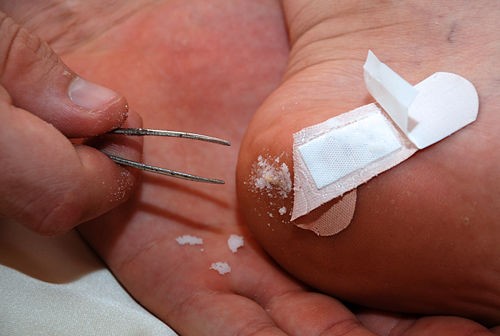
Image Source: momanddadcentral.com
What Is a Splinter?
A splinter is a small piece of something. It can be wood, glass, metal, or plastic. It gets stuck under the skin. Splinters often happen when kids play outside. They touch rough surfaces. They might fall. Splinters can hurt. They can also lead to infection. Removing them quickly is key.
Why Is Removing a Splinter Important?
Leaving a splinter in can cause problems. It can hurt your child more. It can get infected. Bacteria on the splinter can enter the body. This can cause redness, swelling, and pus. In rare cases, a splinter can cause tetanus. Tetanus is a serious illness. Make sure your child’s tetanus shots are up to date. This is very important.
Getting Ready: A Calm Approach
Removing a splinter from a toddler needs patience. Your child may be scared. They might be in pain. A calm approach helps a lot. Pick a good time. Your child should be well-rested. They should not be hungry. Get all your tools ready before you start. This makes the process faster.
Creating a Peaceful Setting
- Pick a quiet place: Go to a room with good light. Make sure it is warm and cozy.
- Explain simply: Tell your child what you will do. Use simple words. Say, “We will make your boo-boo feel better.”
- Offer comfort: Hold their hand. Give them a favorite toy. Sing a song. Distraction is a powerful tool.
- Stay calm: Your calm voice helps your child stay calm. Kids pick up on parent’s feelings.
Assembling Your Tools
Having the right tools helps. This makes the job easier. It also makes it faster. Here are things you might need:
- Bright light: A good lamp or sunlight works well. You need to see the splinter clearly.
- Magnifying glass: This helps you see tiny splinters.
- Tweezers: Pointed tweezers are best. Make sure they are clean.
- Rubbing alcohol: Use this to clean tweezers. Use it for the skin too.
- Antiseptic wipes or soap and water: For cleaning the skin area.
- Bandages: Small ones are usually enough.
- Sterile needle (optional): Only use if the splinter is deep and under the skin. Be very careful.
- Warm water and mild soap: For soaking the area.
- Comfort items: A favorite toy, blanket, or book.
Gentle Splinter Removal Toddler Techniques
The goal is pain free splinter removal for kids. This means being gentle. It means working fast. It also means making your child feel safe. There are many toddler splinter removal techniques. Choose the best one for your child. Choose the best one for the splinter.
First Steps: Cleaning the Area
Before you do anything, clean the area.
1. Wash your hands: Use soap and water. Wash well.
2. Wash child’s skin: Gently wash the skin around the splinter. Use mild soap and warm water. Pat it dry.
3. Clean your tools: Wipe tweezers with rubbing alcohol. This prevents germs.
Method 1: Tweezers for Visible Splinters
This is the most common method. It works best for splinters sticking out.
1. Position your child: Have them sit or lie down. Make sure they are still. You might need another adult to help. One person holds the child still. The other removes the splinter.
2. Get a good view: Use good light. A magnifying glass helps. Look at the splinter. See which way it went in.
3. Grasp the splinter: Hold the tweezers close to the skin. Grab the part of the splinter sticking out.
4. Pull gently and straight: Pull the splinter out. Pull in the same direction it went in. Pull slowly and steadily. Do not squeeze the skin. Do not break the splinter.
5. Check the area: Make sure the whole splinter came out. Sometimes a piece breaks off.
6. Clean again: Wash the area with soap and water. You can also use an antiseptic wipe.
7. Cover with bandage: Put a small bandage over the spot. This keeps it clean.
Method 2: Tape for Tiny Splinter Removal Baby or Child
This works well for very small splinters. It also works for splinters that are barely sticking out. It is a good splinter removal without tweezers for child option.
1. Clean the skin: Wash the area gently with soap and water. Let it dry completely. Tape won’t stick to wet skin.
2. Get strong tape: Use packing tape, duct tape, or medical tape. Avoid weak tape.
3. Press tape down: Place the tape firmly over the splinter. Make sure it sticks well to the skin.
4. Peel quickly: Peel the tape off. Peel it in the opposite direction of the splinter. The splinter should stick to the tape.
5. Check: Look closely to see if the splinter is gone. You might need to try a few times.
6. Clean and cover: Wash the skin. Put on a bandage.
Method 3: Soaking for Easy Access
Soaking can make the skin softer. It can also help a splinter work its way out. This is often good for a splinter in finger toddler or a splinter in a toe.
1. Get warm water: Fill a basin with warm, soapy water.
2. Soak the area: Have your child soak the affected hand or foot. Soak for 10-15 minutes. This softens the skin. It might make the splinter come out.
3. Check: After soaking, dry the skin. Check if the splinter is now sticking out more. Or if it has come out.
4. Use tweezers: If it’s more visible, try the tweezer method. If not, try another method.
Method 4: Glue or Wax for Surface Splinters
This method is similar to the tape method. It’s another splinter removal without tweezers for child choice.
1. Clean skin: Make sure the skin is clean and dry.
2. Apply glue/wax: Put a small amount of school glue (like Elmer’s) or melted wax on the splinter. Let it dry completely. Do not use super glue! It can glue skin together.
3. Peel off: Once dry, peel the glue or wax off. The splinter should come out with it.
4. Clean and cover: Wash the skin. Put on a bandage.
Dealing with Deeper or Tricky Splinters
Sometimes, a splinter is not easy to remove. It might be deep. It might be hard to see. This needs extra care. For deep splinter removal child cases, a sterile needle might be needed. Use extreme caution. Or, seek medical help.
When a Splinter is Under the Skin (Partial)
If a splinter is mostly under the skin, but a tip is still visible:
1. Sterilize a needle: Hold a sterile needle (from a first-aid kit or new sewing needle) over a flame until it glows red. Let it cool. Wipe with alcohol.
2. Gently lift skin: Use the needle to gently lift the skin. Try to expose more of the splinter. Do not poke your child. Just lift the top layer of skin.
3. Use tweezers: Once you can see more of the splinter, use sterilized tweezers. Grab it and pull it out gently.
4. Clean and cover: Clean the area well. Put on a bandage.
When a Splinter is Completely Under the Skin
This is harder. You need to be very careful.
1. Soak first: Try soaking the area in warm, soapy water for 15-20 minutes. This might help the splinter rise.
2. Gentle pressure: After soaking, apply gentle pressure around the splinter. Squeeze the skin. Try to push it out. Do not squeeze hard.
3. Sterile needle (extreme caution): If you can see the splinter just under the skin’s surface, and it is shallow, you might try to use a sterile needle. Gently break the skin over the splinter. Then use tweezers to pull it out.
* Warning: This should only be done if you are very comfortable. Your child must be very still. If you are not sure, or if the splinter is deep, do not try this. See a doctor instead. This is often a case for deep splinter removal child should get from a pro.
Homemade Splinter Removal Remedies for Kids
Some people use home remedies. These might help. Always be careful. Make sure they are safe for your child.
Baking Soda Paste
- Mix paste: Mix a small amount of baking soda with water. Make a thick paste.
- Apply to splinter: Put the paste over the splinter. Cover it with a bandage.
- Let it sit: Leave it for 12-24 hours. The baking soda may swell the skin. This can help push the splinter out.
- Check: Remove the bandage. Wash the paste off. See if the splinter is now visible. Or if it has come out. Try tweezers if it’s visible.
Epsom Salt Soak
Epsom salts can help draw out splinters.
1. Add to water: Put a few tablespoons of Epsom salt into warm water.
2. Soak: Have your child soak the area for 15-20 minutes.
3. Check: After soaking, dry the skin. Check if the splinter is easier to remove.
Ointments and Salves
Some people use drawing salves or ichthammol ointment. These might help draw the splinter to the surface.
1. Apply: Put a small amount of salve on the splinter area.
2. Cover: Cover with a bandage.
3. Leave: Leave it for 12-24 hours.
4. Check: Remove the bandage. The splinter might be closer to the surface. It might be easier to remove with tweezers.
Important Note on Home Remedies: These remedies might help. But they are not guaranteed. Always watch for signs of infection. If the splinter is deep or stubborn, it’s best to seek medical advice.
Aftercare for the Skin
Once the splinter is out, proper aftercare is important. This helps prevent infection. It also helps the skin heal.
1. Clean the wound: Wash the area gently with soap and warm water. You can also use an antiseptic wipe.
2. Apply antiseptic: Put a small amount of antiseptic cream or antibiotic ointment. This helps fight germs.
3. Cover with bandage: Put a fresh, clean bandage over the spot. This protects it from dirt and germs.
4. Change bandage: Change the bandage daily. Change it if it gets wet or dirty.
5. Watch for signs of infection: Keep an eye on the area. Look for redness, swelling, pus, or streaks.
Recognizing Infected Splinter Toddler Signs
It is vital to know when a splinter site is infected. Watch the area closely for a few days after removal. Or, if you could not remove the splinter.
| Sign of Infection | Description | Action |
|---|---|---|
| Redness | The skin around the splinter looks red and sore. | Watch carefully. If it spreads, see a doctor. |
| Swelling | The area feels puffy or raised. | Watch carefully. If it grows, see a doctor. |
| Pus | Yellow, white, or green fluid comes from the site. | See a doctor right away. This is a clear sign. |
| Warmth | The skin around the splinter feels hot to the touch. | See a doctor. |
| Pain | The area hurts more than usual, or pain gets worse. | See a doctor. |
| Red Streaks | Red lines spread out from the splinter site. | See a doctor right away. This is serious. |
| Fever | Your child has a fever with no other clear cause. | See a doctor. |
| Lymph Node Swelling | Glands near the splinter (e.g., armpit for hand splinter) are swollen. | See a doctor. |
When to See Doctor for Toddler Splinter
Sometimes, home removal is not possible. Or it is not safe. It is important to know when to seek medical help. Do not hesitate to call your doctor or go to an urgent care clinic.
- Deep splinter: The splinter is buried deep. You cannot see it. Or you cannot reach it.
- Large splinter: The splinter is big. It might cause more damage if you pull it.
- Splinter near eye: Any splinter near the eye, face, or sensitive areas needs a doctor.
- Bleeding a lot: If the area bleeds heavily.
- Child won’t cooperate: If your child is too upset or cannot stay still. Trying to force it can cause more harm.
- Incomplete removal: If you think a piece of the splinter broke off and is still inside.
- Signs of infection: Redness, swelling, pus, worsening pain, red streaks, fever.
- Metal, glass, or plastic splinter: These can be harder to remove. They might cause more issues.
- Rust concern: If it’s a rusty metal splinter and your child’s tetanus shot is not up to date.
- Pain persists: If the area remains very painful days after removal.
Your doctor has special tools. They can numb the area. They can remove the splinter safely. They can also check for infection. They can give antibiotics if needed.
Preventing Future Splinters
Prevention is always better. You can take steps to keep your child safe from splinters.
- Check play areas: Look at wooden decks, fences, and playground equipment. Sand them down if they are rough.
- Wear shoes: Make sure your child wears shoes outside. Even in your backyard.
- Wear gloves: When gardening or handling wood, make your child wear gloves. If they are old enough to help.
- Inspect toys: Check wooden toys for rough spots. Smooth them with sandpaper.
- Teach caution: Teach your child to be careful. Tell them to avoid rough surfaces.
Frequently Asked Questions (FAQ)
Q: How can I make splinter removal less scary for my child?
A: Stay calm yourself. Offer a favorite toy or book for distraction. Sing songs. Tell them it will be fast. Reward them after it’s done. A small treat or extra cuddle can help.
Q: What if my toddler is screaming and won’t let me touch the splinter?
A: Do not force it. This can make it worse. Try to distract them. If it doesn’t work, take a break. Try again later when they are calmer. If you still can’t, call your doctor. They can help. They can use local numbing cream.
Q: Can a splinter just come out on its own?
A: Small, shallow splinters might work their way out. Especially with warm soaks. But it is always best to remove them. This lowers the chance of infection. Deep splinters rarely come out on their own.
Q: Should I use alcohol to clean the splinter directly?
A: You can clean the skin around the splinter with alcohol. But it stings. Soap and water are gentler. Alcohol is good for cleaning your tools (tweezers, needle).
Q: How do I know if the entire splinter is out?
A: Look very closely. Use good light and a magnifying glass. Check the removed splinter too. If it looks whole, it likely is. If you see any part still in the skin, try to remove it. If you’re not sure, and your child’s pain continues, or you see signs of infection, call your doctor.
Q: My child got a splinter from a rusty nail. What should I do?
A: Clean the area very well. Check your child’s immunization records. Make sure their tetanus shot is up to date. If it’s not, or you’re unsure, see a doctor right away. Tetanus is serious.
Q: Is it okay to squeeze the splinter out?
A: Squeezing can push the splinter deeper. It can also break it. Try to pull it out gently with tweezers. Or use tape or glue. Only apply very gentle pressure to encourage it out if it is already very close to the surface.
Wrapping Up
Finding a splinter in your toddler can be stressful. But with a calm approach and the right tools, you can often remove it at home. Remember to focus on gentle splinter removal toddler strategies. Aim for pain free splinter removal for kids. Always clean the area well. Watch for signs of infection. If you have any doubt, or if the splinter is deep or tricky, do not hesitate. Call your doctor right away. Your child’s comfort and health come first.