
Many parents wonder how to stop toddler coughing at night or find simple ways for how to soothe toddler cough. The good news is there are gentle, safe options you can try at home to offer toddler night cough relief. When your little one is coughing, especially in the dark hours, it breaks your heart. A cough can make it hard for them to sleep. It can make it hard for you to sleep! Let’s look at some helpful tips to bring comfort.
Image Source: assets.childrens.com
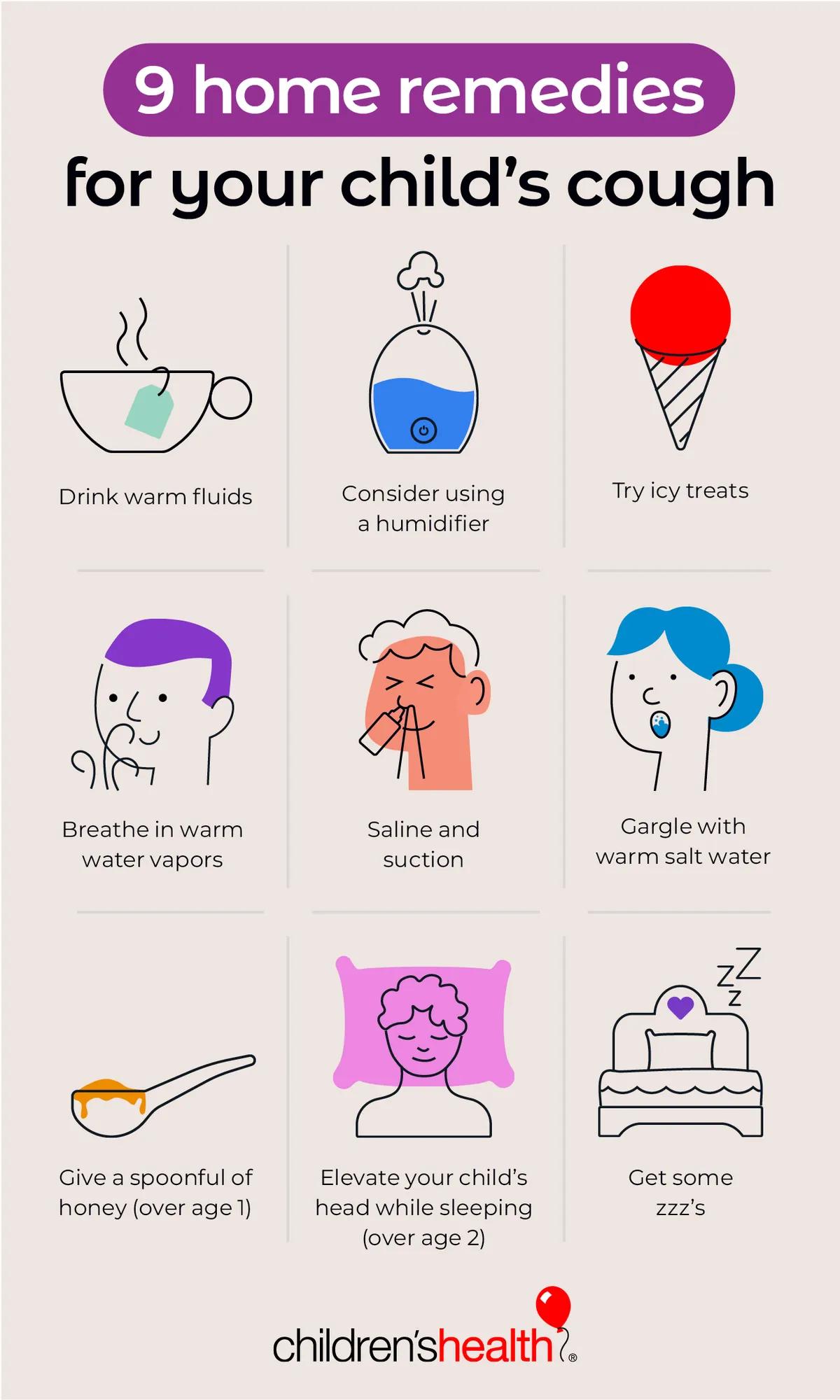
Why Toddlers Cough
Coughing is a natural way the body clears things. It helps remove stuff from the airways. Stuff like mucus, germs, or even dust. It’s not always a bad thing. It’s the body helping itself.
But coughs can be annoying. They can be tiring. They often get worse at night. This is because when your child lies down, mucus can pool. This can tickle their throat. It can trigger more coughing fits.
Most toddler coughs come from colds or other simple sicknesses. Viruses are the usual cause. Bacteria can cause them too, but that is less common. Allergies can also cause coughs. Sometimes even dry air can make a toddler cough.
Simple Steps for Night Comfort
Helping your child sleep is key. A good night’s rest helps them get better. It also helps you! Here are some simple things you can do when a cough strikes at night.
Elevate Their Head
Raising your child’s head can help. It lets mucus drain better. Less mucus pooling means less tickling. This can mean less coughing.
- How to do it safely: For toddlers, do not use pillows in the crib. This is not safe. Instead, place a firm pillow or a wedge under the mattress. The mattress should tilt up slightly at the head end. Make sure it is a gentle slope. Too steep is not comfy. Too steep is also not safe. You can also use books under the legs of the crib at the head end.
Keep the Air Moist
Dry air can make a cough worse. It dries out the airways. This can lead to more irritation. Adding moisture to the air can help.
- Use a Humidifier: A humidifier is a great tool. It puts water mist into the air. A cool-mist humidifier is best for kids. It is safer than a warm-mist one. Warm mist can cause burns if the child touches it. Place the humidifier in your child’s room. Put it near their bed. But keep it out of their reach. Clean the humidifier often. Germs can grow in standing water. Follow the maker’s directions for cleaning. This helps keep the air clean too. This is a top way for safe cough remedies for toddlers.
Try a Steam Shower
Steam is like a warm humidifier. It can help loosen thick mucus. It can make it easier to cough up. This is a good trick for chesty cough remedies toddlers can use.
- How to do it: Go into the bathroom. Close the door. Turn on the hot shower. Let the room fill with steam. Do not put your child in the hot water. Just sit with them in the steamy room. Stay in the steam for about 10-15 minutes. Bring a book or sing songs. Make it a calm time. After the steam, the cough might get a bit worse for a short time. This is okay. It means the mucus is moving.
These simple steps often bring good toddler night cough relief. They make the air better for little lungs.
Gentle Home Helpers: Home Remedies for Toddler Cough
Many parents like to use natural ways to soothe toddler cough. These are often gentle. They can be quite helpful for toddler cold and cough remedies. Always check with your doctor first before trying new remedies. Especially for very young children.
Honey for Coughs
Honey is famous for soothing coughs. It coats the throat. It can calm the tickle that makes kids cough. Studies show it can work as well as some cough medicines for kids over one year old.
- Important Rule: Never give honey to babies younger than one year old. It can cause a serious sickness called botulism.
- How to give it: Give your toddler 1/2 to 1 teaspoon of honey before bed. You can give it plain. Or mix it in warm water or warm milk. Make sure the drink is not too hot. Just warm. Lemon can be added to warm water with honey. It tastes nice. Some say lemon helps too.
Honey is a great option for dry cough relief for toddlers. It helps coat the throat.
Saline Nose Drops
Coughs and stuffy noses often go together. A blocked nose makes breathing hard. It can also make mucus drip down the back of the throat. This drip can cause coughing. Especially when lying down.
- How they work: Saline is just salt water. It is safe for little ones. It helps thin mucus in the nose. This makes it easier to blow out or for gravity to drain.
- How to use them: Lay your child down on their back. Put 2-3 drops of saline in each nostril. Wait a minute. The drops help loosen the snot. Then you can use a bulb syringe or nasal aspirator to suck out the mucus. Do this before bedtime. Do it again if they wake up coughing from a stuffy nose. Clearing the nose can give great toddler night cough relief.
Warm Drinks
Warm liquids can be very soothing. They can help thin mucus. They can also calm a sore throat.
- Good choices: Warm water is good. Warm milk can be nice and comforting. For toddlers over one, warm water with honey and lemon is a classic. Make sure any drink is only warm, not hot. Test it first.
Chest Rubs
Some gentle chest rubs can help. They often have scents like eucalyptus or menthol. These scents can make breathing feel clearer. They do not stop the cough itself. But the feeling can be calming.
- Safety First: Be very careful with chest rubs for toddlers. Many adult rubs are too strong. They can hurt young skin. Their strong smell can even be bad for little ones. Look for rubs made just for babies or toddlers. They have weaker ingredients. Or they use different ingredients entirely. Never put rubs near the nose or mouth. This can be dangerous. The rubbing action itself can also be comforting to your child.
Deciphering Different Coughs
Not all coughs are the same. Knowing the type of cough can help you choose the best safe cough remedies for toddlers.
Dry Cough
This cough has no mucus. It sounds like a hack. Or it can be like a bark. It often gets worse at night. It can be caused by irritation in the throat. Or it can be the start or end of a cold.
- Remedies that help: Honey (for over 1s) is good. Warm drinks help. Humidifiers add moisture. These are key for dry cough relief for toddlers.
Wet or Chesty Cough
This cough sounds heavy. It rattles in the chest. It means there is mucus in the airways. The child is trying to cough it up.
- Remedies that help: Steam is great for this. Saline drops help clear mucus that might be draining. Keeping hydrated is also important to thin mucus. These are good chesty cough remedies toddlers can use.
Barking Cough
This cough sounds like a seal. It is often a sign of croup. Croup affects the windpipe. It is often worse at night.
- What to do: Croup can be scary. The best thing for a barking cough is cool air or steam. Take your child outside for a few minutes if the air is cool. Or use the steam shower trick. If the barking cough is severe, or your child has trouble breathing, get medical help right away.
Whooping Cough
This cough comes in fits. After many coughs, the child takes a big gasp of air. This makes a “whoop” sound. This is a very serious sickness. It is called Pertussis.
- What to do: If you think your child has whooping cough, see a doctor right away. It needs medical treatment. Vaccinations help protect against whooping cough.
Knowing the sound helps. But do not worry too much about being a cough expert. The main thing is how your child seems. Are they playing? Drinking? Or do they seem really sick?
Safe and Natural Ways to Soothe Toddler Cough
Parents often look for natural ways to soothe toddler cough. This makes sense. You want to avoid strong medicines if you can. Many natural options focus on comfort and helping the body heal itself.
- Hydration: Make sure your toddler drinks plenty of fluids. Water, diluted juice, warm clear soups, or electrolyte drinks (if needed and recommended by a doctor) are all good. Liquids help keep mucus thin. Thin mucus is easier to cough up. Being well-hydrated also helps the body fight the sickness.
- Rest: Sleep is vital for getting better. A tired child coughs more. Make sure your child gets enough rest. Stick to bedtime routines as much as possible. Use the tips above to help them sleep better at night. Good rest is part of toddler cold and cough remedies.
- Proper Nutrition: Give your child healthy foods. Even if they don’t want to eat much, offer simple, healthy options. Good food helps their body stay strong and fight off the illness.
- Keeping the Air Clean: Avoid things that can irritate airways. Do not smoke in the house or car. Keep your home free of strong smells from cleaners or sprays. These things can make a cough worse.
- Vapor Rubs (Toddler Safe): As mentioned, only use rubs made for toddlers. They use gentle oils. Some use things like eucalyptus or lavender in very small amounts. Always read labels carefully. Apply to the chest or back. Never near the face.
- Elevating the Head: This was covered earlier but is worth listing again as a key natural method. It uses gravity to help!
These natural ways to soothe toddler cough work with the body. They provide comfort and support healing.
What About Cough Medicines?
It is important to talk about cough medicine for toddlers. The short answer is: be very careful.
Cough and cold medicines are generally not recommended for children under 4 years old. For children aged 4 to 6, use them only if your doctor says it is okay. For children over 6, you can use them, but follow dose rules exactly.
- Why not for toddlers?
- They often do not work well for young children. Studies show they don’t stop coughs in this age group.
- They can have serious side effects. These can include sleepiness, dizziness, upset stomach, and even more severe problems.
- It is easy to give the wrong dose. Toddler bodies are small. A little too much can be bad.
- Many cough medicines have more than one ingredient. You might give medicine for cough and for fever. The child might already be getting the fever medicine from somewhere else (like pain reliever). This can lead to getting too much medicine overall. This is dangerous.
Stick to safe cough remedies for toddlers like honey, steam, saline, and humidifiers. These are much safer and often work just as well, if not better, for young children. Always, always talk to your doctor before giving any medicine to your toddler.
When to Call the Doctor
Most toddler coughs are from simple colds. They get better on their own. But sometimes a cough is a sign of something more serious. You should call your doctor if your toddler’s cough has any of these signs:
- Trouble breathing: Is your child breathing fast? Are they working hard to breathe? Look for their chest sinking in below the ribs with each breath. Or their nostrils flaring out. This needs help right away.
- Bluish color: Check their lips, face, or tongue. A bluish color means they are not getting enough oxygen. This is an emergency. Call for help right away.
- High fever: For children under 3 months, any fever is a big deal. Call the doctor. For older toddlers, a fever over 102°F (39°C) that doesn’t get better or seems to make them very sick means call the doctor.
- Coughing up thick green or yellow mucus: This might mean a bacterial infection. Antibiotics might be needed. Only a doctor can tell.
- Coughing that lasts a long time: A cough from a cold can last a week or two. If it lasts longer than 2-3 weeks, see the doctor.
- Coughing fits: Especially if they sound like whooping cough. Or if the child coughs so hard they turn blue or vomit.
- Wheezing: This is a whistling sound when they breathe out. It can mean asthma or other airway problems.
- Child seems very sick: Are they not playing? Not drinking? Very sleepy? Do they just not seem themselves? Trust your gut. If you are worried, call the doctor.
- Ear pain: Colds and coughs can lead to ear infections.
- Not drinking enough: If they show signs of not having enough fluids (like fewer wet diapers).
Do not wait if you see these signs. It is always best to be safe and call the doctor. They can tell you if your child needs to be seen. They can guide you on the best way to help your little one.
More Tips for Comfort
Beyond the main remedies, a few other things can help make your toddler more comfortable when they have a cough.
- Keep them Hydrated: Yes, saying it again! It is that important. Offer drinks often. Ice pops can be a fun way to get fluids in. They can also soothe a sore throat.
- Soothe a Sore Throat: A cough can make the throat sore. Warm drinks help. For toddlers over 4, a throat lozenge might help. But be careful. Lozenges can be a choking risk for younger toddlers. Stick to drinks, honey (over 1s), or soft foods like yogurt or applesauce.
- Encourage Rest: Make their sleep space comfy. Keep it quiet and dark. Follow bedtime routines. Day naps are important too.
- Manage Fever: A fever often comes with a cough. Use children’s acetaminophen or ibuprofen if needed. Use the right dose for their weight. Fever control can help them feel better overall. Feeling better helps them rest. Rest helps them heal.
- Handwashing: Wash hands often! Teach your toddler to wash their hands. Make it fun with bubbles and songs. Wash your own hands often too. This helps stop the sickness from spreading. It helps prevent new sicknesses.
- Clean Toys: Clean toys that your child plays with. Germs live on surfaces. Cleaning helps reduce germs.
These tips are part of good care when a child is sick. They support the body’s natural ability to heal. They provide comfort for your child and peace of mind for you.
Grasping the Role of Sleep
Sleep is not just rest. It’s when the body does a lot of its repair work. For a toddler with a cough, getting good sleep is crucial. But the cough itself makes sleep hard. This is where focusing on toddler night cough relief becomes very important.
Think about it. During the day, your child is upright. Gravity helps drain mucus. When they lie down at night, mucus can collect. This triggers the cough reflex more easily. The dry air in heated homes in winter can also make nighttime cough worse.
That’s why using a humidifier for toddler cough at night is so helpful. It adds moisture. This keeps the airways from drying out. It can also help thin mucus.
Raising the head slightly helps gravity keep working even when they are lying down. It prevents that pooling effect as much as possible.
Making sure their nose is clear with saline drops before bed is another key step for how to stop toddler coughing at night. If they can breathe through their nose easily, they are less likely to mouth breathe. Mouth breathing can dry out the throat and trigger coughing.
Giving honey (for those over 1) right before bed can coat the throat. This can reduce the tickle that starts nighttime coughing fits.
Creating a calm, quiet, and comfortable sleep environment also matters. Stress and being overtired can make symptoms feel worse. A peaceful bedtime routine helps them relax.
These strategies work together. They make the night less about coughing and more about healing rest. They are essential pieces of toddler night cough relief.
Specifics on Humidifiers
Let’s look more closely at using a humidifier for toddler cough.
- Cool Mist vs. Warm Mist: Always choose cool mist. Warm mist humidifiers can cause burns. The water or steam is hot. Cool mist is safe.
- Placement: Put the humidifier in the room. Not right next to the bed. About 6 feet away is good. This spreads the mist gently. Make sure cords are safe. Out of reach.
- Cleaning is Key: This is super important. Humidifiers can grow mold and bacteria fast. These can be blown into the air! This can make your child more sick. Clean the humidifier every day. Use water and white vinegar. Rinse it very well. Change the water every day. Do not let water sit in it for days. Follow the manufacturer’s instructions for cleaning and care.
- Watch the Room: You don’t want the room to be too damp. Too much moisture can cause mold on walls. If the windows are very wet or walls feel damp, you might be using it too much. Or the room is too small for the unit. Use it only when needed, often just at night.
- Check Filter: Some humidifiers have filters. Change or clean the filter as the instructions say.
Using a clean humidifier for toddler cough can make a big difference for sleep. It helps especially with dry, hacking coughs.
Delving Into Steam
Using steam from a shower for toddler cough is a quick way to get moisture into the air.
- How it works: Warm, moist air helps loosen thick mucus in the chest and nose. This makes it easier for the child to cough it up or blow their nose.
- When to use it: It is great for chesty cough remedies toddlers need. Or for a barking croup cough. It can provide fast relief.
- The process:
- Close the bathroom door and windows.
- Turn the shower on hot.
- Sit with your child in the bathroom. Do not put them in the shower or tub with hot water. Just sit on a stool or the floor.
- Stay for 10-15 minutes.
- Bring books, a toy, or sing songs to keep them calm.
- After the steam, their cough might get stronger for a bit. This is normal. It helps them clear their airways.
- Have tissues ready.
This method is natural and effective. It is a simple home remedy for toddler cough that parents can use quickly when a bad coughing fit starts, especially at night.
Compiling Safe Cough Remedies for Toddlers
Let’s list the safe options again. It helps to have them all in one place. These are the remedies experts agree are generally safe and helpful for toddlers:
- Honey: 1/2 to 1 teaspoon for toddlers over 1 year old. Before bed.
- Humidifier: Cool mist only. Clean it daily.
- Steam: From a shower in a closed bathroom. Sit with child.
- Saline Nose Drops/Spray: Follow with nasal aspirator if needed. Before naps and bedtime.
- Warm Drinks: Water, milk, or honey/lemon water (over 1s). Warm, not hot.
- Elevate Head: Under mattress or crib legs. Safe incline.
- Rest: Encourage lots of sleep.
- Fluids: Offer drinks often during the day too.
- Toddler-Safe Chest Rub: Use only rubs made for this age group. Apply safely.
These methods cover many aspects of toddler cold and cough remedies. They offer different ways to help your child breathe easier and sleep better. They are focused on comfort and support.
Addressing Specific Cough Types with Home Remedies
Let’s match the safe remedies to the type of cough again for clarity.
| Cough Type | Sounds Like | Best Safe Home Remedies |
|---|---|---|
| Dry Cough | Hacking, tickling, no mucus | Honey (over 1s), Humidifier, Warm drinks, Elevate head |
| Chesty/Wet Cough | Rattly, wet sound, has mucus | Steam shower, Saline drops, Fluids, Humidifier, Elevate head |
| Barking Cough | Seal bark (Croup) | Steam shower, Cool air (briefly outside), Seek medical help for severe symptoms. |
| Cough with Snot | Often goes with runny/stuffy nose | Saline drops & aspirator, Humidifier, Fluids, Elevate head |
This table helps quickly see which home remedies for toddler cough might work best depending on what you hear. Remember, if you are ever unsure, call your doctor.
Preventing Future Coughs
While you are soothing a current cough, you can also think about preventing the next one.
- Hand Hygiene: The most important step! Frequent handwashing with soap and water stops the spread of germs.
- Avoid Sick People: Try to limit contact with people who are sick.
- Healthy Habits: Good food, enough sleep, and being active help build a strong immune system.
- Vaccinations: Make sure your child is up to date on all recommended vaccines, including the flu shot every year. Vaccines prevent many serious illnesses that cause coughs.
- Cleanliness: Keep shared surfaces clean. Toys, doorknobs, tables.
- Humidify in Winter: Using a humidifier regularly in dry winter months can help keep airways moist and less likely to get irritated.
Taking these steps can reduce how often your toddler gets sick. This means fewer coughs overall.
Interpreting When Things Don’t Improve
You’ve tried the safe home remedies for toddler cough. You’ve used the humidifier for toddler cough. You’ve given honey (if over 1). But the cough isn’t getting better. Or it’s getting worse.
It is time to check in with your doctor.
Sometimes a simple cold turns into something else. It could be a sinus infection, an ear infection, bronchitis, or pneumonia. These might need medicine from the doctor.
Do not feel like you failed if home remedies do not fix it. They are meant to soothe and support, not cure everything. Your doctor is there to help figure out the next step. They can listen to your child’s lungs. They can check their ears and throat. They can decide if a prescription is needed.
Be ready to tell the doctor:
* How long has the cough lasted?
* What does the cough sound like?
* Is it worse at night?
* Does your child have a fever? How high?
* Are they having trouble breathing? (Be specific about signs you see).
* Are they eating and drinking okay?
* Are they acting normally? Or are they very tired or fussy?
* What have you tried at home? Did anything help?
This information helps the doctor figure out what’s going on. Getting help when needed is part of being a good parent. It is about keeping your child safe and healthy. Rely on the safe cough remedies for toddlers when you can. But rely on your doctor’s help when you need it.
Frequently Asked Questions (FAQ)
Q: Can I give my toddler over-the-counter cough medicine?
A: Doctors do not recommend over-the-counter cough and cold medicines for children under 4 years old. They often do not work well and can have harmful side effects. Stick to safe home remedies for toddler cough unless your doctor tells you otherwise.
Q: Is honey really effective for toddler cough?
A: Yes, for toddlers over 1 year old, honey has been shown to help soothe coughs, especially nighttime coughs, by coating the throat. It can be as helpful as some cough medicines for this age group. Remember, never give honey to babies under one.
Q: How long does a toddler cough usually last?
A: A cough from a common cold can last for one to two weeks. Sometimes even up to three weeks. If the cough lasts longer than that, or gets much worse, call your doctor.
Q: What is the best humidifier for toddler cough?
A: A cool-mist humidifier is recommended for safety. Choose one that is easy to clean, as cleaning it daily is very important to prevent germ growth.
Q: Can I use Vicks VapoRub on my toddler?
A: Standard Vicks VapoRub is not safe for toddlers and young children. It contains ingredients that can be too strong for their small airways and cause problems. Only use chest rubs specifically labeled and made for toddlers or babies, and apply them safely away from the face. Look for safe cough remedies for toddlers made with gentler ingredients.
Q: My toddler coughs only at night. Why is that?
A: Coughing often gets worse at night because when a child lies down, mucus can pool in the back of their throat, triggering the cough reflex. Dry air in the room can also irritate airways. Using a humidifier for toddler cough, elevating their head slightly, and clearing their nose before bed can help reduce night coughing fits. These are key strategies for toddler night cough relief.
Q: Are essential oils safe to use for toddler cough?
A: Be very careful with essential oils around toddlers. Some oils can be harmful or irritate their airways. Do not use essential oils in a diffuser or applied to the skin without talking to your pediatrician first. Stick to proven, safe home remedies like steam and saline.
Q: What if my toddler’s cough sounds really bad but they are acting okay?
A: The sound of the cough isn’t the only thing that matters. How your child looks and acts is very important. If they are breathing easily, playing, drinking fluids, and seem generally happy, it might be okay to manage the cough with home remedies. However, if the cough is very harsh, persistent, or worrying to you, it’s always best to call your doctor for advice. Trust your parent instincts.
In Conclusion
Dealing with a toddler’s cough, especially at night, is tough. It’s tiring for everyone. The good news is you have many safe and gentle options to try at home. Focusing on natural ways to soothe toddler cough, keeping the air moist with a humidifier for toddler cough, using steam, and clearing their little noses can make a big difference. Remember the power of simple home remedies for toddler cough like honey (over 1s) and warm drinks. Prioritize rest and fluids. And most importantly, know the signs that mean it’s time to call the doctor. You are doing a great job taking care of your little one. With comfort and care, their cough should get better soon.