
Coughing is a common thing for toddlers. It can make them feel bad. It can keep them awake. As a parent, you want to help them feel better. But giving toddlers medicine is not always safe. Many medicines for coughs are not good for young children. So, how can you help a toddler who is coughing safely? You can use simple, gentle methods. Many of these are called toddler cough remedies. They often use things you have at home. This post shares tips on safe ways to soothe your child’s cough.
Image Source: assets.childrens.com
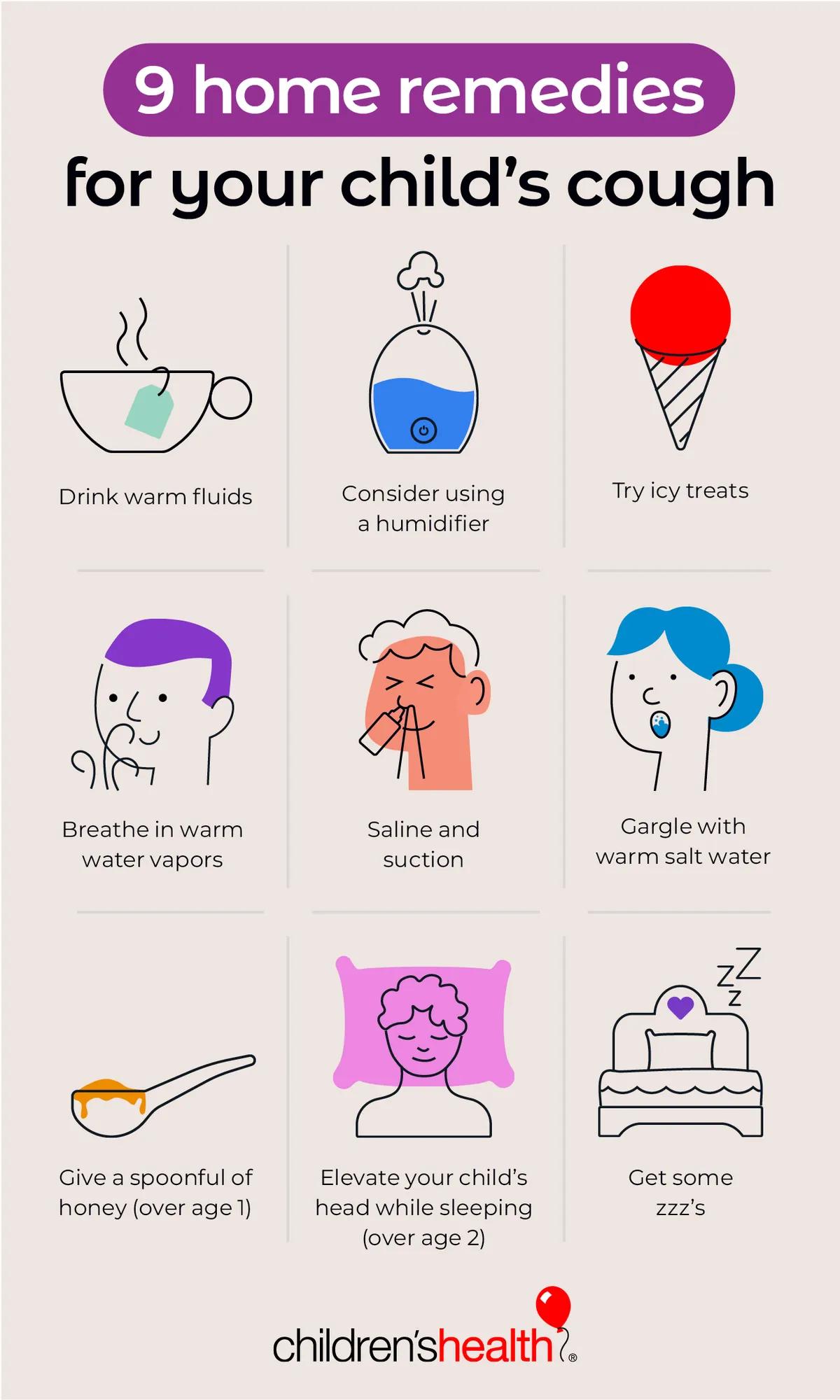
Comprehending Why Toddlers Cough
Toddlers cough for many reasons. Coughing is a way for their bodies to clear stuff out. It helps clear airways.
Here are common reasons a toddler might cough:
- Colds and Viruses: This is the most common reason. A virus makes their nose and throat sore. Mucus can drip down. This makes them cough.
- Allergies: Things like pollen, dust, or pet hair can make them cough. Their body reacts to these things.
- Asthma: Some toddlers have asthma. This makes their airways swell. They might cough, especially at night or when active.
- Something in their airway: A toddler might breathe in a small object. This is serious. It causes sudden, strong coughing.
- Irritants: Smoke, strong smells, or dry air can make them cough.
- Acid Reflux: Stomach acid can come up. This can bother their throat. It causes a cough.
Most coughs in toddlers are from a cold or virus. These coughs usually get better by themselves. They just take time. Your goal is to help your child feel more comfortable while they heal.
Prioritizing Safety: Avoiding Cough Medicine
It is very important to know this: Many cough and cold medicines are NOT safe for toddlers. Experts say you should not give these medicines to children under 4 or 6 years old.
Why are they not safe?
- They can have serious side effects. These side effects can be dangerous.
- They often do not work for coughs in young children. Studies show this.
- They can hide signs of a more serious problem.
- It is easy to give too much medicine by mistake.
Always talk to your doctor before giving any medicine to your toddler. This includes over-the-counter medicines. Many safe toddler cough remedies do not use medicine.
Gentle Ways to Soothe a Toddler’s Cough
You can do many things to help your toddler feel better. These are often called natural cough relief for toddlers. They help calm the cough. They make your child more comfortable.
These methods are gentle. They support the body’s natural healing. Here are some tips.
Using Warm Liquids and Honey (For Ages 1 and Up)
Warm liquids can help. They can soothe a sore throat. They can loosen mucus.
- Offer warm water.
- Offer warm apple juice. Dilute it with water.
- Offer warm clear broth.
Honey is a great natural cough relief for toddlers. It can coat the throat. This helps stop the tickle that causes coughing. It also has properties that may help fight germs.
Important: Never give honey to a child younger than 1 year old. This is because of a risk of a serious illness called botulism.
For toddlers aged 1 year and older:
- Give half a teaspoon to one teaspoon of honey.
- You can give it plain.
- You can mix it in warm water.
- You can mix it in warm milk.
- You can mix it in warm lemon water.
Give honey before bedtime. This can help with home remedies for toddler cough at night. It may help them sleep better.
Keeping Your Child Hydrated
Drinking enough liquids is very important. Liquids help thin mucus. This makes it easier to cough up or swallow.
Offer your toddler liquids often.
- Water is best.
- Milk is fine.
- Juice is okay in small amounts (diluted).
- Popsicles can also count as liquid. They can soothe a sore throat too.
Make sure they are drinking regularly. Do not force them. Just offer drinks often.
Employing Steam or Mist
Moist air can help soothe airways. It can loosen mucus.
- Using a Humidifier: A cool-mist humidifier is very helpful. Place it in your toddler’s room. It adds moisture to the air. This is great for home remedies for toddler cough at night. Make sure to clean the humidifier every day. Follow the instructions. This stops mold and bacteria from growing. Mold can make coughs worse.
- Steam from a Shower: Sit with your toddler in a closed bathroom. Turn on the hot shower. Do not get in the shower. Just let the room fill with steam. Sit there for 10-15 minutes. This can help loosen congestion. Be very careful with hot water and steam. Stay a safe distance away.
These methods can help how to soothe toddler cough. They are especially good for coughs that sound dry or tight.
Elevating the Head
Raising your toddler’s head slightly can help with nighttime coughing. It helps mucus drain better. It can make breathing easier.
- For older toddlers (usually over 2 years), you can place an extra pillow under the mattress at the head of the bed. This makes the mattress slope up.
- Do NOT use extra pillows in the bed with the toddler. This is not safe. It can be a suffocation risk.
- For younger toddlers, just having them sleep in a slightly upright position (like in a recliner or car seat, while supervised and safe) might help, but this is not for overnight sleep. The safest place for sleep is on a flat surface. Elevating the head of the mattress is the safest option for sleep if needed.
Elevating the head is one of the simple home remedies for toddler cough at night.
Clearing Nasal Passages
A lot of toddler coughing is caused by post-nasal drip. This is mucus dripping down the back of the throat from the nose. Clearing the nose can help a lot.
- Saline Nose Drops or Spray: These are just salt water. They are very safe. Lay your toddler down. Put a few drops or a spray in each nostril. This helps loosen dry mucus.
- Nasal Aspirator or Bulb Syringe: After using saline, you can use one of these to gently suck mucus out of the nose. This is easier for young toddlers who cannot blow their noses.
Keeping the nose clear helps reduce the drip that causes coughs. This is a key part of dealing with toddler cough without medicine.
Helping Different Types of Coughs
Not all coughs are the same. The best way to help depends on the type of cough.
- Dry Cough: A dry cough has no mucus. It might sound like a tickle or a bark. It can be caused by irritation, like from a cold starting or dry air.
- For a dry cough in toddler treatment: Focus on soothing the throat. Honey (if over 1) is good. Warm drinks help. Moist air from a humidifier is very helpful. Steam from a shower can calm the airways.
- Mucus Cough (Wet Cough): This cough brings up mucus. It sounds wet or gurgly. This is how the body gets rid of mucus from the lungs or airways.
- For a mucus cough toddler remedy: The goal is to help the mucus come up. Hydration is key to thin the mucus. Steam or a humidifier can also help loosen it. Gentle chest physical therapy (patting on the back – ask a doctor how to do this safely) might sometimes help, but simple hydration and humidity are usually enough. Do not try to stop a mucus cough. The body needs to get the mucus out.
Dealing with toddler cough without medicine means using these natural ways to support the body’s work.
Maintaining Air Quality in the Home
The air your toddler breathes can affect their cough. Poor air quality can make a cough worse.
- No Smoking: Never smoke in your home or car. Do not let others smoke near your child. Smoke is a big irritant. It makes coughs much worse. It can cause serious lung problems.
- Control Dust and Allergens: If allergies cause the cough, try to reduce allergens. Wash bedding often in hot water. Vacuum regularly (maybe when your child is not in the room). Consider allergy-proof covers for pillows and mattresses.
- Avoid Strong Smells: Sprays, perfumes, and cleaning products can irritate airways. Use these when your child is not around. Use unscented products if possible.
Good air helps your toddler breathe easier. This can reduce coughing.
When to Be Concerned About a Toddler’s Cough
Most toddler coughs are not serious. They get better in 1-2 weeks. But sometimes, a cough is a sign of something more serious. You need to know when to worry about toddler cough.
Call your doctor or seek medical help if you see these signs:
- Trouble Breathing: This is the most important sign. Look for:
- Breathing very fast.
- Working hard to breathe (you might see their chest or neck pull in).
- Nostrils flaring out when they breathe in.
- Making a whistling sound (wheezing) or a harsh, noisy sound when breathing in (stridor).
- Skin looking bluish, especially around the mouth.
- Coughing Up Blood: This is rare but needs urgent care.
- Cough Starts Suddenly: Especially after eating or playing with small things. This could mean something is stuck in their airway.
- High Fever: A fever over 102°F (39°C) in a toddler, especially with a cough, needs a doctor’s check.
- Cough with a “Whoop” Sound: This could be whooping cough (pertussis). It is a serious infection. Toddlers usually get vaccinated against it, but they can still get it.
- Coughing So Hard They Vomit: Occasional vomiting from coughing is okay. But if it happens often or seems severe, ask the doctor.
- The Cough Lasts a Long Time: A persistent cough toddler causes can be things like asthma, allergies, or other issues. If a cough lasts more than 2-3 weeks, see your doctor.
- Child Looks Very Sick: If your toddler is unusually sleepy, irritable, not playing, or not eating/drinking. Trust your parent gut.
Persistent cough toddler causes are many. They need a doctor to figure them out. It could be post-viral cough, asthma, allergies, or something else. That’s why a long-lasting cough needs a doctor’s visit.
Do not wait if you see signs of trouble breathing. Get help right away.
Here is a table of warning signs:
| Warning Sign | What it Might Mean | Action to Take |
|---|---|---|
| Fast, hard breathing | Trouble getting air | See doctor right away |
| Chest/neck pulling in | Working hard to breathe | See doctor right away |
| Wheezing (whistle sound) | Airways tight | See doctor soon; urgent if severe |
| Stridor (harsh sound on in-breath) | Airway partly blocked | See doctor right away |
| Blue lips/skin | Not getting enough oxygen | Get emergency help (Call 911/local emergency) |
| Coughing up blood | Needs medical check | See doctor right away |
| Sudden, strong cough | Object in airway? | See doctor right away |
| High fever (over 102°F) | Infection may be serious | See doctor soon |
| Cough with “whoop” sound | Possible whooping cough | See doctor soon |
| Cough lasts over 2-3 weeks | Persistent cough toddler causes? | See doctor soon |
| Child looks very sick | Needs medical check | See doctor soon |
Simple Prevention Steps
You can take steps to help prevent coughs.
- Wash Hands Often: This is the best way to stop germs from spreading. Wash hands with soap and water. Wash for 20 seconds. Teach your toddler to wash hands.
- Avoid Sick People: Try to keep your toddler away from people who are sick.
- Clean Surfaces: Clean toys and surfaces that toddlers touch often. Use a safe cleaner.
- Get Vaccinations: Make sure your toddler gets all their shots on time. Vaccines protect against serious illnesses that cause coughs, like whooping cough and the flu.
- Manage Allergies: If your toddler has allergies, work with a doctor to manage them. This can reduce allergy-related coughs.
Taking these steps helps keep your toddler healthy. It can mean fewer coughs.
Bringing Relief: Practical Steps at Home
Let’s put together the home remedies for toddler cough at night and daytime into a simple plan.
When your toddler starts coughing:
- Check for serious signs first. Look at the table above. If you see any, call the doctor.
- Do not give cough medicine unless the doctor tells you to.
- Offer drinks often. Warm drinks or just plain water.
- Consider honey (if over 1 year old) to soothe the throat. Give it a few times a day, especially before sleep.
- Set up a cool-mist humidifier in their room. Clean it daily. A humidifier for toddler cough adds moisture to the air.
- Use saline nose drops to help clear the nose. Use them before naps and bedtime.
- Use a nasal aspirator after saline if they cannot blow their nose.
- Let them sit in a steamy bathroom for 10-15 minutes.
- Help them rest. Make sure they get enough sleep. Sleep helps the body heal.
- Elevate the head of the bed slightly for sleep if needed (put something under the mattress).
- Keep the air clean. No smoking. Reduce dust.
- Offer comfort. Cuddles and comfort can help a sick toddler feel better.
These simple steps cover many toddler cough remedies. They are ways of dealing with toddler cough without medicine. They help how to soothe toddler cough.
Remember that a cough is a symptom. It is the body’s way of doing something. You are helping the body. You are not trying to just stop the cough at all costs. Stopping a cough completely can sometimes be bad. For example, a mucus cough helps clear the lungs.
Focus on making your child comfortable. Help them get rest. Watch for signs that they need a doctor.
Explaining Persistent Coughs
A cough that lasts a long time is called a persistent or chronic cough. For toddlers, this usually means a cough that lasts more than 2-3 weeks. Persistent cough toddler causes need a doctor to look into them.
Common reasons for a persistent cough in a toddler include:
- Post-viral cough: The cough can linger for weeks after a cold is gone. The airways are still sensitive.
- Allergies: Ongoing exposure to allergens can cause a cough that doesn’t go away.
- Asthma: Coughing, especially at night, can be a main sign of asthma in toddlers. Exercise or cold air can make it worse.
- Exposure to Irritants: Living in a home with smoke or mold can cause a long-term cough.
- Acid Reflux (GERD): If stomach contents come back up, it can irritate the throat and cause a chronic cough.
- Other less common causes: Sometimes there are other reasons, like infections that need treatment or problems with the airways.
If your toddler has a cough that just won’t go away, make an appointment with their pediatrician. The doctor will ask questions. They will examine your child. They might do tests to figure out the cause. Finding the cause is the first step to treating a persistent cough toddler causes.
Final Thoughts on Helping Your Coughing Toddler
Seeing your toddler cough can be upsetting. You want to fix it fast. Remember that safe, gentle care is best. Dealing with toddler cough without medicine is often the safest and most effective way.
Focus on comfort, hydration, and using simple natural cough relief for toddlers like steam and honey. Keep the air they breathe clean. Use a humidifier for toddler cough. Know the signs that mean you need to call the doctor. This is very important for when to worry about toddler cough.
Patience is also needed. Most coughs go away on their own with time and simple care. Your love and comfort mean a lot to your little one when they feel sick.
Frequently Asked Questions
Here are some common questions about toddler coughs.
Is a humidifier good for a toddler’s cough?
Yes, usually a cool-mist humidifier for toddler cough is good. It adds moisture to the air. This helps soothe airways. It can help loosen mucus. Make sure to clean it well every day.
Can I use Vicks VapoRub on my toddler?
No. Products like Vicks VapoRub should not be used on young children, especially on the chest or face. The strong smells can irritate their airways. This can make breathing harder, especially for toddlers.
What is the best home remedy for toddler cough at night?
Several things work well for home remedies for toddler cough at night:
* Giving honey (if over 1 year old) right before bed.
* Using a cool-mist humidifier in their room.
* Elevating the head of their mattress slightly.
* Using saline nose drops to clear the nose before sleep.
* Making sure the air is clean and free of irritants.
How long does a toddler cough usually last?
A cough from a cold or virus can last for 1-2 weeks. Sometimes it lasts longer. If a cough lasts more than 2-3 weeks, it is called a persistent cough. You should see a doctor for a persistent cough toddler causes.
How can I treat a dry cough in my toddler?
For dry cough in toddler treatment, focus on soothing the throat and adding moisture to the air. Offer honey (if over 1). Offer warm drinks. Use a humidifier. Sit in a steamy bathroom.
How can I help a toddler with a mucus cough?
For a mucus cough toddler remedy, help the body get rid of the mucus. Make sure they drink plenty of liquids to thin the mucus. Use steam or a humidifier to help loosen it. Do not try to stop this cough, as it is helping clear the airways.
When should I really worry about my toddler’s cough?
You should really worry and see a doctor right away if your toddler has trouble breathing. Signs are fast breathing, working hard to breathe, chest pulling in, wheezing, or blue lips. Also worry about sudden cough after choking, coughing up blood, or if they look very sick. These are signs of when to worry about toddler cough. A cough lasting over 2-3 weeks also needs a doctor’s visit to look for persistent cough toddler causes.
Can allergies cause a persistent cough in toddlers?
Yes, allergies are one of the common persistent cough toddler causes. If a toddler is exposed to something they are allergic to often, it can cause a cough that lasts a long time.
What are safe toddler cough remedies without medicine?
Safe toddler cough remedies that do not use medicine include:
* Honey (for age 1+)
* Warm liquids
* Humidifier
* Steam from a shower
* Saline nose drops and nasal aspirator
* Elevating head of bed
* Rest
* Clean air
These are all ways of dealing with toddler cough without medicine.
Remember to always talk to your child’s doctor if you are worried or have questions about your toddler’s cough. They can give you the best advice for your child.