
Many parents worry when they hear their toddler grinding teeth. This common habit, called bruxism, happens when children clench or rub their upper and lower teeth together. It can happen during the day or, more often, at night. Why do toddlers grind their teeth? It often relates to pain, stress, or even sleep issues. Is it normal? Yes, it is common in young children. Does it always need treatment? Not always, but it is wise to know the signs and when to seek help. This guide will help you grasp why it happens and what you can do.
Image Source: lh5.googleusercontent.com
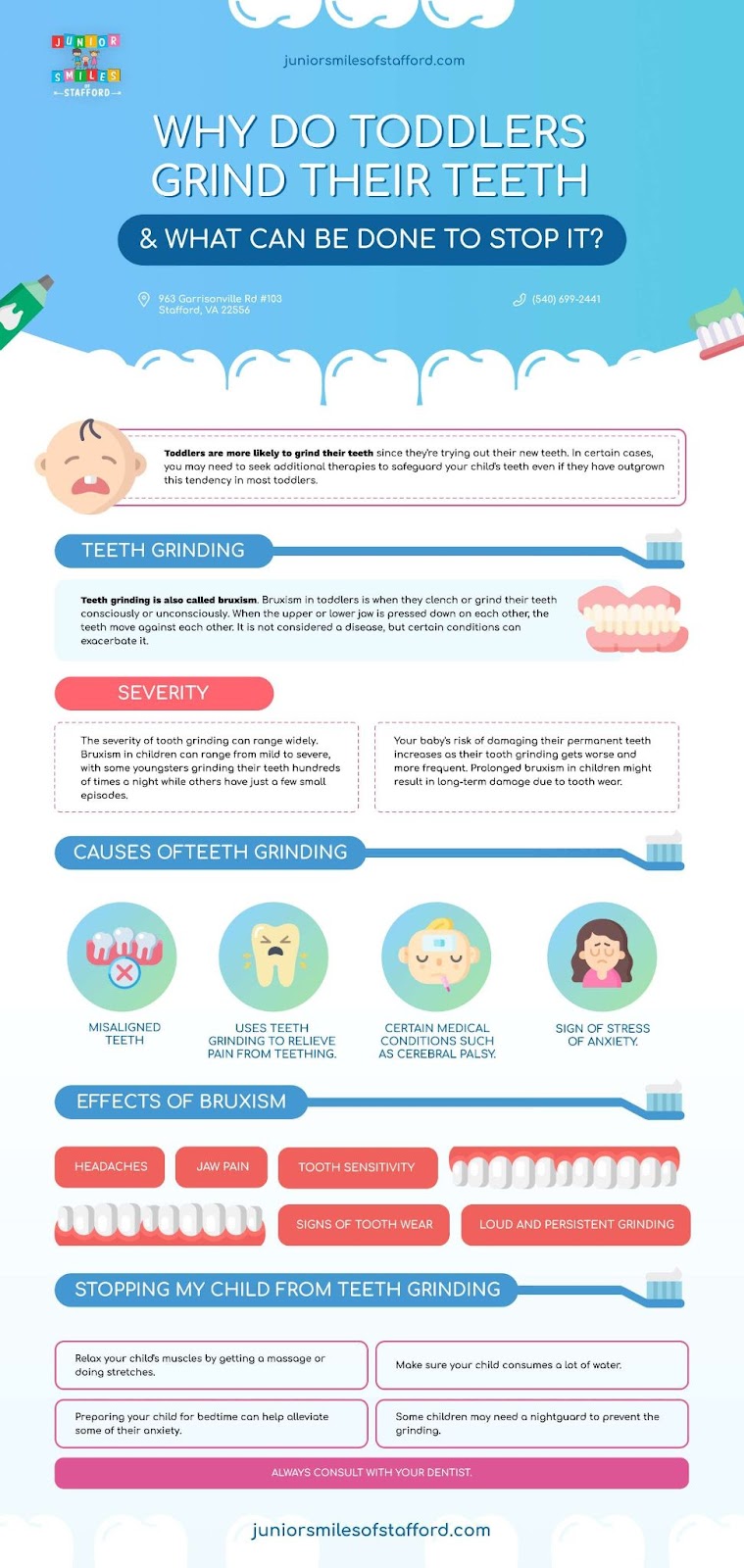
Why Toddlers Grind Their Teeth: Causes Explained
It can be scary to hear your child grind their teeth. Yet, it is quite common. About 2 to 3 out of 10 children grind their teeth. This behavior, known as toddler bruxism, has many reasons. Knowing these reasons can help you find the best solution.
Common Reasons for Grinding
Many things can cause a toddler to grind their teeth. Often, it is a mix of small issues. Let’s look at some of the main toddler bruxism causes.
Teething Pain and Discomfort
Teething is a big reason. When new teeth push through the gums, it hurts. Toddlers might grind their teeth to ease this pain. It can feel like a massage for their sore gums. They might do it to help new teeth settle. Or, they might just be exploring what their new teeth can do. This often stops once all teeth have arrived.
Earaches and Allergies
Earaches can cause pain. This pain might make a toddler grind their teeth. It can be a way to lessen the pressure or discomfort. Allergies can also cause trouble. When a child has a stuffy nose or breathing issues, they might try to adjust their jaw. This can lead to jaw clenching toddler behavior or grinding. Clearing up the allergy or ear infection often stops the grinding.
Misaligned Teeth
Sometimes, a child’s teeth do not line up perfectly. When they close their mouth, some teeth might hit others in an odd way. This can make them grind their teeth. They are trying to find a comfortable bite. A dentist can check for this. They can see if the teeth need help to fit better.
Stress and Anxiety
Even toddlers can feel stress. New routines, starting daycare, or even a big family change can cause worry. A child might grind their teeth to cope with these feelings. It is a way for them to release tension. This is where stress relief for toddlers becomes important. Helping them feel calm can make a big difference.
Sleep Issues
Many children grind their teeth while asleep. This is called night grinding in toddlers or sleep bruxism kids. It is very common. The reasons for grinding teeth during sleep toddler can vary.
* Restless Sleep: If a child is not sleeping well, they might grind. This could be due to bad dreams or being too hot or cold.
* Sleep Apnea: In some cases, a child might have trouble breathing while they sleep. This is called sleep apnea. They might stop breathing for short times. Grinding teeth can be a sign of this. Their body might be trying to open the airway. This is a serious concern that needs a doctor’s check.
* Enlarged Tonsils or Adenoids: These can block breathing during sleep. This may lead to grinding.
Nutritional Deficiencies
Some studies point to a lack of certain nutrients. For example, not enough calcium or magnesium might play a role. These minerals are important for bone and muscle health. They also help with nerve function. A balanced diet is key for overall toddler dental health concerns.
Other Medical Conditions
Less often, grinding can be linked to other health issues. These might include:
* Gastroesophageal reflux (GERD)
* Certain medications
* Pinworms
It is always good to tell your doctor about any grinding. They can rule out these less common causes.
Signs Your Toddler Might Be Grinding Their Teeth
It is not always easy to know if your toddler is grinding their teeth. They might do it only at night. Or, they might do it quietly during the day. Knowing the signs can help you act early.
What to Look For
Pay close attention to your child and their habits. Here are some key things to watch for.
Sounds at Night
This is often the first sign. You might hear scraping or squeaking sounds. These sounds come from your child’s room while they sleep. It might sound like a rough, grating noise. This noise comes from their teeth rubbing together. If you hear this often, it is a clear sign of night grinding in toddlers.
Tooth Wear
Look at your child’s teeth. Are they looking flat? Are the edges chipped? This is a sign of preventing tooth wear children need to avoid. Constant grinding can wear down the enamel. Enamel is the hard outer layer of teeth. If it wears down, teeth can become sensitive. They can also be more prone to cavities. Severe wear can make teeth look shorter. This is an important toddler dental health concern.
Here is a table showing common signs of teeth grinding:
| Sign | What It Looks Like | Why It Happens |
|---|---|---|
| Noises at Night | Grinding, scraping, or squeaking sounds from their room | Teeth rubbing together during sleep |
| Worn Teeth | Flat spots, chipped edges, shorter teeth | Enamel wearing away from constant friction |
| Jaw Pain | Child holds jaw, complains of pain, trouble opening mouth | Muscles overworked from jaw clenching toddler |
| Headaches | Child rubs temples, complains of head pain (rare for toddlers) | Tension in jaw muscles spreads to head |
| Sore Facial Muscles | Child might touch cheeks, complain of pain | Muscles get tired from working too hard |
| Sleep Troubles | Waking often, restless sleep, loud snoring | Grinding can disturb sleep, or be a sign of poor sleep |
| Sensitivity | Child avoids cold or hot foods | Worn enamel exposes sensitive tooth layers |
Facial Pain or Headaches
After a night of grinding, a child’s jaw muscles can be sore. They might wake up with a headache. Or, they might touch their face often. They may complain of a sore jaw. This is more common in older children, but can happen in toddlers. It shows that jaw clenching toddler habits are putting strain on their little muscles.
Sleep Disturbances
Grinding can disturb a child’s sleep. They might wake up more often. They might seem restless. If the grinding is due to breathing issues (like sleep apnea), their sleep quality will be poor. They might be tired during the day. They might also snore loudly. Poor sleep is a serious toddler dental health concern, as it impacts overall health.
Effective Ways to Help Your Toddler Stop Grinding
Once you know your toddler grinds their teeth, you can help. There are many simple things you can try at home. Sometimes, you might need help from a dentist or doctor. The goal is to ease the grinding and protect their teeth.
Home Remedies and Simple Changes
Many times, child teeth grinding solutions can be found right at home. These tips focus on comfort and calm.
Soothe Teething Discomfort
If teething is the cause, focus on easing their pain.
* Cold Objects: Give them a chilled teething ring or a cold, wet washcloth to chew on. The cold helps numb the gums.
* Gum Massage: Gently rub their gums with a clean finger.
* Teething Gels: Use a child-safe teething gel if approved by your doctor.
* Pain Relievers: If they are very fussy, ask your doctor about infant pain relievers. Use these sparingly.
Create a Relaxing Bedtime Routine
A calm bedtime routine can help with night grinding in toddlers. It helps them relax and reduces stress.
* Warm Bath: A warm bath before bed can soothe muscles and calm the mind.
* Quiet Play: Avoid exciting games or rough play close to bedtime. Choose quiet activities like puzzles or drawing.
* Reading a Book: Read a calming story. This helps them wind down.
* Soft Music: Play gentle lullabies or soft, calming music.
* Dim Lights: Make the bedroom dark and cool. This tells their body it is time to sleep.
* No Screens: Turn off TVs, tablets, and phones at least an hour before bed. The bright light can mess with sleep.
Check for Allergies or Ear Infections
If you suspect allergies or ear infections, see your doctor.
* Allergy Management: If allergies cause stuffiness, follow your doctor’s advice. This might include nasal sprays or allergy medicines. Keeping their nose clear can help with breathing.
* Treat Ear Infections: Ear infections cause pain. Getting them treated quickly can stop the grinding linked to pain. Your doctor might give antibiotics.
Address Stress
Toddlers feel stress too. It is vital to offer stress relief for toddlers.
* Talk About Feelings: Even if they cannot speak well, talk about their day. Listen to their babbling. Show them you care.
* Extra Cuddles: Offer more hugs and comfort. Physical touch can be very soothing.
* Consistent Routine: Children thrive on routine. A stable schedule helps them feel safe and in control.
* Playtime: Ensure they have plenty of time for free play. Play helps them work through emotions.
* Limit Overstimulation: Too much noise, too many new places, or too many new people can be tiring. Try to give them quiet time too.
Limit Screen Time
Too much screen time, especially before bed, can make grinding worse.
* Blue Light: Screens give off blue light. This light can stop the body from making melatonin, a sleep hormone.
* Over-excitement: Fast-paced shows or games can make a child too excited for sleep.
* Set Limits: Keep screen time short. Avoid screens for at least an hour before bedtime.
When to See a Dentist
While many cases of grinding go away on their own, some need a doctor’s help. It is always wise to mention grinding to your child’s dentist.
Dental Check-ups
Regular dental visits are very important. The dentist can check for signs of grinding. This includes wear on the teeth. They can also look at your child’s bite.
* Early Detection: The dentist can spot problems early. This helps prevent major damage.
* Assessing Damage: They can see how much wear has happened. They can also check for jaw pain.
* Bite Issues: If teeth do not fit well, a dentist can advise. Sometimes, small adjustments can help. For more complex issues, they might suggest seeing an orthodontist later on. This is a key part of addressing toddler dental health concerns.
Mouthguards
For most toddlers, a mouthguard is not needed. But in severe cases of grinding teeth treatment kids might need protection.
* When Used: A dentist might suggest a nightguard if:
* There is severe tooth wear.
* The child has a lot of pain.
* The grinding is very loud and disturbs sleep.
* Challenges: Getting a toddler to wear a mouthguard is hard. They are small and might not keep it in. Also, their mouths are always growing. So, a mouthguard would need to be changed often. Dentists usually wait until a child is older for a mouthguard.
Correcting Jaw Issues
Sometimes, grinding is linked to jaw or breathing problems.
* Sleep Apnea: If the dentist or doctor thinks sleep apnea is an issue, they might send you to a sleep specialist. This can involve an overnight sleep study. Treatments can range from special devices to removing tonsils or adenoids if they block breathing.
* Orthodontic Care: For older children, crooked teeth or a bad bite can be fixed with braces. This is not for toddlers. But it is good to know that jaw clenching toddler issues might be related to bite problems that can be fixed later.
Long-Term Outlook and Preventing Future Issues
For most toddlers, grinding teeth stops on its own. It often goes away when all primary teeth are in. Or, it stops once permanent teeth start to come in. But, taking steps now can protect their teeth and help them feel better.
Protecting Their Little Teeth
Even if grinding stops, it is good to protect your child’s teeth. Preventing tooth wear children need good habits from a young age.
Regular Dental Visits
Keep up with regular check-ups.
* Early Care: Start dental visits early. The American Academy of Pediatric Dentistry suggests a child’s first visit by age one.
* Monitoring: The dentist can keep an eye on tooth wear. They can also watch for any ongoing grinding.
* Preventive Care: They can apply fluoride treatments. This helps strengthen teeth against wear and cavities.
Good Oral Hygiene
Help your child brush their teeth well twice a day.
* Fluoride Toothpaste: Use a tiny smear of fluoride toothpaste for children under three. Use a pea-sized amount for children three and up.
* Proper Brushing: Make sure they brush all surfaces of their teeth. Help them until they can do it well on their own (usually around age 6 or 7).
* Flossing: Start flossing once two teeth touch. This helps keep gums healthy.
Healthy Diet
What your child eats matters a lot for their teeth.
* Limit Sugar: Reduce sugary drinks and snacks. Sugar causes cavities.
* Crunchy Foods: Offer crunchy fruits and vegetables. These can help clean teeth naturally. They also provide good nutrients.
* Calcium and Vitamin D: Make sure they get enough of these. They build strong teeth and bones. Dairy products, leafy greens, and fortified foods are good choices.
Monitoring Progress
Keep an eye on your child’s grinding habits.
* Track It: Note when it happens (day or night). Note how often. Also note if anything seems to make it worse or better. This info is helpful for your doctor.
* Listen to Them: If your child complains of pain, listen carefully.
* Be Patient: Remember that grinding often goes away on its own. Your calm approach can help your child.
Grinding teeth in toddlers can be a worry. But with careful watching and simple steps, most children grow out of it. Focus on comfort, good sleep, and dental health. And always talk to your dentist or doctor if you have concerns. They can help you find the best plan for your child.
Frequently Asked Questions (FAQ)
Here are answers to common questions about toddlers grinding their teeth.
Are nightguards common for toddlers?
No, nightguards are not common for toddlers. Their mouths are small and growing fast. It is hard to make a guard that fits well and stays in place. Also, a toddler’s mouth changes quickly. The dentist would need to make new guards often. Nightguards are usually for older children or adults with severe grinding.
Can grinding damage milk teeth?
Yes, severe grinding can damage milk teeth. It can wear down the enamel. This makes teeth shorter and sometimes sensitive. In very bad cases, it can chip teeth or even expose the inner layers of the tooth. This can lead to pain or cavities. That is why preventing tooth wear children need is important. Regular dental checks help spot this early.
Does it always need treatment?
No, it does not always need treatment. Many toddlers grind their teeth for a short time. They often stop on their own. This happens as they get all their baby teeth or as they grow. Treatment is needed if:
* The grinding causes pain.
* It severely wears down the teeth.
* It causes sleep problems.
* There are underlying medical issues like sleep apnea.
Always talk to your child’s dentist or doctor. They can decide if teeth grinding treatment kids need.
How long does toddler bruxism last?
Toddler bruxism often lasts for a few months or a year. It usually goes away around ages 3 to 6. This is often when their baby teeth are fully in place. Or, it may stop as their permanent teeth begin to come in. Some children might grind their teeth again later in childhood. But for most toddlers, it is a phase that passes.
What if my toddler grinds teeth only when awake?
If your toddler grinds teeth only when awake, it is called awake bruxism. This is different from night grinding in toddlers. It often happens when a child is:
* Concentrating: They might clench their jaw while focusing on a toy or task.
* Feeling Stress: They might grind to cope with worry or frustration.
* Teething: They might do it to ease gum pain.
Try to notice when they do it. If it happens with stress, try stress relief for toddlers. If you are worried, tell your dentist. They can check if it is causing any tooth wear or jaw pain.