
Why do toddlers throw food? Toddlers throw food for many simple reasons, like trying to tell you something, feeling full, wanting attention, or just exploring their world. It’s a common part of toddler mealtime behavior. Stopping this can make meals much calmer, and there are simple toddler throwing food solutions that really help. This guide will show you how to teach your little one not to throw food and bring more peace to the table.
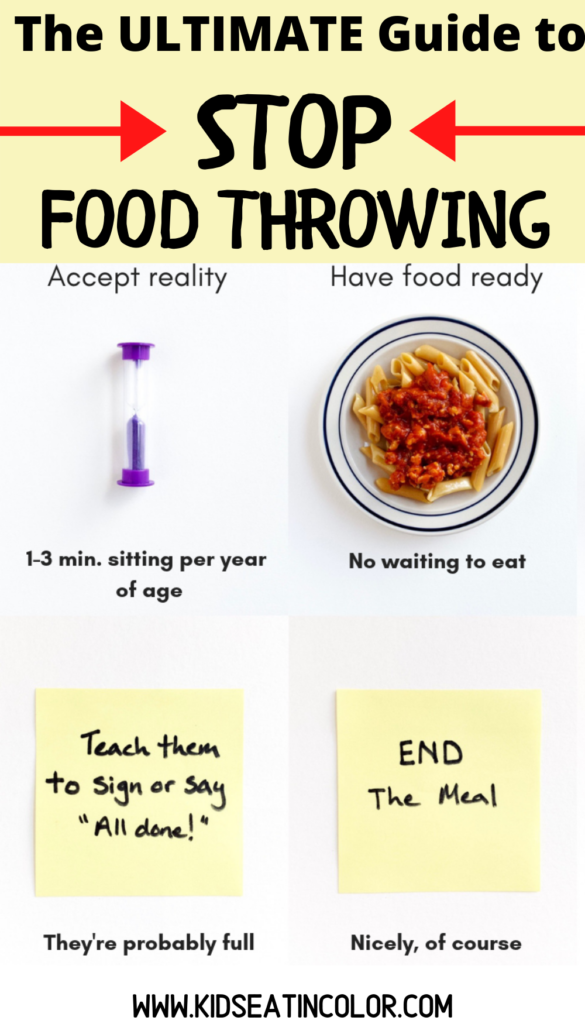
Image Source: kidseatincolor.com
Reasons for Food Tossing
It can feel frustrating when your child throws food. It makes a mess and feels disrespectful. But knowing why they do it is the first step to stopping it. Why toddlers throw food isn’t usually about being naughty. It’s often their way of talking to you or learning about things.
Communicating Needs
Toddlers don’t have many words yet. They use actions to show how they feel or what they need.
* I’m Full: Throwing food can be a sign they are done eating. They don’t know how else to say, “No more, please.”
* I Don’t Like It: They might throw food they don’t want to eat. This can be linked to picky eating and throwing. If they don’t want to try something, tossing it is a clear message.
* Something Is Wrong: They might be uncomfortable. Maybe their chair is wobbly, their drink spilled, or they have a tummy ache. Throwing can show they are unhappy.
Exploring and Learning
Little kids learn by touching, smelling, and yes, throwing things.
* Gravity Fun: What happens when I let go? Food falls! This is a science experiment for them. They are learning about how the world works.
* Textures and Messes: Food feels different than toys. Squishing and throwing food is a sensory experience. It’s a form of food play vs throwing, but it happens at the table.
* Getting Attention: Throwing food gets a reaction from you. Any reaction – happy, angry, surprised – is attention. If they want you to look at them, throwing food works fast.
Testing Limits
Toddlers are learning about rules. They test to see what happens.
* What’s the Rule? They throw food to see if you will stop them. They want to know where the boundaries are.
* Can I Do This? If throwing food got a reaction before, they might do it again to see if the same thing happens. This is part of setting boundaries toddlers understand.
Boredom or Energy
Sometimes, they just have energy they need to use.
* Mealtime Too Long: If they are done eating but still sitting there, they might get bored. Throwing is a way to make something happen.
* Wiggly Bodies: Toddlers find it hard to sit still for a long time. Throwing can be a way to move and release energy.
Knowing these reasons helps you react in a calm, helpful way instead of just getting upset about the mess.
Simple Steps to Stop the Toss
Stopping food throwing needs clear steps and patience. It’s about teaching, not just punishing. Here are some toddler throwing food solutions you can start today.
Make Mealtime Predictable
Kids feel safe when they know what to expect.
* Set a Routine: Eat at the same times each day. Kids do better with a schedule. They know when it’s time to eat and when mealtime ends.
* Eat Together: Sit down with your child for meals as often as you can. They learn by watching you. You can show them how to eat nicely.
* Have a Meal Spot: Always eat at the table or in their high chair. Don’t let them wander and eat. This helps them know that food stays at the eating spot.
Set Clear Rules
Toddlers need simple rules they can understand. Setting boundaries toddlers can follow is key.
* Say It Simply: Use very few words. “Food stays on the plate.” or “No throwing.”
* Show Them: Pick up the food they threw and put it back on the plate, or put it away. Show them what you mean.
* Be Firm and Kind: Say the rule in a calm, firm voice. Don’t yell.
* Repeat As Needed: You will need to say the rule many times. This is normal. Kids learn through repetition.
Manage the Food
How you offer food can make a difference.
* Small Portions: Give only a little food at a time. A large plate of food can feel too big and maybe lead to throwing. It also means less mess if they do throw.
* Add More Slowly: Wait for them to eat what they have before giving more. Ask, “More, please?”
* Offer Choice (Sometimes): For picky eating and throwing, offer two healthy choices. “Do you want apple or banana?” Giving them a little control can help.
* Stop When Full: Watch for signs they are done: turning their head, pushing food away, or starting to throw. When they show these signs, mealtime is over. This stops throwing because they are full.
Teach Them What To Do
Instead of just saying “No,” teach them the right action. Teaching toddlers not to throw involves showing them the right way to handle food.
* “Food Stays Here”: Gently take their hand if they reach to throw and guide it back to the plate. Say, “Food stays on the plate.”
* “Give It To Me”: Teach them to hand you food they don’t want. Practice this outside of meal times with toys.
* Show Where Food Goes: When they are done, show them where the plate goes or how to put leftovers in a different bowl.
What to Do When They Throw
This is the moment where your reaction is important. This is your form of discipline for throwing food. It should be quick and clear.
* Stay Calm: Your reaction is attention. A big reaction encourages more throwing. Keep your voice even.
* The “All Done” Rule: The simplest rule is: If you throw food, mealtime is over.
* How to Do It:
1. When they throw food, say clearly and calmly, “You threw your food. That means you are all done.”
2. Quickly take the plate away.
3. Wipe their face and hands.
4. Take them out of the high chair or away from the table.
5. Mealtime is over for them until the next planned meal or snack time.
* Be Consistent: This works best if you do it every time they throw food. Even just one piece.
* Don’t Offer Other Food: Don’t give them snacks or other food right away. They need to learn that throwing means no more food until the next meal.
Use Positive Reinforcement
Catch them being good! Positive reinforcement mealtime means giving praise and attention when they are doing the right thing.
* Praise Good Behavior: “You are sitting so nicely!” “You are eating your food!” “Good job keeping the food on your plate!”
* Give Attention for Eating: Talk to them, smile, and make mealtime a happy time when they are eating well.
* Ignore Small Things: If they make a tiny mess or drop something by accident, don’t make a big deal. Focus on the good behavior.
Going Deeper: Other Helpful Tips
Beyond the basic steps, some other things can help manage toddler mealtime behavior and reduce throwing.
Manage Mealtime Messes
Let’s be real, there will be messes with a toddler, throwing or not! Managing mealtime messes helps reduce your stress.
* Easy-Clean Zone: Use a mat under the high chair. Have wipes or a sponge ready.
* Appropriate Gear: Use suction plates that stick to the table (harder to throw everything at once!). Use cups with lids.
* Involve Them (Later): As they get a bit older, you can teach them to help wipe up small spills. This teaches responsibility.
| Problem | Simple Reason Kid Might Throw | Simple Solution |
|---|---|---|
| Throwing food | I’m full / I don’t want this | “All done” rule, take plate away |
| Pushing plate away | I’m full / I don’t want this | “All done” rule, take plate away |
| Playing with food | Exploring textures / Bored | Guide hands back, short mealtime, small bites |
| Screaming | Want attention | Give attention for quiet eating, ignore yells |
Separate Food Play from Throwing
Is your child exploring food texture by squishing a pea, or are they launching their whole meal? There’s a difference between food play vs throwing.
* Sensory Play is Okay (Sometimes): Let them touch and explore their food on the plate. This is part of learning. A little bit of mess is fine.
* Throwing is Not: Throwing food off the plate or high chair needs to be stopped quickly with the “all done” rule.
* Offer Sensory Play Elsewhere: If they love messy play, offer sensory bins with non-food items (like rice, beans, water) at other times of the day. This meets their need to explore textures outside of mealtime.
Consider Picky Eating
Picky eating and throwing often go together. If a child is given only foods they don’t like, they might throw them.
* Offer Safe Foods: Always include at least one food you know your child usually eats. This gives them something they can eat.
* Introduce New Foods Slowly: Put a tiny bit of new food on the plate. Don’t force them to eat it. It’s okay if they just touch it or lick it. The goal is exposure.
* Don’t Make Separate Meals: Avoid making a completely different meal just because they are picky. This teaches them that you will always make exactly what they want. They can choose to eat what is offered or not eat.
* Talk About Food: Talk about the color, shape, and texture of food in a fun way, not just about eating it.
Be Patient and Consistent
Stopping food throwing won’t happen after one meal. It takes time and many tries.
* Stay Calm: It can be hard, but try not to get angry. Remember they are learning.
* Everyone Follows the Rules: If other caregivers (grandparents, sitters) are involved, make sure they use the same “all done” rule for throwing. Consistency is key for setting boundaries toddlers understand.
* Don’t Give Up: There will be good days and bad days. Keep using the simple rules and positive reinforcement.
Teaching Them Not To Throw
Let’s break down teaching toddlers not to throw into actionable steps you can practice.
Practice Outside Mealtime
Teach the concept of “things stay here” when not eating.
* Toy Play: When playing with blocks or cars, talk about keeping them on the rug or in the play area. “The blocks stay here,” while pointing.
* Putting Things Away: Teach them to put toys in a box. This helps them understand putting things in a specific spot.
* Role-Playing: Pretend to eat with toys. Show a teddy bear “keeping the food on the plate.”
Use Simple Language and Actions
Remember the low readability goal? Keep your words very, very simple when teaching.
* “Food. Plate.” (Point to food, point to plate).
* “No throw.” (Shake head gently).
* “Sit nicely.” (Pat the chair).
* “All done.” (Make a simple hand gesture for finished).
The Power of Observation
Sometimes, just watching closely helps. If you see them about to throw, you can step in before it happens.
* Anticipate: Are they looking bored? Are they pushing food around a lot? Are they trying to get your eye? These might be signs they are about to throw.
* Step In: If you see them winding up, gently hold their arm or hand and calmly say, “Remember, food stays on the plate.” Then redirect their hand to touch the food on the plate or offer them a wipe if they seem finished. This is proactive discipline for throwing food (stopping it before it happens).
The Connection Between Behavior and Food
Understanding toddler mealtime behavior involves looking at the whole picture, not just the throwing.
* Are They Hungry? Sometimes kids throw food because they are too hungry and frustrated, or not hungry at all. Make sure snacks are spaced far enough from meals.
* Is the Food Easy to Eat? Is the food cut into small, manageable pieces? Is it too hot or too cold? Make sure the food itself isn’t the source of frustration.
* Are They Overtired? Tired kids have less control and are more likely to act out, including throwing food. Make sure meal times don’t clash with nap times.
Discipline That Works for Toddlers
Remember, discipline for throwing food at this age is about teaching and guiding, not punishing.
* Consequence, Not Punishment: Taking the plate away is a consequence (“If you throw food, you lose the food”), not a punishment (like yelling or time-out, which are less effective for this specific behavior).
* Be Quick: The consequence needs to happen right after the behavior so they connect the two.
* No Negotiation: Once the plate is gone and they are out of the chair, don’t give in if they cry for food. This teaches them the rule is firm.
* Focus on the Action: Talk about the throwing (“You threw food”), not about them being “bad” or “naughty.”
Creating a Positive Mealtime Vibe
A happy atmosphere helps positive reinforcement mealtime work and reduces stress for everyone.
* Talk and Connect: Talk about your day, sing songs, or tell simple stories at the table (when they aren’t actively throwing!).
* No Pressure: Don’t force them to eat. Offer the food, encourage them, but let them decide how much they eat from what is offered. This reduces power struggles that can lead to throwing.
* Celebrate Small Wins: Did they try a new food? Did they keep all their food on the plate for part of the meal? Praise them!
* End on a Good Note: Even if there was some throwing, end mealtime calmly. “Mealtime is all done. Let’s go play.”
Breaking Down the Process
Let’s structure the steps to take when food throwing happens.
Step 1: Observe
* Is it one piece or the whole plate?
* Does it seem like they are full?
* Are they looking at you when they do it? (Seeking attention?)
* Are they exploring the food texture? (food play vs throwing?)
Step 2: The First Throw (or clear sign they are done)
* Calmly look at them.
* Say your simple rule: “Food stays on the plate.” (or “No throwing food.”)
* Gently put the food back on the plate (if easy) or just make the statement.
Step 3: The Second Throw (or continued throwing)
* This is the sign mealtime is likely over for them.
* Calmly state the consequence: “You threw your food again. That means you are all done eating.”
* Quickly take the plate away.
* Get them out of the high chair/away from the table.
* Clean up the mess without making a fuss (managing mealtime messes).
* Move on to the next activity.
Step 4: Between Meals
* Practice good behavior (sitting nicely, using gentle hands) at other times.
* Use positive reinforcement mealtime techniques at future meals when they do well.
* Ensure snacks and meals are spaced appropriately.
This consistent approach reinforces the boundary: setting boundaries toddlers need to understand means they know throwing food leads to a clear, calm outcome – mealtime ends.
Addressing Picky Eating and Throwing Together
When picky eating and throwing are linked, the throwing is often a protest.
* Offer “Accepted” Foods: Always start with a few bites of a food they like on the plate. This builds trust.
* Tiny Bites of New Food: If introducing something new, put a piece the size of a pea on the plate. Don’t expect them to eat it. Just having it there helps. Throwing a tiny piece is less impactful than throwing a whole portion.
* The “No Thank You” Bowl: Some parents use a small “no thank you” bowl. Teach the child to put unwanted food in this bowl instead of throwing it. This takes practice, but it teaches them an alternative action. This is part of teaching toddlers not to throw by offering another option.
Keeping Your Sanity While Managing Messes
Let’s talk practical managing mealtime messes.
* Floor Protection: Vinyl mats, old shower curtains, or even just newspapers under the high chair.
* Bibs with Catchers: These help catch a lot of dropped or thrown food.
* Quick Clean-Up: Have a designated sponge or rag just for meal messes. Wipe down the tray and floor right after the meal.
* Let It Dry (Sometimes): For sticky messes, sometimes letting them dry makes them easier to scrape up.
While cleaning up is necessary, try not to give too much attention to the mess itself in front of your child, as the attention might reinforce the throwing behavior. Focus your energy on the behavior strategy.
Is It Just a Phase?
Yes, food throwing is very common in toddlers. It’s a normal part of their development as they learn about the world and test limits. For most kids, consistent toddler throwing food solutions and patient setting boundaries toddlers understand will help them outgrow this phase.
However, if the throwing is extreme, happens with every single bite, or is combined with other challenging behaviors (like refusal to eat anything, extreme mealtime power struggles, gagging, or poor weight gain), it might be worth talking to your pediatrician. They can check if there are any feeding difficulties or sensory issues.
Putting It All Together
Stopping toddler throwing food is a common challenge, but one you can manage with patience and clear strategies. Remember the key ideas:
1. Identify the Reason: Are they full, exploring, or seeking attention? Why toddlers throw food matters.
2. Be Clear: Use simple words and consistent rules about setting boundaries toddlers can follow.
3. Act Quickly: Use the “all done” consequence right away when food is thrown.
4. Teach the Right Way: Show them where food goes and praise good toddler mealtime behavior. This is teaching toddlers not to throw.
5. Manage the Mess: Have tools ready for managing mealtime messes to reduce your stress.
6. Stay Calm: Your reaction is important. A calm response is more effective than an angry one.
7. Use Praise: Positive reinforcement mealtime helps encourage good habits.
8. Be Consistent: This is the most important part of all toddler throwing food solutions. Do the same thing every time.
By using these simple steps, you can help your toddler learn better mealtime habits and enjoy calmer, less messy family meals. It takes time, but you can gain mealtime sanity.
Frequently Asked Questions (FAQ)
h4: My toddler laughs when they throw food. What does that mean?
When toddlers laugh after throwing food, it often means they found the reaction (the falling food, your surprised face) funny or they are enjoying the attention they get. It’s their way of seeing what happens and if they can get you to react. Use the “all done” rule calmly, without showing frustration or amusement. Taking the plate away removes the “fun.”
h4: Should I make my child clean up the mess?
For very young toddlers (under 2.5-3 years old), they don’t have the coordination or understanding to truly clean up. Your focus should be on stopping the throwing behavior itself. For older toddlers, you can start teaching them to help wipe up small spills after the mealtime consequence is over, as a way to teach responsibility, but not as a direct punishment for throwing. Managing mealtime messes is mostly your job for a while.
h4: What if they throw food but then say they are still hungry?
This is where consistency is important for setting boundaries toddlers need. If the rule is “you throw food, you are all done,” then mealtime is over. Giving in teaches them that throwing food doesn’t really mean the end of the meal. They will learn quickly that keeping food on the plate means they get to keep eating. Offer food again at the next scheduled meal or snack time.
h4: How long does this food throwing phase last?
There’s no set timeline, but with consistent use of toddler throwing food solutions, many children reduce or stop throwing food by age 2 or 2.5. Some may revisit the behavior briefly when testing new boundaries. Patience and consistency are key to moving past it.
h4: Does offering fewer choices help with picky eating and throwing?
Sometimes, too many choices can be overwhelming. Offering one or two accepted foods plus a tiny bit of a new food is usually a good approach. If picky eating and throwing are a big issue, focusing on exposure to new foods without pressure, alongside managing the throwing behavior itself, is more effective than just limiting choices drastically.
h4: Could throwing food be a sensory issue?
Yes, sometimes extreme food play vs throwing or an intense reaction to textures that results in throwing could be related to sensory processing. If the throwing is severe, happens with most foods, and is linked with other sensory sensitivities or feeding difficulties, it’s a good idea to discuss it with your pediatrician or a feeding therapist.
h4: Should I use time-out for throwing food?
For toddlers, time-out is generally more effective for behaviors like hitting or biting. For food throwing, the natural and immediate consequence of losing the food and ending mealtime is usually more directly linked to the behavior and thus more effective for discipline for throwing food at this age. Keep the consequence simple and directly related to the action.