
When can toddlers start learning to swim? Many experts agree that children can begin learning basic water safety skills as early as 6 months old. Is it safe to teach toddlers to swim so young? Yes, with proper guidance and supervision, early water exposure is very safe and can even save lives. Why teach them to swim early? Teaching children to swim at a young age greatly improves their chances of survival in water emergencies, making infant water safety a top priority. This guide will walk you through how to teach your child to swim, step by step, focusing on safety and fun.
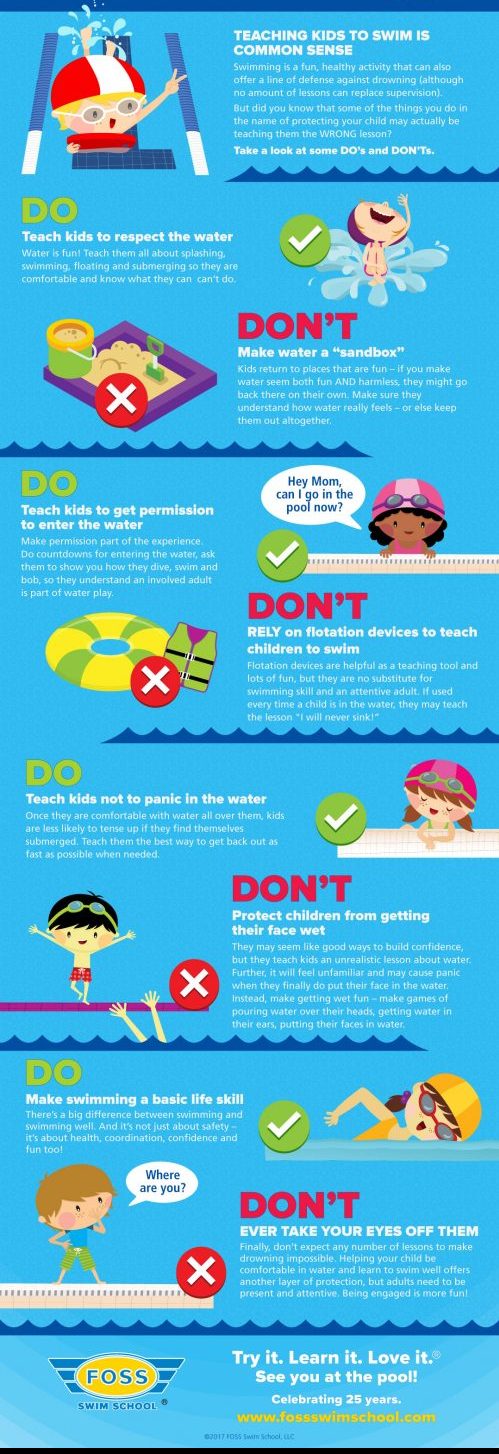
Image Source: www.fossswimschool.com
Why Early Water Skills Matter So Much
Teaching a child to swim is more than just a fun activity. It is a vital life skill. It helps protect them from drowning, which is a leading cause of death for young children. Giving children water skills early can make a big difference. It helps with drowning prevention for toddlers.
The Big Benefit: Lifesaving Skills
Learning to swim gives children tools to stay safe in water. It teaches them to turn over, float, and move to the side. These basic skills can give them time to get help if they fall into water. This is why many groups suggest early toddler swim lessons. They help children learn what to do in an emergency.
More Than Just Safety: Other Great Perks
Beyond safety, early swimming has many other benefits for young children:
- Better Bodies: Swimming uses all the body’s muscles. It makes them strong and healthy. It helps with balance and how well they move.
- Sharper Minds: Learning new things, like swimming, helps a child’s brain grow. It can make them more alert and help them follow directions better.
- Stronger Feelings: Water can be very calming. It helps children feel good about themselves as they learn new skills. It can make them more confident.
- Good Sleep: All the moving and playing in water can make children tired. This helps them sleep better at night.
- Less Fear: Getting used to water early can stop children from being scared of it later. It makes them comfortable and happy in the water.
Getting Ready: Is Your Toddler Set to Learn?
Knowing the right time to start teaching your child is key. Most children are ready for some water play by 6 months old. But “ready” means different things at different ages.
Spotting Readiness Signs
Even very young children can show they are ready for water. Look for these signs:
- Head Control: Can your baby hold their head up well? This is important for being safe in water.
- Happy in Water: Does your child seem to like bath time? Do they splash and smile?
- Following Simple Rules: Can your child understand and follow easy commands?
- Comfort with You: Do they feel safe and secure when you hold them?
Every child is different. Some may be ready sooner than others. The main goal is to make it a good and safe time for them. This is part of toddler water acclimation. It is about helping them feel good in the water slowly.
When to Start: The Best Ages for Learning
There are no strict rules for the ages to start swimming. But many groups suggest these times:
| Age Group | Best First Steps | Key Focus |
|---|---|---|
| 0-12 Months | Gentle water exposure in baths and pools. | Getting used to water, fun, infant water safety. |
| 1-3 Years | Basic water skills, floating, blowing bubbles. | Toddler water acclimation, gentle submersion. |
| 3-5 Years | Kicking, pulling, more complex movements. | Preschool swimming techniques, independence. |
| 5+ Years | Stroke work, breathing, longer swims. | Full swimming skills, endurance. |
Starting early means they grow up seeing water as a normal and fun part of life.
The First Steps: Making Water Fun and Safe
Before formal toddler swim lessons, it is vital to make your child feel good about water. This is where getting toddlers comfortable with water comes in.
Bathtime: The Best First Pool
Your bathtub is a great place to start! It is warm, safe, and familiar.
- Play with Toys: Let them play with floating toys. Make splashing fun.
- Pour Water: Gently pour water over their head and face. Say “Ready, set, go!” first. This helps them get ready.
- Blow Bubbles: Encourage them to blow bubbles in the water. This teaches breath control.
- Sing Songs: Make it a happy time with songs about water.
Splash Pads and Shallow Pools: A Gentle Start
Once they are good in the bath, try splash pads or very shallow pools.
- Let Them Lead: Let your child explore at their own pace. Do not force them.
- Join the Fun: Get in the water with them. Your comfort helps them feel safe.
- Short Visits: Keep visits short and fun. Stop before they get cold or tired.
Parent-Child Swim Classes: Learning Together
Many places offer parent-child swim classes. These are perfect for starting out.
- Guided Fun: An instructor leads you through games and songs in the water.
- Safety Skills: You learn how to hold your child safely and teach basic skills.
- Social Time: Children get to see other kids and parents. This can make them feel more at ease.
- Expert Help: Instructors can show you the best ways to teach your child. They help with toddler water acclimation in a group setting.
In these classes, the focus is on fun and comfort, not on perfect swimming strokes.
Crucial Skills to Teach First
Once your child is comfortable, you can start teaching basic survival skills. These are key for drowning prevention for toddlers.
Gentle Water Faces: Getting Used to Wetness
- Pouring: Use a small cup to pour water over their head. Say “water on your face!”
- Blowing Bubbles: Have them blow bubbles in the water. This helps with breath holding. Start with their mouth, then their nose.
- Quick Dips: Hold them close and gently dip their chin or mouth in the water for a second. Count “1, 2, 3!” and then pull them up. Praise them right away.
Teaching Baby to Float: The Back Float
The back float is a very important skill. It lets a child rest and breathe if they fall into water.
- Support: Hold your child gently on their back in the water. Support their head and neck.
- Relax: Encourage them to relax. Sing a calm song. Talk softly.
- Float Toys: Place a small toy on their tummy for them to look at. This helps them keep their head back.
- Gradual Release: As they get comfortable, slowly lessen your support. Be ready to catch them quickly. Always stay very close.
- Key Phrase: Use a special phrase like “Float on your back!” every time.
Getting to the Edge: Reach and Pull
Once they can float, teach them to get to a safe spot.
- Show Them: Show them how to reach for the wall. Have them grab the edge.
- Practice: Help them practice holding onto the wall. Show them how to pull themselves along.
- Climb Out: Teach them to turn around, reach for the wall, and climb out of the pool. Use the “elbow, elbow, tummy, knee” method.
Kicking and Arm Swings: Basic Movements
These are the building blocks of swimming.
- Kicking: Hold your child at the edge. Encourage them to kick their legs. Make it a game, like “kick the water!”
- Arm Swings: Show them how to move their arms in the water. Make it fun, like “airplane arms.”
- Bubbles with Kicks: Combine blowing bubbles with kicking. This helps them move and breathe.
Structured Learning: Toddler Swim Lessons
While home practice is good, toddler swim lessons with certified instructors offer many benefits. They provide a safe and structured setting for learning.
What to Look for in a Program
Choosing the right toddler learn-to-swim program is important. Look for these things:
- Certified Teachers: Make sure instructors have special training in teaching young children. They should know first aid and CPR.
- Small Groups: Smaller classes mean more time for each child.
- Warm Water: A warm pool makes children more comfortable.
- Safety Rules: The facility should have clear safety rules and lifeguards.
- Fun Approach: The lessons should be playful and positive. Learning through games is best for toddlers.
- Parent Involvement: For younger toddlers, parent-child swim classes are often best. You are in the water with your child.
Comparing Lessons: What to Expect
| Program Type | Ages Covered | Parent Involvement | Focus Areas | Benefits |
|---|---|---|---|---|
| Infant Water Acclimation | 6-12 Months | High (Parent in Water) | Comfort, Submersion, Back Float Introduction | Early infant water safety, bonding, fun. |
| Toddler Learn-to-Swim | 1-3 Years | High/Medium (Parent in Water or Nearby) | Floating, Kicking, Entering/Exiting, Bubbles | Drowning prevention for toddlers, confidence. |
| Preschool Swimming | 3-5 Years | Low (Parent on Deck) | Gliding, Basic Strokes, Breath Control, Safety | Building independence, preschool swimming techniques. |
| Stroke Development | 5+ Years | Low | Advanced Strokes, Endurance | Full swimming proficiency. |
A good program focuses on the child’s readiness and makes learning enjoyable. They understand that toddlers learn best through play and repetition.
Age-Specific Approaches: Tailoring Your Teaching
How you teach changes as your child grows. What works for a baby might not work for a preschooler.
Infants (0-12 Months): Gentle First Steps
For infants, the main goal is infant water safety and getting them used to water.
- Skin-to-Skin: Hold your baby close. This makes them feel safe.
- Sing and Talk: Keep a calm and happy voice.
- Short Sessions: Keep time in the water brief, maybe 10-15 minutes.
- Warm Water: Make sure the water is warm enough.
- Submersion (Brief): If comfortable, gentle, brief submersions can be part of controlled lessons. Always follow an instructor’s lead for this. It is never forced.
Toddlers (1-3 Years): Play and Exploration
This age is perfect for toddler water acclimation and learning basic survival skills.
- Games, Games, Games: Use toys and games to teach. “Ring Around the Rosie” can be done in a circle in the water.
- Follow the Leader: You can do kicks, and they copy you.
- Repetition: Toddlers learn by doing things over and over.
- Choices: Give them small choices, like “Do you want to kick or blow bubbles first?”
- Positive Words: Always praise their efforts. “Good job kicking!”
Preschoolers (3-5 Years): Building Independence
At this age, children can start learning more formal preschool swimming techniques.
- Skill Building: Work on making kicks stronger and arm movements more like strokes.
- Breath Control: Practice blowing bubbles for longer times. Try holding their breath for a few seconds.
- Gliding: Teach them to push off the wall and glide in the water.
- Safety Rules: Start teaching them simple pool rules, like “no running.”
- Structured Play: Lessons can still be playful but might have more specific goals.
The Parent’s Key Role: Always Involved
As a parent, your role is huge. You are the main person your child trusts. Your calm and fun approach makes a big difference.
Always Watching: No Exceptions
This is the most important rule. Never leave a child alone near water, not even for a second.
- Eyes On: Always have your eyes on your child when they are in or near water. Put away your phone. Do not get distracted.
- Touch Supervision: For very young children, be within an arm’s reach at all times. This is called “touch supervision.”
- Designated Watcher: If there are many adults, name one person to be the “water watcher” at all times. Take turns.
Keeping it Positive and Fun
Children learn best when they are happy and feel safe.
- Smile and Laugh: Show them you are having fun.
- Encourage, Do Not Force: Never force a child to do something in the water they do not want to do. This can make them scared.
- Celebrate Small Wins: Cheer for every little step forward. “You blew so many bubbles!”
- Short and Sweet: End water time before they get tired or fussy. Always leave them wanting more.
Safety Checks at Home and Away
Water safety is not just about learning to swim. It is also about the places where water is.
- Pool Fences: If you have a pool, make sure it has a fence all around it. The fence should be at least 4 feet high and have a gate that closes and locks itself.
- Door Alarms: Put alarms on doors that lead to the pool area.
- Remove Toys: Take all toys out of the pool after use. Toys can make children want to go into the water.
- Learn CPR: All parents and caregivers should learn CPR. This skill can save a life.
- Wading Pools: Empty wading pools right after use.
- Toilet Lids: Keep toilet lids down.
- Buckets: Empty buckets of water right away.
Overcoming Roadblocks: Common Challenges
Sometimes, teaching a child to swim has bumps. It is normal to face challenges.
Fear of Water: How to Gently Move Forward
If your child is scared of water, be patient.
- Start Small: Begin in the bath. Just let them sit in the water and play.
- No Pressure: Do not push them. Let them take their time.
- Your Calmness: Your calm attitude helps them feel safe.
- Go Slow: Slowly introduce new things. Maybe just a wet washcloth on their arm first.
- Positive Talk: Always use encouraging words. “It’s okay. You’re safe with me.”
- Join a Class: Sometimes, seeing other children happy in water can help. Parent-child swim classes are great for this.
Separation Worries in Class
Some toddlers get upset when separated from a parent for lessons.
- Stay Close: If possible, choose toddler swim lessons where parents are in the water or very close by.
- Talk About It: Before class, talk about what will happen. “You will go in the water with the teacher, and I will be right here watching.”
- Short Goodbyes: Make goodbyes quick and firm. Do not linger.
- Positive Reinforcement: Praise them for being brave.
- Teacher Support: Good instructors know how to help children with separation anxiety.
Reaching a Plateau: When Progress Slows
Sometimes, children seem to stop making progress. This is normal.
- Take a Break: A short break from lessons can help.
- Change It Up: Try new games or a different pool.
- Review Basics: Go back to skills they already know well. Build confidence.
- Talk to Instructor: Ask the swim teacher for ideas. They see this often.
- Patience: Remember that learning is not always a straight line. Keep it fun.
Beyond the Basics: Long-Term Safety
Learning to swim is a key step, but water safety is ongoing.
Constant Vigilance
Even after your child learns to swim well, always watch them near water. Swimming skills do not mean a child is “drown-proof.” Accidents can still happen.
Refresh Skills
Regular practice is key.
- Regular Visits: Go to the pool often to keep skills sharp.
- Refresher Lessons: Sometimes, taking a few refresher toddler swim lessons each year can help, especially after a long break.
- Age-Appropriate Skills: As they grow, teach them more complex preschool swimming techniques and water safety rules.
Educate Others
Make sure anyone watching your child knows about water safety.
- Share Rules: Tell babysitters or family members your water safety rules.
- Point Out Hazards: Show them potential dangers around water.
FAQ: Common Questions About Teaching Toddlers to Swim
Is it true that young babies naturally know how to swim?
No. While babies have reflexes that make them hold their breath and move their arms and legs in water, these are not true swimming skills. These reflexes fade. They need to learn to swim. Infant water safety means teaching real skills, not just relying on reflexes.
How often should my toddler have swim lessons?
For younger children, 1-2 times a week is often good. This gives them enough practice without becoming too tired. Consistency is more important than long, infrequent sessions. Toddler learn-to-swim programs often offer various schedules.
What if my toddler cries or is scared in the water?
Do not force them. Start slowly in a familiar place like a bathtub. Keep it fun and gentle. Let them lead the way. Your positive attitude is key. If they are in parent-child swim classes, talk to the instructor for tips. Patience and positive reinforcement help a lot with getting toddlers comfortable with water.
Can my toddler really learn to swim before they are 3 years old?
Yes, toddlers can learn basic water survival skills like floating on their back, getting to the edge, and how to turn over. They may not learn perfect strokes, but they can gain skills for drowning prevention for toddlers. Many toddler swim lessons focus on these core safety skills.
What should my toddler wear for swim lessons?
A snug-fitting swim diaper is a must for non-potty trained children. A swimsuit is also helpful. Some children may benefit from a rash guard for sun protection or warmth. Avoid floaties or armbands, as these can give a false sense of security and actually hinder learning how to float on their own.
Is it safe to dunk my baby underwater?
Brief, controlled submersions are part of some structured infant water safety programs. However, this should only be done under the direct guidance of a certified instructor who knows the right techniques and safety rules. Never force a child underwater.
How long does it take for a toddler to learn to swim?
There is no set time. It depends on the child, how often they practice, and the quality of instruction. Some children learn basic survival skills in a few months, while others take longer. The goal is steady progress, not speed. Building toddler water acclimation takes time and patience.
Does teaching early swimming make a child fearless of water?
It can help them be comfortable and confident, but it should not make them fearless. It is important that children still have a healthy respect for water and its dangers. Drowning prevention for toddlers always involves layers of safety, not just swimming skills.
Final Thoughts
Teaching your toddler to swim is a valuable gift. It builds safety, confidence, and a love for water that can last a lifetime. By starting early, focusing on fun and safety, and using structured toddler learn-to-swim programs or parent-child swim classes, you can help your child become safer and more comfortable in and around water. Remember, your presence and guidance are the most important tools in this journey. Stay involved, stay vigilant, and enjoy watching your little one make a splash!