
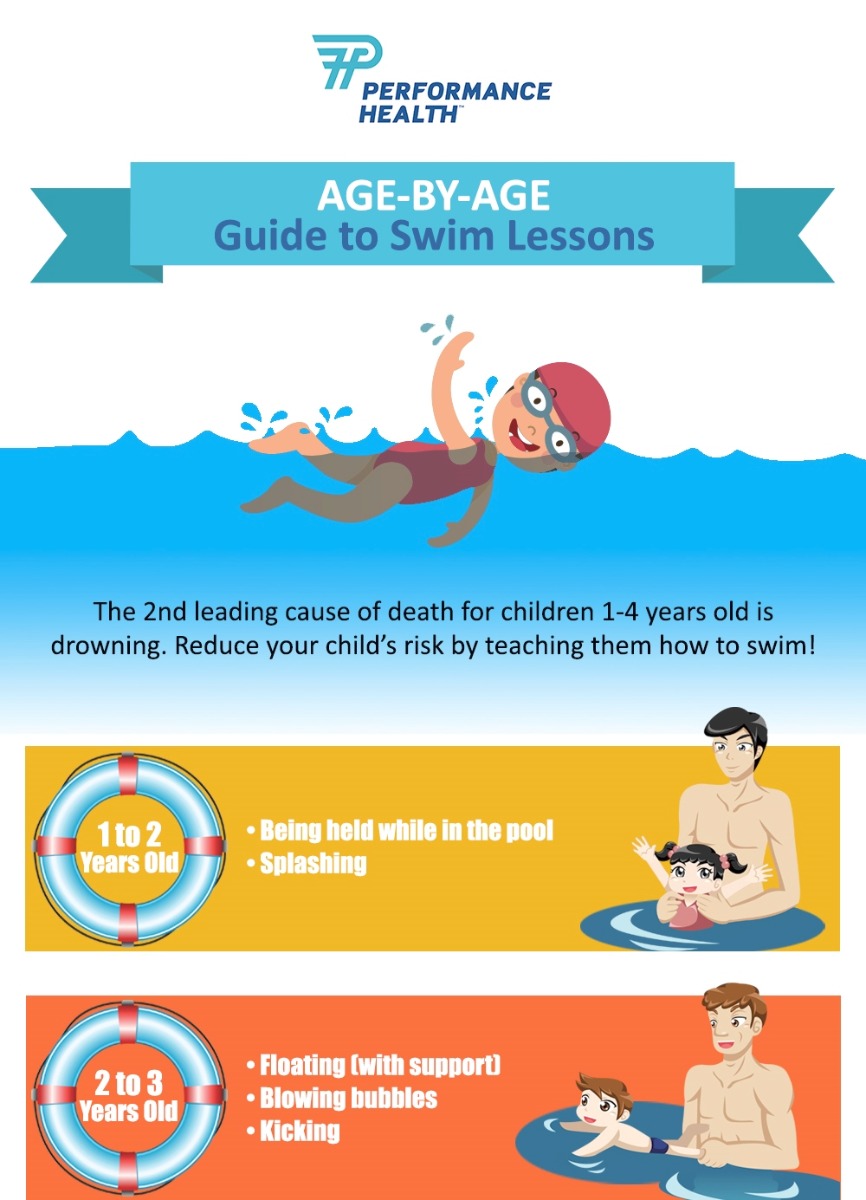
Image Source: www.performancehealth.com
How To Teach Toddler To Swim Step-by-step Fun Ways
Learning to swim is a very important life skill for young children. So, how can you teach your toddler to swim? You can teach your toddler simple water skills and help them get comfortable in the water through fun, step-by-step activities and games. When can you start teaching your toddler? Many experts agree that introducing toddlers to water activities can begin around age one, often through parent-child swim lessons. Getting your little one happy and safe in the water early offers many great benefits, like building confidence and boosting physical skills. This guide will walk you through fun ways to get your toddler splashing safely and happily.
Safety First: Essential Water Tips
Before your toddler even gets near a pool or open water, it’s super important to think about safety. Toddler water safety tips are the most important part of any swimming journey. Water can be dangerous if we are not careful.
Always Watch Closely
This is the number one rule. Never, ever leave a toddler alone near water, not even for a second. This includes pools, bathtubs, wading pools, and even buckets of water. You need to be within arm’s reach at all times. Give them all your attention. Put your phone away. Talk to your toddler. Play with them in the water. Be right there.
Fence the Pool Area
If you have a pool at home, make sure it has a fence all around it. The fence should be at least four feet high. It should have a gate that locks by itself. This helps stop young children from getting to the pool by accident.
Learn CPR
Knowing what to do in an emergency can save a life. Learn CPR for children. This skill is vital for anyone who spends time near water with kids. Check with your local hospital or Red Cross for classes.
Choose the Right Location
When you first start, choose a safe place. A shallow pool area is best. Look for pools with a gentle slope. This lets your toddler slowly get used to the water depth. Make sure the water is clean and warm enough for a little one. Cold water can make them scared and uncomfortable quickly.
When Your Little One Can Start
People often ask about toddler swimming age readiness. There is no single “right” age. Many babies enjoy water from just a few months old. Parent-child swim lessons often start around 6 months to a year. Toddlers (ages 1 to 3) can definitely start learning basic skills and getting used to the water.
Look for Signs of Readiness
Instead of just looking at age, watch your toddler. Are they curious about water? Do they enjoy bath time splashing? Do they seem happy and relaxed in new places? A toddler who is not overly fearful and seems interested might be ready to explore the pool. If they are going through a very clingy phase or are scared of new things, it might be better to wait a little while.
Age is Just a Guide
While babies can enjoy the water, toddlers are better able to follow simple directions. They can start to learn basic toddler swim skills like kicking or blowing bubbles. The goal at this age is not to make them expert swimmers. The goal is to help them feel safe and happy in the water. It’s about having fun and building comfort. It’s about teaching important toddler water safety tips in a hands-on way.
Getting Happy in the Water
The first step in teaching your toddler to swim is getting toddler comfortable with water. This should be a slow and easy process. Start small and make it fun. Do not rush this part. If they feel scared or pushed too fast, it can make things harder later.
Start with Bath Time Fun
Bath time is a perfect place to begin. It’s a small, safe space they already know.
* Use warm water.
* Let them play with water toys. Cups for pouring, floating toys, and squirters are great.
* Let them splash and make noise.
* Gently pour water over their shoulders, back, and legs. Avoid pouring it directly over their face at first.
* Sing songs about water.
* Make it a happy, playful time.
Play Near the Water’s Edge
Once you are at the pool or beach, start by sitting or playing near the edge.
* Sit with their feet just dipping in.
* Use a small bucket to fill with water and pour back out.
* Let them splash their hands and feet.
* Do not force them to go deeper if they don’t want to.
Let Them Splash and Explore
When they seem okay near the edge, take them into very shallow water. This could be the first step of a pool or a shallow wading pool.
* Hold them close.
* Walk around in the shallow water together.
* Let them feel the water on their legs and tummy.
* Let them splash with their hands.
* Use happy voices and lots of praise. “Wow, look at you splashing!”
* If they start to look worried, go back to the edge or get out. End on a positive note if possible.
Learning Simple Water Moves
Once your toddler is happy being in the shallow water with you, you can start introducing basic toddler swim skills. Remember, keep it fun and playful. These are not strict lessons. They are games that help them get used to moving in the water. This is where fun water games for toddlers come in handy.
Play Fun Water Games
Games make learning feel like play. This is key for toddlers.
* Red Light, Green Light: Move through the shallow water. Stop when you say “Red Light.” Go when you say “Green Light.”
* Ring Around the Rosie: Sing the song while walking in a circle in shallow water. “We all fall down!” can be a gentle dip or splash.
* Fetch the Toy: Throw a floating toy a short distance and help your toddler “swim” (walk or paddle) to get it.
* Row, Row, Row Your Boat: Sit facing your toddler in the shallow water, holding hands, and gently rock back and forth like rowing.
* Follow the Leader: You do simple actions in the water (splashing, kicking legs), and they copy you.
Teach Gentle Kicking
Moving their legs helps them get around and feel supported.
* Hold your toddler facing you in shallow water. Support them under their arms.
* Gently move their legs in a kicking motion. Say, “Kick, kick, kick!”
* Sit them on the edge of the pool or a step with their legs in the water. Encourage them to kick. Make a big splash! “Wow, look at your big kicks!”
* You can also hold them on their tummy, supporting them, and encourage them to kick their legs.
Practice Paddling Arms
Arm movements help with balance and moving forward a little.
* Hold your toddler facing you or away from you.
* Show them how to paddle their hands through the water like little paddles.
* Sing a song about paddling.
* Let them splash their hands on the surface. This is paddling practice!
Blowing Bubbles: A Key Skill
Teaching toddlers to blow bubbles in water is a very important skill. It helps them get used to having their face near or in the water. It also teaches them not to breathe water in.
* Start by blowing bubbles in the air. “Blow, blow, blow!”
* Then, blow bubbles on the surface of the water with your mouth. Make it look fun.
* Encourage your toddler to try. You can help them dip their chin near the water.
* Have them try to blow air out through their mouth into the water. “Blow the water away!”
* If they are scared, let them just put their chin or lip in the water and blow. Move slowly.
* This skill is crucial before putting their face underwater.
Getting Faces Wet
This step comes after they are good at blowing bubbles.
* While they are blowing bubbles, their chin and mouth will naturally get wet.
* You can gently splash a little water on their face, like during bath time.
* Play games where you dip your own face in the water and come up smiling. “Peek-a-boo water!”
* Let them try dipping their chin or mouth in while blowing bubbles.
* Never force their face under. Let them do it when they feel ready, or just get used to gentle splashes.
Helping When They Feel Scared
It is totally normal for toddlers to feel nervous or scared of water sometimes. Overcoming toddler fear of water requires patience, understanding, and a gentle approach.
Go Slow and Be Patient
If your toddler shows fear (crying, clinging, freezing up), stop what you are doing. Do not try to force them.
* Go back to an earlier step where they felt comfortable. Maybe just sitting on the edge.
* Spend time just playing near the water, not in it.
* Let them watch other kids having fun in the water from a safe distance.
* Patience is key. Do not get upset or frustrated.
Make it a Choice
Toddlers like to feel in control. Give them simple choices when possible.
* “Do you want to splash with your hands or your feet first?”
* “Do you want to sit on the step or stand and hold my hand?”
* “Do you want to play with the boat or the ball?”
Giving them a say can help them feel less afraid.
Celebrate Small Steps
Praise every little brave step.
* Did they dip their toe in? “Wow, you put your toe in! Good job!”
* Did they splash their hand? “Look at that big splash! You are so strong!”
* Did they try to blow a bubble? “Great job blowing air out!”
Focus on what they did do, not what they didn’t. Small wins build confidence.
Use Fun and Play
Distraction can help with fear.
* Bring their favorite bath toys to the pool.
* Sing silly songs.
* Play simple, engaging games that take their mind off their fear.
* Your positive, happy attitude is contagious. If you are relaxed and having fun, they are more likely to feel that way too.
Using Tools to Help Them Float
Swim aids for toddler swimming can be helpful tools, but they must be used correctly and safely. They are NOT life jackets and should not be used as a substitute for your hands-on supervision. Their main use is to help your toddler feel more secure and get used to floating or paddling a little.
Types of Swim Aids
Here are a few types and how they might be used:
| Swim Aid Type | Description | How It Helps Toddlers | Safety Note |
|---|---|---|---|
| Floating Rings/Seats | Ring with a seat for the child to sit in. | Holds them upright, lets them splash hands/feet. | Can tip over easily. Does not teach actual swimming. Needs close watch. |
| Arm Bands (Floaties) | Inflatable bands worn on the upper arms. | Keep arms afloat, helps them stay near the surface. | Can slip off. Gives a false sense of security. Puts child in a vertical position which is not a swim position. |
| Floatation Swimsuits | Swimsuit with foam built into the chest/tummy area. | Helps keep upper body afloat. | Varies in effectiveness. Still needs very close watch. |
| Kickboards | Flat foam board to hold onto. | Helps practice kicking while holding on. | Needs parent help to hold it or support the child. |
| Pool Noodles | Long foam tube. | Can be held onto for floating help or used in games. | Not a formal swim aid, more for play and minor support with help. |
How to Use Aids Safely
- Always stay within arm’s reach, even when using an aid. Aids can fail or tip.
- Use aids that keep the child mostly flat in the water, not upright. upright floaties can teach them to pedal vertically instead of learning the horizontal swim position.
- Introduce aids slowly. Let them get used to the water first without them.
- Do not rely on aids. They are tools for fun and slight help, not safety devices.
Aids are Not Replacements for Supervision
Repeat this often: swim aids do not make your child safe in the water. Only your constant, active supervision does that. A certified life jacket (PFD) is the only thing meant for actual safety in or near deeper water or boats, and these are used for safety, not for teaching swimming skills.
Joining Swim Classes Together
Parent-child swim lessons are a fantastic way to introduce toddlers to a more structured water experience. They are designed for adults and children (usually ages 6 months to 3 or 4 years) to participate together.
What Happens in Parent-Child Lessons
These classes are usually full of fun activities.
* Singing songs and doing rhymes in the water.
* Playing games that encourage basic skills like kicking, blowing bubbles, and getting faces wet.
* Getting used to being held and moved in the water in different ways.
* Learning safe entries and exits from the pool.
* Practicing holding on to the wall.
* Meeting other parents and toddlers.
Benefits of Learning Together
- Confidence Building: Both parent and child can gain confidence in the water.
- Learning from Experts: Instructors are trained to teach water skills to young children in a fun, safe way. They can give you tips and ideas.
- Social Interaction: Toddlers see other kids and parents having fun, which can help overcome fear.
- Structured Fun: Provides a planned series of activities that build on each other.
- Quality Time: It’s a great way to bond with your toddler while they learn a vital skill.
Finding a Good Program
Look for programs at local pools, community centers, or swim schools.
* Check that instructors are certified in water safety and teaching young children.
* Ask about class size. Smaller classes mean more attention.
* See if you can watch a class before signing up.
* Make sure the pool is clean and the water temperature is suitable for toddlers (usually around 88-90°F or 31-32°C).
A Step-by-Step Plan
Here is a simple phased approach to teaching your toddler basic water comfort and skills in fun ways. Remember to go at your toddler’s pace.
Phase 1: Getting Used to It
Goal: Toddler is happy and relaxed being in shallow water with a parent.
* Activities:
* Lots of bath time play.
* Sitting/playing at the edge of the pool.
* Walking and splashing in very shallow water (ankle/knee deep) while being held.
* Playing with floating toys.
* Key Focus: Fun, comfort, positive feelings about water. No pressure to do anything specific.
* Approximate Time: Days to weeks, depending on the child.
Phase 2: Learning Basic Moves
Goal: Toddler is comfortable getting face wet (chin/mouth) and trying simple kicks and paddles.
* Activities:
* Practicing blowing bubbles on the water surface.
* Gently getting face wet through splashing or bubble blowing.
* Holding onto the wall while you support them.
* Trying gentle kicks while being supported.
* Attempting simple arm paddles.
* More shallow water games.
* Key Focus: Introducing movement and face comfort. Celebrating tries, not just successes.
* Approximate Time: Weeks.
Phase 3: Adding More Fun Skills
Goal: Toddler is more confident moving a little bit with support and enjoying more water play.
* Activities:
* Holding onto a kickboard or noodle with parent support and kicking.
* Playing “reach and grab” games for toys just out of reach (while held).
* Practicing safe entries and exits from the pool (sitting on edge, sliding in).
* Short, gentle dips (if they are ready and initiate).
* Using simple swim aids like flotation swimsuits (always with close supervision).
* Key Focus: Building confidence, linking kicks/paddles together, trying new things.
* Approximate Time: Weeks to months.
Phase 4: Building Confidence
Goal: Toddler is happy and capable of moving short distances with support and feels secure in shallow water.
* Activities:
* “Swimming” short distances to you (just a few feet) while you support them lightly.
* Holding onto the wall and moving along it.
* Playing more active water games that involve movement.
* Continuing parent-child swim lessons if enrolled.
* Key Focus: Gaining independence with close support, having lots of fun, reinforcing safety rules like waiting for you.
* Approximate Time: Ongoing.
Important Note: Toddlers are not ready for independent swimming. This step-by-step process is about water comfort, basic movement, and safety awareness while under direct supervision. True swimming strokes come much later, usually around age 4-5 or older.
Always Make it Fun
The most important “secret” to teaching a toddler anything is to make it fun. This is especially true for swimming, where fear can be a big barrier. If it feels like playtime, they will want to do it.
Use Songs and Rhymes
Singing in the water is a great way to make it fun and distract a nervous toddler.
* Songs like “Row, Row, Row Your Boat” (as mentioned before).
* “Twinkle, Twinkle Little Star” while floating on their back (with lots of support!).
* Making up silly songs about splashing or fish.
* Action songs where you do movements in the water.
Bring Water Toys
Simple toys can turn a lesson into a game.
* Floating toys (ducks, boats).
* Balls (easy to splash and throw gently).
* Cups and containers for pouring.
* Squirters.
* Rings or toys that sink a little (for reaching games in shallow water).
End on a Good Note
Always try to finish your water time when your toddler is still happy, or at least calm. Do not push until they are exhausted or having a meltdown. If they seem tired or scared, it’s okay to stop early. This helps them think of water time as a positive experience.
Benefits of Teaching Toddlers to Swim Early
Introducing toddlers to water and basic swim skills early has many positive effects.
* Improved Water Safety: Early exposure to water rules and feeling comfortable can reduce panic if they accidentally fall in. This is a major part of toddler water safety tips.
* Physical Development: Kicking, paddling, and moving in water helps build gross motor skills, strength, and coordination.
* Confidence Boost: Mastering new skills and feeling comfortable in the water builds self-esteem.
* Bonding Time: Parent-child lessons and playtime in the pool offer special bonding opportunities.
* Love of Water: It can create a lifelong positive relationship with swimming and water activities.
* Earlier Readiness for Formal Lessons: Toddlers who are comfortable in water are often ready for more formal swim stroke lessons sooner when they are older.
FAQ: Common Questions About Toddlers and Swimming
Here are answers to some questions often asked by parents.
h4: Is my toddler too young to start learning to swim?
Most experts agree that introducing toddlers to water is beneficial. Formal swimming strokes are taught later (age 4+), but comfort, basic skills, and safety rules can start now through parent-child lessons and playtime.
h4: How long should water time be for a toddler?
Keep sessions short, especially at first. 15-30 minutes is often enough for a toddler’s attention span and energy level. Stop if they get cold, tired, or cranky.
h4: What if my toddler cries and is scared?
This is normal. Do not force them. Go back to a step where they were comfortable (even just sitting at the edge). Use lots of patience, fun games, and positive praise for small steps. Consistency helps, so try to go often for short times rather than rarely for long times.
h4: Do I need special swim aids?
Swim aids can be helpful tools for buoyancy and fun, but they are not required. Close supervision is the most important “aid.” If you use aids, choose ones that let the child stay mostly flat in the water and remember they are not safety devices.
h4: Should my toddler wear a life jacket?
A certified life jacket (PFD) is for safety in or near open water or boats. It is not typically used for teaching skills in a supervised pool setting where you are within arm’s reach. In a pool, focus on comfort and skill-building with you right there.
h4: Can my toddler learn to swim independently from these steps?
No, these steps focus on water comfort, basic movement, and safety under direct parent supervision. Toddlers do not have the physical ability or judgment to swim independently. These steps prepare them for formal lessons later.
h4: How often should we go to the pool?
Going once or twice a week for short sessions is better than going rarely. Regular, positive exposure helps build comfort and skills faster.
Teaching your toddler to be comfortable and safe in the water is a wonderful gift. Focus on fun, celebrate their efforts, and always prioritize safety. With patience and play, you can help your little one learn to love the water.