
When do you move your child from a crib to a bed? This often happens between age 2 and 3 years. But the exact time depends on your child. How do you make this change? You follow simple steps. How do you help them stay in the new bed? You are steady and kind. What about safety? Using safety rails is wise. This guide will help you. It will make moving to a big kid bed easy for everyone.
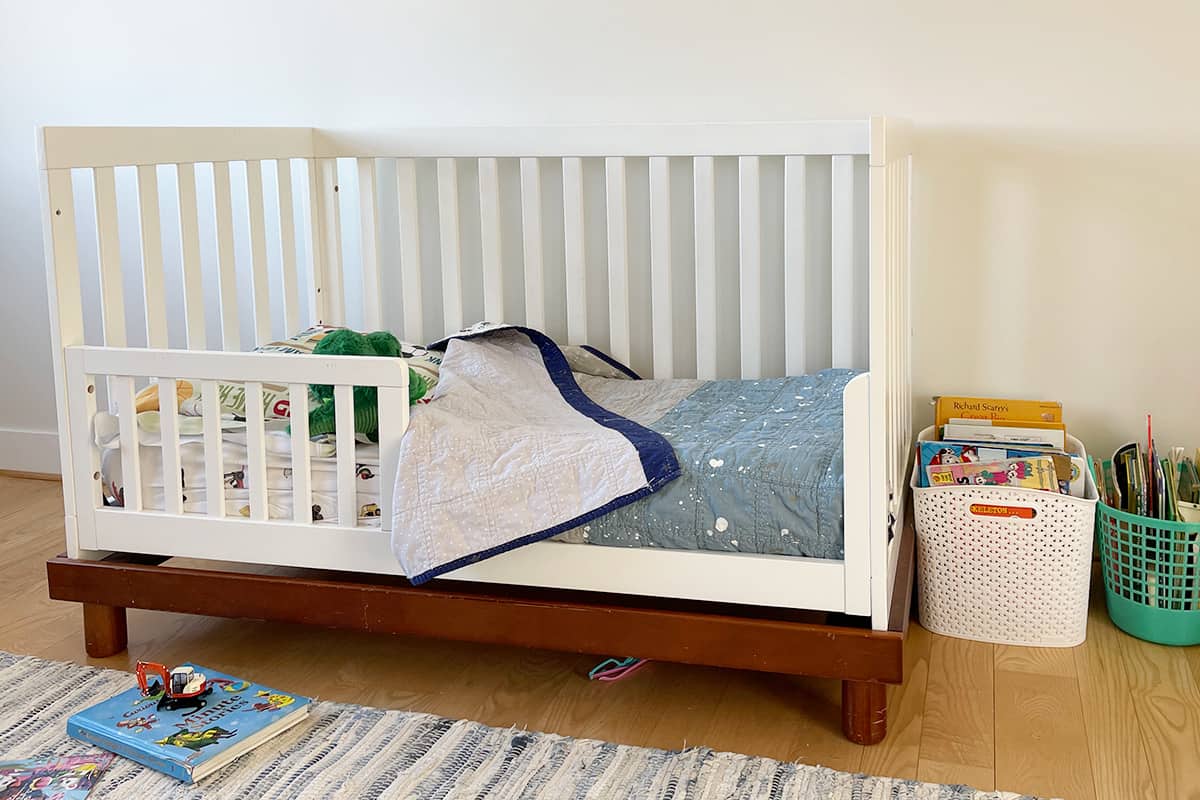
Image Source: www.yummytoddlerfood.com
Why Make This Change?
Parents move kids from a crib for different reasons. A crib is a safe space for babies. But kids grow. A crib is no longer the best place for them.
Here are some main reasons to move:
- Safety: Your child can climb out. Climbing is not safe. They could get hurt. A bed they can get into and out of safely is better.
- Growth: They are getting too big for the crib. They need more space to sleep well.
- New Baby: A new baby is coming. The new baby will need the crib. Your older child needs their own bed before the baby arrives. This helps them feel good about the change.
- Asking for a Bed: Some kids ask for a big bed. This is a good sign they are ready.
Moving to a bed is a big step. It shows your child is growing up. It gives them a bit more freedom. It is a normal part of growing from a baby to a toddler.
Knowing the Right Time
Choosing the right time is key. There is no one perfect day. It depends on your child. Look for signs they are ready. Think about their age.
What Age is Best?
Many people ask, “What is the best age to transition to toddler bed?” Or, “When to transition toddler to bed?” Most kids move between 2 and 3 years old. The age for crib to toddler bed often falls in this range.
- Around 2 Years Old: Some kids are ready now. They might be climbing out. Or they seem okay with big changes.
- Around 3 Years Old: Many kids move now. They understand more. They can follow simple rules better.
- Later is Fine: There is no rush. Some kids stay in a crib longer. Up to age 3 or even 4 is okay. If they are safe and happy in the crib, you can wait.
- Avoid Other Big Changes: Try not to move them to a bed when other big things are happening. Examples: potty training, starting school, a new sibling, moving to a new house. This can be too much change at once. Give them time between big events.
The main point about the age for crib to toddler bed is that readiness is more important than a birthday.
Signs Your Child is Ready
How can you tell your child is ready for a toddler bed? Look for these signs of readiness for toddler bed:
- Climbing Out: This is a big sign. If they can get out of the crib, it is not safe anymore. This is often the top reason parents move kids. Even if they can climb out but don’t, it shows they have the skill.
- Asking for a Bed: Your child might say they want a “big bed” or a “bed like yours.” This shows they are thinking about it. They might be excited.
- Sleeping Well in the Crib: A child who sleeps well is usually better able to handle the change. If they are having sleep problems already, adding a new bed might make things harder.
- Following Simple Rules: Can your child follow simple rules like “stay in your pajamas” or “keep your toys in the bin”? If yes, they might listen when you say “stay in bed.”
- Showing Independence: Toddlers like doing things themselves. Being able to get into and out of their bed on their own fits this need.
- Size: They look too long or big for the crib. They seem cramped.
Do not rush the move. If they show these signs, it might be a good time. If they do not show signs, waiting is okay.
Types of Big Kid Beds
What kind of bed should you get? There are a few choices. Pick what works best for your space and budget.
Toddler Beds
- What they are: Small beds made just for young kids. They use a crib mattress.
- Pros: Low to the ground. Less chance of a big fall. Made for their size. Uses the mattress you already have. Often have small built-in rails.
- Cons: Child will outgrow it. You will need another bed later.
- Good for: Parents who want a small, safe step between crib and twin bed.
Twin Beds
- What they are: A standard single bed. Bigger than a toddler bed.
- Pros: Child can use it for many years. No need to buy another bed later. More space for growing kids.
- Cons: Higher off the ground. Needs safety rails. Needs a new mattress. Might feel too big at first for a small toddler.
- Good for: Parents who want a long-term bed choice. Just add safety rails at first.
Floor Beds
- What they are: A mattress placed directly on the floor. Inspired by Montessori ideas.
- Pros: Safest fall-wise – there is no fall! Gives the child full freedom to get in and out. Can be a crib mattress or twin mattress.
- Cons: Needs careful room proofing. The child has free run of the room. Can feel less like a “bed” spot at first. Mattress needs good air flow underneath.
- Good for: Parents who like the idea of freedom and safety first. Need a child-safe room.
Using Your Crib
You might not need a new bed at all. Many cribs can change. This is a toddler bed conversion crib.
- What it is: A crib that turns into a toddler bed. It usually has a front side that you take off. You put a smaller safety rail in its place.
- Pros: Uses the bed you already own. Child is used to the space and mattress. Saves money. Feels familiar to the child.
- Cons: Not all cribs can do this. You might need to buy a conversion kit. The bed might still be higher than a store-bought toddler bed.
- Good for: Parents whose cribs can change. Makes the move feel less new because the base is the same.
Think about which bed is best for your child and your home. Safety is the most important thing no matter which bed you pick.
The Steps to Move Your Child
Okay, you picked the bed. You think your child is ready. How do you do the move? This is the crib to toddler bed process. Follow these steps to help things go smoothly.
Plan Ahead
Do not just change the bed one night without warning. Plan it out.
- Choose the Date: Pick a time when life is calm. No visitors, no travel. A weekend might be good so you have time.
- Get the Bed Ready: Build the new bed. Or get the crib kit ready. Do this before the night you plan to use it.
- Get Bedding Ready: Wash new sheets if you got them. Use bedding your child likes. Maybe special ones with a favorite character.
- Make the Room Safe: More on this soon. But check the room before the new bed goes in.
- Talk to Others: If your child stays with grandparents or a sitter, tell them about the change. Ask them to support it.
Planning helps you feel ready. It helps your child feel ready too.
Talk About It
Talk to your child about the new bed. Use simple, happy words.
- Start Early: Talk about it a few days or a week before the change.
- Use Simple Words: “You are getting a big kid bed!” “Your crib is going away, and you get this cool new bed.”
- Look at Pictures: Show them pictures of toddler beds. Or show them the new bed before you set it up.
- Read Books: Find kids’ books about moving to a big bed. There are many good ones.
- Visit the Bed: Let them sit on the new bed during the day. Make it fun. “Let’s bounce on your new bed!”
- Make it Exciting: Talk about how fun it will be. How they can pick a special blanket. How they are growing up.
Do not make it a big deal or scary. Make it a happy, normal step.
Set Up the Room
Making the room ready is very important. The bed is the new focus.
- Put the Bed In: Set up the new bed where the crib was. Or in a new spot in the room. Keep it simple.
- Remove the Crib: Take the crib away. If the crib is just changing, take the side off. Put the rail on. Do not leave the crib in the room next to the new bed. This can be confusing.
- Make it Welcoming: Put their favorite stuffed animals or blanket on the bed. Make it look cozy.
- Add Safety Items: Put safety rails on (if needed). Check everything in the room.
The room should feel safe and inviting. It is their space.
The First Night
The first night can be tricky. Be ready for it.
- Keep Bedtime the Same: Use your normal bedtime routine. Bath, books, quiet time. Do not change this.
- Introduce the Bed: At bedtime, go to the new bed. Say, “This is your new big kid bed!”
- Do Bedtime Routine in Bed: Read books while sitting on the new bed. Sing songs there.
- Say Goodnight: Tuck them in just like normal. Give hugs and kisses. Say goodnight.
- Stay Near (Maybe): Some parents sit in the room for a bit. Just until the child falls asleep. Do not get into bed with them. Just be a calm presence. Leave quietly when they are asleep.
- Be Ready for Visits: Your child might get out of bed. Be ready for this.
The first night is new for everyone. Be patient.
Stay Consistent
This is maybe the MOST important rule. Be consistent every single time.
- Same Rules: The rules for staying in bed must be the same every night. And every time they get out.
- Same Way of Handling: If they get out of bed, you must handle it the same way each time.
- Talk to Your Partner: Make sure everyone who puts the child to bed does it the same way. Grandparents, sitters too.
- It Takes Time: It can take days or weeks for a child to get used to a new bed. Do not give up. Keep doing the same thing.
Consistency helps your child learn the new rules. They learn that getting out of bed does not change the rules.
Making the Room Safe
Now that your child can get out of bed, the whole room must be safe. This is childproofing 2.0.
Guard Against Falls
Even low toddler beds can have small falls. Twin beds are higher. Toddler bed safety rails are very important.
- What they are: Barriers that attach to the side of the bed. They stop your child from rolling out while sleeping.
- Types:
- Built-in: Some toddler beds have low sides already.
- Add-on: You buy them separately. They slide under the mattress or strap onto the bed frame.
- How many: Use rails on both sides if the bed is not against a wall. If one side is against a wall, use a rail on the open side. Some kids only need a rail on one side even in the middle of the room.
- Check Size: Make sure the rail is long enough. It should cover most of the bed length where your child’s body is.
- Placement: Put it where their body will be when sleeping. Not up by the pillow.
- Safe Mats: You can put a soft rug or mat on the floor next to the bed. Just in case they do roll off the end of the rail.
- Until When: Keep rails on until your child is a bit older and sleeps still. Maybe 4 or 5 years old. Or when they can climb over the rail safely.
Toddler bed safety rails give you peace of mind. They help your child feel safe too.
Childproofing the Space
Your child can now walk around their room when you are not there. Often in the dark. You need to make sure the room is totally safe.
- Secure Furniture: Anchor all furniture to the wall. Dressers, bookshelves, tall toys. Toddlers can climb them and they can fall over. Use furniture straps or brackets. This is critical.
- Cover Outlets: Use outlet covers that your child cannot take out.
- Cord Safety: Hide or tie up cords from blinds, lamps, or electronics. Long cords can be a danger.
- Window Safety: Lock windows. Use window guards if you can. Make sure they cannot reach blind cords.
- Remove Small Items: Get rid of small things they could choke on. Look under the bed, under furniture.
- Secure Doors: Think about the bedroom door. Do you want them to be able to open it? Many parents use a baby gate at the door. Or a simple hook and eye lock up high outside the door. This keeps them safely in their room.
- Night Light: A soft night light helps them see if they do get up. It can also stop them from being scared of the dark.
Walk around the room on your hands and knees. Look at everything from your child’s view. What can they reach? What can they pull on? What is a danger? Fix everything before the new bed night.
Helping Your Child Stay in Bed
This is the biggest challenge for many parents. How to keep toddler in new bed? Or dealing with toddler not staying in bed. They have freedom now. They will test it.
Getting out of bed is normal. It does not mean you failed. It means your child is learning. Be ready for this.
Nighttime Visits
They might come out of their room many times.
- To find you
- To play
- To ask for a drink
- Just because they can
Your job is to teach them that bedtime means staying in bed.
Stay Calm and Kind
When they get out, stay calm. Do not get angry. Anger can make it worse.
- Do Not Talk Much: Keep words short and simple.
- Lead Them Back: Walk them back to their bed right away.
- Simple Phrase: Use a short phrase like, “It is bedtime. You need to stay in your bed,” or “Time for sleep.” Say this the same way each time.
- No Fun: Do not cuddle, play, or talk a lot. You do not want them to think getting out of bed is fun time with you.
- Do It Again and Again: They might get out right after you put them back. That is okay. Put them back again. Use the same simple phrase. Do this 5 times, 10 times, 20 times if needed.
- Be a “Robot”: Some parents act like a “bedtime robot.” No emotion, just calm, quiet action of leading them back.
This can be tiring. It can feel like it will never work. But being steady teaches them the rule.
Praise Good Choices
Catch them doing something right.
- If They Stay: If you check on them and they are in bed, quietly say, “You are staying in your bed. Good job!”
- In the Morning: If they stayed in bed all night (or most of the night), give big praise in the morning. “You stayed in your bed all night! Wow!”
- Small Wins: Praise them for little steps. “You got in your bed all by yourself!”
Praise helps them know what you want them to do. It makes them feel good about following the rule.
Use Simple Tools (Like Charts)
For kids around 3 or older, simple charts can help.
- Sticker Chart: Make a chart. Draw boxes for each night. Or for “stayed in bed.”
- Earn Stickers: Give a sticker or small star for staying in bed well. Define “well.” Maybe it means they only got out once, or they went back to sleep fast.
- Small Reward: After a few stickers (like 3 or 5), give a small prize. Extra story time, a little toy, staying up 5 minutes later.
- Keep it Simple: Do not make the chart too hard. The goal is to help them learn the new behavior.
This makes staying in bed a game. It gives them a clear goal. It is part of the tips for toddler bed transition that can really work.
Here is a simple chart idea:
| Night | Did I Stay in Bed? (Put a Sticker) |
|---|---|
| Monday | |
| Tuesday | |
| Wed | |
| Thurs | |
| Friday | |
| Sat | |
| Sun |
Get X stickers and earn a small prize!
More Helpful Advice
Here are a few extra tips for toddler bed transition.
Keep Bedtime the Same
Kids do best with a routine. Keep the bath, book, quiet play, and tuck-in time the same each night. This routine tells their body and mind it is time to sleep. The new bed just fits into this known plan.
Make the Bed Special
Let your child help pick out a new blanket or pillow. Maybe a special stuffed animal that only stays on the bed. Make the bed a fun, comfy place they want to be.
Give Them Choices
Toddlers like to feel in control. Give small choices about the bed. “Do you want the blue blanket or the green one?” “Should Teddy sleep on your pillow or by your feet?” This gives them power in the new space.
Handling Problems
Sometimes things are not easy. Dealing with toddler not staying in bed can be hard. What if they cry a lot? What if they are scared?
Crying and Leaving the Bed
This is very common. They are testing the new limit.
- Be Calm: Remember to stay calm yourself.
- Put Them Back: Do the same thing every time: calmly lead them back with few words.
- Check for Real Needs: Are they truly hungry? Sick? Scared? Check quickly. If not, back to bed.
- It Takes Time: It might take many nights. Be patient. It will get better.
If you give in sometimes (let them stay with you, let them play), it makes it harder. They learn that if they try long enough, the rules change.
Fear at Night
The new bed can feel big and maybe scary.
- Talk About It: During the day, talk about what might feel scary. “Are you worried about being in the dark?”
- Night Light: Use a soft night light.
- “Monster Spray”: Make a spray bottle with water. Call it “monster spray.” Spray under the bed or in corners. It helps them feel safe.
- Check the Room: Re-check your childproofing. Is there a strange noise or shadow making them scared?
- Stay Near (Short Time): If they are really scared, you can sit in the room for a few minutes. Just be there. Do not get into bed. Slowly sit closer to the door each night.
A little fear is normal. A lot of fear means maybe they are not ready yet. Or you need to help them feel safer.
Summary of Steps
Here are the main points for the crib to toddler bed process:
- Know the Time: Look for signs of readiness (like climbing out) more than a set age (often 2-3 years old).
- Pick the Bed: Choose a toddler bed, twin bed, floor bed, or use a toddler bed conversion crib.
- Plan and Talk: Get the bed ready. Talk to your child about the change using happy words. Read books.
- Set Up the Room: Put the bed in. Take the crib out. Make the room safe! Anchor furniture, cover outlets, add toddler bed safety rails.
- Do Bedtime: Use your normal routine. Tuck them in the new bed.
- Be Ready: They will likely get out. Be ready to lead them back, calmly, with few words.
- Stay Steady: Do the same thing every time they get out. Consistency is key for how to keep toddler in new bed.
- Praise Good: Notice and praise them when they stay in bed or get back in quickly.
- Use Tools: Sticker charts can help older toddlers.
- Be Patient: It takes time for kids to learn new habits.
Following these tips for toddler bed transition helps everyone adjust.
Answers to Your Questions (FAQ)
Here are answers to common questions about dealing with toddler not staying in bed and the move in general.
How long does it take for a child to get used to a new bed?
It is different for every child. Some kids take just a few nights. Others might take a few weeks. It can take longer if you are not able to be fully consistent. Be patient. Keep doing the steps. Most kids get used to it within a month if you are steady.
What if they keep getting out of bed over and over?
This is very common. The best way to handle dealing with toddler not staying in bed is to calmly and silently (or with your simple phrase) lead them right back to bed. Do not argue. Do not lecture. Do not engage in games or talks. Just put them back. As many times as needed. It is tiring, but it teaches them that getting out does not get them what they want.
Should I use a baby gate on the door?
Yes, many parents find a baby gate very helpful for keeping toddler in new bed. It keeps them safely in their room. They can get out of bed, but they cannot wander the house alone in the dark. This can make the “put back” process easier, as you only need to guide them from the gate back to the bed. It also keeps them safe.
What if my child seems scared of the new bed?
Talk to them about their fears during the day. Use a night light. Check for shadows or noises. Make the bed extra cozy and inviting. You can sit in the room until they fall asleep for a few nights, slowly moving closer to the door. If the fear seems really bad, they might not be ready, and you could wait a bit longer if possible.
Making the Change Smooth
Moving from a crib to a bed is a big step for your child. It is a sign they are growing. It can also be a challenge for parents. There will be nights when your child gets out of bed. There might be crying. This is normal.
The key is to be prepared, be patient, and be consistent. Use the crib to toddler bed process steps. Make the room very safe with toddler bed safety rails and childproofing. Talk to your child. Praise their efforts.
With calm kindness and steady rules, your child will learn to love their big kid bed. It might take time, but you can make this change easy for everyone. You are helping your child learn new skills and feel safe in their growing space. Good luck!