
A stye is a small, red bump on the eyelid. Many parents ask if they can treat a stye on their toddler at home. Yes, you often can, using simple, safe methods. A stye happens when a tiny oil gland or a hair follicle on the eyelid gets blocked and infected, usually by common germs like bacteria. Anyone can get a stye, including toddlers, especially because they touch their eyes often. This guide will walk you through safe ways to help your little one’s stye get better right at home.
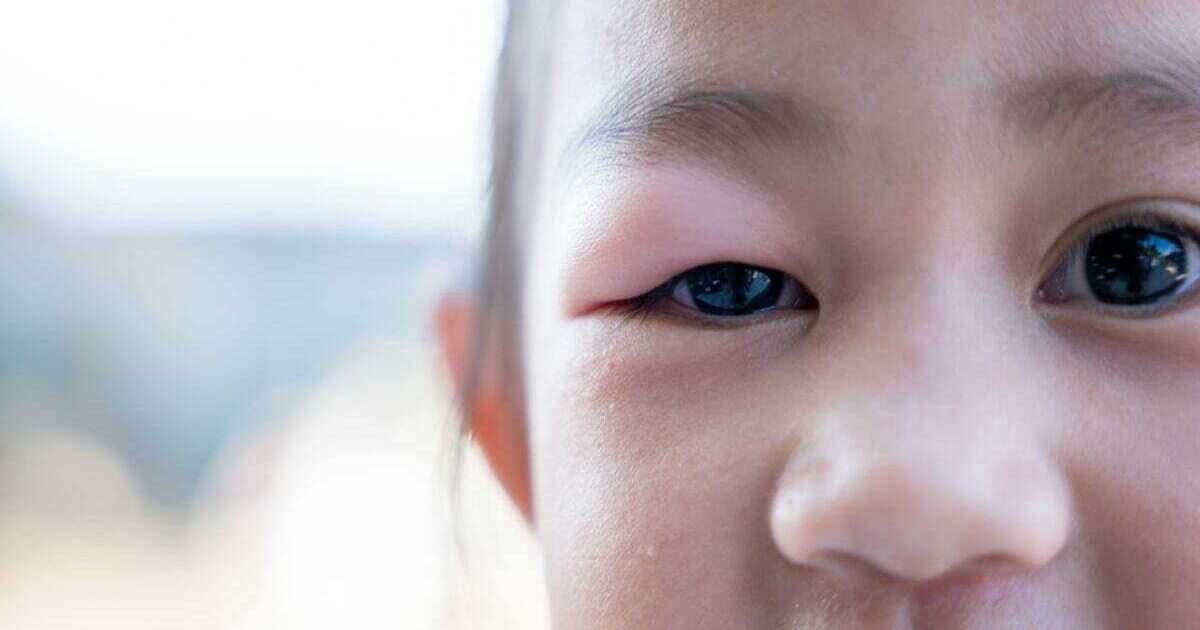
Image Source: adventure-craft.transforms.svdcdn.com
Grasping What a Stye Is
Think of a stye like a tiny pimple that shows up on the edge of your child’s eyelid. It might look red and swollen. It can hurt a little or feel tender when you touch it. Styes are most often caused by tiny germs that get into the little oil glands or hair roots on the eyelid. These glands help keep the eye moist. If one gets blocked, the germs can grow inside, causing the bump.
There are two main kinds of styes:
- External Stye: This is the most common type. It forms on the outside edge of the eyelid, right where the eyelashes grow. It looks like a red bump with a small head that might look yellow or white.
- Internal Stye: This forms deeper inside the eyelid. It might cause the whole eyelid to swell up more. You might not see a clear bump on the outside.
Most styes are not serious. They are usually not a sign of a bigger health problem. They are also not the same as pink eye (conjunctivitis), which makes the white part of the eye and the inside of the eyelid red and can cause a lot of discharge. A stye is just a bump on the eyelid itself.
Why Toddlers Get Styes
Toddlers seem to get everything, don’t they? Styes are pretty common in this age group. Why? Well, toddlers are naturally curious and explore the world with their hands. Then, they touch their faces and eyes. This makes it easy for tiny germs to get from their hands to their eyelids.
Here are some things that make toddlers more likely to get styes:
- Touching Eyes: Toddlers often rub their eyes when they are tired or just as a habit.
- Not Washing Hands Well: Little hands pick up germs easily, and toddlers are not usually pros at thorough handwashing yet.
- Sharing Items: Sharing towels, blankets, or toys that touch faces can pass germs around.
- Blocked Glands: Sometimes, the little oil glands just get blocked on their own, making it easier for germs to cause a problem.
Good hygiene is key in preventing styes, but even with the best efforts, your toddler might still get one.
Deciphering Toddler Stye Symptoms
Knowing what to look for helps you figure out if that bump on your child’s eyelid is actually a stye. Toddler stye symptoms can be pretty clear.
Here are the common signs you might see:
- A Red Bump: The first thing you’ll likely notice is a small, red bump on the edge of the eyelid, often near the eyelashes. It might look like a tiny boil or pimple.
- Swelling: The eyelid might look swollen, especially around the bump. Sometimes, the whole eyelid can swell up.
- Pain or Tenderness: The area around the stye might hurt when you touch it. Your toddler might rub their eye or cry when it’s touched.
- Feeling Like Something Is In the Eye: Toddlers might fuss or say their eye feels “scratchy” or like there’s “something in it.”
- Watery Eye: The affected eye might water more than usual.
- Crusting: Sometimes, a little crust can form on the eyelid around the stye.
- Sensitivity to Light: In some cases, bright lights might bother your child’s eye.
It’s important to look closely to see if the redness and swelling are just on the eyelid itself, rather than the white part of the eye or the inside lining, which could point to pink eye. If you are unsure, it’s always best to check with their doctor.
Mastering Home Treatment for a Stye
The good news is that most styes in toddlers can be treated safely at home with simple steps. The main goals of home treatment are to help the stye drain on its own and to keep the area clean to prevent the problem from getting worse or spreading. This is part of toddler eye infection treatment home care.
Here are the key things you can do:
The Cornerstone Step: Warm Compresses
This is the most important and effective home treatment for a stye. Applying warmth helps the blocked gland open up and drain the pus inside. This is often called using a warm compress for child stye.
Here’s how to do it safely:
- Get Your Materials: You will need a clean, soft cloth (like a washcloth or gauze pad) and warm water. The water should be warm, not hot. Test the temperature on your wrist first – it should feel comfortably warm, like bathwater, not hot enough to burn tender skin.
- Make the Compress: Soak the clean cloth in the warm water. Wring out the extra water so it’s damp but not dripping.
- Apply Gently: Gently place the warm, damp cloth over your child’s closed eye.
- Keep It Warm: Re-warm the cloth in the water often to keep it warm during the treatment time.
- How Long and How Often: Try to keep the compress on the eye for about 10 to 15 minutes. This can be tricky with a busy toddler! Aim to do this 3 to 6 times a day.
- Tips for Toddlers:
- Try applying the compress while your child is sleeping or just waking up. They might be more still.
- Do it during a calm activity, like watching a short cartoon or listening to a story.
- Sing songs or talk quietly to distract them.
- Make it a game – maybe they can put a “magic warm cloth” on their teddy bear’s eye first.
- Don’t force it. If they get too upset, try again later. Even a few minutes at a time is better than nothing.
- Cleanliness: Always use a clean cloth for each session. Don’t use the same cloth multiple times without washing it.
The warmth helps soften the stuff inside the stye, making it easier for it to pop and drain on its own. Do not try to squeeze or pop the stye yourself – this can make the infection worse or spread it.
Keeping the Area Clean: Eyelid Cleaning
Keeping the eyelid clean is another crucial step in child stye treatment. This helps remove any crusting and keeps the area free of more germs. This process is called eyelid cleaning toddler.
Here’s how to clean your toddler’s eyelid safely:
- Use Gentle Materials: You’ll need warm water and a clean cotton ball or a corner of a clean washcloth. You can also get special eyelid cleaning wipes at the pharmacy, but warm water is usually fine.
- Warm Water is Best: Dip the cotton ball or cloth corner in warm water.
- Wipe Gently: With your child’s eye closed, gently wipe the edge of the eyelid. Wipe from the inner corner of the eye (near the nose) outward.
- Remove Crusting: If there’s any crusting or dried discharge, use the warm, damp cloth to soften it first, then gently wipe it away.
- Use a Fresh Spot/Ball: Use a new part of the cloth or a new cotton ball for each swipe if needed, especially if there’s discharge.
- Separate for Each Eye: If your toddler has a stye in both eyes (which is less common, but possible) or if you are cleaning both eyes, use entirely separate clean cloths or cotton balls for each eye to avoid spreading any germs.
- How Often: Clean the eyelid once or twice a day, or whenever you see crusting.
Be very gentle around your child’s eye. Their skin is delicate.
Reinforce Good Hygiene Habits
This isn’t just for treating the current stye, but also for preventing future ones.
- Handwashing: Make sure your toddler washes their hands often with soap and water, especially before touching their face or eating, and after playing outside or using the potty. Help them lather for at least 20 seconds (sing the “Happy Birthday” song twice).
- No Eye Rubbing: Try to gently remind them not to rub their eyes. This is hard for toddlers, but it helps prevent irritation and spreading germs.
- Don’t Share: Don’t let your toddler share towels, washcloths, or pillows with others. Use fresh linens often.
Pain Relief (If Needed)
Styes can sometimes be uncomfortable or even a little painful. If your toddler seems fussy or is clearly bothered by the stye, you can consider giving them an over-the-counter pain reliever.
- Safe Options: Ibuprofen or acetaminophen made for infants or toddlers are usually safe options.
- Check Dosage: Always follow the dosage instructions on the package for your child’s age and weight. If you’re unsure, call your pediatrician.
- When to Give: Only give medicine if your child seems genuinely uncomfortable. Don’t give it “just in case.”
- Ask the Doctor: If you’re not sure which medicine to use or the correct dose, call your child’s doctor for advice.
Natural Remedies Stye Toddler: What’s Safe?
Many people look for natural ways to help a stye. For toddlers, the safest and most effective “natural” method is the warm compress using just water and a clean cloth.
Some other “natural” remedies you might hear about are NOT recommended for toddlers’ eyes because they can cause irritation, allergic reactions, or even introduce more germs:
- Chamomile Tea Bags: While chamomile can be soothing, using a tea bag directly on a toddler’s eye is risky. The tea bag might not be perfectly clean, and bits of tea leaf could get into the eye. Plain warm water is safer.
- Breast Milk: While breast milk has antibodies, putting it directly into a stye or eye infection is not a proven treatment and could potentially introduce other bacteria.
- Other Herbal Compresses/Washes: Avoid using anything other than plain warm water or saline solution for cleaning your toddler’s eye unless specifically told to by a doctor.
Stick to the warm compress with water and gentle cleaning. These are the tried-and-true methods recommended by pediatricians.
What NOT To Do When Treating a Stye
Just as important as knowing what to do is knowing what not to do.
- DO NOT Squeeze or Pop the Stye: This is the biggest no-no! Trying to squeeze a stye can push the infection deeper into the eyelid, make the swelling worse, cause scarring, or spread the infection to other parts of the eye or face. Let it drain on its own with the help of warm compresses.
- DO NOT Put Anything Directly In The Eye: Unless prescribed by a doctor, do not put drops (other than maybe saline rinse if recommended), ointments, or other substances into your toddler’s eye. This includes homemade concoctions or things like breast milk.
- DO NOT Let Your Toddler Wear Contact Lenses: If your toddler is one of the rare few who wears contacts, they must stop wearing them until the stye is completely gone.
- DO NOT Share Eye Makeup or Applicators: (This applies more to older kids/adults, but worth mentioning for general eye safety).
- DO NOT Use Old or Contaminated Eye Products: This again is more for older individuals, but keep any toddler eye wipes or saline rinses clean and sealed.
When to Get Help: When to See Doctor Stye Toddler
While most styes get better on their own with home care, there are times when you need to call your child’s pediatrician or an eye doctor (ophthalmologist). Knowing when to see doctor stye toddler is very important for your child’s health.
Call the doctor if you see any of these signs:
- The Stye Is Not Getting Better: If the stye doesn’t start to improve after a week or two of consistent warm compresses.
- The Stye Gets Worse: If the stye seems to be getting bigger, more painful, or the swelling is increasing.
- Swelling Spreads: If the redness and swelling spread beyond the eyelid to other parts of the face (like the cheek or nose). This could be a sign of a more serious infection called cellulitis.
- Affects Vision: If the stye or the swelling is so bad it is affecting your child’s ability to see clearly.
- The Eye Itself Looks Infected: If the white part of the eye (sclera) looks red, or there is a lot of pus-like discharge from the eye (more like pink eye symptoms along with the stye).
- Fever: If your toddler develops a fever along with the stye.
- Stye Bleeds: While rare, bleeding from the stye warrants medical attention.
- Recurrent Styes: If your toddler keeps getting styes, the doctor might want to check for underlying issues.
- You Are Unsure: If you are worried or not sure what is happening with your child’s eye, it’s always best to call the doctor for advice.
Never hesitate to call your doctor if you are concerned about your child’s eye.
Medical Treatment Options: Pediatric Eye Stye
If you do need to take your toddler to the doctor for a stye, they will examine the eye and recommend treatment based on the severity. Pediatric eye stye treatment can vary.
Here are some things the doctor might suggest:
- Continue Home Care: Often, the doctor will confirm it’s a stye and tell you to keep doing the warm compresses and cleaning, perhaps recommending doing it even more often.
- Antibiotic Eye Drops or Ointment: If there are signs that the infection is spreading or if the stye is particularly stubborn, the doctor might prescribe antibiotic eye drops child stye or a special antibiotic ointment to put on the eyelid. It’s very important to use these exactly as prescribed by the doctor.
- Oral Antibiotics: In rare cases, if the infection is more severe or spreading (like cellulitis), the doctor might prescribe antibiotics by mouth.
- Incision and Drainage: Very rarely, for a large stye that isn’t draining on its own and is very painful or persistent, a doctor (usually an eye specialist) might need to make a tiny cut to drain the pus. This is not common in toddlers and is typically a last resort.
Remember, antibiotics are only needed if there is a bacterial infection, which is why doctors don’t always prescribe them for every stye. Home care is often enough.
How Long Stye Lasts Toddler
Parents often ask, “How long stye lasts toddler?” Most styes are temporary and go away on their own within one to two weeks with consistent home treatment (especially warm compresses).
- You might see the stye come to a head (look like a white or yellow point) and then eventually pop and drain. Once it drains, the swelling and pain should start to go down quickly.
- Even after it drains, the bump might take a few more days to completely disappear.
- Some styes can be stubborn and last a little longer, but they should still show signs of improving over time.
- If a stye lasts longer than two weeks, or if it seems to be getting worse, that’s when you should definitely contact your child’s doctor.
Be patient with the process. Home care helps speed it up, but it still takes time for the body to heal the blocked gland.
Preventing Future Styes
While you can’t prevent every single stye, you can lower the chances of your toddler getting them.
- Handwashing is Key: Keep reinforcing good handwashing habits.
- Discourage Eye Touching/Rubbing: Gently remind them to keep hands away from their eyes.
- Keep Linens Clean: Regularly wash pillowcases, towels, and washcloths.
- Manage Underlying Conditions: If your child has conditions like blepharitis (inflammation of the eyelids), treating that can help reduce styes. Your doctor can advise on this.
Putting It All Together: A Quick Guide
Here’s a simple summary of how to treat your toddler’s stye safely at home:
- Spot the Symptoms: Look for the red bump, swelling, and tenderness on the eyelid.
- Start Warm Compresses: This is the best step. Use a warm (not hot), damp cloth on the closed eye for 10-15 minutes, 3-6 times a day. Be patient with your toddler!
- Keep it Clean: Gently wipe the eyelid with warm water and a clean cloth to remove any crusting.
- Practice Good Hygiene: Encourage handwashing and avoid eye rubbing and sharing towels.
- Know What NOT to Do: Never squeeze or pop the stye.
- Watch and Wait: Most styes get better in 1-2 weeks.
- Know When to Call the Doctor: Look for signs like spreading redness, increased swelling, fever, vision changes, or if the stye doesn’t improve after a week or two.
Treating a stye on a toddler can be managed at home in most cases. With gentle care, patience, and knowing when to seek medical help, you can help your little one feel better quickly.
Frequently Asked Questions (FAQ)
h4 Is a stye contagious?
No, a stye itself is not really contagious like pink eye. It’s caused by common germs that are already on our skin. However, the germs can be spread if someone touches the stye and then touches someone else’s eye, or if towels are shared. Good hygiene helps prevent this kind of spread.
h4 Can my toddler go to daycare or school with a stye?
Yes, in most cases, a toddler with a stye can still go to daycare or school. Styes are not usually considered a reason to keep a child home, unlike something highly contagious like pink eye. Just make sure they are practicing good handwashing, and let the teachers know about the stye so they can help with hygiene if needed.
h4 Will the stye leave a scar?
No, styes usually do not leave a scar, especially if you avoid squeezing or picking at them. They tend to heal completely once they drain.
h4 What if my toddler won’t let me do warm compresses?
This is a common challenge! Try doing it while they are sleeping, relaxing watching TV, or reading a book. Make it a calm time. You can also try singing songs, telling a story, or having them hold the cloth on a teddy bear first. Even doing it for shorter periods, but more often, can help. Don’t force it too much if it causes a lot of distress. Just do your best with it.
h4 Is it okay to use eye makeup on a stye?
For a toddler, this isn’t an issue, but for older kids or adults, you should never use eye makeup while you have a stye. Throw away any eye makeup (especially mascara and eyeliner) you were using when the stye appeared, as it could be contaminated with bacteria and cause another stye.
h4 How long does it take for a stye to pop?
There’s no set time. Some styes never visibly “pop” but just gradually shrink and go away. Others might come to a head within a few days to a week and then drain. The warm compresses help this process along.
h4 Can allergies cause styes?
Allergies themselves don’t cause styes, but rubbing itchy eyes due to allergies can irritate the eyelids and potentially make them more prone to developing a stye if germs get in.
h4 What’s the difference between a stye and a chalazion?
A stye is an infection of an oil gland or hair follicle on the eyelid, usually caused by bacteria. It’s often red, swollen, and painful. A chalazion is a blockage of an oil gland (Meibomian gland) further inside the eyelid that doesn’t usually involve an active infection. Chalazions are typically less painful, firmer bumps that are further from the edge of the eyelid than styes. Sometimes, a stye that doesn’t drain properly can turn into a chalazion. Treatment for chalazions also involves warm compresses, but they often last longer than styes.