
Balanitis means the head of the penis or foreskin gets red and swollen. It often happens in little boys who are not circumcised. Yes, you can try some simple treatments at home for mild cases. This issue mostly affects uncircumcised boys, especially toddlers, because their foreskin is still tight and harder to clean. It can be a little scary for parents, but balanitis is quite common and usually easy to fix. Knowing what to do can help your little one feel better fast. This guide will show you how to spot balanitis, treat it at home, and know when to see a doctor.
Image Source: my.clevelandclinic.org
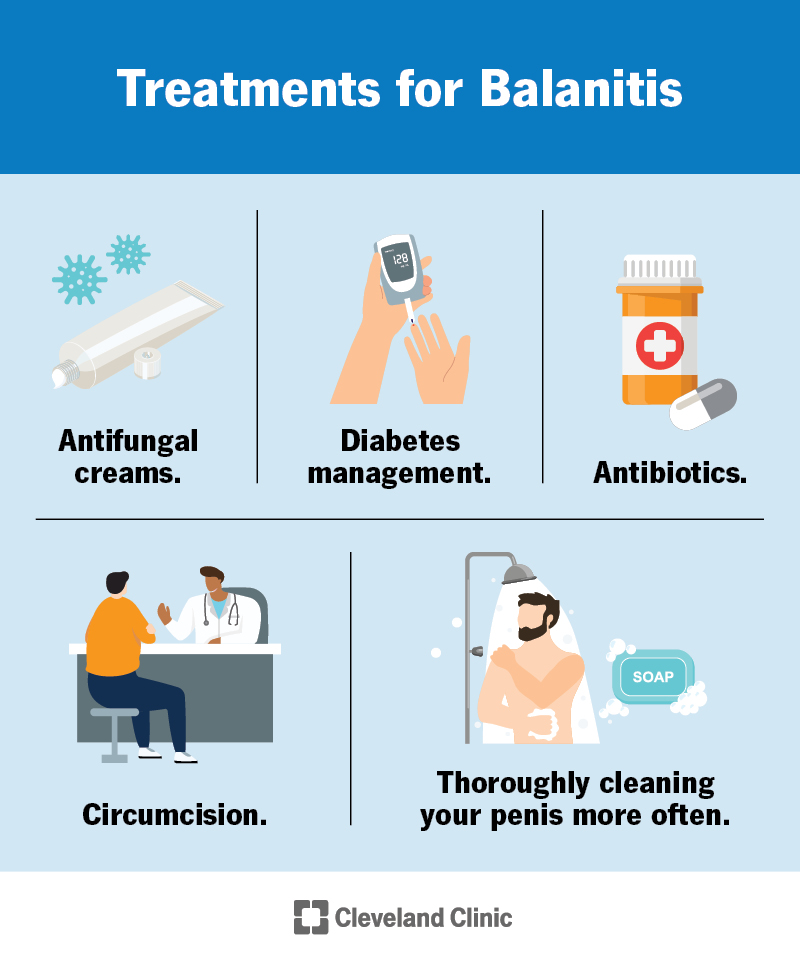
Spotting the Signs: Toddler Balanitis Symptoms
Knowing the signs of balanitis is the first step. Balanitis can make a toddler very fussy or uncomfortable. They might not be able to tell you what hurts, so you need to look for clues. Catching it early can help stop it from getting worse.
Here are the main toddler balanitis symptoms to watch for:
- Redness: The tip of the penis or the foreskin might look very red. It can be a bright red color.
- Swelling: The foreskin or the head of the penis can look puffy or bigger than normal. It might seem a bit inflamed.
- Pain or Tenderness: Your toddler might cry when you touch his penis or when he pees. He might try to keep you from touching his diaper area.
- Itching: He might try to scratch his penis or pull at his diaper.
- Discharge: You might see some liquid under the foreskin. This liquid can be white, yellow, or green. It might also have a bad smell.
- Trouble Peeing: The swelling can make it hard for urine to come out. Your toddler might pee in a thin stream or seem to strain when he pees. He might also pee more often or cry when he pees.
- Foul Smell: There might be an unpleasant smell coming from the penis area.
- Cracked Skin: In some cases, the skin on the foreskin might look dry or cracked.
Here is a quick look at common signs:
| Symptom Category | What to Look For |
|---|---|
| Appearance | Redness, swelling, puffy foreskin, cracked skin |
| Feelings | Pain, tenderness, itching |
| Discharge | White, yellow, or green liquid; bad smell |
| Peeing | Hard to pee, thin stream, peeing often, pain |
| Toddler Behavior | Fussy, crying, pulling at diaper, avoids touch |
If you see these signs, it is time to take action. Early care can make a big difference.
What Causes Balanitis in Toddlers?
Balanitis does not just happen for no reason. Many things can lead to it. Knowing the cause can help you treat it better and stop it from coming back. Most times, it’s about hygiene or irritation.
Here are common reasons why balanitis happens:
- Poor Hygiene: If the area under the foreskin is not cleaned well, germs can grow. This space can trap dead skin cells, urine, and dirt. This mix can cause problems.
- Irritants: Harsh soaps, bubble baths, or even some baby wipes can irritate the delicate skin. Chemicals in these products can cause redness and swelling. Tight clothing or diapers can also rub and cause irritation.
- Infections:
- Bacteria: Bacteria from skin or poop can get under the foreskin. This is a common cause.
- Fungi: A type of yeast, often Candida (the same one that causes thrush), can also cause balanitis. This is more likely if your child has been on antibiotics or has a weakened immune system.
- Diaper Rash Balanitis Toddler: A bad diaper rash can spread to the penis. The moisture and warmth in a diaper can make the skin more likely to get inflamed. If a diaper rash is not treated quickly, it can lead to balanitis. The skin is already sore, making it easy for germs to get in.
- Trauma or Injury: Even a small bump or rub can break the skin. This broken skin then becomes an easy target for germs. Pulling back the foreskin too hard can also cause tiny tears.
- Tight Foreskin (Phimosis): Some toddlers have a foreskin that is very tight. This makes it hard to clean properly. It also creates a warm, moist place where germs like to grow. This tightness can lead to repeated balanitis.
Most cases of balanitis are not serious. They are often caused by simple things like irritation or common germs. But it is good to know why it happens so you can work to prevent it.
Initial Steps: Home Remedies for Toddler Balanitis
For mild cases of balanitis, you can often treat it at home. These steps focus on keeping the area clean and reducing irritation. Always be gentle when touching your toddler’s penis.
Here are effective home remedies for toddler balanitis:
- Warm Water Soaks (Sitz Baths): This is one of the best first steps.
- Fill a clean tub or a large basin with warm (not hot) water.
- Add a small amount of mild, unscented soap, or just plain warm water.
- Let your toddler sit in the water for 10-15 minutes, two to three times a day.
- The warm water helps clean the area and soothe pain. It also helps loosen any gunk under the foreskin.
- Gentle Cleaning: How to Clean Toddler Penis with Balanitis
- After a bath or sitz soak, gently clean the penis.
- Do not pull back the foreskin forcefully. A toddler’s foreskin is usually still attached and does not retract fully. Trying to pull it back can cause pain and injury.
- Instead, gently wash the outside of the penis and foreskin with warm water. You can use a very soft cloth or just your fingers.
- If the foreskin moves a little, clean as much as you can see without forcing it.
- Pat the area dry very gently with a clean, soft towel. Make sure it is completely dry to stop more germs from growing.
- Avoid Harsh Soaps and Bubble Baths: These can make the irritation worse. Use only plain water or a very mild, unscented baby wash for the whole body. Skip bubble baths entirely for a while.
- Loose Clothing and Diapers: Tight clothes and diapers can rub against the inflamed area, causing more pain. Dress your toddler in loose-fitting clothes. If he wears diapers, make sure they are not too tight.
- Frequent Diaper Changes: Change diapers as soon as they are wet or soiled. This keeps the area dry and clean, which is key for healing. Moisture can make the problem worse.
- Air Exposure: Let your toddler go without a diaper for short times if possible. This lets air get to the area and helps it dry out. Lay him on a towel during nap time or playtime.
- No Rubbing: Tell your toddler not to rub or scratch the area. This can make the irritation worse or lead to more infection. Distract him with toys or activities.
These home care steps are often enough for mild balanitis. If you do not see improvement after a few days, or if the symptoms get worse, it is time to call your doctor.
When Medicine Helps: Balanitis Cream for Toddlers
Sometimes, home care is not enough. Your doctor might suggest a cream or other medicine. The type of cream depends on what caused the balanitis. Never use any cream without talking to your doctor first.
Here are the common types of balanitis cream for toddlers:
- Mild Steroid Creams (Over-the-Counter Hydrocortisone):
- For redness and swelling from irritation, a very mild steroid cream might help.
- These creams reduce inflammation.
- You can often buy 0.5% or 1% hydrocortisone cream without a prescription.
- Apply a very thin layer to the affected area, usually once or twice a day.
- Important: Use only as directed by your doctor. Do not use for a long time without medical advice, as steroids can thin the skin.
- Antifungal Cream Toddler Balanitis:
- If a doctor thinks a yeast infection (fungus) is causing the balanitis, they might prescribe an antifungal cream.
- These creams kill the yeast. Common types include clotrimazole or miconazole.
- Symptoms of a fungal infection might include very red skin, sometimes with small red bumps, and a strong smell.
- Use this cream exactly as the doctor tells you. You usually need to use it for a few days even after the symptoms get better.
- Antibiotic Creams:
- If bacteria are causing the infection, a doctor might suggest an antibiotic cream.
- These creams kill bacteria.
- They are only used if there is a clear sign of bacterial infection, like pus or a bad smell.
- Do not use antibiotic creams unless a doctor tells you to. Misusing them can make germs resistant to medicine.
Important points for using creams:
- Clean First: Always clean the area gently before applying any cream.
- Thin Layer: Use only a small, thin layer of cream. Too much does not help more and can sometimes cause problems.
- Wash Hands: Wash your hands before and after applying the cream.
- Follow Instructions: Always follow the doctor’s instructions for how much and how often to use the cream.
Remember, creams are often part of a wider treatment plan. They work best with good hygiene practices.
Advanced Care: Pediatric Balanitis Treatment
Sometimes, home remedies and simple creams are not enough. This is when a doctor’s care is key. Pediatric balanitis treatment may involve stronger medicines or other actions.
- Prescription Creams:
- If over-the-counter creams do not work, your doctor might prescribe a stronger cream. This could be a stronger steroid cream or a different antifungal or antibiotic cream.
- These are used for more stubborn infections or severe swelling.
- Oral Antibiotics for Toddler Balanitis:
- If the infection is more serious, or if it spreads beyond the penis, your child might need to take antibiotics by mouth.
- Oral antibiotics fight infections inside the body.
- Signs that oral antibiotics might be needed include fever, very bad pain, very red or swollen areas, or if the infection is getting worse quickly.
- If your child is prescribed antibiotics, it is very important to finish the whole course, even if your child feels better. Stopping early can make the infection come back or become harder to treat.
- Draining Pus:
- In rare, very bad cases, pus might build up under the foreskin. This can be very painful.
- A doctor might need to gently drain the pus. This is done carefully in the doctor’s office. It helps relieve pressure and speeds healing.
- Foreskin Infection Toddler Treatment – Addressing Tight Foreskin:
- If balanitis keeps coming back, especially due to a very tight foreskin (phimosis), your doctor might talk about ways to help.
- Sometimes, a special steroid cream applied to the foreskin can help it stretch over time. This can make cleaning easier and stop future infections.
- Surgical Options (Very Rare): For repeated, severe cases that do not get better with other treatments, a doctor might suggest circumcision. This is the surgical removal of the foreskin. This is usually a last resort for chronic problems and is discussed carefully with parents. Another, less common, option is a preputioplasty, which widens the foreskin opening without full removal.
Important Note: Do not try to force your toddler’s foreskin back if it is tight. This can cause tears, pain, and more problems. Always let a doctor guide you on this.
The goal of advanced treatment is to clear the infection and make your toddler comfortable. It also aims to stop balanitis from happening again.
Keeping It Clean: Best Hygiene Practices
Good hygiene is the best way to prevent balanitis from happening again. It is simple but very important. These steps are easy to do every day.
- Gentle Daily Washing:
- Wash your toddler’s penis gently with warm water every day during bath time.
- Do not use harsh soaps. Plain water is best. If you use soap, choose a very mild, unscented baby soap.
- Do not pull back the foreskin forcefully. Just clean the outside and as far back as the foreskin moves easily.
- Pat Dry Completely:
- After washing, make sure the area is completely dry. Use a clean, soft towel and pat gently.
- Moisture trapped under the foreskin can lead to germ growth.
- Proper Diaper Care:
- Change diapers often. As soon as they are wet or soiled, change them.
- Use absorbent diapers.
- Clean the diaper area well with water or mild, unscented wipes.
- Let the skin air dry for a few minutes before putting on a new diaper if possible.
- Avoid Irritants:
- Stay away from bubble baths, strong soaps, and perfumed lotions. These can irritate the delicate skin.
- Choose underwear and clothing that is soft and breathable, like cotton.
- Make sure clothing is not too tight around the groin area.
- Teach Good Habits (as they grow):
- As your son gets older, teach him how to clean himself gently.
- Explain why hygiene is important.
- Show him how to clean his penis without forcing the foreskin back. He will learn to retract it naturally when his body is ready.
By following these simple steps, you can greatly reduce the chances of balanitis coming back. It is all about being gentle, keeping things clean, and avoiding harsh products.
When to See a Doctor for Toddler Balanitis
While many cases of balanitis can be treated at home, it is vital to know when to seek a doctor’s help. Delaying care can make a minor issue turn into a bigger one. Do not hesitate to call your pediatrician if you are worried.
You should see a doctor for when to see a doctor for toddler balanitis if you notice any of these signs:
- No Improvement After Home Care: If you have tried home remedies for 2-3 days and the symptoms are not getting better, it is time for a doctor visit.
- Worsening Symptoms: If the redness, swelling, or pain gets worse, or if new symptoms appear.
- Fever: A fever with balanitis can mean the infection is more serious and spreading.
- Difficulty Peeing: If your toddler struggles to pee, cries when peeing, or seems to pee less often. This could mean the swelling is blocking the urine.
- Green or Yellow Discharge: This often points to a bacterial infection that needs antibiotics.
- Severe Pain: If your toddler is in a lot of pain and cannot be comforted.
- Blisters or Sores: Any open sores or blisters on the penis need quick medical review.
- Repeated Episodes: If your toddler keeps getting balanitis, even with good hygiene. This might mean an underlying problem like a very tight foreskin.
How to prepare for the doctor’s visit:
- Write down symptoms: Note what you have seen and how long it has been happening.
- List home treatments: Tell the doctor what you have already tried.
- Ask questions: Do not be afraid to ask about treatment options or how to prevent it.
A doctor can figure out the exact cause of the balanitis. They can then give the right medicine or advice. This ensures your toddler gets the best care and feels better quickly.
Preventing Future Issues: Stopping Balanitis From Coming Back
The best way to deal with balanitis is to stop it from happening. Prevention is easier than cure. Following good habits can help keep your toddler free from this painful issue.
- Maintain Excellent Hygiene:
- Make daily gentle washing a habit. Use plain warm water for cleaning the penis.
- Remember: do not force the foreskin back.
- Teach gentle cleaning as your child grows.
- Avoid Irritating Products:
- Stick to mild, unscented soaps for bathing.
- Skip bubble baths entirely.
- Choose baby wipes that are fragrance-free and alcohol-free.
- Rinse well after using any soap.
- Manage Diaper Rash Quickly:
- Change wet or soiled diapers often.
- Use a barrier cream for diaper rash.
- Ensure the diaper area is clean and dry before putting on a new diaper. A bad diaper rash can easily lead to balanitis.
- Ensure Proper Drying:
- Always pat the penis area dry after bathing or cleaning. Moisture is a friend to germs.
- Allow air to dry the area when possible (diaper-free time).
- Choose Breathable Clothing:
- Dress your toddler in loose-fitting, breathable clothes, especially underwear made of cotton.
- Avoid tight pants or shorts that can cause rubbing or trap heat and moisture.
- Address Foreskin Issues Early (with a doctor):
- If your child has a very tight foreskin that makes cleaning hard, talk to your pediatrician. They can guide you on safe ways to manage it, which may include special creams to help loosen the foreskin or, in rare cases, discuss surgical options if it causes repeated problems.
By being mindful of these simple steps, you can help your toddler avoid the discomfort of balanitis. It is about creating a clean, healthy, and irritation-free environment for their delicate skin.
Frequently Asked Questions (FAQ)
Here are answers to common questions parents have about balanitis in toddlers.
Can balanitis spread to other parts of the body or to others?
Balanitis itself is usually a local infection. This means it stays on the penis. It does not typically spread to other body parts like the stomach or lungs. It is also not contagious, so it cannot spread from your toddler to other children or adults through casual contact. However, the bacteria or fungi causing it are common. For example, yeast infections can spread if your toddler touches the infected area and then touches his mouth, but this is less likely to happen with balanitis itself.
Is balanitis very painful for a toddler?
Yes, balanitis can be quite painful and uncomfortable for a toddler. The redness and swelling can cause tenderness, itching, and a burning feeling. This pain can get worse when they pee or when the area is touched. A toddler might cry, be fussy, or not want to wear a diaper. If your toddler is in a lot of pain, see a doctor right away.
How long does balanitis usually last?
With proper home care, mild balanitis often starts to get better within 2 to 3 days. With creams or antibiotics prescribed by a doctor, it can clear up within a week or so. It is important to continue the full course of any medicine, even if symptoms improve quickly. If it lasts longer than a week, or if it keeps coming back, you should talk to your doctor again.
Do all uncircumcised boys get balanitis?
No, not all uncircumcised boys get balanitis. While it is more common in uncircumcised boys, many never experience it. Good hygiene is the main factor in preventing it. Boys with a very tight foreskin that makes cleaning hard might be more prone to it. With proper care, most boys can avoid this issue.
What if the foreskin is stuck to the head of the penis?
In young boys, it is normal for the foreskin to be attached to the head of the penis (glans) and not pull back easily. This is called natural physiological phimosis. You should never force the foreskin to retract. Forcing it can cause pain, tears, and even more problems like balanitis. As a boy grows, the foreskin will naturally separate and become retractable, usually by school age or puberty. If you are worried about a very tight foreskin, or if it is causing recurrent infections, talk to your pediatrician. They can check it and give safe advice.