
Image Source: assets.childrens.com
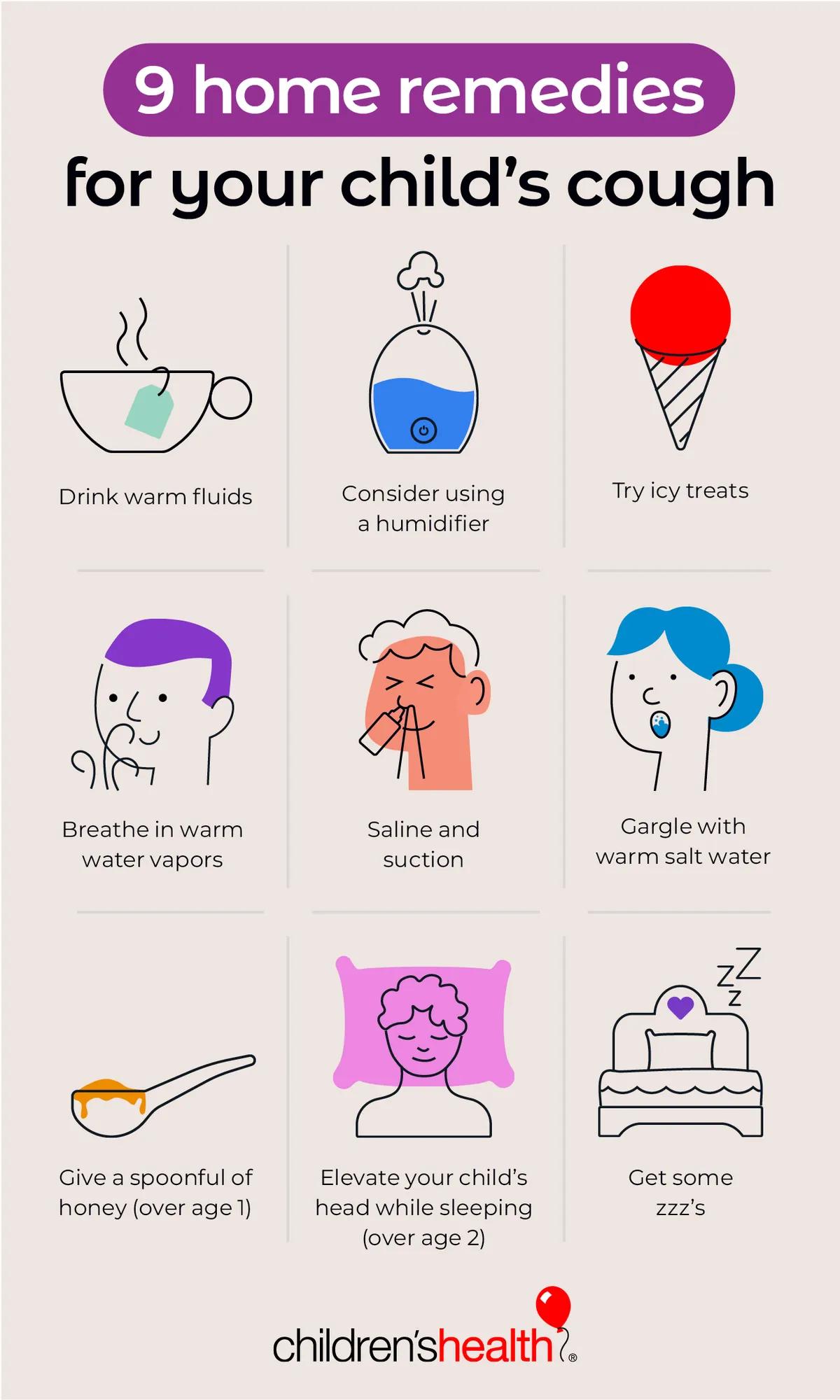
Comprehending Toddler Coughs
Why do little ones cough? A cough is just the body’s way of getting rid of stuff in the airway. It helps clear out things like snot or germs. For cold and cough symptoms toddlers get, a cough is very common. It usually means a cold or other simple sickness is happening. Most of the time, a toddler’s cough is not a big deal. You can help your child feel better at home with simple, gentle ways, also known as toddler cough remedies. But sometimes, a cough can mean something more serious. Knowing when to worry toddler cough is important. Also, giving safe cough medicine for toddlers is tricky; doctors often say it’s better not to use them for young children. Many parents look for natural cough relief toddler options first. This guide will help you learn safe ways to care for your toddler’s cough at home and know when to get help.
Why Toddlers Cough
A cough is a reflex. It is a sudden push of air from the lungs. This push helps clear the throat and airways. Toddlers cough for many reasons.
- Common Colds: This is the most frequent cause. Colds give toddlers a runny nose, maybe a low fever, and a cough. The cough can be dry at first, then become wet with mucus.
- Other Viruses: Lots of different viruses can cause coughs. Some might lead to croup, which has a barky cough. Others can cause bronchiolitis, a chest sickness that makes breathing hard.
- Allergies: Just like adults, toddlers can get allergies. Allergies can make their nose run and throat itchy, leading to a cough, often dry.
- Something Stuck: Sometimes a toddler might breathe in a small piece of food or a tiny toy part. This is dangerous and needs fast help.
- Irritants in the Air: Smoke, strong smells, or dust can make a toddler cough.
- Asthma: Some toddlers have asthma. This makes their airways swell up and get tight, causing coughing and wheezing (a high-pitched sound when breathing).
Most coughs in toddlers are from simple viruses like colds. These often get better on their own over time.
Different Kinds of Coughs
Coughs can sound different. The sound might give you a clue about the cause.
- Dry Cough: This cough doesn’t bring up mucus. It might sound like a tickle or a hack. A dry cough can happen at the start of a cold. It can also be from allergies or irritants. Toddler dry cough treatment home steps often focus on soothing the throat.
- Wet Cough: This cough brings up mucus or phlegm. It sounds chesty or gurgly. This happens when the body makes extra mucus to trap germs. A toddler wet cough with fever can sometimes mean a chest infection, but often it’s just part of a cold.
- Barky Cough: This sounds like a seal barking. It often means croup. Croup makes the voice box and windpipe swell. It is often worse at night.
- Wheezing Cough: This cough comes with a whistling sound when breathing out. This can be a sign of asthma or bronchiolitis. It means the small airways are narrowed.
- Whooping Cough: This is a very serious sickness. It causes fits of many coughs in a row, ending with a “whoop” sound when breathing in. Babies and young children need shots to prevent this. If you think your child has this, get help right away.
Knowing the sound of the cough helps, but the most important thing is how your child is acting and if they are having trouble breathing.
When to Be Concerned
Most toddler coughs get better on their own. But sometimes, a cough is a sign that you need to call a doctor or get help fast. Knowing when to worry toddler cough is key for parents.
Signs It’s Time to Call the Doctor
Look for these signs. They mean you should talk to a doctor.
- Trouble Breathing: This is the most important sign. Look for:
- Breathing much faster than usual.
- The skin between their ribs or at their neck pulling in with each breath (called retractions).
- Their nose opening wide when they breathe.
- Making grunting sounds when breathing.
- Their lips or face looking blue or grey.
- Wheezing (a whistling sound) when breathing out.
- They can’t speak or cry normally because they can’t catch their breath.
- High Fever: For toddlers, a fever is a temp above 100.4°F (38°C). A toddler wet cough with fever, especially a high one, can mean a bacterial infection like pneumonia.
- Cough That Sounds Bad or Starts Suddenly: A sudden, harsh, or barky cough (like croup) needs checking. A cough that starts right after eating or playing with small things could mean something is stuck.
- Cough That Won’t Go Away: A cough that lasts for more than 2-3 weeks should be checked by a doctor. It could be allergies, asthma, or something else.
- Cough Gets Worse: If the cough started mild but is getting much worse, call the doctor.
- Child Looks Very Sick: If your toddler is not playing, is very sleepy, isn’t eating or drinking much, or just looks “not right,” trust your gut and call the doctor.
- Cough in a Very Young Baby: If your baby is under 3 months old and has a cough, call the doctor right away. Coughs can be more serious in very young babies.
Don’t wait if you see these signs. Call your doctor’s office. If your child is having a lot of trouble breathing, call 911 or go to the nearest emergency room right away.
Gentle Home Comforts
When your toddler has a cough from a simple cold, you can help them feel better at home. These natural cough relief toddler steps won’t stop the cough completely, but they can make your child more comfortable. These are often the first things to try for toddler dry cough treatment home or even a wet cough.
Safe Ways to Help
Your goal is to ease the symptoms and support your child’s body as it fights the sickness.
- Keep them comfortable.
- Help them breathe easier.
- Make sure they get enough rest and fluids.
Let’s look at some simple things you can do.
Keeping Air Moist
Dry air can make a cough worse. Keeping the air moist can help calm the airways and loosen mucus.
- Use a Humidifier: A humidifier for toddler cough adds water vapor to the air. There are two main types:
- Cool Mist Humidifier: This is usually safer for a child’s room. There is no hot water involved, so no burn risk if it gets knocked over.
- Warm Mist Humidifier: This uses heat to make steam. It can feel very soothing, but it is a burn risk. If you use one, keep it far away from your toddler’s reach.
- How to Use It: Put the humidifier in your toddler’s room, but not right next to their bed. Run it while they are sleeping or playing in the room.
- Keep it Clean: This is very important! Humidifiers can grow mold and bacteria quickly. Clean it every day with soap and water, and follow the maker’s directions for deep cleaning. Using dirty water in a humidifier can make your child sicker.
Using a humidifier for toddler cough is a simple way to help them breathe more easily, especially at night.
Sweet Help (With Care)
Honey can be a good toddler cough remedy for some coughs. It coats the throat and can help calm a cough.
- Honey for Toddler Cough Age: This is super important: NEVER give honey to a baby younger than 1 year old. Honey can have germs that cause a rare but serious sickness called infant botulism in babies under one. Their bodies are not ready to fight these germs.
- For Toddlers 1 Year and Older: A small amount of honey can help.
- Give 1/2 teaspoon to 1 teaspoon of honey.
- You can give it straight from the spoon.
- Or mix it in a little warm water, warm milk, or herbal tea (like chamomile, check it’s safe for kids).
- Give it a few times a day, especially before bedtime.
- How it Helps: Honey seems to work as well as some cough medicines for calming coughs in older kids. It soothes the sore throat and might thin mucus a little.
Remember, honey for toddler cough age is ONLY for kids ages 1 and up. It’s a simple, natural option when used correctly.
Simple Sips
Making sure your toddler drinks enough is always important when they are sick. Fluids help keep them hydrated and can also help thin mucus.
- Water: The best choice. Offer sips often.
- Warm Liquids: For toddlers over 1, warm liquids can be very soothing.
- Warm water with a little honey (if over 1).
- Clear broth (like chicken soup broth).
- Warm milk might feel good to some toddlers.
- Avoid: Sugary juices or fizzy drinks. They don’t hydrate as well and can sometimes upset tummies.
Drinking plenty of fluids helps with many cold and cough symptoms toddlers have. It keeps the body working well to fight the sickness.
Steam Power
Putting your toddler in a steamy room can also help loosen chest and nasal congestion. This makes it easier to cough up mucus.
- How to Use Steam:
- Close the bathroom door and turn on the hot shower or bath water. Let the room fill with steam.
- Sit in the steamy bathroom with your toddler for 10-15 minutes. Do not put your child in the hot water itself.
- Bring books or toys to make it a calm time.
- When to Use It: This can be helpful before bedtime to ease a toddler cough at night treatment. It can also help loosen a toddler wet cough with fever.
Be careful that the room doesn’t get too hot or stuffy. If your child seems uncomfortable, stop.
Clear Passages
A stuffy nose often goes with a cough. Cleaning out the nose can help reduce post-nasal drip (mucus running down the back of the throat), which can trigger a cough.
- Saline Drops or Spray: You can buy simple salt water (saline) drops or spray for babies and toddlers.
- Lay your toddler down.
- Put a few drops in each nostril.
- Wait a few seconds.
- The saline helps loosen the mucus.
- Bulb Syringe or Nasal Aspirator: After using saline, you can use a small bulb syringe or a special nasal aspirator (like a NoseFrida) to gently suck out the mucus.
- This can be hard with a wiggly toddler, but it helps a lot!
- Do this before feeding or sleep if possible.
Clearing the nose is a good natural cough relief toddler step that helps with the source of some coughs.
Head Up
Raising your toddler’s head slightly can help them breathe easier and might reduce coughing, especially at night.
- How to Do It Safely:
- For toddlers sleeping in a crib, do NOT use pillows. Pillows are not safe for toddlers in cribs as they can be a suffocation risk.
- Instead, place towels or a firm foam wedge underneath the mattress at the head of the crib. This lifts the whole mattress slightly on one end.
- For toddlers sleeping in a bed, you can use one small, firm pillow if they are past the age when their doctor says pillows are safe for them (usually around age 2 or older, check with your doctor).
- For toddlers who refuse to lie down, letting them sleep sitting up or propped in a safe place like a recliner (with you watching) might help, but watch them carefully to make sure they don’t slump over. Sleeping flat can make a cough worse due to mucus pooling.
Elevating the head is a simple toddler cough at night treatment trick.
Rest is Best
Sleep helps the body heal. A coughing toddler might have trouble sleeping, which makes everything worse.
- Create a Calm Space: Keep their room quiet, dark, and cool. Use a humidifier for toddler cough to make the air moist.
- Follow Routine: Stick to their normal bedtime routine as much as possible. This helps them feel safe and calm.
- Don’t Push Activities: Let them rest when they need to. It’s okay if they are less active while they are sick.
Good rest is a powerful toddler cough remedy.
Food and Drink Tips
When a toddler is sick, their appetite might be low. Don’t force them to eat if they don’t want to. Getting enough liquids is more important than eating solid food for a few days.
- Offer Small, Frequent Meals: If they are hungry, offer small amounts of easy-to-eat foods.
- Warm Broth or Soup: These can be soothing and provide fluids and some nutrients.
- Ice Pops: These can help soothe a sore throat and get fluids into them. Look for ones made from real fruit juice or just water.
- Avoid Irritants: Some foods might make coughing worse for some kids, like dairy if they are very congested (though this is not true for everyone) or spicy foods. Pay attention to what seems to bother your child.
Focus on hydration and letting your child eat what they feel like eating.
Easing Coughs at Night
A cough always seems worse at night. Lying flat lets mucus settle in the back of the throat, triggering more coughing. Toddler cough at night treatment focuses on making sleep as smooth as possible.
Making Nights Better
Use the home comfort steps you learned earlier, especially before bedtime.
- Humidifier: Turn on the humidifier for toddler cough in their room before they go to sleep. Keep it running all night. Make sure it’s clean.
- Head Up: Safely raise the head of their bed or mattress as described before.
- Fluids: Offer warm liquids (like water with honey if over 1) shortly before bed to soothe the throat. Keep water nearby if they can drink on their own.
- Steam: A steamy bathroom session right before the bedtime routine can help loosen congestion and calm the cough for a while.
- Saline and Suction: Clear their nose right before putting them down. This is often the most helpful step for night coughs caused by post-nasal drip.
- Comfort and Reassurance: Being sick is scary for a toddler. If they wake up coughing, go to them. Offer comfort, a sip of water, and help them get back to sleep. Your calm presence helps them feel safe.
Combining these steps can greatly improve toddler cough at night treatment and help everyone get more rest.
Thinking About Medicine
Parents often ask about giving cough and cold medicine to toddlers. It seems like it should help, but it’s important to know why doctors usually advise against it.
Why Doctors Often Say No
Over-the-counter (OTC) cough and cold medicines for toddlers are generally not recommended.
- They Don’t Work Well: Studies show these medicines often don’t help coughs in young children.
- They Can Be Harmful: They can cause serious side effects in toddlers, like making them sleepy, dizzy, or even causing fast heartbeats or fits.
- Risk of Too Much: It’s easy to give too much medicine by mistake.
- Masking Signs: Medicine might hide signs of a more serious problem, making it harder to know when to worry toddler cough.
- Combination Medicines: Many cold medicines have several drugs mixed together. It’s hard to know exactly what your child is getting and what dose is safe.
Because they don’t work well and have risks, the risks often outweigh any small benefit for toddlers. The American Academy of Pediatrics (AAP) and other health experts advise against using these medicines for children under age 4, and sometimes older.
So, when thinking about safe cough medicine for toddlers, the safest approach is often no medicine unless the doctor says so for a specific reason.
When Medicine Might Be Needed (Doctor Only)
There are some times a doctor might prescribe medicine for a toddler’s cough, but this is based on finding a specific cause, not just giving cough syrup for a cold.
- Infection: If your toddler has a bacterial infection (like pneumonia or a sinus infection), the doctor might prescribe an antibiotic. Antibiotics treat bacteria, not viruses (like colds). They won’t help a cough caused by a virus. A doctor must diagnose a bacterial infection to prescribe antibiotics.
- Asthma or Allergies: If a cough is caused by asthma or allergies, the doctor might prescribe medicines like inhalers or allergy medicine. These target the root cause (airway swelling or allergic reaction), not just the cough itself.
- Croup: In some cases of croup, a doctor might give a steroid medicine to reduce swelling in the airways.
These medicines are prescribed by a doctor for a specific illness after they have examined your child. They are not general safe cough medicine for toddlers to use for every cough. Always talk to your doctor before giving any medicine to your toddler for a cough or cold. Stick to the home care steps for simple coughs.
Putting It All Together: Home Care Steps
Dealing with a toddler’s cough can feel hard, especially when they are uncomfortable. But simple home care steps can make a big difference. These toddler cough remedies are often the best first line of defense.
Daily Actions
Here’s a look at how to put the home care tips into practice for toddler dry cough treatment home or helping with a wet cough:
- Make the Air Moist: Use a clean humidifier for toddler cough, especially at night.
- Offer Lots to Drink: Keep giving water, and warm clear liquids (for kids over 1).
- Soothe the Throat (if over 1): Give honey (1/2-1 tsp) or warm drinks with honey.
- Clear the Nose: Use saline drops or spray and gentle suction often, especially before feeding and sleeping.
- Use Steam: Sit in a steamy bathroom for 10-15 minutes to help loosen mucus.
- Help Them Rest: Make their sleep space comfortable. Safely raise the head of the bed.
- Give Comfort: Toddlers need extra cuddles and patience when they don’t feel well.
These steps work together to ease the cold and cough symptoms toddlers have.
Here’s a quick look at home care versus medicine:
| Home Care Steps (Natural Relief) | Safe Cough Medicine (OTC) for Toddlers |
|---|---|
| Pros: | Pros: |
| – Gentle and safe for young children. | – May help adults feel better (but not toddlers). |
| – Address comfort and body’s natural healing. | – Prescription medicine targets specific sicknesses (like antibiotics for bacterial infections), but only when diagnosed by a doctor. |
| – Help loosen mucus (steam, fluids, humidifier). | |
| – Soothe sore throats (honey, warm liquids). | |
| – Hydrate the child. | |
| – Few or no side effects when done safely. | |
| Cons: | Cons: |
| – Don’t stop the cough completely. | – Often don’t work for toddler coughs. |
| – May not help with serious underlying causes. | – Can have serious side effects in toddlers. |
| – Require time and effort from the parent. | – Risk of accidental overdose. |
| – Can hide signs of more serious problems. | |
| – Generally not recommended for toddlers by doctors. |
This table shows why natural cough relief toddler methods are the first and main choice for most coughs.
Avoiding Future Coughs (Where Possible)
You can’t stop every cough, but you can take steps to help keep your toddler healthy and reduce how often they get sick.
Simple Prevention Steps
These actions help prevent the spread of germs that cause coughs and colds:
- Wash Hands Often: Teach your toddler to wash their hands with soap and water for at least 20 seconds. Do it often, especially after playing, before eating, and after coughing or sneezing. Wash your hands often too!
- Avoid Sick People: Try to keep your toddler away from people who are coughing or sneezing. This is hard, but it helps.
- Clean Things: Clean toys, doorknobs, and other things that lots of people touch. Use simple soap and water or child-safe cleaners.
- Teach Cough Etiquette: Teach your toddler to cough or sneeze into their elbow or a tissue, not into their hands.
- Get Shots: Make sure your toddler gets all their needed shots. Shots protect them from many serious sicknesses, like whooping cough and the flu, that can cause bad coughs.
- Healthy Habits: Make sure they eat healthy foods, get enough sleep, and are active. A strong body fights germs better.
Taking these steps can help reduce the number of times your toddler gets cold and cough symptoms toddlers often catch.
Answers to Common Questions
Here are some common things parents ask about toddler coughs.
FAQs
H4: Can I use chest rubs or vapor rubs on my toddler?
Be very careful with these. Products with strong smells like menthol or eucalyptus are not safe for babies and young toddlers. Putting them on the chest or under the nose can actually make breathing harder for young children. Some products are made for older kids, but it’s best to ask your doctor before using any rub on your toddler. Stick to humidifiers and saline.
H4: How long should a toddler cough last?
A cough from a cold can last for 1-3 weeks, sometimes even longer. The worst part is usually in the first few days, but a cough can linger. If the cough lasts more than 3 weeks, gets much worse, or comes with any when to worry toddler cough signs, see the doctor.
H4: Does a runny nose cause a cough?
Yes, often! Mucus from the nose can drip down the back of the throat (post-nasal drip). This tickles the throat and makes a toddler cough, especially when they are lying down (toddler cough at night treatment is often helped by clearing the nose). Clearing the nose can help the cough. Cold and cough symptoms toddlers usually have include both.
H4: Is a wet cough worse than a dry cough?
Not always. A wet cough just means the body is making mucus to trap germs. A dry cough can be just as bothersome. The sound of the cough is less important than how the child is acting and if they can breathe okay. A toddler wet cough with fever might be more concerning and should be watched closely or checked by a doctor if the fever is high or they seem very sick.
H4: Should I give my toddler honey right before bed?
Yes, giving honey (if they are over 1 year old) right before bedtime can help coat the throat and soothe the cough, which might lead to better sleep. Follow the age rule carefully: honey for toddler cough age must be 1 year or older.
H4: What about essential oils?
Using essential oils like eucalyptus or peppermint in a diffuser around toddlers is often not safe. They can irritate airways and cause problems. It’s best to avoid using them for coughs or colds in toddlers unless specifically told to by a doctor with knowledge of safe pediatric use. Stick to clean steam or saline.
Remember, you know your child best. If you are ever worried about their cough or how they are breathing, call your doctor. They are there to help you know when to worry toddler cough and what steps are best for your child. Using gentle, natural cough relief toddler methods first is a safe and helpful way to care for most toddler coughs.