
Can you wash football cleats in a washing machine? While some might consider it a quick fix, it’s generally not the best way to clean football cleats for a deep clean and odor control, and can even damage your footwear. This guide will walk you through the most effective methods for cleaning football cleats to keep them in top condition. Properly cleaning football cleats not only extends their lifespan but also helps prevent unpleasant odors and potential skin irritations. We’ll cover everything from removing stubborn dirt to tackling tough stains and ensuring your boots are fresh and ready for the next game.
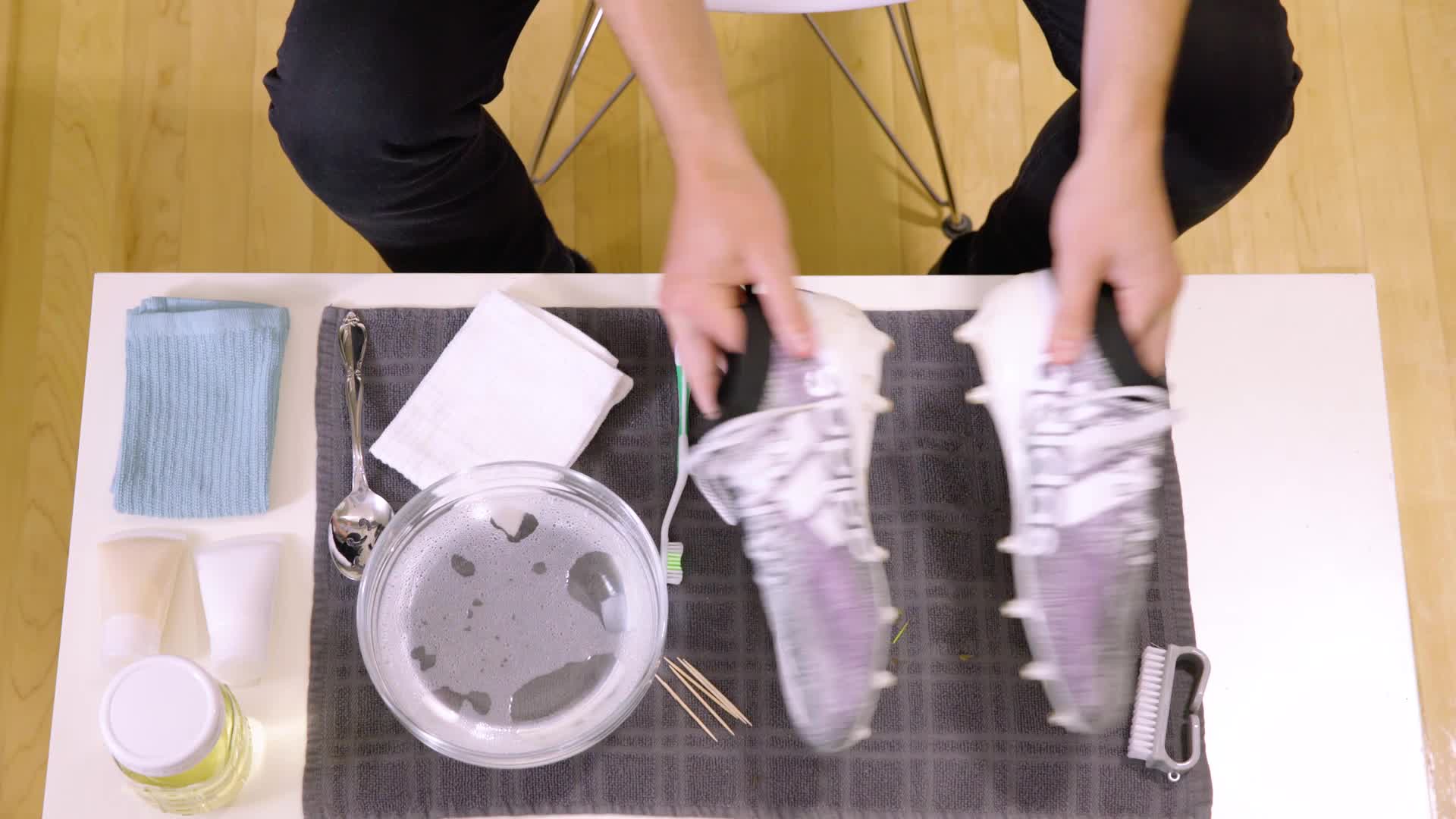
Image Source: brand.assets.adidas.com
The Importance of Regular Boot Cleaning
Football is a sport played on often damp and muddy fields. This means your cleats are constantly exposed to dirt, grass stains, sweat, and grime. Neglecting your football boot maintenance can lead to several problems:
- Odor Build-up: Sweat and moisture trapped inside your cleats create a breeding ground for bacteria, resulting in persistent and unpleasant odors. This is a major reason why good sports shoe care is vital.
- Material Degradation: Dirt and mud can work their way into the stitching and materials of your cleats, causing them to wear down faster. This can affect the shoe’s structure and your comfort.
- Reduced Performance: Caked-on mud and debris can make your cleats heavier and less flexible, potentially impacting your grip and agility on the field.
- Hygiene Issues: Unclean cleats can harbor bacteria that might lead to foot fungus or other skin irritations.
Therefore, consistent cleaning is essential for effective football boot maintenance and overall sports shoe care.
Gathering Your Cleaning Supplies
Before you start cleaning football cleats, having the right tools makes the job much easier and more effective. Here’s a list of what you’ll need for a thorough boot cleaning:
- Soft Brush or Old Toothbrush: Ideal for scrubbing away dirt and debris from the surface and crevices.
- Stiff Brush (optional): For tougher grime on the soles and studs.
- Mild Soap or Detergent: Dish soap or a gentle laundry detergent works well. Avoid harsh chemicals.
- Bucket or Basin: For mixing your cleaning solution and rinsing.
- Clean Cloths or Towels: For wiping down and drying your cleats.
- Shoe Trees (optional): Helps maintain the shape of the cleats while drying.
- Baking Soda or Activated Charcoal Sachets: For odor control.
- Newspaper (optional): To help absorb moisture during drying.
- Water: Cool or lukewarm water is best.
Step-by-Step Guide to Cleaning Football Cleats
Let’s get down to the process of cleaning football cleats. This method focuses on removing dirt and controlling odor for the best results.
Step 1: Initial Dirt Removal
The first step in cleaning football cleats is to remove as much loose dirt and mud as possible before introducing water.
- Tap Them Together: Gently tap the soles of the cleats together outside to dislodge clumps of mud.
- Brush Off Dry Dirt: Use a dry, soft brush to sweep away any remaining loose dirt, grass, and debris from the uppers, soles, and studs. Pay close attention to the nooks and crannies. This is a crucial part of removing dirt from cleats effectively.
Step 2: Cleaning the Uppers and Laces
The uppers of your cleats can be made from various materials like leather, synthetic leather, or mesh.
- Prepare Cleaning Solution: Fill a bucket or basin with cool or lukewarm water and add a small amount of mild soap. You don’t need a lot of suds.
- Scrub the Uppers: Dip your soft brush or toothbrush into the soapy water. Gently scrub the uppers of the cleats in a circular motion. Work on one cleat at a time. Be thorough but avoid excessive scrubbing, which could damage the material.
- Clean the Laces: Remove the laces from your cleats. You can wash them separately by hand in the soapy water or place them in a mesh laundry bag and wash them with your regular laundry. Ensure they are clean before re-lacing.
- Wipe Down: Use a clean, damp cloth to wipe away the soap residue from the uppers. You might need to rinse the cloth and repeat this a few times to ensure all soap is gone.
Step 3: Tackling the Soles and Studs
This is where the majority of the dirt and grime accumulates, especially when dealing with removing dirt from cleats after a muddy game.
- Scrub the Soles: Use your soft brush (or a slightly stiffer one if needed) with the soapy water to scrub the soles and studs thoroughly. Make sure to get into all the grooves and around each stud. This is a key part of deep cleaning football boots.
- Stubborn Grime: For very stubborn mud or grass stuck to the studs, you can use a toothbrush or even a small, pointed object (like a dull screwdriver or toothpick) carefully to pick it out. Be gentle to avoid damaging the studs.
- Rinse the Soles: Rinse the soles under running water to wash away the loosened dirt and soap.
Step 4: Dealing with Stains and Odors
Even after basic cleaning, you might have lingering stains or odors. Here’s how to address them.
Removing Grass Stains
Grass stains can be particularly stubborn.
- Vinegar Solution: Mix a solution of equal parts white vinegar and water.
- Spot Treatment: Dip a cloth or toothbrush into the vinegar solution and gently rub the grass stains.
- Rinse: Wipe the area clean with a damp cloth.
Mildew Removal Cleats
If you notice any signs of mildew, it’s important to address it promptly for mildew removal cleats.
- Vinegar Power: The vinegar solution mentioned above is also effective against mildew. The acidity of vinegar helps kill mold and mildew spores.
- Sunlight: After cleaning, letting your cleats air dry in direct sunlight can also help kill any remaining mildew and naturally deodorize them.
Odor Control Sports Shoes
This is a crucial aspect of sports shoe care.
- Baking Soda: Sprinkle a generous amount of baking soda inside each cleat. Let it sit overnight or for at least a few hours. The baking soda absorbs moisture and neutralizes odors.
- Activated Charcoal Sachets: Place activated charcoal sachets inside your cleats when they are not in use. These are excellent for long-term odor control sports shoes.
- Tea Bags: Dry, unused tea bags can also be placed inside cleats overnight to absorb odors.
Step 5: Rinsing and Final Wipe Down
Thorough rinsing is vital to remove all soap residue, which can damage materials over time.
- Gentle Rinse: Use a clean, damp cloth to wipe down the entire exterior of the cleats, ensuring no soap remains.
- Avoid Soaking: It’s generally best to avoid fully submerging your cleats in water, especially if they have leather components or glued seams, as this can weaken the adhesive. If you do need to rinse thoroughly, do so quickly and avoid excessive soaking.
Drying Football Cleats Properly
Correct drying is just as important as cleaning to prevent damage and mold growth. This is where learning about drying football cleats comes into play.
Step 6: The Drying Process
- Pat Dry: Use a dry towel to pat down the exterior and interior of the cleats as much as possible to remove excess moisture.
- Stuff with Newspaper or Paper Towels: Loosely stuff the inside of each cleat with crumpled newspaper or paper towels. These will help absorb internal moisture and maintain the shoe’s shape. Change the paper if it becomes saturated.
- Air Dry: Place your cleats in a well-ventilated area, away from direct heat sources like radiators or hairdryers, as excessive heat can damage the materials and adhesives. Letting them air dry naturally is the best approach for drying football cleats.
- Use Shoe Trees (Optional): If you have shoe trees, insert them into the cleats. They help absorb moisture and maintain the shoe’s shape, which is excellent for football boot maintenance.
- Avoid the Washing Machine: Never put your cleats in a clothes dryer. The intense heat can warp plastic studs, melt glue, and shrink materials.
Advanced Cleaning Techniques & Tips
For those looking for an even deeper clean or facing specific issues, consider these additional tips for cleaning football cleats.
H4: Deep Cleaning Football Boots: When to Be Extra Careful
When you’re aiming for a deep cleaning football boots experience, especially for higher-end or delicate materials, extra care is needed.
- Leather Care: If your cleats are made of real leather, use a specialized leather cleaner. After cleaning and drying, consider applying a leather conditioner to keep the material supple and prevent cracking. This is a vital part of sports shoe care for leather boots.
- Synthetic Materials: Synthetic materials are generally more resilient. Mild soap and water are usually sufficient.
H4: The Best Way to Clean Soccer Cleats
While the principles are similar, the best way to clean soccer cleats might involve slightly different considerations due to stud design and material variations. The methods described above are largely applicable, but always check the manufacturer’s recommendations for your specific model.
H4: When to Seek Professional Help
If your cleats are heavily soiled, have significant damage, or are made of very delicate materials, you might consider a professional shoe cleaning service. They have specialized tools and cleaning agents for all types of footwear.
How Often Should You Clean Your Football Cleats?
The frequency of cleaning football cleats depends on how often you play and the conditions you play in.
- After Every Game/Practice: A quick wipe-down and airing out is recommended, especially after playing in wet or muddy conditions. This helps prevent dirt build-up and initial odor development.
- Deep Clean: Aim for a thorough cleaning (as described above) every few weeks, or more often if you notice significant dirt, odor, or staining.
- Pre-Season/Post-Season: A deep clean at the beginning and end of the season is a good practice for football boot maintenance.
Table: Cleaning Schedule for Your Cleats
| Frequency | Action | Purpose |
|---|---|---|
| After Each Use | Tap off loose dirt, wipe down with a dry cloth, air out | Prevent build-up, initial odor control |
| Every 2-3 Weeks | Thorough cleaning with soap and water, dry thoroughly, use odor absorbers if needed | Maintain condition, deep clean, ongoing odor control |
| At Season’s Start | Deep clean, inspect for wear and tear, condition leather (if applicable) | Prepare for play, identify repair needs |
| At Season’s End | Deep clean, thoroughly dry, store properly with odor absorbers | Preserve condition, prevent damage during off-season |
Common Mistakes to Avoid
When cleaning football cleats, some common errors can actually harm your footwear.
- Using a Washing Machine/Dryer: As mentioned, this is a big no-no. The agitation and heat can cause irreversible damage.
- Using Harsh Chemicals: Bleach, strong solvents, or abrasive cleaners can degrade the materials and adhesives.
- Soaking Cleats for Too Long: Prolonged immersion in water can weaken glues and weaken leather.
- Drying Near Heat Sources: Direct heat can warp plastic parts, shrink materials, and damage the shoe’s structure.
- Not Cleaning Laces: Dirty laces contribute to overall odor and appearance.
Frequently Asked Questions (FAQ)
Q1: Can I use baby wipes to clean my football cleats?
A1: Baby wipes can be useful for quick spot cleaning of light dirt on the surface, but they are not a substitute for a proper wash. They won’t effectively remove embedded dirt or control odors.
Q2: How do I get rid of that persistent football cleat smell?
A2: For persistent odors, combine thorough cleaning with odor-absorbing methods. Baking soda, activated charcoal, or cedar shoe trees are excellent for ongoing odor control sports shoes. Ensure your cleats are completely dry after cleaning, as moisture fuels odor-causing bacteria.
Q3: My cleats have white marks on them after drying. What is that?
A3: These white marks are often salt deposits from sweat or residue from cleaning agents. You can usually remove them by gently wiping the cleats with a slightly damp cloth. If it’s salt, a mild solution of diluted vinegar might help.
Q4: Are there specific cleaning products for football cleats?
A4: While specialized sports shoe cleaners exist, a mild soap (like dish soap or gentle laundry detergent) mixed with water is usually sufficient for cleaning football cleats. For leather cleats, a dedicated leather cleaner and conditioner is recommended.
Q5: How can I clean the inside of my football cleats?
A5: After removing laces, you can use a damp cloth with a little soapy water to gently wipe the inside. For stubborn odors or dirt inside, sprinkle baking soda and let it sit for a few hours or overnight before brushing it out. Ensure good ventilation for drying.
Q6: What’s the best way to clean white football cleats?
A6: White football cleats require extra care to keep them looking pristine. Use a soft brush and a mild soap solution. For tough stains, a paste of baking soda and water can be applied as a gentle whitener. Always test any whitening agent on an inconspicuous area first. Thorough drying away from direct sunlight will help prevent yellowing.
By following these steps and tips for cleaning football cleats, you can ensure your footwear remains in excellent condition, providing comfort, performance, and hygiene for every game and practice. Proper football boot maintenance is an investment in your athletic performance and the longevity of your gear.