
Weaning a toddler from breastfeeding is a big step for both child and parent. It is a process that needs gentleness, patience, and good timing. The best way to wean a toddler from breastfeeding often involves a slow, kind approach. This allows both the child and the parent to adjust. It helps avoid big upsets and keeps the bond strong. Gentle toddler weaning techniques are key here. This guide will help you through this journey.
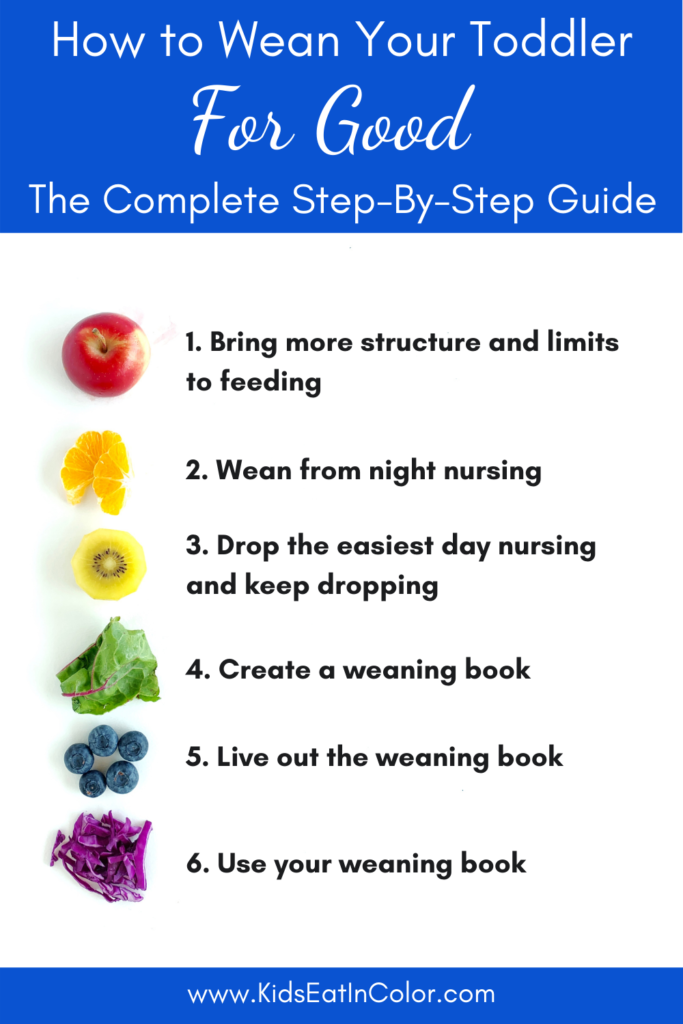
Image Source: kidseatincolor.com
Why Wean a Toddler?
Deciding when to stop breastfeeding is a personal choice. There are many reasons why parents choose to wean their toddlers. These reasons can be different for everyone.
Parent’s Readiness
Sometimes, the parent feels ready to stop. This might be due to physical needs. It could be due to feeling tired or worn out. Some parents need to take certain medicines that are not safe with breastfeeding. Others might be ready for more body freedom. Wanting to try for another baby can also be a reason. It is okay for a parent to feel it is time to stop. Your feelings matter a lot in this process.
Toddler’s Readiness
Some toddlers show signs they are ready to wean. They might breastfeed less often. They might be easily distracted during a feed. They may even push away the breast themselves. However, many toddlers are not ready to stop on their own. They might love breastfeeding for comfort and food. In these cases, the parent will guide the weaning. This is common, and it is perfectly fine.
Benefits of Weaning
Ending breastfeeding can bring new freedoms. For the parent, it can mean more sleep or flexibility. You might feel more energetic. You might feel less tied down. For the toddler, it can mean more eating of solid foods. It can also mean learning new ways to get comfort. Weaning helps toddlers gain more independence. It teaches them to find comfort in other ways. This builds their coping skills.
Deciphering the Weaning Process: Gentle Methods
The best way to wean a toddler is slowly. This is known as gradual cessation of breastfeeding. It helps avoid pain for the parent. It also lessens big emotional upsets for the child. Quick weaning can be tough on everyone. It can cause engorgement for the parent. It can cause distress for the toddler.
The Gradual Approach
This approach takes time. It often means dropping one feeding session at a time. This gives the parent’s body time to make less milk. It gives the toddler time to adjust.
One Feeding at a Time
Pick the feeding your toddler seems least interested in. Or pick the one that is easiest for you to remove. For example, a morning feed might be easier than a bedtime feed. Wait a few days, or even a week, before dropping another feed. This slow pace is kinder to your body. It is also kinder to your toddler’s feelings.
Shorten Feeding Times
You do not have to stop a feed completely at first. You can make it shorter. If your toddler usually feeds for ten minutes, try five. Over time, make the session even shorter. This helps your toddler get used to less nursing. It also helps your body make less milk slowly.
Delay and Distract
This is a key part of gentle toddler weaning techniques. When your toddler asks to nurse, try to delay them first. Say something like, “Yes, in a little bit, after we finish this game.” Or, “Let’s read this book first, then we can have milk.” Once you delay, then offer a distraction.
* Offer a fun activity: Suggest going to the park, playing with a favorite toy, or starting a new craft.
* Give a healthy snack: A tasty snack can often take their mind off nursing.
* Offer a drink: A cup of water, juice, or milk can sometimes satisfy their thirst.
* Change the scenery: If you are at home, suggest going outside. If you are outside, suggest going to a new place.
* Engage in conversation: Talk about something exciting or ask them questions about their day.
This method works well for tips for stopping daytime nursing. It helps your toddler learn to get comfort and joy from other things.
Communicating with Your Toddler
Even young toddlers can understand some words. Talk to them about weaning. Use simple words. “No more milk, but we can have a hug.” Or, “Big boys/girls don’t drink milk from mommy, but we can have milk from a cup.” Make sure they know you still love them very much. Tell them you will give them lots of cuddles. This helps with the emotional impact of weaning on toddlers.
Strategies for Daytime Nursing
Daytime nursing often happens out of habit or boredom. By changing routines, you can gently reduce these feeds.
Offer Other Drinks
Before your toddler asks to nurse, offer them a cup of water or milk. Having a cup ready can help. Make it a fun cup. Let them pick it out. This makes it a positive choice.
Active Play and New Activities
Keep your toddler busy during the day. If they are often nursing while sitting, change your routine. Go for a walk. Play in the yard. Start a puzzle. The more engaged they are, the less they might think about nursing. This is a great way to replace nursing with other comforting routines.
“Don’t Offer, Don’t Refuse”
This is a popular method. It means you do not offer the breast. But if your toddler asks for it, you do not refuse it either. You use delay and distract first. If that does not work, you can offer a very short feed. This is for gentle weaning. It respects your toddler’s needs while guiding them to less nursing. Over time, you will find they ask less often.
Navigating Night Weaning
Night weaning can be the hardest part for many families. Toddlers often nurse for comfort and sleep at night. Night weaning strategies for toddlers need extra patience.
Gradual Reduction at Night
Start by shortening night feeds. If your toddler nurses for 15 minutes, try 10, then 5. If they wake often, try to reduce one feeding at a time. For example, if they wake three times, try to stop the first wake-up feed. Then, after a few nights, stop the second.
Parental Support at Night
Your partner can be a huge help here. If your toddler wakes and asks for milk, your partner can go to them first. They can offer cuddles, patting, or singing. This breaks the link between waking up and nursing. It helps your toddler learn to be comforted by someone else. This is especially good for weaning a high-need toddler.
Dream Feeds
A dream feed is when you gently wake your baby to nurse right before you go to bed. This is usually around 10 or 11 PM. The idea is that they will get enough milk to sleep longer. This can help reduce middle-of-the-night wake-ups for nursing. This might not work for all toddlers, especially if they are light sleepers. But it is worth trying.
Changing Sleep Associations
Many toddlers associate nursing with falling asleep. To break this, try to nurse them before bed. Nurse them in the living room, not the bedroom. Then, do other parts of the bedtime routine. Read a book, sing a song, or have a bath. Put them in bed while they are sleepy but still awake. This helps them learn to fall asleep without the breast. Replacing nursing with other comforting routines is vital here.
Tackling Challenges: Engorgement & Tantrums
Weaning can bring some challenges. Dealing with your body’s changes and your toddler’s feelings needs careful handling.
Managing Engorgement While Weaning
When you reduce feeds, your breasts might get full and hard. This is called engorgement. It can be painful. Slow weaning helps prevent this. But it can still happen.
Cold Compresses and Cabbage Leaves
Applying cold compresses can help. You can use gel packs or a bag of frozen peas wrapped in a cloth. Place them on your breasts. This helps reduce swelling and pain. Some people find relief from fresh, clean cabbage leaves. Place them inside your bra, directly on your skin. The coolness and natural properties of cabbage leaves may help reduce inflammation. Change them when they wilt.
Hand Expression or Brief Pumping
If your breasts are very full and painful, you can release a little milk. Do not empty your breasts fully. Just take out enough milk to feel comfortable. Hand expressing a little milk is often best. If you pump, pump only for a minute or two. Pumping too much will tell your body to make more milk. The goal is to reduce milk supply.
Pain Relief
Over-the-counter pain relievers can help with discomfort. Talk to your doctor if you are unsure which ones are safe for you. Wear a supportive bra that is not too tight. A tight bra can sometimes make engorgement worse. If you notice any red streaks, fever, or feel unwell, call your doctor. These could be signs of a blocked duct or an infection.
Dealing with Toddler Breastfeeding Tantrums
Toddlers can have strong feelings. Weaning can bring out big emotions. They might cry, shout, or even hit. This is normal behavior for toddlers who are upset. Dealing with toddler breastfeeding tantrums needs patience and firmness.
Stay Calm and Firm
It is hard to stay calm when your toddler is having a meltdown. But try to keep your voice steady. Do not give in to the tantrum. If you give in, your toddler learns that tantrums get them what they want. Gently repeat, “No milk now, but we can do [comfort alternative].”
Acknowledge Feelings
Saying, “I see you are sad/angry that we can’t have milk now,” can help. This shows your toddler you understand their feelings. It does not mean you will change your mind. It helps them feel heard.
Offer Comfort
After acknowledging their feelings, offer a different comfort. “Let’s have a big hug instead,” or “Would you like to read your favorite book?” Physical closeness is very important during weaning. It helps to replace the comfort of nursing.
Stick to Your Plan
Consistency is key. If you decide to stop a certain feed, stick to it. Toddlers learn through repetition. If you sometimes give in, they will keep trying. It might take a few days or weeks for them to accept the change.
Fostering Comfort: Alternatives to Breastfeeding
Breastfeeding is more than just food for a toddler. It is comfort, security, and a way to connect. When you wean, you need to offer other ways to get these things. Replacing nursing with other comforting routines is vital for a smooth process.
Physical Closeness
Hugs, cuddles, and snuggling are important. Spend time sitting close. Let your toddler sit on your lap. Give them lots of kisses. This helps them feel loved and safe. Even without nursing, your closeness builds their security.
Reading and Stories
Story time is a great way to bond. It is calm and quiet. Sit together and read books. Make it a special time. This can become a new comfort routine.
Singing and Music
Singing lullabies or favorite songs can be very soothing. Gentle music can also help create a calm space. This can be especially good before naps or bedtime.
Special Toys or Blankets
Some toddlers find comfort in a favorite stuffed animal or a soft blanket. Encourage this. These items can become their new comfort objects. They can hold them when they feel sad or tired.
Snacks and Drinks
Offer healthy snacks and drinks often. This helps make sure your toddler is getting enough food and liquids. Sometimes, a toddler just wants something in their mouth. A chewy snack or a sip of water can help.
Addressing the Emotional Impact
Weaning is a big emotional event. It affects both the toddler and the parent. Being aware of these feelings can help you handle them better. This is the emotional impact of weaning on toddlers and parents.
For the Toddler
Toddlers might show their feelings in different ways.
Sadness or Anger
Your toddler might cry more often. They might seem sad or withdrawn. They might also show more anger or frustration. These are normal reactions to a big change. Give them space to feel these emotions. Be there to comfort them.
More Clingy
Some toddlers become more clingy during weaning. They might want more hugs. They might follow you around. This is their way of seeking reassurance. They want to know you are still there for them. Give them extra attention and reassurance.
Sleep Changes
Weaning can impact sleep. Your toddler might wake more often at night. They might have trouble falling asleep. Be patient and consistent with new bedtime routines. Offer comfort in other ways.
For the Parent
Weaning also affects the parent. It is okay to feel a mix of emotions.
Sadness or Relief
You might feel sad about the end of your breastfeeding journey. This is a special bond. It is okay to mourn it. You might also feel a great sense of relief. Relief from physical demands or time commitments is common. Both feelings are normal and valid.
Hormonal Shifts
When you stop breastfeeding, your body’s hormone levels change. This can make you feel moody or low. It is similar to postpartum hormone changes. These feelings usually pass as your body adjusts. If you feel very sad or think you might have depression, talk to your doctor.
Specific Needs: Weaning a High-Need Toddler
Weaning a high-need toddler can be extra challenging. These toddlers often rely on breastfeeding a lot for comfort, sleep, and food. They might be very sensitive to changes. Weaning a high-need toddler requires even more patience and a slower pace.
More Patience
You will need to have a lot of patience. This process might take longer than you expect. Do not rush it. Every step forward is a win, no matter how small.
Extra Comfort
High-need toddlers will need extra comfort. This means more hugs, more lap time, and more physical closeness. They need to feel safe and loved even without nursing. Spend extra one-on-one time doing things they love.
Involve the Partner
Your partner’s role is even more crucial. They can take over bedtime routines. They can offer comfort during night wake-ups. This helps break the nursing link. It also strengthens their bond with your toddler.
Smallest Steps
Break the weaning process into tiny, tiny steps. Maybe just shorten a feed by one minute. Or drop a feed only every few weeks. Do not try to do too much too soon. For a high-need toddler, even small changes can feel big.
A Weaning Plan: Steps to Success
Having a general plan can help guide you. Remember, this is just a guide. Adjust it based on your toddler’s needs and your comfort.
A Gentle Weaning Schedule Example
Here is an example of how you might gradually reduce feeds over several weeks.
| Week | Morning Feed (Wake-up) | Daytime Feeds (10 AM, 2 PM) | Evening Feed (Pre-Nap) | Night Feed (Bedtime) | Middle-of-Night Feed |
|---|---|---|---|---|---|
| 1 | Keep as is | Offer distraction first, then nurse if needed. Shorten if possible. | Keep as is | Keep as is | Keep as is |
| 2 | Shorten feed by 2-3 mins. | Drop 10 AM feed first. Offer snack/drink/play. | Keep as is | Keep as is | Offer water/patting; delay nursing. |
| 3 | Drop completely if possible. Offer cup of milk. | Drop 2 PM feed. Offer snack/drink/play. | Shorten feed by 2-3 mins. | Keep as is | Try to replace with partner comfort. |
| 4 | No morning feed. | No daytime feeds. | Drop completely. Offer book/cuddle. | Shorten feed by 2-3 mins. | Try to eliminate. |
| 5 | N/A | N/A | N/A | Drop completely. Offer cup of water after teeth. | N/A |
- Note: This is a very rough guide. Some toddlers may take longer. Some may wean faster. Always listen to your toddler and your body.
- Key: Each step involves offering comfort alternatives and distractions. Gradually replacing nursing with other routines.
When to Seek Help
Most weaning journeys go smoothly with patience. But sometimes, you might need help.
- Severe Engorgement or Pain: If you have ongoing pain, fever, or red areas on your breast, see a doctor. You might have a blocked duct or mastitis.
- Extreme Emotional Distress: If your toddler is showing extreme sadness, acting out very badly, or regressing a lot, seek advice. Talk to your pediatrician. They can offer support.
- Parental Depression: If you feel very sad, hopeless, or are struggling to cope, talk to your doctor. Hormonal changes can affect mood.
- Lack of Progress: If you feel stuck and are not making any progress, you might want to talk to a lactation consultant. They can offer new ideas and support.
Frequently Asked Questions (FAQ)
Is there a “right” age to wean a toddler?
No, there is no single right age. The World Health Organization (WHO) suggests breastfeeding for two years or beyond. It is a very personal choice for each family. It depends on the needs of the parent and the toddler.
Can I wean my toddler cold turkey?
It is generally not advised to wean cold turkey. This can be very hard on your body. It can cause painful engorgement or infection. It can also be very upsetting for your toddler. A gradual approach is much kinder and safer for everyone.
What if my toddler is refusing solid foods during weaning?
Toddlers may eat less solid food during weaning. This is common. Continue to offer a variety of healthy foods. Do not force them to eat. Their appetite will likely return as they adjust. Make sure they are getting enough fluids from cups.
Will my toddler still get sick if they stop breastfeeding?
Breast milk offers antibodies. It can help protect against illness. When your toddler stops breastfeeding, they might get sick more often. This is normal. All toddlers build their immune systems over time. Focus on good nutrition and hygiene.
How long does the weaning process usually take?
The length of weaning varies a lot. For some, it might be a few weeks. For others, it can take several months. A slower pace is often easier on both parent and child. Be flexible and follow your toddler’s lead.
Will my toddler remember breastfeeding after they stop?
Young toddlers might not remember the act of breastfeeding itself in later years. But they will remember the feeling of closeness and comfort. The bond you built will last a lifetime. You can still provide comfort in many other ways.