
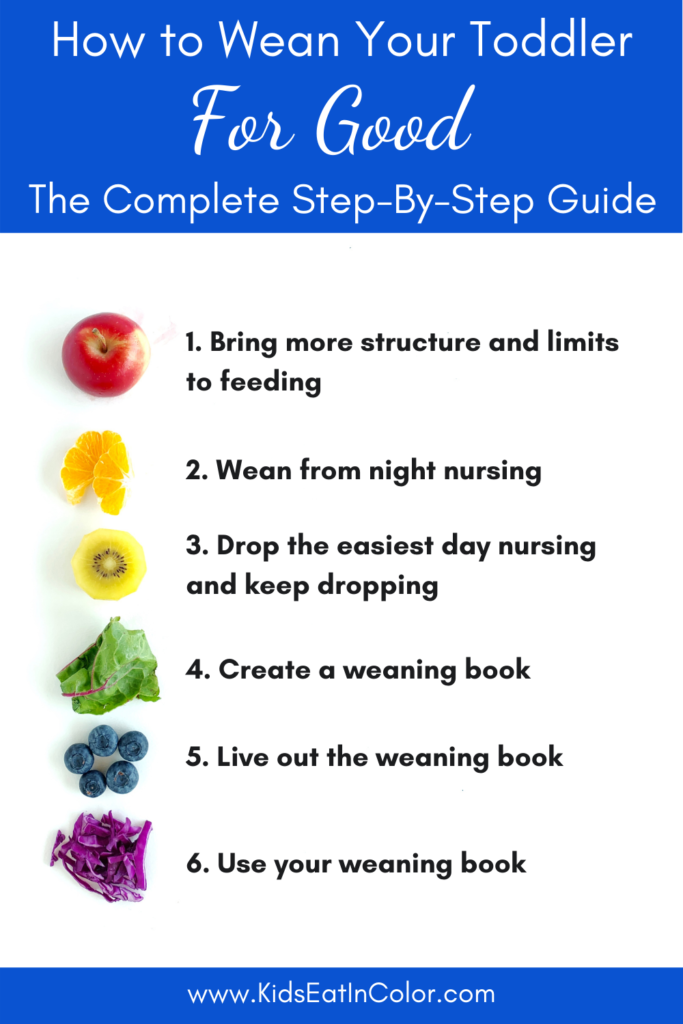
Image Source: kidseatincolor.com
Strategies For How To Wean Toddler Off Breastfeeding Well
Weaning a toddler off breastfeeding means slowly stopping milk feeds. It is a big step for both mom and child. It should be a kind and gentle process. Yes, you can wean a toddler well. The best time to start is when both you and your child are ready. Many ways can help make this transition smooth. This guide offers proven ideas for a good weaning journey.
Finding the Right Time to Wean
Deciding when to stop breastfeeding is a very personal choice. There is no one “right” age. Toddlers can wean anywhere from one year to much older. It depends on your child and on you.
Noticing Child-Led Weaning Signs
Some toddlers show signs they are ready to stop. These are child-led weaning signs. Watch for these clues:
- Less Interest: Your child might feed for shorter times. They may get easily sidetracked.
- More Distraction: They might look around while nursing. They may pull off the breast often.
- Eating Solids Well: Your child eats many kinds of food. They get good nutrition from meals.
- Sleeping Better: Some toddlers start to sleep longer stretches. They may wake less for night feeds.
- More Independence: Your toddler may play more. They explore more on their own.
Not every toddler shows all these signs. Some never show them. This is okay. You can still start weaning gently.
When Moms Feel Ready
Weaning also depends on you. Your feelings matter a lot. You might feel ready when:
- You Feel Tired: Breastfeeding can be draining. You might feel ready for more energy.
- You Need More Freedom: You might want to do more things. You may want to leave your child more easily.
- It Causes Pain: Sometimes, nursing can hurt. This can be a reason to stop.
- You Just Feel Done: It is okay to simply feel ready. Your body and mind need a break.
Make sure you are ready. This makes the process much smoother. If you are not ready, it can be harder. Take your time to think about it.
Gentle Weaning Methods: A Step-by-Step Guide
Gentle weaning methods are key. They help both you and your toddler. These ways avoid sudden stops. They help reduce stress.
The “Don’t Offer, Don’t Refuse” Way
This is a very common method. It lets your child lead the way.
- Do not offer: You do not ask your child if they want to nurse. You do not suggest it.
- Do not refuse: If your child asks to nurse, you say “yes.” You still let them feed.
Over time, your child will ask less often. This slowly cuts down on feeds. It feels very natural. It works well for child-led weaning. It helps the body adjust milk supply too.
Making Feeds Shorter
Another method is to make nursing times shorter.
- Set Limits: Before nursing, say “We will nurse for one song.” Or “We will nurse for one minute.”
- Use a Timer: A timer can help. When it rings, it’s time to stop.
- End Gracefully: Say “All done, milkies.” Offer a hug or another activity.
This slowly cuts down on how much milk your child gets. It also lessens your milk supply.
Using Play and Distraction
When your child asks to nurse, try to distract them first.
- Offer an Activity: Say “Let’s go play with blocks!” Or “Want to read a book?”
- Change Scenery: Go outside. Suggest a walk.
- Offer a Snack: Sometimes, thirst or hunger makes them ask. Offer water or a healthy snack.
This helps them forget about nursing. It gives them another activity instead. This works well for reducing daytime breastfeeding.
How to Manage Milk Supply During Weaning
Managing milk supply weaning is important. If you stop too fast, your breasts can get full. This can hurt. It can also lead to blocked ducts or infection. Gradual breastfeeding cessation is best for your body.
Slowly Cutting Down Feeds
The best way to lower milk supply is to cut down feeds slowly.
- Drop One Feed: Pick one feed to stop. This is often the least important one. Or the one your child asks for least.
- Wait a Few Days: Give your body time to adjust. Wait 3-5 days. See how your breasts feel.
- Drop Another Feed: When you feel okay, drop another feed.
- Repeat: Keep going until all feeds are gone.
This slow approach helps your body make less milk. It lowers the risk of problems.
Helping with Full Breasts
Even with slow weaning, breasts can feel full. Here are ways to help:
- Hand Express a Little: Just express enough milk to feel comfortable. Do not empty the breast. Emptying tells your body to make more milk.
- Use Cold Packs: Put a cold pack on your breasts. This helps with swelling.
- Wear a Supportive Bra: A firm bra can help. But not one that is too tight.
- Take Pain Relievers: Over-the-counter pain medicine can help with discomfort.
If you have a red, hot, painful lump, call your doctor. This could be a blocked duct or mastitis.
Lessening Daytime Breastfeeding
Reducing daytime breastfeeding is often the first step. Toddlers are busy during the day. They have many things to do. This makes it easier to distract them.
Changing Focus from Nursing
- Active Play: Get your child moving. Go to a park. Play outside.
- Creative Play: Do art. Build with blocks. Play with toys.
- Outings: Go to the library. Visit a friend. Change the routine.
When your child is busy, they may not think about nursing.
Offering Toddler Nursing Alternatives
It’s helpful to offer something else instead of the breast. These are toddler nursing alternatives.
- Drinks: Offer water in a special cup. Offer milk in a cup. Make it a fun drink.
- Snacks: Offer healthy snacks. Fruit, crackers, cheese sticks are good choices.
- Cuddles: Give big hugs. Sit and read a book together.
- Special Toys: Introduce a new toy. A soft blanket or stuffed animal can bring comfort.
Make sure these alternatives are exciting. This helps your toddler accept them.
Starting New Daily Habits
Change your routine to avoid nursing times.
- Move Feeding Spots: If you always nurse on the couch, go to another room. Or go outside.
- Change Times: If you always nurse right after waking, offer breakfast instead. Or go straight to play.
- Involve Others: Have your partner help with meals or bedtime. This breaks the nursing link.
A new routine helps your toddler adjust. It creates new cues for them.
Strategies for Night Weaning
Night weaning can be the hardest part for many families. Toddlers often comfort nurse at night. It is important to go slow with night weaning strategies.
The “Fading” or Slow Cut-Off Method
This method slowly cuts down on night feeds.
- Delay Feeds: When your child wakes, wait a bit before nursing. Offer water first. Try to soothe them in other ways.
- Shorten Feeds: If you do nurse, make it very short. Just a minute or two.
- Remove One Feed: Pick the feed your child seems to need least. Try to skip it.
- Offer Other Comfort: Pat their back. Sing a song. Hug them.
This slow approach helps your child learn new ways to sleep. It also helps your milk supply drop for night feeds.
Getting Help from Your Partner at Night
Your partner can be a huge help with night weaning.
- Partner Responds First: When your toddler wakes, have your partner go in first.
- No Milk Scent: Your partner does not smell like milk. This can make it easier for your child to accept comfort without nursing.
- New Comforts: Your partner can offer cuddles, back rubs, or gentle words.
This teamwork can make night weaning much faster. It helps your child create new sleep cues.
Helping Toddler Sleep Without Nursing
Many toddlers rely on nursing to fall asleep. Helping toddler sleep without nursing is a big step.
- New Bedtime Routine: Create a new calming routine. This could be a bath, pajamas, books, and then bed.
- Comfort Object: Introduce a special blanket or stuffed animal. This can be a new source of comfort.
- “No Nursing in Bed” Rule: Try to nurse in a chair outside the bedroom. Then move to bed.
- Stay Present: Be there for your child. Offer snuggles and reassurance. Do not just leave them alone.
It will take time. Your toddler needs to learn new ways to calm down.
Weaning Comfort Nursing at Night
Comfort nursing is about more than just food. It is about closeness and security. Weaning comfort nursing needs gentle care.
- More Daytime Snuggles: Offer extra hugs and cuddles during the day. Fill their love tank.
- Verbal Comfort: Talk to your child. Say, “I love you. It’s time for sleep.”
- Distraction: If they ask for “milkies,” offer a drink of water. Or say, “Let’s lie here and cuddle.”
- Set Clear Limits: You can say, “Milkies are sleeping now. We can have them in the morning.” Be kind but firm.
This helps your child find comfort in other ways. They learn they are still loved.
Handling the Emotional Impact of Weaning
Weaning is a big emotional journey. It affects both your toddler and you. Being ready for this emotional impact of weaning helps a lot.
For Your Little One
Your toddler may feel sad or confused. Breastfeeding is a comfort. It is a big change for them.
- Allow Feelings: Let them cry. Let them be angry. Tell them it’s okay to feel sad.
- Talk About It: Use simple words. “No more milkies now. We are big kids.”
- Extra Cuddles: Offer many, many hugs. Spend more one-on-one time together.
- New Comforts: Help them find comfort in other ways. A new toy or special blanket can help.
Reassure them that you are still there for them. Your love is still strong.
For You, Mom
Weaning can be hard for moms too.
- Hormone Changes: Your body’s hormones will shift. This can make you feel sad or moody.
- Feeling of Loss: You might miss the closeness. You might miss that special bond.
- Guilt: You might feel guilty about stopping.
- Relief: You might also feel a sense of relief. It’s okay to feel both.
To help yourself:
- Self-Care: Take time for yourself. Do things you enjoy.
- Talk to Others: Share your feelings with your partner or a friend.
- Seek Support: Join a mom’s group. Talk to other moms who have weaned.
- Be Kind to Yourself: This is a big change. Give yourself grace.
It is normal to have mixed feelings. It shows how much you care.
Keeping a Strong Bond
Even without nursing, your bond with your toddler will stay strong.
- More Snuggles: Offer more hugs and cuddles.
- Play Time: Spend special time playing together.
- Read Books: Reading together is a great bonding activity.
- Special Routines: Create new rituals. A special bedtime story. A morning tickle.
These new ways of connecting will strengthen your bond. It helps your child feel secure.
Facing Common Weaning Hurdles
Weaning is not always easy. You might hit some bumps in the road. Being ready for these can help.
When Your Toddler Does Not Want to Wean
Some toddlers resist weaning. They might cry or throw tantrums.
- Go Slower: If they are very upset, slow down. Maybe you tried to drop feeds too fast.
- Revisit Readiness: Are you sure they are ready? Are you ready?
- Offer Choices: “Do you want milkies now or after we play?” This gives them some control.
- Stay Calm: Your calm helps them calm down.
- Distract, Distract, Distract: Use all your tools. Offer food, a toy, a walk.
It’s okay to take a step back. You can always try again later.
Dealing with Biting While Nursing
Some toddlers bite during nursing. This can be painful.
- Say “No!” Clearly: End the feed right away. Put them down. Make eye contact.
- Explain (Simply): “No biting. Biting hurts mommy.”
- Offer Chew Toy: If they are teething, offer a cold teether.
- Distraction: If they bite when bored, try to end the feed before they get bored.
If biting continues, it might be a sign they are ready to wean. Or that they are too distracted.
What if Your Child Gets Sick?
Sickness during weaning can be tricky. Breast milk offers comfort and antibodies.
- Pause Weaning: It is usually best to pause weaning if your child gets sick.
- Offer Comfort: Let them nurse if they want. This can help them feel better.
- Restart Later: When they are well, you can start weaning again.
Your child’s health and comfort come first.
Making Weaning a Success: Tips for Gradual Breastfeeding Cessation
Gradual breastfeeding cessation is the best way to wean well. It is kinder to both you and your child. It also helps your body adjust milk supply.
Being Steady and Consistent
- Set Rules: Once you decide on a rule (e.g., “no nursing before breakfast”), stick to it.
- Everyone Knows: Make sure your partner or caregivers know the new rules.
- Be Clear: Use simple words so your toddler knows what to expect.
Consistency helps your toddler learn the new normal.
Patience and Being Flexible
- It Takes Time: Weaning is not a race. It can take weeks or months.
- Some Days Are Harder: Some days will be tougher than others. That is normal.
- Be Kind: If you have a bad day, start fresh tomorrow. Do not blame yourself.
- Adjust Plans: If a method is not working, try something else. Be open to change.
Flexibility means you can adapt. This makes the journey smoother.
Asking for Help
You do not have to do this alone.
- Partner: Your partner can offer support. They can help with bedtime. They can offer comfort.
- Friends/Family: Talk to other moms who have weaned. They can share tips.
- Support Groups: Find online or local groups. They offer a safe place to share.
- Lactation Consultant: If you have trouble, they can give expert advice. They can help with milk supply issues.
Support makes a big difference.
When to Get Expert Advice
Most weaning can be done at home. But sometimes, you need help.
- Breast Pain: If you have severe pain, red spots, or a fever. This could be mastitis.
- Very Upset Child: If your child is very distressed for a long time. And no methods help.
- Feeling Overwhelmed: If you feel very sad or unable to cope.
- Milk Supply Issues: If your breasts stay full and painful. Or if you have recurrent clogs.
Do not hesitate to reach out. Your doctor, a lactation consultant, or a therapist can help.
Frequently Asked Questions About Weaning
-
How long does it take to wean a toddler?
It can take weeks or even months. It depends on your child and your chosen method. Gentle, gradual weaning takes more time. It is a personal timeline for every family. -
Will my child still love me after weaning?
Yes! Weaning does not lessen your bond. It changes how you connect. Your child will still feel your love. Offer lots of extra hugs and cuddles. This helps keep your bond strong. -
What if my toddler only wants to nurse for comfort?
This is common. Weaning comfort nursing involves slowly offering other ways to comfort. Offer hugs, reading, or special toys. Try to fill their need for closeness in new ways. -
What should my toddler drink instead of breast milk?
Offer water in a cup. You can also offer whole cow’s milk for children over one year. Or offer other dairy-free milk choices. Talk to your doctor about the best options for your child. -
Can I stop breastfeeding cold turkey?
Stopping suddenly, or “cold turkey,” is not advised. It can cause pain for you. It can lead to blocked ducts or mastitis. It can also be very upsetting for your child. Gradual breastfeeding cessation is much better. -
Is it normal to feel sad after weaning?
Yes, it is very normal. Many moms feel sad or moody. This is due to hormone changes. It is also a loss of a special bond. Give yourself time and self-care. Talk to others about how you feel. -
What if my child gets sick during weaning?
If your child gets sick, it’s best to pause weaning. Breast milk offers comfort and protection. You can resume weaning when they feel better.
Weaning a toddler is a journey. It takes patience, love, and consistency. By choosing gentle methods, you can make this a positive step for everyone.