
Ever wondered why snagging a ticket to see your favorite football team play can cost an arm and a leg? It boils down to a complex interplay of demand, supply, stadium capacity, and a whole host of other economic and business factors. The price of a football ticket is not just about the 90 minutes on the pitch; it’s a reflection of the massive industry surrounding the sport.
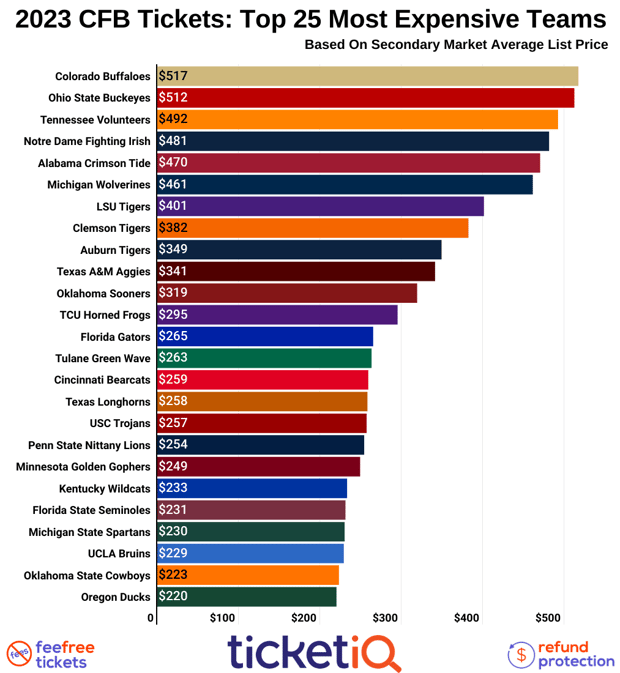
Image Source: blog.ticketiq.com
The Fundamental Drivers: Demand and Supply
At its core, the high cost of football tickets is a classic economic principle: when demand significantly outstrips supply, prices naturally rise. Millions of fans want to watch their teams, but there are only a finite number of seats in any given stadium capacity.
High Demand: More Than Just Fans
The intense desire to attend a football match stems from several powerful sources:
- Passionate Fanbase: Football clubs often boast legions of dedicated supporters who have followed their team for generations. This deep emotional connection fuels an unwavering desire to be present at games, regardless of the cost.
- The Matchday Experience: It’s not just about the game itself. The atmosphere in the stadium, the camaraderie with fellow fans, the half-time pies, and the sheer thrill of live action create a unique and often irreplaceable experience.
- Social and Cultural Significance: For many, attending a football match is a social ritual, a way to connect with friends, family, or even just the wider community. It’s woven into the fabric of local and national identity.
- Rarity and Exclusivity: The limited availability of tickets, especially for high-profile matches or against rival teams, makes them even more desirable. This exclusivity enhances their perceived value.
Limited Supply: The Seat Constraint
The physical limitations of a football stadium are a major factor in ticket pricing.
- Stadium Capacity: While some stadiums are enormous, they still cannot accommodate the millions who might wish to attend a single match. For example, a stadium with a capacity of 70,000 can only provide 70,000 tickets. This fundamental constraint is a primary driver of scarcity.
- Seating Arrangements: Not all seats are created equal. Prime locations, like those closer to the pitch or with unobstructed views, are in even higher demand and command premium prices. The allocation of these desirable seats further tightens the effective supply for the general fan.
- Club Policies: Clubs themselves manage the supply of tickets. They might reserve blocks for season ticket holders, corporate clients, or away fans, reducing the number available on general sale.
Beyond the Ticket: The Ecosystem of Revenue
The price of a ticket is only one piece of the financial puzzle for football clubs. They generate revenue from a multitude of sources, and ticket sales are strategically priced to maximize overall income.
Television Rights: The Golden Goose
- Massive Broadcasting Deals: Television broadcasters pay astronomical sums for the rights to show live football matches. These deals are a cornerstone of club finances.
- Impact on Ticket Pricing: While TV deals bring in vast sums, they also influence ticket prices. Clubs may feel less pressure to rely solely on matchday revenue when TV rights are so lucrative, but they also want to ensure fans still attend to maintain the perceived value of live broadcasts and the overall brand. Sometimes, this can lead to higher ticket prices to offset the cost of providing “premium” live experiences that TV cannot fully replicate.
Sponsorship and Commercial Partnerships
- Brand Visibility: Football clubs are powerful marketing platforms. Companies pay significant amounts to have their brands associated with clubs, adorning kits, stadiums, and digital content.
- Ticket Pricing Link: Sponsorship deals contribute heavily to a club’s revenue. While not directly tied to individual ticket prices, they enable clubs to invest in players and infrastructure, which can indirectly influence the perceived value and thus pricing of tickets. A well-sponsored club often has a stronger team, increasing demand.
Merchandise and Concessions
- Extending the Brand: Clubs sell a wide array of merchandise, from replica kits to scarves and memorabilia. These sales are a significant revenue stream.
- Matchday Ancillaries: Food, drinks, and other items sold within the stadium also contribute to a club’s profitability. The pricing of these items can be influenced by the overall cost of attendance, but the primary ticket price is set to cover a broader range of expenses.
Pricing Strategies and Fan Segments
Football clubs employ sophisticated pricing strategies to cater to different fan segments and maximize revenue.
Tiered Pricing and Seating Categories
- Location, Location, Location: As mentioned, ticket prices vary dramatically based on seating location. Seats with the best views are invariably the most expensive.
- Match Categorization: Games are often categorized based on their importance (e.g., derby matches, cup finals, crucial league fixtures). Higher-category matches command higher ticket prices due to increased demand.
VIP Packages and Hospitality
- Premium Experiences: Clubs offer various VIP packages and hospitality options that go far beyond a standard match ticket. These can include executive boxes, premium seating, gourmet dining, and exclusive lounge access.
- Higher Price Points: These packages are designed for corporate clients or affluent fans willing to pay a premium for an enhanced experience, further segmenting the market and allowing clubs to capture more value from different customer groups.
Season Tickets and Memberships
- Guaranteed Income: Selling season tickets provides clubs with guaranteed revenue and a stable fanbase. These tickets are often priced at a discount compared to buying individual match tickets over the season.
- Membership Benefits: Club memberships can offer early access to tickets, discounts on merchandise, and other perks. The cost of membership is factored into the overall fan expenditure.
The Influence of Team Performance and Competition
The success of a football team directly impacts ticket prices.
Team Performance: Winning Sells
- On-Field Success: When a team is performing well, winning matches, and competing for titles, demand for tickets skyrockets. Fans are eager to witness success, and clubs can capitalize on this by increasing prices.
- Player Star Power: The presence of star players also drives demand. Fans want to see their idols in action, and this can justify higher ticket prices.
The Resale Market: A Double-Edged Sword
The resale market for football tickets can be a contentious issue.
- StubHub and Viagogo: Platforms like StubHub and Viagogo allow individuals to resell tickets, often at inflated prices, particularly for high-demand matches.
- Price Discovery and Exploitation: While the resale market can provide price discovery, it can also lead to tickets being sold at prices far exceeding face value, pricing out genuine fans. Clubs often try to regulate or benefit from this market through official resale platforms.
Economic Factors and External Pressures
Various economic factors influence the affordability and pricing of football tickets.
Inflation and Cost of Living
- Rising Expenses: Like any business, football clubs face rising costs for everything from player wages and stadium maintenance to staffing and security. Inflationary pressures necessitate price increases across the board, including ticket prices.
- Consumer Spending Power: The overall state of the economy and the disposable income of fans also play a role. In times of economic downturn, clubs might be hesitant to raise prices too aggressively, but sustained growth can allow for gradual increases.
Club Ownership and Financial Models
- Commercialization: Many football clubs are now owned by large corporations or wealthy individuals with commercial interests. This can lead to a focus on maximizing profit, which can translate into higher ticket prices.
- Debt and Investment: Clubs often carry significant debt or are constantly investing in new players and facilities. Ticket sales are a crucial component of their financial strategy to service this debt or fund these investments.
Case Studies: Illustrating Price Variation
To further illustrate the reasons behind expensive football tickets, consider these hypothetical scenarios:
| Match Type | Stadium Capacity | Demand Level | Expected Ticket Price Range (per ticket) | Primary Revenue Drivers |
|---|---|---|---|---|
| Mid-week League Match (Non-Prime) | 60,000 | Medium | $50 – $150 | Ticket Sales, Concessions, Local Sponsorship |
| Weekend League Match (Popular) | 60,000 | High | $80 – $200 | Ticket Sales, Sponsorship, Merchandise, TV Revenue Share |
| Derby Match | 60,000 | Very High | $120 – $300+ | Ticket Sales, VIP Packages, Premium Merchandise, TV Rights |
| Cup Final (Neutral Venue) | 90,000 | Extremely High | $200 – $500+ | Ticket Sales (limited allocation), Broadcast Rights, Sponsorship |
Note: These are illustrative prices and can vary significantly based on the league, club, and specific seat location.
Fathoming the Fan’s Perspective
It’s crucial to acknowledge the fan’s perspective. While clubs need to generate revenue, the rising cost of tickets can make attending matches inaccessible for many long-term supporters.
- Affordability Crisis: For many families, attending a match regularly has become a luxury rather than a tradition. This raises questions about the sustainability of fan engagement.
- The “Fairness” Debate: There’s an ongoing debate about what constitutes a “fair” price for a football ticket. Clubs argue they need to cover costs and invest, while fans argue that the core product (the game) should be accessible.
Conclusion: A Multifaceted Explanation
In conclusion, football tickets are expensive due to a confluence of factors. High demand driven by passionate fanbases, the limited supply inherent in stadium capacity, lucrative television rights, substantial sponsorship deals, and the allure of VIP packages all contribute to the pricing. The resale market, coupled with team performance and broader economic factors, further complicates the equation. While the beautiful game remains a global passion, the financial realities of the modern football industry mean that attending matches often comes at a significant cost.
Frequently Asked Questions (FAQ)
Q1: Are football ticket prices regulated?
A1: In most countries, football ticket prices are not strictly regulated by governments. Clubs and leagues have significant autonomy in setting their pricing strategies. However, some fan groups and regulatory bodies advocate for fairer pricing and greater transparency.
Q2: Why are tickets for some teams so much more expensive than others?
A2: This is primarily due to differences in demand. Teams with larger, more passionate fanbases, more successful recent histories, popular star players, or those playing in more prestigious leagues or competitions will naturally command higher ticket prices. The stadium capacity and the club’s overall revenue model also play a role.
Q3: How much of the ticket price actually goes to the players?
A3: The portion of a ticket price that directly goes to players is often minimal. Player salaries and transfer fees are typically funded by a much broader range of revenue streams, including television rights, sponsorship, merchandise, and hospitality sales. Ticket revenue contributes to the overall financial health of the club, which then allows for player investment.
Q4: Is the resale market legal?
A4: The legality of the resale market varies by region and specific ticketing terms and conditions. Some clubs operate official resale platforms, while others prohibit or restrict third-party resales. It’s important to check the specific terms and conditions of your ticket purchase.
Q5: Will ticket prices ever come down?
A5: It’s unlikely that ticket prices will see a significant, widespread decrease in the near future, given the ongoing profitability of the sport. However, fan pressure, economic downturns, or changes in broadcasting deals could potentially influence pricing strategies. Some clubs might offer more affordable options for certain matches or sections of the stadium to maintain accessibility.