
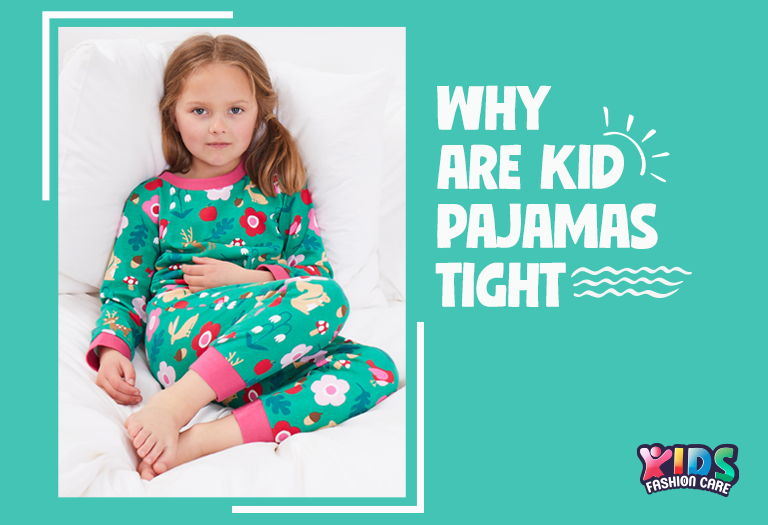
Image Source: www.kidsfashioncare.com
Unpacking Why Are Toddler Pajamas So Tight for Safety Reasons
Why are toddler pajamas so tight? The simple answer is that the tightness is a safety feature, required by law in places like the United States. It helps protect children from burns if their clothing comes near a fire. Government rules say that kids’ sleepwear must meet strict safety standards to make it less likely to catch fire and burn quickly. Snug-fitting pajamas are one way manufacturers meet these important safety rules. This snugness stops air from getting between the fabric and the child’s skin. Less air means fire has a harder time spreading fast on the fabric.
Grasping the Need for Toddler Sleepwear Safety
Keeping children safe is a parent’s top job. This includes keeping them safe while they sleep. Sleepwear might not seem dangerous, but it can be. Fire is a big risk. Clothes can catch fire. This can happen quickly. Pajamas are worn at night. Kids are often asleep. They cannot react fast if their clothes catch fire. Because of this, making sure sleepwear is safe from fire is very important. This is why rules were made about how kids’ pajamas must be made. These rules are all about toddler sleepwear safety.
The rules help stop bad accidents. They aim to reduce the number and seriousness of burn injuries linked to clothing fires. Kids move around. They might go near a stove or a heater. A candle or a match might be left out. If their loose clothing touches a flame, it can catch fire fast. Loose clothes can create a kind of “tent.” Air flows inside this tent. Air makes fire burn hotter and faster. This is a big danger.
Tight pajamas work differently. They fit close to the body. This leaves very little space for air to get in. If the fabric touches a flame, it might catch fire. But the fire will spread much slower. This gives time for someone to act. It gives time to put the fire out. Or it gives the child time to get away. So, snug fit pajamas for kids are not just a style. They are a key part of fire safety. They help keep kids safer while they are sleeping or just wearing their pajamas at home.
Deciphering Children’s Pajama Regulations
Rules about children’s sleepwear are not new. They came about because of sad events. In the past, many children were hurt or died because their pajamas caught fire. These clothes were often loose and made from fabrics that burned very easily. People knew something had to be done.
In the United States, the main rules come from the Consumer Product Safety Commission (CPSC). These rules are called the Flammable Fabrics Act regulations. They specifically cover children’s sleepwear sizes 9 months up to size 14. There are very strict tests the fabric must pass.
There are two main ways clothes can meet these CPSC sleepwear rules:
- Be Snug-Fitting: The pajamas must be made to fit very close to the child’s body. They cannot be loose. The rules have specific measurements for how wide the arms, legs, and body can be for each size. If they meet these size rules, they are considered snug-fitting.
- Be Made of Flame-Resistant Material: The pajamas can be looser if the fabric itself resists fire. This fabric does not catch fire easily. If it does catch fire, the fire goes out on its own very fast. Sometimes, this is because the fabric is naturally flame resistant. Other times, chemicals are added to the fabric to make it flame resistant.
Most toddler pajamas you see that are tight fit into the first group. They are snug-fitting. This means they do not need to be made from special flame-resistant fabric. They just need to fit the child closely according to the CPSC’s size charts. This is often done using materials like cotton or cotton blends. These materials burn easily if they are loose. But if they are tight, they are much safer.
Understanding these rules helps parents know why pajamas look the way they do. The tightness is not about fashion. It is about meeting a safety standard. This standard is set by the government to protect kids. Children’s pajama regulations are serious business. They are there to save lives and prevent bad injuries.
The Hazard of Flammable Pajama Material
Not all fabrics burn the same way. Some materials catch fire very easily. They burn very fast. Think about dry paper. It burns fast. Other materials are harder to light. If they do light, the fire spreads slowly or goes out. Think about thick wool. It is harder to burn.
Many fabrics used for clothing, like cotton, rayon, or blends of cotton and rayon, can be flammable pajama material. This means they can catch fire easily. If they are made into loose pajamas, they are a big risk. The loose fabric hangs away from the body. This lets air get in. Air has oxygen. Oxygen is what fire needs to burn. The air acts like fuel. It helps the flames spread across the fabric very quickly. A child wearing loose pajamas made of cotton could be covered in flames in just a few seconds if they touch a heat source. This is the danger of loose vs tight pajamas safety.
Tight pajamas change this. When the fabric is tight against the skin, there is very little air between the cloth and the body. If a flame touches the fabric, it might burn the spot it touched. But the fire has a harder time spreading. It does not get the rush of air it needs to grow quickly. The flame tends to stay small or go out on its own. It does not “run” across the fabric.
This is why the material matters less if the fit is snug. Cotton is flammable. But if the cotton pajamas are made to be tight, they meet the safety rules. This is a key point in children’s pajama regulations. The rule looks at both the material and the fit. For snug-fitting pajamas, the fit is the main safety feature against flammable pajama material.
It’s important to check the label on kids’ pajamas. It will say how they meet the rules. It might say “For child’s safety, garment should fit snugly” or “Flame resistant.” This tells you which method is being used for safety.
Contrasting Loose vs Tight Pajamas Safety
Let’s look more closely at why the fit makes such a big difference for safety.
Loose Pajamas:
- Have extra fabric that hangs away from the child’s body.
- This extra space allows air to flow easily under the garment.
- If the fabric touches a flame, the air feeds the fire.
- The flame can spread very, very quickly across the surface of the loose fabric.
- Think of a flag in the wind. If it catches fire, the wind (like air in loose clothes) makes it burn very fast.
- This leaves little time for anyone to react before the child is badly burned.
- Loose pajamas made from common fabrics like cotton or cotton blends are especially dangerous from a flammability standpoint.
Tight Pajamas (Snug Fit):
- Fit close to the child’s skin all over.
- Leave very little space for air between the fabric and the body.
- If the fabric touches a flame, the lack of air slows the fire down.
- The flame has a hard time spreading beyond the spot it touched.
- Think of thick gloves. If you touch a flame, the spot burns, but the fire doesn’t quickly spread over your hand because there’s no air movement inside the glove.
- This slower burn gives precious time for the child or an adult to put out the fire.
- Tight pajamas made from cotton or other easily flammable materials can meet safety rules because the snug fit provides the fire protection.
This difference in how fire behaves on loose versus tight fabric is the core idea behind the snug fit rule for children’s sleepwear. It is a simple but very effective way to improve loose vs tight pajamas safety regarding fire hazards.
Polyester vs Cotton Pajamas Safety
The type of fabric used in pajamas is also important, especially when thinking about fire safety and whether they need to be tight or can be looser. The two most common materials are polyester and cotton.
Cotton Pajamas:
- Cotton is a natural fiber.
- It is soft and lets skin breathe.
- However, cotton burns easily and quickly when it catches fire.
- If pajamas are made from cotton, they must fit snugly to meet CPSC sleepwear rules for flammability.
- Loose cotton pajamas are considered dangerous because the fire spreads so fast.
- So, for cotton pajamas, the safety comes from the snug fit, not the material itself resisting fire.
Polyester Pajamas:
- Polyester is a man-made fiber.
- It is often used in sleepwear.
- Polyester is naturally more resistant to fire than cotton.
- When polyester catches fire, it tends to melt and shrink away from the flame rather than bursting into flames and spreading quickly.
- This melting action can cause burns, but it is generally less likely to result in the whole garment being engulfed in flames instantly compared to cotton.
- Because polyester is more flame resistant, pajamas made entirely from polyester can often pass the CPSC flammability tests even if they are not snug-fitting.
- You will often find looser styles of kids’ pajamas, like fuzzy fleece robes or pajamas, made from polyester. These are allowed because the material itself meets the fire safety standard.
So, polyester vs cotton pajamas safety depends a lot on the fit. Cotton needs to be snug. Polyester can sometimes be looser, but the fabric still has to pass specific flame tests.
Many pajamas are blends of cotton and polyester. These blends’ safety properties depend on the exact mix and how they are tested. But for most parent purposes, if the tag says “100% Cotton” it will be snug fit. If it says “Polyester” or “Flame Resistant Polyester,” it might be looser. Always check the garment tag and read any safety warnings. This helps you understand how the pajamas meet the children’s pajama regulations.
The Role of Fire Resistant Toddler Sleepwear
As mentioned, another way children’s pajamas meet safety rules is by being made from fire resistant toddler sleepwear material. This is different from the snug-fit approach.
Fire resistant materials either:
- Are naturally resistant to burning.
- Have been treated with special chemicals to make them resistant.
Examples of naturally fire resistant materials used in sleepwear might include certain types of polyester or modacrylic fibers. These fabrics are designed so that if a flame touches them, the fire will not spread or will go out very quickly on its own. This is tested carefully by the CPSC. The fabric must pass tests showing it self-extinguishes when a flame is applied.
If pajamas are made from these materials, they do not have to be snug-fitting. They can be looser styles, like sleep shirts, robes, or pajamas with a more relaxed fit. The fire safety comes from the fabric itself.
You can usually tell if pajamas rely on being fire resistant because the tag will say something like “Flame Resistant” or “Made with Flame Resistant Fabric.” It might also be made of polyester fleece or similar materials.
The choice between snug-fit (often cotton) and flame resistant (often polyester) gives parents options. Both types are designed to meet the same high level of fire safety required by the CPSC sleepwear rules. The key is that the pajamas meet one of these standards. A loose cotton pajama, for example, would not meet the standard because cotton burns easily and the loose fit allows fire to spread.
Parents should always check the label to understand how the pajamas they buy are made safe according to children’s pajama regulations. This ensures they are choosing truly fire resistant toddler sleepwear or properly snug-fitting items.
Comprehending CPSC Sleepwear Rules
The CPSC (Consumer Product Safety Commission) plays a very important role in keeping children safe in the United States. They create and enforce rules for many products, including children’s sleepwear. The CPSC sleepwear rules are part of the Flammable Fabrics Act. These rules are tough and specific. They cover any clothing meant to be worn for sleeping by children from 9 months old up to size 14. This includes pajamas, nightgowns, sleep shirts, and robes.
The main goal of these rules is to stop these clothes from catching fire easily and burning fast. They want to reduce burn injuries to children.
Here are some key points about the CPSC sleepwear rules:
- Who is covered? Children aged 9 months to size 14. Clothes for younger babies (under 9 months) or older kids (above size 14) are not covered by these specific rules. This is because babies move less and older kids can react faster.
- What clothes? Any garment intended to be worn for sleeping. How do they decide what is “sleepwear”? They look at how it’s advertised, packaged, and what it looks like. For example, a loose cotton t-shirt sold as a “sleep shirt” must meet the rules. A loose cotton t-shirt sold as a “play shirt” does not, even if a child wears it to bed. This can sometimes be confusing for parents.
- How do clothes pass? As we discussed, there are two main ways:
- Snug Fit: The garment must meet strict size limits based on the child’s body measurements. There are specific charts the CPSC provides. If the garment is made of materials like cotton that are not naturally flame resistant, it must be snug fit. The label must say “For child’s safety, garment should fit snugly.”
- Flame Resistant: The fabric used must pass special fire tests. It must show that it will not burn quickly and that flames will go out on their own. If the garment is made of flame resistant material (like some polyesters) it can be looser. The label must say “Flame Resistant.”
- Testing: Manufacturers must test their fabrics and garments regularly to make sure they meet the rules. They must keep records of these tests.
- Labeling: Products must be labeled correctly so parents know how they meet the safety rules.
These CPSC sleepwear rules are among the strictest in the world. They have greatly reduced the number of sleepwear-related burn injuries in children since they were put in place. By understanding these rules, parents can make sure the pajamas they buy for their children meet these important safety standards. It explains clearly why many toddler pajamas must be so tight.
Pondering Flame Retardant Chemicals
Sometimes, to make fabrics meet the flame resistant standard, special chemicals are added. These are called flame retardant chemicals. They are put into the fabric to make it harder to burn or to make flames go out faster.
In the past, many children’s pajamas were treated with flame retardant chemicals, especially before the snug-fit option was widely used for cotton pajamas. This was a common way to meet the fire safety rules for loose-fitting garments.
However, in recent years, people have become concerned about the safety of these chemicals. Some studies have suggested that certain flame retardants might have health effects on children. These concerns led many manufacturers and parents to look for alternatives.
This is one big reason why the snug-fit option became very popular, especially for pajamas made from cotton. Cotton pajamas that fit snugly do not need to have flame retardant chemicals added to meet the CPSC safety rules. The snug fit itself provides the needed fire safety.
So, if you buy snug-fitting cotton pajamas, they are likely free from added flame retardant chemicals. If you buy flame-resistant polyester pajamas, they are made from a material that is naturally more resistant to fire or has properties that help it pass the tests without needing chemical treatments like older fabrics did. Modern polyester fabrics used for flame-resistant sleepwear are often designed to meet the standard without added chemicals, relying on the fiber’s natural properties and how it’s woven.
Many parents prefer snug-fitting cotton pajamas precisely because they want to avoid possible exposure to flame retardant chemicals, even though the CPSC says the chemicals used in sleepwear are safe at the levels present. It’s a personal choice for parents based on their comfort level.
The key takeaway is that both snug-fit (often no added chemicals) and flame-resistant (material is inherently resistant or treated) are legal ways to meet the safety standard. The snug-fit option for fabrics like cotton was specifically added to give manufacturers and parents a way to comply without using chemical treatments.
Fathoming Kids Pajama Sizing Guidelines
Because the fit is so important for safety in snug-fitting pajamas, kids pajama sizing guidelines are very specific for this type of sleepwear. Manufacturers cannot just make them in any size and call them “snug fit.” They have to follow strict measurements set by the CPSC.
These guidelines set limits on the width and length of the garment for different sizes (like 12 months, 18 months, 2T, 3T, etc.). For example, a size 2T snug-fitting pajama cannot be wider than a certain number of inches around the chest or leg opening. These measurements are designed to ensure the fabric stays close to the child’s body.
When you buy snug-fitting pajamas, you will often see a label or tag that says something like “For child’s safety, garment should fit snugly. This garment is not flame resistant.” This tells you that the safety is based on the fit, not the material being flame resistant.
Here’s what parents should know about kids pajama sizing guidelines for snug fit:
- They are meant to fit tightly. Do not buy a size up “to grow into.” Buying a size too big will make the pajamas loose. Loose pajamas are not safe if they are made of a material like cotton that burns easily.
- Check the fit on your child. The pajamas should fit close to the body everywhere – arms, legs, chest. They should not hang loosely.
- Different brands might fit slightly differently. Even though they follow rules, the exact cut can vary a little. Try them on your child if possible.
- Look for the safety label. The label is key. It tells you if they are snug-fitting or flame resistant.
For flame-resistant pajamas (often polyester), the sizing is more like regular clothes. They can be looser because the material itself provides the fire safety. However, buying overly large pajamas, even if flame-resistant, is not ideal for comfort or safety. They could still be a tripping hazard or get tangled.
So, paying attention to kids pajama sizing guidelines is not just about comfort or appearance. For snug-fitting pajamas, it is directly linked to fire safety. Always choose the size that fits your child snugly right now if the pajamas are labeled this way.
Comparing Sleepwear Safety Types
Let’s put the two main types of regulated children’s sleepwear side-by-side to see how they work for safety.
| Feature | Snug-Fitting Pajamas (Often Cotton) | Flame Resistant Pajamas (Often Polyester) |
|---|---|---|
| Main Safety Method | Fit of the garment (close to body) | Material’s resistance to fire |
| Fabric Type | Often cotton, cotton blends, or other flammable fabrics | Often polyester, modacrylic, or specially treated fabrics |
| Fit | Must be tight and close-fitting according to CPSC rules | Can be looser styles (robes, sleep shirts, etc.) |
| Fire Behavior | Slows down fire spread due to lack of air | Resists ignition or self-extinguishes quickly |
| Chemicals | Usually do NOT contain added flame retardant chemicals | Material is naturally resistant OR treated with chemicals |
| Labeling | “For child’s safety, garment should fit snugly.” | “Flame Resistant.” |
| Why the Tight Fit? | The tightness prevents fire from spreading quickly on flammable material. | The material itself resists fire, so fit is less critical for flammability safety. |
Both types are legal and designed to meet the same high standard of fire safety. The snug-fit option exists largely to allow the use of comfortable, breathable fabrics like cotton without needing chemical treatments, provided they fit tightly. The flame-resistant option allows for looser styles, often using synthetic materials that resist fire. Parents can choose based on their preference for fabric, fit, and comfort, knowing both types, when properly labeled and sized, meet important children’s pajama regulations for fire safety.
Beyond Flammability: Other Toddler Sleepwear Safety Points
While fire safety is the main reason toddler pajamas are tight, other aspects of toddler sleepwear safety are important too. Thinking about the full picture helps parents choose the best and safest options for their children.
- Choking Hazards: Make sure pajamas do not have small buttons, beads, or other decorations that could come off and be swallowed by a child. Zippers should be covered so they don’t pinch skin.
- Strangulation Risks: Avoid drawstrings or ties around the neck or hood. These can get caught and cause a child to choke. CPSC rules also limit or ban drawstrings in children’s clothing for this reason.
- Comfort and Breathability: Even though snug-fitting pajamas are for safety, they should still be comfortable. Choose soft fabrics. Cotton is popular because it breathes well. Polyester can sometimes feel warm. Make sure the child is not too hot or too cold in their pajamas. Overheating is linked to SIDS risk in babies, but it’s also good to avoid in toddlers for comfort and good sleep.
- Temperature: Dress your child appropriately for the room temperature. Pajamas are just one layer. Consider adding or removing blankets or using a sleep sack (for younger toddlers) based on how warm or cool the room is.
- Fit (Tripping Hazard): Even flame-resistant pajamas that can be looser should not be excessively large. Pajamas that are too long in the leg can cause a child to trip when walking. This is another aspect of loose vs tight pajamas safety, though less about fire and more about falls.
Focusing only on the tightness for fire safety is important, but remembering these other safety tips helps ensure a child is safe and comfortable all night long. Good toddler sleepwear safety includes more than just how fast the fabric burns.
How to Choose Safe Pajamas
Choosing safe pajamas for your toddler doesn’t have to be hard once you know what to look for. Here’s a simple guide:
- Check the Label First: This is the most important step. Look for one of these safety statements:
- “For child’s safety, garment should fit snugly.” (These will likely be cotton or similar materials and feel tight).
- “Flame Resistant.” (These might be polyester and could have a looser fit).
If the tag does not have one of these statements and the size is between 9 months and 14, it might not meet CPSC rules and should not be used as sleepwear.
- For Snug Fit:
- Choose the size that fits your child right now. Do not buy bigger.
- Try them on if possible. Make sure the arms, legs, and body are close to their skin with no extra baggy fabric.
- Remember that cotton pajamas need to be snug to be safe from fire spreading fast.
- For Flame Resistant:
- These can have a more relaxed fit. The label “Flame Resistant” means the fabric passed special fire tests.
- They are often made of polyester.
- While they can be looser, avoid ones that are excessively large, which could be a tripping hazard.
- Check for Other Safety Features:
- No drawstrings around the neck or hood.
- No small, easily removable decorations (buttons, beads).
- Zippers should have fabric covers at the top to protect skin.
- Think About Material and Comfort:
- Cotton is breathable and soft, but must be snug.
- Polyester is durable and often used for flame resistance, but can sometimes feel less breathable for some children.
- Consider the season and your home’s temperature when choosing fabric thickness.
- Wash According to Instructions: For flame-resistant treated pajamas, washing them incorrectly might affect their flame resistance. Always follow the care label. Snug-fitting pajamas’ safety is based on fit, which isn’t usually affected by washing unless they shrink or stretch dramatically.
By following these steps, parents can be confident they are choosing pajamas that meet important safety standards and help protect their children from fire hazards, while also considering comfort and other safety aspects. Remembering kids pajama sizing guidelines for snug fit is key for those types of pajamas.
Addressing Common Confusion
It is easy for parents to get confused about kids’ pajamas. Why are some pajamas tight, and others are loose? Why can’t I just buy comfy, loose cotton pajamas? Here are answers to some common points of confusion:
- Why can adult cotton pajamas be loose, but kids’ can’t? The CPSC rules specifically cover children’s sleepwear in sizes 9 months to 14. This is because children in this age range are seen as being at a higher risk. They can move around and get into things, but they may not have the ability to react quickly if their clothing catches fire. Adults are expected to be able to react faster.
- What about clothes sold as “playwear” but look like pajamas? This is a tricky area. If a garment looks like sleepwear (e.g., two-piece set with long sleeves and pants) and is made of flammable fabric like cotton, but is labeled and sold as “playwear” or “loungewear,” it might not meet the CPSC sleepwear rules. The CPSC tries to stop this if it looks like companies are trying to get around the rules. But sometimes, similar items are sold in different sections of a store with different labels. If you buy a loose cotton outfit, assume it is not safe for sleeping unless it is labeled as meeting CPSC sleepwear rules (either snug fit or flame resistant). When in doubt, choose something clearly labeled as compliant sleepwear.
- My child hates tight pajamas! What can I do? Some children find tight clothes uncomfortable. If this is the case, look for flame-resistant pajamas instead. These are often made of polyester and can be looser styles. They meet the same safety standard but rely on the fabric’s properties, not the fit. Just make sure they are actually labeled “Flame Resistant.”
- Do all countries have these same rules? No. Sleepwear regulations vary by country. The CPSC rules in the U.S. are known for being very strict regarding flammability. If buying pajamas from outside the U.S., they might not meet these same standards.
Understanding these points helps clear up why the rules exist and how they affect the clothing choices available for children. It reinforces that the snug fit on many toddler pajamas is a specific safety measure based on well-researched regulations.
Wrapping Up
The reason toddler pajamas are often tight comes down to one critical thing: fire safety. Government regulations, like the CPSC sleepwear rules in the United States, are in place to protect children from serious burn injuries. These rules say that children’s sleepwear must either be made from flame resistant material or fit snugly against the child’s body.
Snug fit pajamas work by limiting the amount of air between the fabric and the skin. If the fabric, often cotton, touches a flame, the fire struggles to spread quickly without that air. This gives crucial time to react. This is a key part of toddler sleepwear safety.
Alternatively, pajamas can be made from materials like polyester that naturally resist fire or are treated to be flame resistant. These can be looser because the material itself prevents the fire from spreading fast.
Parents need to look at the label. It will say “Snug Fitting” or “Flame Resistant.” This tells you how the pajamas meet the safety rules. Choosing the right size is extra important for snug-fitting pajamas. Buying a size up makes them loose and unsafe if they are not flame resistant.
These children’s pajama regulations, including the specific kids pajama sizing guidelines for snug fit and requirements for fire resistant toddler sleepwear, are based on science and history aimed at preventing tragedy. While they might feel a little tight, those close-fitting pajamas are doing an important job – helping to keep your child safer from fire while they sleep. Always check labels and choose products that meet these vital safety standards.
Frequently Asked Questions (FAQ)
Q: What age group do the tight pajama rules apply to?
A: In the U.S., the main CPSC sleepwear rules cover children from 9 months up to size 14. Pajamas for younger babies or older kids may have different or no specific flammability rules.
Q: Can I buy a size up in snug-fitting pajamas so my child can wear them longer?
A: No, you should not buy a size up in pajamas labeled “snug fitting.” The safety of these pajamas relies on them fitting tightly against the child’s body. A larger size will be loose, which removes the safety benefit and makes them a fire hazard if made of a flammable material like cotton. Choose the size that fits your child snugly now.
Q: Are flame resistant pajamas treated with chemicals?
A: Some flame resistant fabrics are treated with chemicals, but many modern flame-resistant fabrics, like certain polyesters, are made to be inherently flame resistant without added chemical treatments. If avoiding chemicals is a priority, snug-fitting cotton pajamas are typically not treated. Check product descriptions or contact the manufacturer if you have concerns about specific chemicals.
Q: How can I tell if pajamas are truly safe?
A: Look for the required safety label on the garment. It must state either “For child’s safety, garment should fit snugly” or “Flame Resistant.” If the pajamas are for a child between 9 months and size 14 and do not have one of these labels, they do not meet the U.S. CPSC safety standards for children’s sleepwear.
Q: What materials are safest for kids’ pajamas?
A: Safe materials depend on the fit. Cotton is safe if the pajamas are snug-fitting. Polyester is often used for flame-resistant pajamas and can be safe in looser styles if they meet the flame resistance standard. Both snug cotton and flame-resistant polyester (when correctly labeled and sized) are considered safe options under the regulations.
Q: Are loose pajamas always dangerous?
A: Loose pajamas made from materials that burn easily (like cotton or cotton blends) are dangerous for children aged 9 months to size 14 because fire can spread very rapidly. Loose pajamas made from flame-resistant materials (like certain polyesters that meet the standard) are safe from a flammability standpoint, though excessively large sizes could pose other risks like tripping.
Q: Do fleece pajamas need to be tight?
A: Most fleece pajamas for toddlers are made from polyester. Polyester is often naturally more flame resistant than cotton. If the fleece pajamas are labeled “Flame Resistant,” they do not need to be tight to meet safety rules. If, unusually, they were made from a different, flammable material and loose, they would not be compliant. Always check the label.