
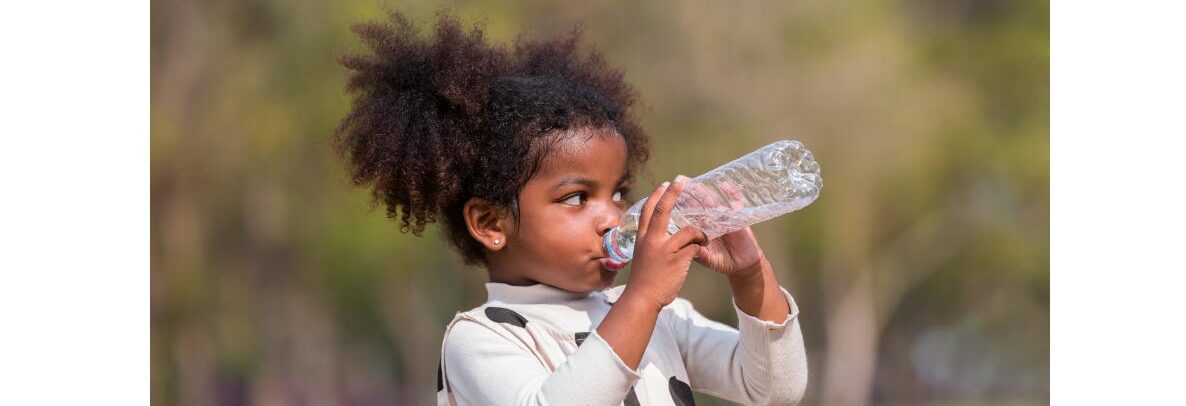
Image Source: www.eastlakepediatrics.com
Uncover Why Does My Toddler Drink So Much: Get Answers
Why does my toddler drink so much? Many parents notice their little one seems to constantly reach for their sippy cup. While often completely normal, toddler excessive thirst causes can sometimes point to something needing a closer look. This could be as simple as hot weather or recent activity, or in rare cases, a sign like diabetes symptoms in toddlers. Watching for signs of dehydration in toddlers is important, but sometimes drinking a lot can even be a sign they are hydrated after being thirsty. Let’s look at what’s normal and what might mean you should talk to a doctor.
Why Your Toddler Might Be Drinking Lots
It can seem like your toddler is attached to their drink. One minute they drain their cup, the next they are asking for more. Often, there are very simple, everyday reasons behind why a toddler constantly wants to drink.
h4: Simple Daily Reasons for Thirst
Think about what your toddler does every day. Are they running, jumping, playing hard? Activity makes us all thirsty, and toddlers are little energy machines.
- Playing Hard: Toddlers are almost always on the go. This uses lots of energy and makes them sweat, even if you don’t see it. Sweating means losing water, so they need to drink more to make up for it.
- Weather: On hot days, or even warm indoor spaces, toddlers will naturally drink more. Their bodies are working to stay cool, and that uses water.
- Dry Air: Heating or air conditioning can make the air inside very dry. This can make a toddler feel thirsty, and you might notice dry lips toddler.
- Diet: What your toddler eats affects how much they drink.
- Salty foods make people thirsty.
- Foods with lots of sugar can also make them want to drink more.
- If they’ve eaten less watery foods (like fruits and vegetables), they’ll need to drink more plain water.
- Getting Over Being Sick: If your toddler had a fever, vomiting, or diarrhea, their body lost a lot of fluid. Even after they feel better, they might drink a lot to rehydrate fully. This is a good sign!
- Learning New Skills: Believe it or not, sometimes big developmental leaps can make toddlers seem fussier or change their habits temporarily, including drinking more. It’s usually not a direct cause, but part of an overall change in behavior.
- Habit or Comfort: Sometimes, a toddler just likes having their cup with them. It can be a comfort item, and they might drink just because it’s there, not because they are truly thirsty. This is part of normal toddler drinking habits changes as they explore their world.
These are the most common reasons for increased fluid intake. They are usually nothing to worry about and just mean your toddler’s body is doing what it needs to do to stay balanced.
What Is Normal Drinking for Toddlers?
Knowing what’s typical can help you figure out if your toddler’s drinking is excessive or just right for them. There isn’t one exact amount every toddler should drink because it depends on their size, activity level, diet, and the weather. However, there are general guidelines for normal fluid intake for toddlers.
h4: Fluid Needs Based on Age
Experts give estimates for how much fluid kids need. This includes all fluids, not just water. Milk, juice (kept to a minimum), and even the water in food like soup, fruits, and vegetables count.
Here is a general idea:
| Age Group | Total Fluid per Day (Approximate) |
|---|---|
| 1-3 years old | 4-6 cups (32-48 ounces) |
Source: Varies slightly by health organization, but this is a common range.
This is a baseline. On a hot day or if your toddler is very active, they will need more. It’s better to look at overall hydration throughout the day than just focusing on one or two big drinking sessions.
h4: How to Judge “Enough”
Instead of counting ounces strictly, look at other signs of good hydration:
- Wet Diapers/Potty Use: A well-hydrated toddler will have several wet diapers throughout the day or will pee frequently if potty trained. This is one of the best signs their fluid intake is good. Frequent urination toddler is normal if they are drinking enough.
- Urine Color: Their pee should be pale yellow, almost clear. Dark yellow or amber pee means they probably need more fluids.
- Moist Lips and Mouth: Lips and mouth should look and feel moist, not dry or sticky.
- Alertness: They should be their usual selves – active and alert.
If your toddler is drinking within the normal range and shows these signs of hydration, even if they seem to drink a lot sometimes, it’s likely perfectly fine.
Spotting Signs of Dehydration
Sometimes, drinking a lot isn’t a sign they are overly hydrated, but that they were dehydrated and are now catching up. Other times, excessive thirst (polydipsia in toddlers) can be a sign related to conditions that lead to dehydration. Knowing the signs of dehydration in toddlers is important.
h4: What Dehydration Looks Like
Dehydration happens when the body loses more fluid than it takes in. Toddlers can dehydrate more quickly than adults.
Look for these signs:
- Fewer Wet Diapers: This is a key sign. If they haven’t had a wet diaper in 6-8 hours, or are peeing much less often than usual, they might be dehydrated.
- Darker Urine: Pee is darker yellow or amber.
- Dry Mouth and Tongue: Their mouth might feel sticky, and their tongue might look dry.
- Dry Lips Toddler: Lips may look chapped or dry.
- No Tears When Crying: If they cry but don’t produce tears.
- Sunken Eyes or Cheeks: Their eyes might look a bit sunken into their face.
- Less Active/Lethargic: They might seem unusually tired, listless, or less playful than usual.
- Irritability: Can be fussy or irritable.
- Cool, Dry Skin: Their skin might feel cool or look less bouncy than usual.
- Sunken Soft Spot (Fontanelle): In babies or very young toddlers who still have a soft spot on their head, it might look sunken.
If you see these signs, offer fluids right away. Small sips often work best if they are feeling unwell. Water is good, or a children’s electrolyte solution if recommended by a doctor, especially after vomiting or diarrhea. If signs are moderate to severe, or you are worried, seek medical help promptly.
Paradoxically, a toddler who is very dehydrated might seem less interested in drinking, or might throw up what they drink. This makes getting fluids into them harder and increases the need for medical attention.
When Drinking a Lot Could Mean Something More
While most cases of toddlers drinking a lot are normal, sometimes it can be a symptom of an underlying health issue. Excessive thirst that is out of the ordinary, not explained by activity, heat, or diet, is called polydipsia.
h4: Polydipsia Explained
Polydipsia just means excessive thirst. It’s a symptom, not a disease itself. If your toddler’s drinking habits changes are significant and constant, beyond what seems reasonable for their daily life, it’s worth investigating.
What could cause polydipsia?
- Diabetes Mellitus (Type 1 Diabetes): This is the most serious, though thankfully less common, cause of polydipsia in toddlers. The body doesn’t make enough insulin, leading to high blood sugar. The body tries to get rid of the extra sugar through urine, pulling lots of water with it. This leads to excessive thirst and frequent urination.
- Diabetes Insipidus: This is a different, much rarer condition. It affects how the kidneys handle water, causing the body to produce huge amounts of very dilute urine, leading to extreme thirst.
- Kidney Problems: Certain kidney issues can affect the body’s fluid balance.
- Psychogenic Polydipsia: Rarely, excessive thirst isn’t due to a physical problem but is behavioral. A child might drink excessively out of habit, anxiety, or for attention. This is less common in very young toddlers but can sometimes be seen.
- Certain Medications: Some medicines can cause increased thirst as a side effect.
It’s important not to jump to conclusions, but if you are noticing excessive thirst that doesn’t seem normal for the situation, it’s best to rule out these other causes.
h4: Diabetes in Toddlers: What to Look For
Since Type 1 Diabetes is a serious, though rare, cause of polydipsia in toddlers, it’s vital to know the signs. Early detection is key.
Diabetes symptoms in toddlers can develop quickly. Look for the “4 Ts”:
- Thirsty: Your toddler is much thirstier than usual and drinks a lot (polydipsia). They constantly want to drink, even through the night.
- Toilet: They are peeing much more often than usual (frequent urination toddler), sometimes having accidents after being potty trained, or having soaking wet diapers that need changing more often.
- Thinner: Despite eating normally or even more, they are losing weight.
- Tired: They seem unusually tired, lethargic, or lacking energy.
Other signs might include:
- Increased appetite
- Fruity-smelling breath
- Blurred vision (harder to spot in toddlers)
- Yeast infections (in girls)
If you notice these “4 Ts” or a combination of these diabetes symptoms in toddlers, seek immediate medical attention. Don’t wait. A simple blood or urine test can check for diabetes.
Polydipsia in toddlers, particularly when paired with frequent urination and other symptoms like weight loss or tiredness, is one of the toddler excessive thirst causes that needs prompt medical investigation. Should I worry toddler drinking much? If it’s a new, excessive amount not explained by environment or activity, and especially if other symptoms are present, then yes, it’s wise to talk to a doctor to be sure.
Watching Toddler Drinking Habits Change
Noticing toddler drinking habits changes can be helpful in figuring out what’s going on. Has the amount they drink slowly increased over weeks, or did it seem to happen overnight?
h4: Slow vs. Sudden Changes
- Slow Change: A gradual increase in drinking might align with becoming more active, growing bigger, or changing diet. This is often part of normal development.
- Sudden Change: A sudden, noticeable increase in how much they drink could be linked to a recent illness (rehydrating), very hot weather, or could be a sign of something like diabetes starting.
Keep a mental note of when the change started and what else was happening around that time. Did they start daycare (more germs, maybe getting sick)? Did the weather change suddenly? Did you introduce new foods? These details can be helpful when you talk to a doctor.
Also, consider what they are drinking. Are they constantly asking for sugary drinks or juice? These can make thirst worse due to their sugar content and can also affect appetite for healthier foods and drinks like water and milk. Encouraging water as the main drink is best.
The Link Between Drinking and Peeing
Drinking a lot and peeing a lot (frequent urination toddler) often go hand in hand. This is the body’s normal way of handling fluids. If you drink more, your kidneys filter the extra water out, and you pee more.
h4: When Frequent Urination is Normal
If your toddler is drinking more because they were playing hard or it’s hot, you should expect to see more wet diapers or more trips to the potty. This shows their body is processing the fluid correctly. Peeing often (every 2-4 hours for a potty-trained child during the day, and maybe still once or twice at night) is normal for a toddler who is well-hydrated.
h4: When Frequent Urination Might Be a Sign
Excessive urination, particularly if it’s much more than usual, soaking through diapers at night when they were previously dry, or having many accidents after being potty trained, especially when combined with excessive thirst, is a key symptom that shouldn’t be ignored. This combination (polydipsia and polyuria – excessive urination) is a hallmark sign of conditions like diabetes.
So, while frequent urination toddler is normal when they are drinking a lot for normal reasons, excessive frequent urination, especially if it wakes them at night or seems out of proportion to their intake, or comes with other symptoms, is a reason to seek medical advice.
When to Talk to the Doctor (Should I Worry?)
This is the big question many parents have. Should I worry toddler drinking much?
In most cases, probably not. If your toddler is active, the weather is warm, and they have plenty of wet diapers and seem healthy otherwise, increased drinking is just their body working normally.
However, there are times when you should definitely talk to your pediatrician:
- Sudden, Dramatic Increase in Thirst: If your toddler suddenly starts drinking way more than ever before, and it doesn’t seem tied to obvious things like heat or activity.
- Excessive Thirst Paired with Excessive Urination: Especially if they are soaking diapers through the night or having many accidents after being potty trained.
- Excessive Thirst with Other Symptoms: If the increased drinking comes with weight loss, increased appetite, tiredness, fruity breath, or frequent infections.
- Signs of Dehydration that Don’t Improve: If your toddler shows signs of dehydration (dry lips toddler, less pee, lethargy) and you can’t get them to rehydrate, or the signs worsen.
- Constant Thirst That Seems Unquenchable: If they drink a lot but still seem extremely thirsty.
- Changes Affecting Sleep: If they are waking up multiple times a night strictly because they are thirsty or need to pee excessively.
- Your Gut Feeling: If you are genuinely worried and something just doesn’t feel right. Parent intuition is powerful.
These situations warrant a visit to the doctor to rule out any underlying medical conditions. It’s always better to get peace of mind.
Helping Your Toddler Stay Hydrated Right
Ensuring your toddler gets enough fluids is important, but also making sure what they drink is healthy.
h4: Best Drink Choices
- Water: This should be the main drink offered throughout the day. Offer it with meals and snacks, and keep a cup available during playtime.
- Milk: Toddlers still need milk (whole milk until age 2, then lower fat options) for calcium and Vitamin D, but limit it to 16-24 ounces per day. Too much milk can fill them up and reduce appetite for food, and surprisingly, in some cases, can lead to iron deficiency.
- Juice: Offer very limited amounts, if any. Juice is high in sugar and calories and low in nutrients compared to whole fruit. The American Academy of Pediatrics recommends no more than 4 ounces (half a cup) of 100% fruit juice per day for toddlers aged 1-3. Even 100% juice lacks the fiber of whole fruit and can contribute to excessive sugar intake and potentially dental problems. It can also contribute to excessive thirst and urination cycles due to the sugar content.
- Sugary Drinks: Avoid soda, sports drinks (unless specifically recommended by a doctor for rehydration after severe illness), and flavored drinks.
h4: Tips for Encouraging Healthy Drinking
- Make Water Accessible: Keep a cup of water where your toddler can easily reach it.
- Offer Regularly: Offer sips of water frequently throughout the day, especially when playing or when it’s warm. Don’t force them to drink a lot at once, but gentle, frequent offers are good.
- Be a Role Model: Let your toddler see you drinking water often.
- Fun Cups: Let them choose a fun cup or a special water bottle.
- Water-Rich Foods: Offer foods with high water content like watermelon, strawberries, cucumbers, and soups.
By offering healthy options and making fluids available, you support healthy toddler drinking habits.
Putting It All Together
Seeing your toddler drink a lot can be concerning, but more often than not, it’s a sign they are listening to their body’s needs, especially if they are active or it’s warm. Normal fluid intake for toddlers varies, but they need more than babies. Keeping an eye on signs of dehydration in toddlers like dry lips toddler and checking for regular wet diapers are good ways to gauge if they are getting enough.
Significant toddler drinking habits changes, particularly if sudden and accompanied by other symptoms like excessive peeing, weight loss, or tiredness, are red flags. Toddler excessive thirst causes can range from completely benign to serious conditions like diabetes symptoms in toddlers. Polydipsia in toddlers, especially with frequent urination toddler, warrants a conversation with your pediatrician.
Ultimately, trust your instincts. You know your toddler best. If you have concerns about how much your toddler constantly wants to drink, especially the question, “should I worry toddler drinking much?”, don’t hesitate to reach out to your doctor. They can help determine if the increased drinking is normal or if further investigation is needed for potential toddler excessive thirst causes. Getting answers and ruling out concerns will bring you peace of mind.
Often Asked Questions (FAQ)
h4: Is it normal for my toddler to drink a lot at night?
Some toddlers might drink more at night, especially if they were very active during the day or if their room is warm. However, waking up multiple times strictly because they are excessively thirsty or need to pee excessively (soaking through diapers they were previously dry in) is less common and could be a sign of an issue like diabetes. If this is a new pattern or seems extreme, talk to your doctor.
h4: Can giving my toddler too much juice make them drink more?
Yes. Sugary drinks like juice can actually make thirst worse. The body has to use extra water to process the sugar, which can lead to a cycle of drinking more sugary drinks, peeing more, and feeling thirsty again. It’s best to offer water as the main drink.
h4: My toddler’s lips look dry, but they drink a lot. Why?
Dry lips toddler can be a sign of mild dehydration, especially if they were previously sick or in very dry air. Even if they are drinking now, they might be playing catch-up. Sometimes, though rarely, excessive thirst from conditions like diabetes can paradoxically lead to some signs of dehydration because the body isn’t holding onto fluids properly. If dry lips persist despite adequate water intake, and especially with other concerning symptoms, mention it to your doctor.
h4: How can I tell if my toddler’s peeing is too frequent?
Frequent urination toddler is normal when they drink a lot. But excessive urination that seems out of the ordinary can be a concern. Signs might include needing diaper changes much more often than usual, having multiple accidents after being reliably potty trained, or waking up several times at night soaking wet when they previously slept through the night dry. Comparing it to their previous pattern and considering how much they are drinking overall can help.
h4: Is polydipsia in toddlers always serious?
Polydipsia (excessive thirst) is a symptom. It can be caused by simple things like being hot or very active. However, it can also be a symptom of more serious conditions like diabetes. That’s why if the excessive thirst is new, constant, unexplained, and especially if combined with other symptoms like excessive peeing, weight loss, or tiredness, it needs to be evaluated by a doctor to find the cause.
h4: If my toddler drinks a lot, does that mean they have diabetes?
Not usually. As discussed, most toddlers who drink a lot are just active, it’s warm, or they are rehydrating. Excessive thirst is one possible sign of diabetes symptoms in toddlers, but it’s often paired with other key signs like excessive urination, weight loss, and tiredness (the “4 Ts”). A doctor can easily check for diabetes with simple tests if they suspect it.
h4: Should I limit how much my toddler drinks?
You shouldn’t restrict water when they are thirsty, especially if they are active or it’s warm. Their body is signaling a need. However, you should limit sugary drinks and juice, and offer water and appropriate amounts of milk instead. If you are worried about truly excessive drinking that might be behavioral or due to a medical cause, talk to your doctor before limiting fluids. They can help figure out the root cause.
h4: How much is “too much” for normal fluid intake for toddlers?
There’s no strict upper limit for water, but consistently drinking vastly more than the average (say, double or triple the 4-6 cups baseline without clear reason like extreme heat or activity) combined with other symptoms could be a signal to investigate. The context and other symptoms are more important than just a high number of ounces in isolation.
h4: My toddler is potty trained and suddenly having accidents and drinking lots. Should I worry?
Sudden onset of increased drinking and frequent urination/accidents in a previously potty-trained child is a significant change in toddler drinking habits. While it could be linked to a minor issue like a urinary tract infection (which also needs doctor attention), it is also a classic combination of diabetes symptoms in toddlers. You should contact your doctor to have this evaluated promptly.