
Why does your toddler eat paper? Most times, it’s a normal part of how little ones explore their world. They use their mouths to learn about new things. This is called the toddler mouthing phase. But sometimes, it can be a sign of something more. What is pica in toddlers? Pica is when a child keeps eating non-food items, like paper, dirt, or hair. It goes on for more than a month and is not part of their culture. When to worry toddler eating paper? You should worry if your child eats paper a lot, seems unwell, or if they are older than 18 months and still eat non-food items often. It can also be a sign of a health issue like a lack of iron.
This guide will help you grasp why your little one might be eating paper. We will look at normal growth, possible health reasons, and what you can do.
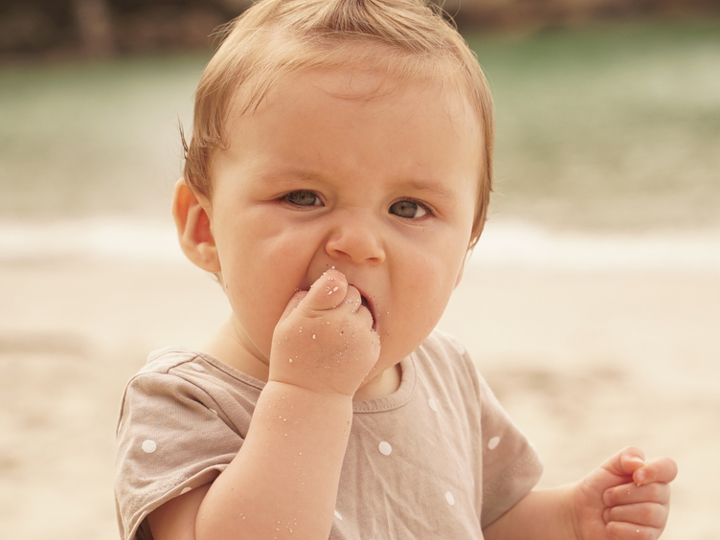
Image Source: cambspborochildrenshealth.nhs.uk
The Toddler Mouthing Phase: A Natural Way to Explore
Your toddler is a busy little explorer. They learn about the world with all their senses. Their mouth is a very important tool for this. Babies and toddlers put things in their mouths to learn about them. They find out if something is hard or soft. They learn if it is rough or smooth. They find out what it tastes like. This is a big part of toddler developmental milestones eating.
This phase is quite normal. It usually starts when they are tiny babies. It can go on until they are about 18 months old. For some children, it may last a bit longer. They put toys, clothes, and yes, even paper, in their mouths. Paper is often around. It is easy to grab. It feels interesting in the mouth. It can tear easily. This makes it fun for them to chew and explore.
This kind of toddler eating non food items is often harmless. They are not trying to eat the paper for food. They are just trying to feel it. They want to know what it is like.
Here is why mouthing is normal:
- Sensory input: Their mouths have many nerves. These nerves send messages to their brain. This helps them learn about how things feel.
- New skills: Mouthing helps them get ready for eating real food. It helps them learn to chew. It helps them move things around in their mouth.
- Stress relief: Chewing can also help calm a toddler. It can be like a soothing habit.
So, if your young toddler puts a piece of paper in their mouth now and then, do not worry much. It is often just a step in their learning. But watch them. Make sure they do not eat too much. Also, make sure the paper is clean and safe.
Discerning Pica: When Eating Paper Becomes a Concern
While some mouthing is normal, eating non-food items can also be a sign of pica. This is different from just exploring. Pica in toddlers means they keep eating things that are not food. They do this for a month or more. These items have no nutritional value. It is not part of their culture or a normal game.
h4 Defining Pica in Toddlers
Pica is a feeding problem. A child with pica eats things like:
* Paper
* Dirt or clay
* Paint chips
* Hair
* Cloth
* Soap
* Ice (though ice is not always considered pica)
It is important to note that pica is not just tasting something. It is eating it. They might even seek out these items. Pica is more likely to be a problem if it happens often. It is also more of a concern as a child gets older. For children under 18 months, eating non-food items is very common. It is usually seen as part of normal growth. But if they are older and still do it, or if they eat large amounts, it is time to look deeper.
h4 Common Causes of Pica
There are many reasons why a child might develop pica. Sometimes, it is linked to a lack of certain nutrients. Other times, it is tied to how they feel or how their brain works.
Possible reasons for pica include:
- Nutrient Lack: This is a big reason. When a child lacks iron or other vital nutrients, their body might crave things that are not food.
- Developmental Delays: Children with certain growth delays might be more likely to have pica. This is because they may have trouble understanding dangers. Or they might have trouble processing sensory input.
- Mental Health Issues: Sometimes, pica can be linked to stress, anxiety, or trauma. Eating non-food items might be a way to cope with strong feelings.
- Sensory Needs: Some children with pica are sensory seekers. They might crave how paper feels in their mouth.
- Medical Conditions: In rare cases, pica can be a sign of other medical issues. Your doctor can help check for these.
It is key to talk to a doctor if you think your child has pica. They can help find the cause. They can also make sure your child is safe.
Dietary Deficiencies and Paper Eating
One of the most common reasons for pica is a lack of important nutrients. When a child’s body does not get enough of certain vitamins or minerals, it can lead to strange cravings.
h4 Toddler Iron Deficiency
A big reason for pica is a lack of iron. Toddler iron deficiency is quite common. Iron helps carry oxygen in the blood. When a child does not get enough iron, they can feel tired. They might look pale. They might not grow as well. Their body might also start to crave non-food items. Paper is a common item that children with iron deficiency might eat.
Signs of low iron in toddlers can include:
- Pale skin: Their skin might look lighter than usual.
- Tiredness: They might seem sleepy or have low energy.
- Weakness: They might not play as much.
- Poor appetite: They might not want to eat healthy foods.
- Eating non-food items: This is a key sign, like eating paper.
If you think your child might have low iron, talk to your doctor. They can do a simple blood test to check. If your child does have low iron, the doctor might suggest iron drops or changes to their diet. Often, when the iron levels get better, the pica goes away.
h4 Toddler Nutrition Deficiencies
It is not just iron. Other nutrient problems can also cause pica. Toddler nutrition deficiencies mean that a child is not getting enough of what their body needs to grow.
Other nutrients linked to pica include:
- Zinc: This mineral helps with growth and the immune system. Not enough zinc can sometimes lead to pica.
- Calcium: Important for strong bones. A lack can sometimes cause strange cravings.
- Other vitamins: A general lack of a balanced diet can sometimes make a child crave non-food items.
Why are toddlers often lacking these nutrients?
- Picky eating: Many toddlers are picky eaters. They might not eat a wide range of foods. This can make it hard to get all the needed nutrients.
- Fast growth: Toddlers grow very fast. They need a lot of energy and nutrients.
- Diet choices: Some families might have diets that do not fully meet a toddler’s needs.
A balanced diet is very important for all toddlers. Make sure they eat a variety of fruits, veggies, whole grains, and protein. If you are worried about their diet, talk to your doctor or a dietitian. They can offer ideas to help your child get all the nutrients they need. Addressing these nutrient gaps is a key part of how to stop toddler eating paper due to diet reasons.
Sensory Exploration and Beyond
Sometimes, eating paper is not about hunger or missing nutrients. It is about how things feel. Toddlers are still learning about their bodies and the world. Their senses play a big role.
h4 Toddler Sensory Seeking Behavior
Some toddlers might eat paper because they are toddler sensory seeking behavior. This means they look for certain feelings from their environment. They might like how paper feels in their mouth. It might tear in an interesting way. It might make a sound when they chew it.
How does paper fit into sensory seeking?
- Oral input: The act of chewing gives input to their jaw and mouth. This can be calming or exciting for some children.
- Texture: Paper has a unique texture. It might be soft or rough. It might feel different when it gets wet.
- Tearing and ripping: The act of ripping paper can be very satisfying. It creates noise and a visual change.
- Taste: Even if it has no food value, paper has a subtle taste. This might be part of what they are looking for.
This type of behavior is often seen in children who are sensory seekers. They might also enjoy crashing into things, spinning, or touching everything. If your child shows many sensory seeking traits, eating paper might be one way they get the input they need. An occupational therapist can help if you think your child is a strong sensory seeker. They can suggest safe ways for your child to get the sensory input they need.
h4 Toddler Developmental Milestones Eating: A Broader View
As we said before, putting things in the mouth is part of normal toddler developmental milestones eating. Babies use their mouths to explore long before they eat solid foods. This oral exploration continues into toddlerhood.
Consider these points:
- Learning about objects: Their mouth is like a second hand for them. It helps them learn about the size, shape, and texture of things.
- Hand-to-mouth coordination: This skill is still developing. They get better at grabbing things and bringing them to their mouth.
- Teething: Chewing can also be a way to ease pain from teething. The pressure on their gums can feel good.
So, for many toddlers, eating paper is just a fleeting phase. It is part of their natural growth. It shows they are learning and exploring. But as they grow, they should start to learn what is food and what is not. If they do not, or if the behavior gets worse, that is when it is time to look into it more deeply.
Identifying Red Flags: When to Worry
It can be hard for parents to know when to worry. When is it just normal exploration? When is it a sign of pica in toddlers or another issue? Here are some signs that mean it is time to seek help.
h4 Signs that Need Attention
You should watch for these signs if your toddler is eating paper:
- Age: If your child is older than 18 months to 2 years and still often eats paper or other non-food items, it is worth looking into.
- Amount: Is your child eating small bits, or are they eating large amounts of paper? Eating a lot means a higher risk of harm.
- Frequency: Is it a one-time thing, or do they do it many times a day? Regular eating of paper is a bigger worry.
- Seeking out items: Does your child actively look for paper to eat? Do they seem to crave it?
- Not stopping when redirected: If you try to stop them, do they keep going back to it?
- Other symptoms: Look for other signs like:
- Tiredness or low energy
- Pale skin
- Stomach pain or upsets
- Weight loss
- Not eating healthy food
- Behavior changes (like being very irritable)
- Eating unsafe items: If they are eating things like paint, sharp objects, or things with chemicals, get help right away. These can cause serious harm.
h5 Table: When to Seek Medical Advice for Paper Eating
| Factor | Normal Exploration Signs | When to Worry & Seek Help |
|---|---|---|
| Age | Under 18 months, often putting items in mouth. | Over 18 months, still eating non-food items often. |
| Amount | Small tastes, torn bits. | Eating large pieces or many pieces. |
| Frequency | Happens sometimes, not daily. | Happens many times a day, consistently. |
| Intent | Exploring texture, feeling. | Actively seeking out paper to eat, craving it. |
| Other Signs | Otherwise healthy, growing well. | Pale skin, tired, stomach problems, poor appetite, behavior changes. |
| Item Safety | Clean paper, soft items. | Paint chips, sharp items, dirty items, chemical-covered items. |
h4 When to See a Doctor
If you see any of the “When to Worry” signs, it is time to talk to your child’s doctor. Do not wait. It is always better to check.
What the doctor might do:
- Ask questions: They will ask about your child’s eating habits, growth, and general health. They will want to know how long the paper eating has been going on.
- Physical check-up: They will check your child for any signs of nutrient lack.
- Blood tests: They might do blood tests. These tests can check for toddler iron deficiency and other nutrient problems. They can also check for lead poisoning if paint chips are eaten.
- Referrals: If needed, they might send you to other experts. This could be a dietitian for food advice. It could be an occupational therapist for sensory needs. Or it could be a child psychologist for behavior issues.
Getting help early can prevent bigger problems. It ensures your child gets the right support for their health and growth.
Gentle Ways to Help Your Toddler
Once you know why your toddler eats paper, you can take steps to help them. The way you help will depend on the reason. But many simple tips can work for all cases.
h4 How to Stop Toddler Eating Paper
Stopping the behavior needs patience and a gentle touch. Here are some ideas:
- Remove the source: The easiest way is to keep paper out of reach. Put away books, magazines, and tissues. Clean up paper scraps right away.
- Redirect with safe options: When you see them reach for paper, gently take it away. Then, offer a safe toy or food item. Say, “Paper is not for eating. Here is your chewy toy!”
- Offer chewy foods: Give them foods that need a lot of chewing. This can help meet oral needs. Examples include:
- Carrot sticks (if old enough to chew well)
- Apple slices
- Meat jerky (soft kinds)
- Celery sticks
- Hard bread crusts
- Increase fiber and fluid: If they eat paper due to feeling full from non-food items, make sure their diet is rich in fiber and fluid. This helps digestion.
- Watch them closely: Keep a close eye on your toddler, especially in places where paper is common.
- Talk about it simply: Use clear, simple words. “Paper is not food.” “We only eat food.” Keep it short and firm.
- Do not scold or punish: Getting angry often does not help. It can make the child feel bad. It might even make the behavior worse. Focus on gentle guidance and finding the root cause.
- Praise good choices: When they chew a safe toy or eat real food, tell them “Good job!” Positive words help them learn.
h4 Safe Alternatives for Toddler Chewing
Giving your child safe things to chew is a great way to help. These items can meet their need for oral input. They also keep them away from unsafe items.
Table: Safe Chewing Alternatives
| Type of Alternative | Examples | Benefits |
|---|---|---|
| Chewy Toys | Silicone chew toys, teething rings, chewy necklaces. | Safe, durable, easy to clean, designed for chewing. |
| Oral Motor Tools | Z-Vibes, Chewy Tubes (used under guidance). | Offer targeted oral input, often used for sensory needs. |
| Hard Foods | Carrot sticks, apple slices, celery sticks, hard pretzels, firm bread crusts, cucumber slices. | Provide good resistance, natural textures, some nutrients. |
| Frozen Foods | Frozen fruit (berries, bananas), frozen waffles. | Soothing for gums, offer sensory input. |
| Rubber Teethers | Soft, textured rubber teethers. | Good for general mouthing, can be chilled. |
| Washcloth | Wet, chilled washcloth. | Simple, cheap, can soothe gums. |
When choosing alternatives, make sure they are:
* Age-safe: Not too small to be a choking risk.
* Non-toxic: Made from safe materials.
* Durable: Will not break apart easily.
* Clean: Wash them often.
h4 Ensuring Toddler Nutrition
If a nutrient lack is the cause, getting your child’s diet right is key.
- Offer iron-rich foods:
- Red meat, chicken, fish
- Beans, lentils, tofu
- Fortified cereals (cereals with added iron)
- Dark green leafy veggies like spinach (serve with Vitamin C to help absorption)
- Pair iron with Vitamin C: Vitamin C helps the body take in iron. Serve iron-rich foods with oranges, berries, or broccoli.
- Limit cow’s milk: Too much cow’s milk can fill up a toddler. It can also make it harder for their body to take in iron. Limit milk to 16-24 ounces a day for toddlers over one year.
- Offer a variety of foods: Try to give your child different foods each day. This helps them get all the vitamins and minerals they need.
- Mealtime routine: Eat meals at the same time each day. Make mealtimes calm and happy.
- Do not force food: Forcing a child to eat can make them more picky. Let them choose how much they eat from the healthy foods you offer.
- Supplements: Only give supplements if your doctor tells you to. They can suggest the right type and amount if your child needs them.
Working with your doctor and possibly a dietitian can help you make a good food plan for your child. Getting their body what it needs is a strong way to stop toddler eating non food items.
The Journey Ahead
Seeing your toddler eat paper can be startling. But know that you are not alone. Many parents face this issue. For most, it is a passing phase of normal growth. For others, it might signal a need for more support.
By observing your child closely, asking for help when needed, and offering safe alternatives, you can guide them. Remember to be patient and kind. Your toddler is still learning. With the right care, your child can move past this stage. They can grow into a healthy and happy eater.
Frequently Asked Questions (FAQ)
h4 Q1: Can eating paper harm my toddler?
A1: A small bit of clean paper is not likely to cause harm. But eating a lot, or eating dirty paper, or paper with ink or chemicals, can be risky. It can lead to stomach upset, blockages, or exposure to harmful substances. If your child eats a lot of paper or seems unwell, see a doctor.
h4 Q2: Is pica a sign of autism?
A2: Pica can happen in children with autism, but it is not a direct sign of autism. Many children with pica do not have autism. However, children with autism often have sensory seeking behaviors. These behaviors can sometimes include pica. If you have concerns about autism, talk to your doctor.
h4 Q3: How long does the toddler mouthing phase last?
A3: The normal mouthing phase usually lasts until a child is around 18 months to 2 years old. After this, they should start to learn what is food and what is not. If it continues often past this age, it is good to talk to your doctor.
h4 Q4: Can anxiety cause a toddler to eat paper?
A4: Yes, in some cases. Stress or anxiety can lead to unusual behaviors, including pica. Eating non-food items might be a way for a child to cope with big feelings. If you think stress is a cause, talk to your doctor. They can help you find ways to support your child’s feelings.
h4 Q5: My toddler only eats one type of paper. Is that normal?
A5: If your toddler only eats a specific type of paper, like soft tissue paper, it could be a sign of sensory seeking. They might like the specific feel or texture of that item. It is still important to offer safe alternatives and ensure their diet is balanced. If it is persistent, talk to your doctor.