
Hearing your little one grind their teeth at night can be a strange sound. It might make you wonder, “Is teeth grinding normal for toddlers?” Yes, it often is. Many toddlers grind their teeth while they sleep. This is called sleep bruxism. It is quite common in young children. “What causes nighttime teeth grinding in toddlers?” Many things can cause it. It can be about how their teeth are growing, mild stress, or even other small health issues. We will look closely at why this happens and what you can do.
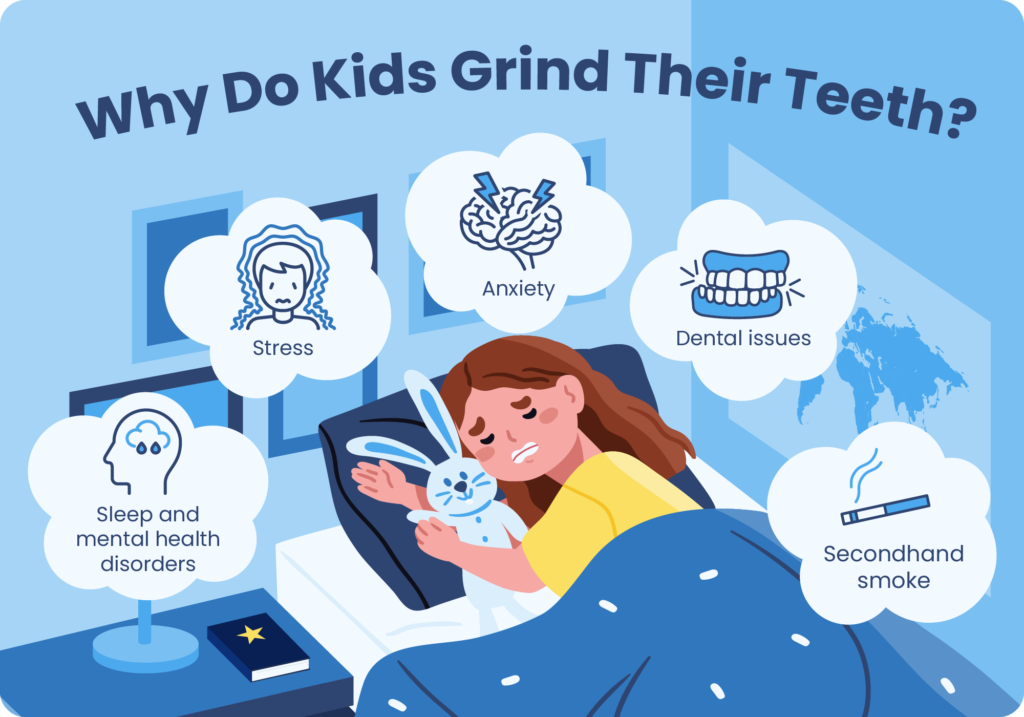
Image Source: www.sleepfoundation.org
Grasping Why It Happens
Toddler bruxism sleep happens for many reasons. It is not usually a sign of something seriously wrong. It is more often a part of growing up.
h4 Getting New Teeth
When toddlers get new teeth, it can feel odd. They might grind their teeth to help ease the feeling. It is like they are exploring how their new teeth fit together. This is a main reason for nighttime teeth grinding in toddlers. Their mouth is changing a lot. The baby teeth are coming in or getting ready to fall out later. This movement and change can make them grind.
h4 Minor Irritations
Sometimes, something small bothers them while they sleep. This could be a small earache or feeling a bit unwell. These small issues can cause grinding. Think of it like a little discomfort. Toddlers do not know how to tell you about it. Grinding might be a way their body reacts.
h4 Stress or Anxiety
Even at a young age, toddlers can feel stress. It might not be the same stress adults feel. But changes in their routine can affect them. This could be starting daycare, a new baby, moving, or even being overtired. Stress and toddler bruxism are linked. Their little bodies hold this tension. They might let it out by grinding their teeth during sleep. It is their way of dealing with feelings they do not understand.
h4 Growth and Development
A toddler’s body is growing so fast. Their jaw muscles and teeth are all changing. Sometimes, grinding is just part of this growth. Their jaw might not be fully developed yet. Grinding can be a way their muscles learn to work together. It might also help them get used to how their upper and lower teeth meet. This is a normal part of early development for some children.
h4 Other Possible Factors
Less often, other things might play a role. These include:
- Certain medicines.
- Sleep problems like snoring or pauses in breathing.
- Allergies.
- Family history of grinding teeth. If parents or siblings grind their teeth, the toddler might too.
It is good to remember that these other factors are less common than teething or mild stress for toddlers. The most likely causes of toddler teeth grinding relate to their development and small daily changes.
Spotting the Signs
The most obvious sign of toddler sleep bruxism is the sound. You might hear a loud grinding teeth sound toddler night. It can sound like scraping or crunching. It might even wake you up.
h4 Other Signs of Bruxism
Besides the sound, there are other toddler sleep bruxism symptoms. You might notice them.
- Worn down teeth: Over time, grinding can make the chewing surfaces of their teeth look flat or short.
- Tooth sensitivity: They might complain about teeth hurting, especially with hot or cold foods.
- Jaw pain: Toddler jaw pain teeth grinding can happen. They might rub their jaw or seem uncomfortable when they wake up. They might complain their face hurts.
- Headaches: Some kids get headaches from grinding, especially in the morning. This is less common in toddlers but can happen.
- Trouble opening mouth wide: Their jaw muscles can get tired or sore.
Look at your toddler’s teeth when they are awake. Do they look flatter than you expect? Do they seem sensitive to temperature? Ask if their jaw hurts, though toddlers may not have the words to explain this well. You might notice them touching their face or jaw area more than usual.
Hearing the grinding sound is the clearest sign. It happens mostly during deep sleep cycles. You might hear it more at the start of the night. The grinding teeth sound toddler night can be alarming at first. But knowing it is often harmless in toddlers can help ease your worry.
When to Get Help
For most toddlers, grinding their teeth is harmless. It often stops on its own by age 6. This is usually when they start losing baby teeth. However, there are times when you should talk to a doctor or dentist.
h4 Talking to a Pediatric Dentist
A pediatric dentist is a dentist who works with children. They are the best person to ask about toddler teeth grinding. They can check your child’s teeth and mouth. They can see if the grinding is causing problems. A pediatric dentist toddler teeth grinding visit is a good step if you are worried.
You should see a pediatric dentist if:
- You see signs of teeth wearing down a lot.
- Your child complains of toddler jaw pain teeth grinding often.
- The grinding seems very loud or happens every night.
- You notice other sleep problems, like loud snoring or pauses in breathing. These could be linked to the grinding.
- You are just worried and want to know more.
The dentist can check their bite. They can look at the teeth for signs of wear. They can also check the jaw muscles. They can tell you if the amount of grinding is normal for your child’s age. They can help you understand if it is causing any harm.
They might ask you questions about your child’s sleep habits. They might ask about any recent changes or stress in your child’s life. This helps them figure out the likely causes of toddler teeth grinding.
h4 What the Dentist Might Do
A pediatric dentist probably will not suggest a mouth guard for a toddler. Mouth guards are usually for older kids or adults. They can get in the way of jaw growth in young children.
The dentist might:
- Watch and wait. Often, this is all that is needed.
- Suggest ways to ease stress before bed.
- Look into other possible causes, like sleep apnea, if signs point that way.
- Talk about ways to help your child relax.
A visit to the pediatric dentist toddler teeth grinding concern brings peace of mind. They can tell you what is normal and when to be concerned.
Exploring the Causes in More Detail
Let’s look closer at the causes of toddler teeth grinding. Knowing the reasons can help you know what to do. Causes of toddler teeth grinding are often simple.
h4 Developmental Factors
One major reason is how their jaw and teeth are developing.
- Teething: As teeth push through gums, it can be uncomfortable. Grinding might feel good to them.
- New Teeth Meeting: When upper and lower teeth first meet, it’s a new feeling. They might grind to test this new contact.
- Jaw Muscle Growth: Toddlers are learning to use their jaw muscles. Grinding might be like an exercise for them.
This type of grinding is very common and usually stops on its own. It is part of their mouth getting used to having teeth.
h4 Physical Discomfort or Health Issues
Sometimes, physical things cause grinding.
- Ear Infections or Pain: Pain near the ear can make a toddler clench their jaw or grind.
- Allergies: Nasal stuffiness or allergies can sometimes affect sleep and lead to grinding.
- Reflux: Stomach acid coming up (reflux) might bother them and cause grinding as a reaction.
- Illness: Being sick with a cold or other minor illness can disrupt sleep and lead to grinding.
These issues are usually short-term. The grinding stops when they feel better.
h4 Emotional and Psychological Factors
Stress and toddler bruxism are definitely linked.
- Routine Changes: Big or small changes can cause stress. New caregivers, a new bed, or travel can all affect sleep and lead to grinding.
- Excitement or Stimulation: A very exciting day can make it hard for a toddler to wind down. This extra energy or stimulation might come out as grinding.
- Anxiety: Mild fears or worries (like fear of the dark) can cause tension that shows up as grinding.
- Overtiredness: Strangely, being too tired can make it harder to sleep well. This can lead to restless sleep and grinding.
Think about what has been happening in your toddler’s life. Has anything changed? Is there new excitement or worry? These things can play a role in their sleep bruxism.
h4 Genetics
Sometimes, grinding just runs in the family. If you or the other parent ground your teeth as a child, your toddler might too. This suggests there can be a genetic link to bruxism.
Here is a simple table summarizing common causes:
| Category | Examples of Causes |
|---|---|
| Developmental | Teething, New teeth meeting, Jaw growth |
| Physical/Health | Ear pain, Allergies, Reflux, Illness |
| Emotional/Stress | Routine changes, Excitement, Anxiety, Overtiredness |
| Other | Genetics, Certain medicines, Sleep issues |
Knowing these causes can help you look for patterns. If grinding starts when they are teething, it might be that. If it starts after a big change, stress might be the cause.
Addressing Toddler Teeth Grinding
Most of the time, you do not need to stop toddler teeth grinding at night. It usually goes away. But if it worries you or is causing problems, there are things you can try. The goal is often to help the child relax and feel comfortable.
h4 Helping Your Toddler Relax
Since stress and toddler bruxism are linked, helping them relax before bed can be helpful.
- Have a Calm Bedtime Routine: This is key. A predictable, quiet routine signals to their body it is time to sleep and relax.
- A warm bath.
- Reading quiet stories.
- Soft music or white noise.
- Quiet play, not rough or exciting games.
- Keep the bedroom dark, quiet, and cool.
- Talk About Their Day: For slightly older toddlers, ask about their day. Let them share any worries or excitements. Even if they cannot use many words, just listening can help.
- Limit Screen Time Before Bed: TV, tablets, and phones can be too stimulating. Turn them off at least an hour before bedtime.
- Ensure Enough Sleep: Overtiredness can make bruxism worse. Make sure they get enough sleep for their age. Stick to a regular sleep schedule, even on weekends.
These steps create a calm environment. This helps reduce tension. This might lower the chances of sleep bruxism.
h4 Checking for Discomfort
If you think physical discomfort might be the cause, you can try to address it.
- If you suspect teething pain, offer a teething toy before bed.
- If they seem stuffed up, use a nasal saline spray or humidifier (talk to your doctor first).
- If you think ear pain might be a factor, check with their doctor.
Do not give pain medicine just for grinding. Only give it if there is clear pain from something like teething or illness, and follow your doctor’s advice.
h4 When Not to Worry
It is important not to make a big deal about the grinding sound. Your toddler is sleeping. They do not know they are doing it. Telling them to stop or reacting strongly will not help. It might even add to their stress. Just let them sleep. Focus on creating a relaxing bedtime and healthy sleep habits.
h4 Is There a Cure?
There is no magic cure for how to stop toddler teeth grinding at night. It is mostly about time and development. The strategies focus on managing potential causes like stress or discomfort. For the grinding that is just part of growth, you simply wait it out.
H5 How Long Does It Last?
Toddler bruxism often starts when they are around one year old. It might stop and start. For most kids, it goes away between ages 6 and 9. It is much less common after they lose their baby teeth.
The Impact of Grinding
You might worry that the grinding will harm your toddler’s teeth. In most cases, toddler bruxism does not cause lasting damage. Baby teeth are strong. The amount of grinding done by a toddler is usually not enough to cause serious wear quickly.
h4 Potential Issues Over Time
If the grinding is very severe or lasts for many years, it could potentially cause:
- More noticeable wear on the teeth.
- Increased tooth sensitivity.
- Toddler jaw pain teeth grinding leading to soreness.
This is why it is good to have the pediatric dentist check their teeth. They can spot any potential problems early. They can monitor how much wear is happening.
h4 Why No Mouth Guards?
As mentioned, mouth guards are not typically used for toddlers. Their jaws are still growing. A mouth guard could interfere with this growth. Also, a toddler might not keep a mouth guard in their mouth.
The focus for toddlers is on finding and reducing causes like stress or discomfort. It is also about ensuring their teeth are healthy and checked regularly by a dentist.
Looking at Sleep and Grinding
Sleep is a complex thing for toddlers. Toddler bruxism sleep happens during certain sleep stages. It is not something they can control. Problems with sleep can sometimes be linked to grinding.
h4 Sleep Disruptions
Things that disrupt sleep might make grinding more likely.
- Snoring or Sleep Apnea: If a toddler snores loudly or pauses breathing, this can be a sign of airway issues. Sometimes, the body grinds or clenches as it tries to open the airway. This is a more serious cause and needs a doctor’s check.
- Restless Sleep: Waking often or moving a lot during sleep might go along with grinding.
If you notice these other sleep problems, tell your doctor or pediatric dentist. They can figure out if the grinding is related to a sleep disorder.
h4 The Role of Deep Sleep
Grinding happens mostly in the deeper stages of sleep. It is like a reflex action. The child is not aware of it. This is why they cannot stop it on their own.
Summarizing Key Points
Let’s put together what we have learned about why does my toddler grind his teeth at night.
- Toddler bruxism (sleep grinding) is common and often normal.
- Causes of toddler teeth grinding include teething, jaw development, stress, minor illnesses, and sometimes genetics or other sleep issues.
- You might hear a grinding teeth sound toddler night, or see signs like wear on teeth or toddler sleep bruxism symptoms like jaw rubbing.
- Stress and toddler bruxism are linked; helping your child relax before bed can help.
- In most cases, it does not harm their teeth.
- See a pediatric dentist toddler teeth grinding concerns arise, especially if there is tooth wear, pain, or other sleep problems.
- How to stop toddler teeth grinding at night usually involves promoting relaxation and healthy sleep, not a mouth guard.
It is important to remember that this phase usually passes. While the grinding teeth sound toddler night can be loud and concerning, it is rarely a sign of serious health problems in this age group. Focus on creating a calm, loving environment for your child, and seek professional advice if you have specific worries about their teeth or sleep.
Frequently Asked Questions
h4 Is toddler teeth grinding painful for them?
Usually, no. Most toddlers do not seem bothered by grinding. If they grind very hard or for a long time, they might feel toddler jaw pain teeth grinding. They might rub their jaw or say it hurts. If they complain of pain often, see a dentist.
h4 Can toddler teeth grinding damage their baby teeth?
In most cases, no. Baby teeth are strong. The grinding is usually not hard enough or long enough to cause real damage. A pediatric dentist can check for wear if you are concerned. Significant damage is rare in toddlers.
h4 Does teeth grinding mean my toddler is stressed?
It can be linked to stress, but not always. Stress and toddler bruxism are related, yes. But it can also be due to teething or growth. Look at their overall behavior and recent events to see if stress might be a factor.
h4 Should I wake my toddler up when they are grinding?
No, do not wake them up. They are doing it in their sleep. Waking them will not stop it in the long run and can disrupt their sleep. It is best to let them sleep through it.
h4 When does toddler teeth grinding stop?
It often stops on its own around age 6 to 9 years. This is usually when they start losing their baby teeth. It is much less common after they get their permanent teeth.
h4 What is the best way to stop toddler teeth grinding at night?
There is no single “best” way to instantly stop it. The focus is on managing potential causes. Promoting relaxation before bed, having a good sleep routine, and addressing any physical discomfort (like teething) are the main approaches. How to stop toddler teeth grinding at night is more about helping them be comfortable and relaxed than forcing the grinding to stop.
h4 Do I need to see a special doctor for this?
Start with your child’s regular doctor (pediatrician) or a pediatric dentist. A pediatric dentist is best for checking the teeth themselves. If sleep problems like snoring are also happening, the pediatrician can help figure out if you need to see a sleep specialist.
h4 Could allergies cause grinding?
Yes, sometimes. Nasal congestion from allergies can affect breathing during sleep. This can sometimes be linked to sleep bruxism. Addressing allergies might help some children. Talk to your doctor about managing your child’s allergies.
h4 Is it true that worms cause teeth grinding?
This is a common old belief, but it is not proven to be a direct cause of bruxism. While some health issues can affect sleep, pinworms are not typically considered a cause of teeth grinding in medical understanding today.
h4 Will my child grind their permanent teeth too?
Many children who grind their baby teeth stop before their permanent teeth come in. However, some people continue to grind their teeth into adulthood. It is not guaranteed to continue, but having bruxism as a child might slightly increase the chance later on.
h4 Should I give my toddler a pacifier to stop grinding?
Some people think a pacifier might help, but it is not a proven way to stop grinding. Also, pacifier use past a certain age can affect teeth and jaw growth itself. It is usually better to focus on other strategies like relaxation and addressing the root cause if known. Talk to your dentist about pacifier use.
h4 My toddler just started grinding after a new baby arrived. Is that related?
Yes, this is a classic example of stress and toddler bruxism being linked. A new sibling is a big change. It can cause stress or changes in routine. Helping your toddler adjust and feel secure can help reduce stress-related grinding.
h4 The grinding sound is so loud! Is that normal?
Yes, the grinding teeth sound toddler night can be surprisingly loud. The sound itself does not mean there is a problem. It is more important to look for other signs like pain or tooth wear. The loudness is just a result of how their teeth and jaw are set during sleep.
h4 Can teething gels help stop grinding?
If teething is causing discomfort, a teething gel might help ease the pain. This could indirectly help reduce grinding if it is caused by teething. However, only use these products as directed and talk to your doctor or dentist if you are unsure.
h4 What is the difference between clenching and grinding?
Grinding is moving the teeth back and forth across each other. This makes the loud scraping sound. Clenching is biting down hard without moving the jaw much. Both are types of bruxism. Grinding is usually what parents hear at night. Clenching can happen during the day or night. Clenching can also cause jaw pain.
This covers the main points about toddler teeth grinding. Remember, it is often a normal part of their growth. Stay calm, focus on healthy habits, and talk to a pediatric dentist if you have concerns.