
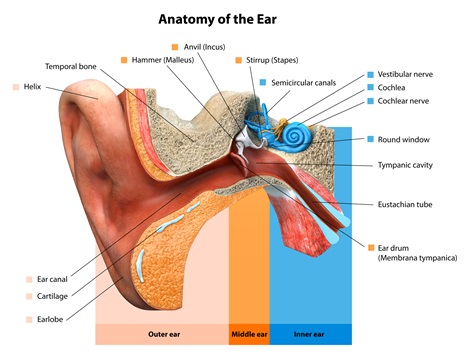
Image Source: www.hopkinsmedicine.org
Why Does My Toddler Keep Getting Ear Infections? Signs & Solutions.
When to worry about recurring ear infections? You should worry about recurring ear infections if your toddler gets ear infections often, more than three times in six months or four times in a year. Also, worry if the infections do not go away with medicine, or if they affect your child’s hearing, speech, or balance. This guide will help you see why your child keeps getting them and what you can do.
Grasping Ear Infections in Toddlers
Ear infections are a common problem for little ones. The medical term for an ear infection is otitis media. When toddlers keep getting them, doctors call it recurrent otitis media in toddlers. This means the child has ear infections over and over again. It can be a very tough time for both the child and the parents.
Ear infections usually happen in the middle ear. This is the space right behind the eardrum. This space has small bones that help us hear. A tiny tube, called the Eustachian tube, connects the middle ear to the back of the throat. This tube helps drain fluid and keep air pressure even.
In toddlers, these tubes are small and sit more flat. This makes it easy for them to get blocked. When they get blocked, fluid can build up. This fluid is a perfect place for germs to grow. These germs then cause an infection.
Deciphering Why Toddlers Get Frequent Ear Infections
Many things make toddlers more likely to get ear infections often. These are the causes of chronic ear infections in children. It is not just one thing. Often, it is a mix of several issues.
The Role of Tiny Tubes and Growing Bodies
A big reason toddlers get ear infections is their body size and how it is still growing.
- Small Eustachian Tubes: As mentioned, a toddler’s Eustachian tubes are smaller and more flat than an adult’s. This makes them block easily. Swelling from a cold or allergies can close them off.
- Developing Immune System: A toddler’s body is still learning to fight germs. Their immune system is not as strong as an adult’s. They pick up new germs often, especially from other kids.
- Adenoids: These are small lumps of tissue at the back of the throat, near the Eustachian tubes. They are part of the immune system. But sometimes, they get swollen or infected. When this happens, they can block the Eustachian tubes. This leads to adenoids and ear infections in children.
Risk Factors for Toddler Ear Infections
Beyond body design, many things can make a toddler more likely to get ear infections. These are risk factors for toddler ear infections.
- Age: Young children are most at risk. Children under two years old get the most ear infections. Their bodies are still developing in many ways.
- Daycare or Group Settings: Children in daycare are around more germs. They catch colds and flu more often. These sicknesses can lead to ear infections.
- Bottle Feeding: Children who are bottle-fed, especially while lying down, are more prone to ear infections. Milk can flow into the Eustachian tubes. Breastfeeding helps protect against infections.
- Secondhand Smoke: If someone smokes in the home, the child breathes in the smoke. Smoke hurts the tiny hairs that clear the Eustachian tubes. It also makes the tubes swell. This is a big risk factor.
- Pacifier Use: Some studies show that frequent pacifier use can increase ear infection risk. The sucking motion can affect how the Eustachian tubes work.
- Allergies: Children with allergies may have more swelling in their nasal passages and throats. This swelling can block the Eustachian tubes.
- Family History: If parents or siblings had many ear infections as children, the toddler might also be more likely to get them. This is a genetic link.
- Seasonal Sicknesses: Colds, flu, and RSV (Respiratory Syncytial Virus) are common in fall and winter. These illnesses often lead to ear infections.
Fluid Behind the Eardrum: A Hidden Danger
Sometimes, after an ear infection, fluid stays behind the eardrum. This is called fluid behind eardrum toddler or otitis media with effusion. This fluid might stay there for weeks or months. It is not an active infection, but it can cause problems:
- Hearing Loss: The fluid makes it hard for sound to pass through. This can lead to temporary hearing loss.
- More Infections: The fluid creates a perfect home for new germs. So, a child with fluid may get more infections.
- Speech Delays: If a child cannot hear well for a long time, it can slow down their speech and language skills. This is a major concern.
Signs of an Ear Infection in Your Toddler
Toddlers cannot tell you their ear hurts. So, parents need to watch for signs. It is important to know these signs to get help early.
- Pulling at Ears: This is a very common sign. Your child might tug, rub, or pull at one or both ears.
- Fever: Many ear infections come with a fever, from low-grade to high.
- Fussiness and Crying: Your child might be more upset than usual, crying a lot, especially when lying down.
- Trouble Sleeping: Pain can get worse when lying flat, making it hard for your child to sleep.
- Loss of Balance: Ear infections affect the inner ear, which helps with balance. Your child might seem clumsy or stumble more.
- Drainage from Ear: You might see yellow, white, or bloody fluid coming from the ear. This means the eardrum might have a small hole.
- Less Appetite: Your child might not want to eat or drink. Sucking and chewing can hurt the ears.
- Not Responding to Sounds: If your child seems to not hear well, or does not turn when you call, it could be fluid or pain affecting hearing.
Here is a quick table of common signs:
| Sign | What It Might Look Like |
|---|---|
| Pulling/Tugging Ears | Repeatedly touching or pulling one or both ears. |
| Fever | Body temperature above 100.4°F (38°C). |
| Fussiness/Crying | Unexplained irritability, more crying than usual. |
| Sleep Problems | Waking often at night, difficulty falling asleep. |
| Loss of Balance | Stumbling, falling more often. |
| Ear Drainage | Fluid (yellow, white, bloody) coming from the ear. |
| Less Appetite | Refusing food or drinks, especially bottles. |
| Not Responding to Sounds | Not reacting to quiet sounds or calls. |
When to Seek Medical Help for Recurring Ear Infections
As mentioned earlier, it is important to know when to worry about recurring ear infections. If your child has:
- Three or more ear infections in six months.
- Four or more ear infections in 12 months.
- Ear infections that do not get better with medicine.
- Signs of hearing loss or speech delay.
- Fluid behind the eardrum for more than three months.
- Very high fever or severe pain.
In these cases, talk to your child’s doctor right away. They might send you to a specialist, an ENT (Ear, Nose, and Throat) doctor.
Treatment Options for Frequent Ear Infections
When ear infections keep coming back, doctors look at different ways to help. These are treatment options for frequent ear infections.
Initial Steps: Watching and Waiting, or Medicine
For a simple ear infection, doctors may suggest different things:
- Watchful Waiting: For some mild ear infections, especially in older toddlers (over 2 years) or if the pain is not bad, doctors might suggest waiting 24-48 hours. This is because some ear infections clear up on their own.
- Antibiotics: If the infection is clear or severe, your doctor will prescribe antibiotics. These medicines kill the germs. It is very important to finish all the medicine, even if your child feels better. Stopping early can make the infection come back or become harder to treat.
- Pain Relief: Give your child pain medicine like ibuprofen or acetaminophen to help with pain and fever. This makes your child more comfortable. Never give aspirin to children.
Addressing Persistent Fluid
If fluid stays behind the eardrum for a long time, doctors need to act. This is because of the risk of hearing problems and more infections.
- Monitoring: First, the doctor might just watch the fluid. Many times, it goes away on its own within a few weeks or months.
- Hearing Tests: If fluid stays for three months or more, a hearing test is often done. This checks if the fluid is affecting hearing.
-
Ear Tubes: If hearing is affected, or if the child keeps getting infections with fluid, tiny tubes might be put in the eardrum. These are called ear tubes for chronic ear infections in kids.
- What are Ear Tubes? These are very small, hollow tubes. A surgeon puts them through a tiny cut in the eardrum.
- How They Help: The tubes let air into the middle ear and let fluid drain out. This stops fluid buildup and helps prevent new infections. It also helps restore hearing.
- The Procedure: It is a quick surgery. Your child will get a short-acting general sleep medicine. The doctor makes a tiny cut in the eardrum and places the tube. It usually takes less than 15 minutes.
- After Surgery: Most children feel better quickly. The tubes usually fall out on their own after 6-18 months. Sometimes, another set of tubes is needed later.
Considering Adenoid Removal
Sometimes, swollen or infected adenoids are the main reason for recurring ear infections, especially in older toddlers or preschoolers.
- Adenoids and Ear Infections in Children: The adenoids are close to the Eustachian tubes. If they are large or infected, they can block the tubes or act as a source of germs.
- Adenoidectomy: If ear tubes do not work, or if adenoids are a big problem, doctors might suggest removing them. This surgery is called an adenoidectomy. It can often be done at the same time as ear tube placement. This helps clear the back of the throat and stops the blockage of the Eustachian tubes.
Preventing Ear Infections in Young Children
While you cannot stop all ear infections, you can do many things to lower your child’s risk. These are key ear infection prevention tips for toddlers.
Hygiene and Germ Control
- Hand Washing: Wash your child’s hands often with soap and water. Teach them to wash their hands, especially after coughing or sneezing, and before eating. Wash your own hands often too. This cuts down on germs.
- Avoid Sick People: Try to keep your child away from people who are sick with colds or flu.
- Clean Toys: Clean toys, especially shared ones, often. Germs can live on surfaces.
Feeding Practices
- Breastfeeding: If possible, breastfeed your baby for at least the first 6 months. Breast milk has special things that boost your child’s immune system. This helps fight off infections.
- Bottle-Feeding Position: If bottle-feeding, hold your child in an upright position. Never let them lie flat with a bottle. This stops liquid from flowing into the Eustachian tubes.
- No Bedtime Bottles: Avoid giving your child a bottle in bed. If they fall asleep with milk or juice in their mouth, it can pool and cause issues.
Reducing Exposure to Irritants
- Say No to Smoke: This is very important. Do not smoke around your child, and do not let anyone else smoke in your home or car. Secondhand smoke is a major cause of ear infections.
- Limit Pacifier Use: If your child uses a pacifier, try to limit its use, especially after 6-12 months of age. You can try to use it only at bedtime or for comfort, not all the time.
- Control Allergies: If your child has allergies, work with your doctor to manage them. Treating allergies can reduce swelling that leads to ear infections.
Vaccinations and Health Habits
- Flu Shot: Get your child a flu shot every year. The flu can often lead to ear infections.
- Pneumococcal Vaccine (PCV13): This vaccine protects against certain types of bacteria that cause ear infections, pneumonia, and meningitis. Make sure your child gets all their shots on time.
- Healthy Diet: Feed your child a balanced diet full of fruits and vegetables. This helps build a strong immune system.
- Good Sleep: Make sure your child gets enough sleep. Being tired can weaken their immune system.
Here is a summary of ear infection prevention tips:
| Category | Prevention Tip | Why It Helps |
|---|---|---|
| Hygiene | Wash hands often. | Stops spread of germs. |
| Avoid sick people. | Reduces exposure to viruses. | |
| Feeding | Breastfeed if possible. | Boosts immune system. |
| Bottle-feed upright. | Prevents fluid entering ear tubes. | |
| No bedtime bottles. | Prevents fluid pooling. | |
| Environment | No secondhand smoke. | Protects ear tubes from damage and swelling. |
| Limit pacifier use. | Lessens Eustachian tube dysfunction. | |
| Manage allergies. | Reduces inflammation that blocks tubes. | |
| Health & Vaccines | Get flu shot yearly. | Prevents flu, which often leads to ear infections. |
| Ensure full PCV13 vaccination. | Protects against bacteria causing ear infections. | |
| Healthy diet & sleep. | Supports a strong immune system. |
Long-Term Outlook for Toddlers with Recurring Ear Infections
Most children outgrow recurrent ear infections by age 5 or 6. As they get older, their Eustachian tubes grow longer and become more slanted. This makes them drain better. Their immune systems also become stronger.
Even with many ear infections, most children do not have lasting problems with hearing or speech if their infections are treated well. It is key to work closely with your child’s doctor and follow their advice. Regular check-ups, especially for hearing, are important if fluid or infections are a constant issue.
Frequently Asked Questions (FAQ)
Q1: Does teething cause ear infections?
No, teething does not directly cause ear infections. However, teething can make toddlers fussy and cause them to pull at their ears, which are also signs of an ear infection. This can make it hard to tell the difference. If your child has a fever or other clear signs of infection, it is best to see the doctor.
Q2: Can allergies cause ear infections?
Yes, allergies can cause ear infections. Allergies make the lining of the nose and throat swell. This swelling can block the Eustachian tubes, leading to fluid buildup and creating a place for germs to grow. Managing your child’s allergies can help reduce ear infections.
Q3: How do I know if my child has fluid behind their eardrum?
You cannot tell for sure without a doctor looking in their ear with a special tool called an otoscope. Sometimes, you might notice your child seems to have trouble hearing or does not respond when you call. This is a sign that fluid might be present. Your doctor can confirm it.
Q4: Are ear tubes safe for toddlers?
Yes, ear tubes are very safe for toddlers. It is a common and quick surgery. The risks are very low. Most children have no problems and feel much better after getting tubes. They can hear better, and infections happen much less often.
Q5: Can chronic ear infections lead to speech delays?
Yes, chronic ear infections, especially those with fluid behind the eardrum, can lead to temporary hearing loss. If this hearing loss lasts a long time during a child’s key learning years, it can delay speech and language development. This is why addressing fluid and recurring infections is so important.
Q6: Do essential oils or home remedies work for ear infections?
It is very important to talk to your doctor before using any home remedies or essential oils. There is little proof that these work for active ear infections, and some can even be harmful. Always follow your doctor’s advice for treating ear infections. Pain relief approved by your doctor is generally safe to help with discomfort.