
Your toddler may pee a lot for many reasons. Often, it is normal and nothing to worry about. Their bladder is small, and they drink often. Sometimes, it can be due to drinking more, being nervous, or starting potty training. You should worry if your child shows signs like pain when peeing, fever, or cloudy pee, which can be signs of a UTI. Knowing what is normal helps ease your mind. This guide will help you learn about your toddler’s peeing habits. It will show you when frequent peeing is okay. It will also tell you when it might be a sign of something more.
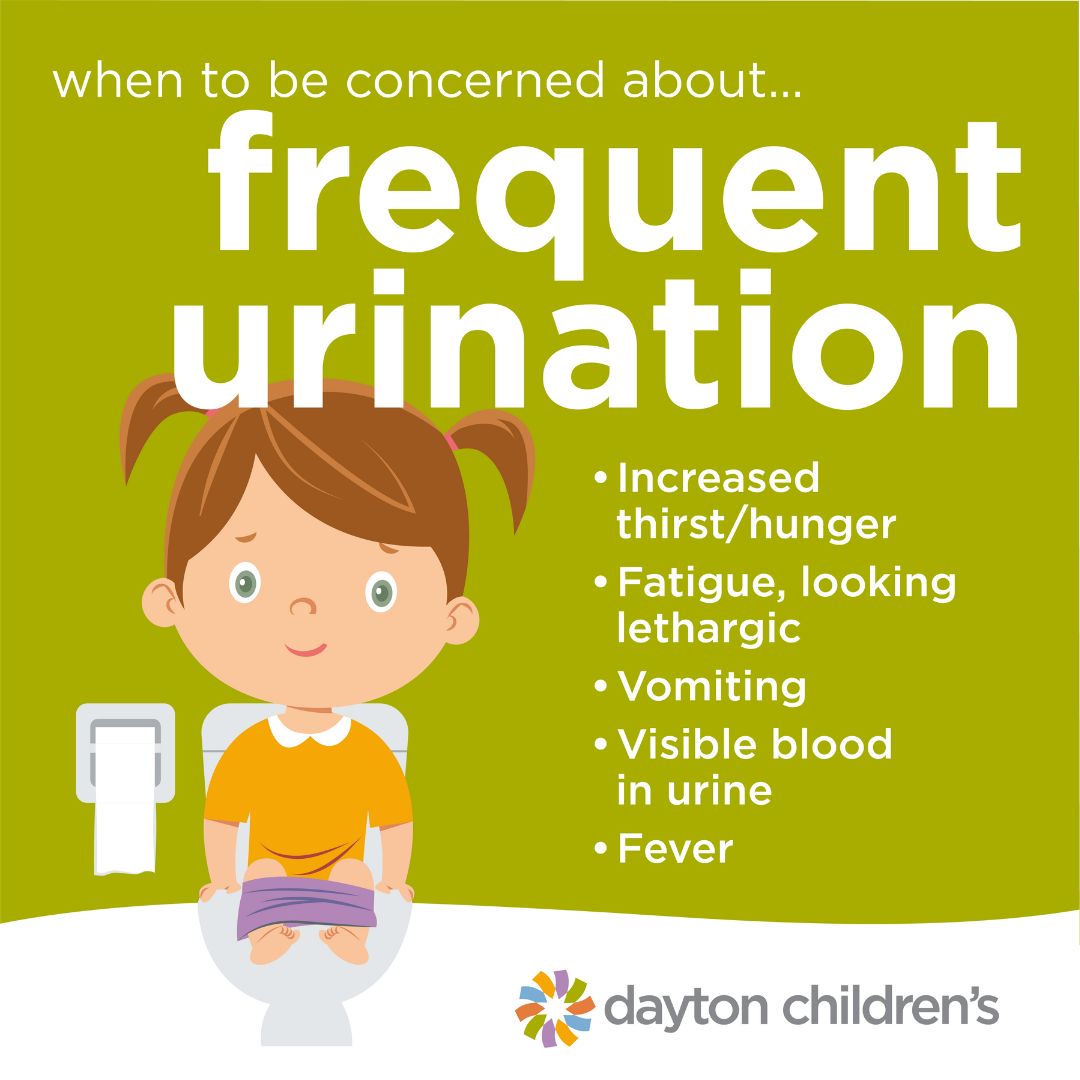
Image Source: www.childrensdayton.org
Deciphering Normal Toddler Urination Frequency
It can feel like your toddler pees all the time. But what is “normal”? How often should a toddler pee? It changes as they grow. Younger toddlers have smaller bladders. This means they need to pee more often. Older toddlers might hold it longer. This is a big part of normal toddler urination frequency.
Think of your toddler’s bladder. It is not like an adult’s. It is tiny. It holds only a little bit of liquid. So, it fills up fast. This makes frequent toddler urination a common thing. They may pee many times a day. This is usually okay.
How Much is Too Much?
There is no set number. But we can look at averages. A baby might pee every 1-3 hours. A toddler aged 1-3 years might pee 8-14 times a day. This includes times they pee during the night. A child aged 4-5 years might pee 6-10 times a day. This shows their bladder grows. It can hold more pee.
Also, what your child drinks matters. If they drink a lot of water or juice, they will pee more. This is simple math. More liquid in means more liquid out. This is a big reason for toddler drinking a lot and peeing more.
Let’s look at average peeing times:
| Age Group | Average Peeing Frequency Per Day |
|---|---|
| Newborns | 6-8 wet diapers (first few days) |
| Infants (0-6 months) | 8-12 wet diapers |
| Toddlers (1-3 years) | 8-14 times |
| Preschoolers (3-5 years) | 6-10 times |
| School-aged (6+ years) | 4-8 times |
Keep in mind, these are just averages. Every child is different. Your child’s toddler bladder habits may not fit these numbers exactly. If your child is happy and healthy, their peeing schedule is probably normal for them.
Interpreting the Causes of Frequent Toddler Urination
Many things can make a toddler pee a lot. Most of them are harmless. They are just part of growing up. Knowing these causes of frequent toddler urination can help you relax.
Simple Reasons Your Toddler Pees So Much
Let’s look at the most common reasons.
- They Drink a Lot: This is the top reason. If your child drinks a lot of water, milk, or juice, they will pee often. This is true for all people, big or small. Children are often thirsty. They run and play hard. They need to drink. So, toddler drinking a lot leads to more peeing.
- Small Bladder Size: As we said, toddlers have small bladders. They cannot hold much pee. It fills up fast. This means they need to go often. Their bladder grows as they get older.
- Bladder Training: As toddlers learn to control their bladder, they might go more often. This is part of learning. They may feel a little pee in their bladder and want to go. They are still learning how to hold it.
- Nervousness or Excitement: Strong feelings can make toddlers pee more. If they are nervous about something new, like starting daycare, they might pee more. If they are very excited about a toy, they might also need to go more. This is common.
- Temperature Changes: Cold weather can make anyone pee more. Your toddler is no different. When it is cold, the body wants to get rid of liquid faster.
- Foods and Drinks: Some foods and drinks can make you pee more. Drinks with caffeine, like some sodas, can do this. But most toddlers do not drink these. Some fruits, like watermelon, have a lot of water. Eating them can make a child pee more.
- Potty Training: This is a big one. During potty training urination frequency can go up. Toddlers are learning to listen to their body. They might go to the potty many times. They want to try. They might only pee a little each time. This is a normal part of learning. We will talk more about this.
These reasons are usually nothing to worry about. They are normal parts of a toddler’s life.
Grasping Potty Training Urination Frequency
Potty training is a huge step. It often changes your child’s peeing habits. You might see toddler frequent bathroom trips. This is very common. It is part of the learning process.
When toddlers start potty training, they are learning to feel their body’s signals. They are also learning how to control their bladder. This takes time and practice.
Why Potty Training Makes Them Pee More
- New Awareness: Before potty training, a toddler might just pee in their diaper. They do not really notice it. Once you start potty training, they learn to feel when they need to go. This new feeling makes them want to try the potty. They might feel a tiny bit of pee and rush to the potty.
- Frequent Trips: As a parent, you might ask them often. Or they might ask to go often. This is good. It means they are thinking about it. They are trying. Even if they only pee a little, it is a success. This leads to toddler frequent bathroom trips.
- Learning to Hold It: They are just starting to learn how to hold pee. They do not yet know how much pee their bladder holds. They go when they feel the first urge. Over time, they learn to wait a bit longer.
- Excitement about Success: Every time they pee in the potty, it is a big win. They might get excited. They want to do it again. This can lead to more trips.
It is important to be patient during this time. Do not make a big deal about the number of trips. Focus on their effort. Praise them for trying. This period of potty training urination frequency is a normal part of development.
When to Worry About Toddler Peeing: Spotting the Signs
While most frequent toddler urination is normal, sometimes it can signal a problem. It is good to know when to worry about toddler peeing. Knowing the warning signs can help you act fast if needed.
Important Signs to Watch For
Here are some things that might mean it is time to see a doctor:
- Sudden Increase in Peeing: If your child suddenly starts peeing much more often than before, and there is no clear reason (like drinking a lot more), pay attention.
- Pain or Crying During Peeing: If your child cries, screams, or says “ouch” when they pee, this is a red flag. It can mean pain.
- Fever with Peeing Changes: If toddler excessive peeing comes with a fever, it needs checking.
- Pee Looks Different:
- Cloudy pee: Pee that is not clear can be a sign of infection.
- Strong smell: Pee with a very bad or strange smell can be a sign.
- Bloody pee: Even a tiny bit of blood in the pee is serious. See a doctor right away.
- Bedwetting (After Being Dry): If your child was dry at night for a while, and now starts bedwetting again, it can be a sign. This is especially true if it happens often.
- Increased Thirst: If your child is peeing a lot AND drinking much more than usual, it can be a sign of certain health issues, like diabetes.
- Changes in Appetite or Weight: If they are peeing a lot and also not eating well, losing weight, or seem very tired, see a doctor.
- Daytime Wetting (After Being Dry): Similar to bedwetting, if they were dry during the day and start having many accidents, it could be a sign.
- Back or Side Pain: Pain in the back or side area can mean a kidney problem.
These signs, especially when seen together, need a doctor’s check. Do not wait if you see these.
Signs of UTI in Toddlers
A common reason for concern is a Urinary Tract Infection (UTI). This is when germs get into the urinary system. UTIs can happen in toddlers. They need to be treated. Here are the main signs of UTI in toddlers:
- Pain or burning when peeing: They might cry or grab their private parts.
- Peeing more often than usual: This can be one of the first signs.
- Wanting to pee but only a little comes out: They might try to go many times but only drip.
- Fever: This is a common sign of infection.
- Cloudy, dark, or strong-smelling pee: These are clear signs.
- Blood in pee: Even a little pink or red color needs attention.
- New wetting accidents: If they were potty trained and start having accidents again.
- Nausea, vomiting, or stomach pain: These can happen with a UTI, especially in younger children.
- Irritability or generally feeling unwell: They might just seem sick and fussy.
If you think your child has a UTI, see a doctor. They will need a pee test. If it is a UTI, medicine will help.
Fathoming Other Medical Concerns
While UTIs are common, other issues can cause toddler excessive peeing. These are less common but good to be aware of.
Diabetes
One key concern is diabetes. If a child has diabetes, their body cannot use sugar properly. This leads to high sugar in the blood. The body tries to get rid of this sugar by peeing a lot. Signs include:
- Peeing a lot, especially at night.
- Drinking a lot more than usual.
- Losing weight, even if eating normally or more.
- Feeling very tired.
- Having a lot of sugar in their pee.
If you see these signs, see a doctor right away.
Diabetes Insipidus
This is a rare condition. It is different from regular diabetes. Here, the body does not make enough of a certain hormone. This hormone helps the kidneys keep water. Without it, the body pees out too much water. Signs are:
- Extreme thirst.
- Peeing huge amounts of very clear pee.
- Wetting the bed often.
- Sometimes, fever, vomiting, or diarrhea.
This also needs a doctor’s care.
Kidney Problems
Kidneys filter blood and make pee. If kidneys are not working right, it can change how much a child pees. This can be too much or too little. Other signs might include swelling, fever, or pain.
Overactive Bladder
Some children have a bladder that is too active. It contracts too often, even when not full. This makes them feel like they need to pee all the time. They might have urgent needs to pee. They might also have accidents. This is a function issue, not an infection. A doctor can help with this.
Constipation
Oddly, constipation can sometimes affect peeing. A full bowel can press on the bladder. This makes the bladder feel full even when it is not. This can lead to more frequent peeing. If your child is constipated often, this might be a reason.
Managing Toddler Frequent Urination: Tips for Parents
Most times, your toddler’s frequent peeing is normal. Still, as a parent, you might want to help. Here are some tips to manage toddler frequent bathroom trips and ease your mind.
Simple Home Tips
- Watch What They Drink: If your child drinks a lot, especially before bed, they will pee a lot. Try to give most liquids during the day. Limit drinks in the hour or two before sleep. This does not mean cutting out water! Just adjust timing.
- Look at Their Diet: Some foods act like diuretics. This means they make you pee more. Watermelon, grapes, and oranges have a lot of water. While healthy, if they eat a lot, they will pee more. This is fine. Just be aware.
- Encourage Proper Peeing: Teach them to sit on the potty or toilet fully. Tell them to relax their muscles. This helps them empty their bladder completely. If they leave pee in their bladder, they will need to go again soon.
- Layer Bedding: For night peeing, put a waterproof pad under the sheet. Then put a sheet on top. If they wet the bed, you can just pull off the top sheet and pad. There is another clean layer ready. This makes night changes easier.
- Potty Breaks: During potty training, offer frequent potty breaks. This helps them learn. It also helps prevent accidents. This is part of potty training urination frequency.
- No Pressure: Do not shame or punish them for accidents. This can make peeing issues worse. It can make them anxious. Keep it positive and calm.
- Keep a Log (if worried): If you are truly worried, keep a small log for a day or two. Write down when they pee. Write down how much they drink. This can give you a clearer picture. It can also help the doctor if you need to go.
When to Seek Medical Advice
If you have tried home tips and are still worried, talk to your doctor. They can give you peace of mind. Or they can find out if there is a problem. You should always see a doctor if your child shows any of the “when to worry” signs we talked about.
Guiding Your Child’s Bladder Habits
Helping your child develop good toddler bladder habits is key. This helps them learn control. It also sets them up for good health.
Teaching Good Habits
- Scheduled Potty Breaks: Even if your child does not ask, take them to the potty every 2-3 hours. This helps them learn to go before they feel a strong urge. It helps them empty their bladder regularly.
- Proper Posture: Make sure they sit on the potty with their feet flat on the floor or on a stool. This helps their bladder muscles relax. It lets them empty their bladder fully.
- No Rushing: Do not rush them when they are on the potty. Give them time. Make sure they finish peeing.
- Hydration, Not Over-Hydration: Encourage regular water intake throughout the day. But avoid large amounts right before sleep. Too much sugar or fizzy drinks are not good for anyone.
- Address Constipation: Help your child have regular, soft bowel movements. High-fiber foods and plenty of water help. A full bowel can press on the bladder and make peeing problems worse.
By guiding them gently, you help them learn control. You help them build healthy toddler bladder habits.
Summarizing What We’ve Learned
Seeing your toddler pee often can be alarming. But most times, it is just part of growing up. Their small bladder, how much they drink, and potty training all play a big role. Frequent toddler urination is normal. So is toddler frequent bathroom trips during potty training.
You now know the normal toddler urination frequency. You also know the main causes of frequent toddler urination. And you are better prepared to spot signs of UTI in toddlers or when to worry about toddler peeing.
Remember, trust your gut. If something feels off, talk to your doctor. They are there to help you and your child. With patience and good information, you can navigate this common toddler phase with ease.
Frequently Asked Questions (FAQ)
Q: Is it normal for my toddler to pee every hour?
A: Yes, it can be quite normal, especially if they are drinking a lot, are very active, or are in the early stages of potty training. Toddlers have small bladders that fill up fast.
Q: My toddler pees a lot, but only a little comes out. Is this normal?
A: During potty training, this is very common. They are learning to feel the urge to pee. They might go to the potty at the first little feeling. If it is not related to potty training and comes with pain or fever, see a doctor.
Q: Can stress make my toddler pee more?
A: Yes, stress, anxiety, or excitement can make a toddler pee more often. New situations, like starting daycare or a big family change, can lead to increased peeing.
Q: My toddler was dry at night, but now they are wetting the bed again and peeing a lot during the day. What should I do?
A: If a child who was dry starts wetting often again, especially with increased daytime peeing, it is good to see a doctor. This can sometimes be a sign of a UTI or other health issue.
Q: How can I tell if my toddler is drinking too much water?
A: If your toddler is peeing very frequently and seems very thirsty all the time, ask your doctor. They can check if their hydration is normal or if there is an underlying cause for the increased thirst and urination.
Q: What is “daytime wetting”?
A: Daytime wetting means a child who was potty trained starts having accidents during the day. This can be due to many reasons, including a UTI, constipation, overactive bladder, or even stress.
Q: How often should I offer my potty training toddler to use the toilet?
A: Offering every 2-3 hours is a good starting point. You can also offer when you notice signs they might need to go, like wiggling or holding themselves. The goal is to catch them before an accident.