
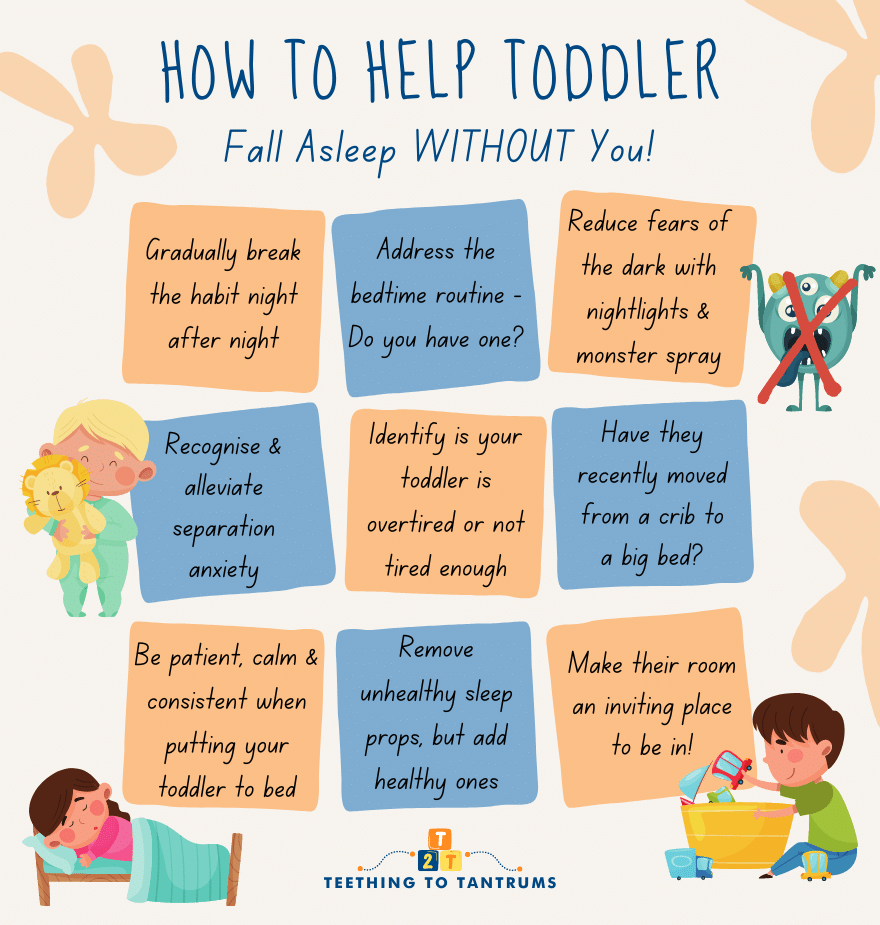
Image Source: www.teethingtotantrums.com
Why Doesn’t My Toddler Sleep: Solutions for Better Rest
Many parents ask, “Why doesn’t my toddler sleep?” The simple answer is often a mix of normal growth, changing needs, and daily habits. Toddlers go through many big changes. These changes can make sleep tricky. Things like growing new teeth, learning new skills, or even feeling worried can stop them from sleeping well. But there are good ways to help your child get better rest. This guide will show you common reasons for sleep problems and offer clear solutions.
Grasping Common Sleep Challenges
Toddlers, aged 1 to 3, are busy little people. They learn and grow at a very fast pace. This rapid growth often affects their sleep. What might look like stubbornness is often just a normal part of growing up. Let’s look at some key reasons your toddler might not be sleeping well.
Toddler Sleep Regression: A Brief Look
Have you noticed your toddler suddenly sleeping worse? This is often a toddler sleep regression. It is a common phase when sleep gets disrupted for a short time. This usually happens around 18 months or 2 years old. It can be due to big brain growth or new skills like walking and talking. Their brains are so busy learning, they find it hard to calm down for sleep. This can lead to your toddler waking up at night more often.
Physical Reasons for Poor Sleep
Sometimes, physical things make sleep hard.
* Teething: New teeth can cause pain. This pain can keep your toddler awake.
* Illness: Colds, ear infections, or other sicknesses make them feel bad. It is hard to sleep when you don’t feel well.
* Growth Spurts: When toddlers grow fast, they can feel uncomfortable. This can also make them extra hungry or thirsty at night.
Environmental Factors: The Sleep Space
The room itself plays a big role.
* Light: Too much light, even from a nightlight, can stop sleep. Our bodies need darkness to make sleep hormones.
* Noise: Loud sounds from outside or inside the house can wake a sleeping toddler.
* Temperature: A room that is too hot or too cold can make sleep hard. The best temperature is usually cool, between 68-72 degrees Fahrenheit (20-22 degrees Celsius).
Behavioral and Emotional Hurdles to Sleep
Toddlers are also learning about their feelings and how to control things. This can show up at bedtime.
Toddler Bedtime Struggles and Refusal
Many parents deal with toddler bedtime struggles. Your toddler refuses to sleep or asks for “one more story” many times. They might cry or throw a fit. This is often a way for them to test limits. They want to see what they can control. This is a normal part of their growth.
Overtired Toddler Symptoms
It might seem strange, but a tired toddler often fights sleep more. An overtired toddler symptoms include being hyper, cranky, or wired. They might rub their eyes or yawn a lot during the day. When a toddler is overtired, their body makes stress hormones. These hormones make it harder to fall asleep and stay asleep. This can cause more toddler waking up at night.
Toddler Won’t Nap: Daytime Sleep Issues
Naps are very important for toddlers. They help avoid overtiredness. If your toddler won’t nap, it can make bedtime much harder. Some toddlers drop naps too early. Others might have inconsistent nap times. This can throw off their whole sleep schedule.
Toddler Separation Anxiety Sleep
It is normal for toddlers to feel worried when you leave. This is called separation anxiety. Toddler separation anxiety sleep issues happen when they get worried at bedtime. They might cry when you leave the room. They may feel scared to be alone. This is often worse around 18 months.
Toddler Night Terrors and Nightmares
Sometimes, scary sleep events can happen.
* Nightmares: These are bad dreams. Your toddler might wake up scared and remember parts of the dream. They usually happen in the second half of the night.
* Toddler night terrors: These are different. Your toddler might scream, cry, or thrash around. Their eyes might be open, but they are still asleep. They won’t remember it in the morning. They usually happen in the first few hours of sleep. It can be scary for parents. They are not dangerous.
Crafting a Better Sleep Environment and Routine
Good sleep starts with a plan. A steady routine and a good sleep space can make a big difference.
Establishing a Consistent Toddler Sleep Schedule
A predictable toddler sleep schedule is key. Toddlers do well with routine.
* Set a fixed bedtime: Aim for the same time every night. This helps their body clock.
* Consistent wake-up time: Even on weekends, try to keep wake-up times similar.
* Nap timing: Try to have naps at the same time each day. If your toddler won’t nap, still offer quiet time.
Here is an example of a good sleep schedule for a 2-year-old:
| Time | Activity |
|---|---|
| 7:00 AM | Wake Up |
| 12:30 PM | Nap Time |
| 2:30 PM | Wake Up from Nap |
| 6:30 PM | Begin Bedtime Routine |
| 7:30 PM | Lights Out/Bedtime |
Note: This is a guide. Adjust times to fit your child’s needs. Most toddlers need 11-14 hours of sleep in a 24-hour period, including naps.
Creating an Ideal Sleep Environment
Make your toddler’s room a sleep haven.
* Darkness is key: Use blackout curtains. Make the room as dark as possible. Even small amounts of light can stop sleep hormones.
* Quiet space: Use a white noise machine if needed. This can block out other sounds. It creates a calm background noise.
* Cool temperature: Keep the room cool. Between 68-72°F (20-22°C) is best.
* Safe and simple: Keep the crib or bed clear. No too many toys.
The Calming Bedtime Routine
A good bedtime routine helps your child wind down. It tells their body that sleep is coming.
* Start early: Begin the routine about 30-60 minutes before bedtime.
* Keep it short and sweet: 3-5 simple steps.
* Examples of steps:
* Warm bath (helps relax muscles)
* Quiet play (no rough play)
* Pajamas
* Brush teeth
* Story time (read a few books)
* Cuddles and goodnights
* Do it in the same order: This makes it very predictable.
* Avoid screens: No TV, tablets, or phones at least an hour before bed. The blue light can stop sleep hormones.
Strategies for Specific Sleep Issues
Once you have a good routine, you can tackle harder problems.
Addressing Toddler Waking Up at Night
If your toddler waking up at night is a common problem, here are steps:
* Check quickly: Go in to see if they are okay. Make sure they are safe and not sick.
* Avoid long talks or play: Keep your visit short and boring.
* Comfort briefly: A quick pat or hug. Do not pick them up or turn on lights.
* “Shush” and leave: Tell them it’s sleepy time. Leave the room.
* Consistency is vital: Do the same thing every time.
Managing Toddler Bedtime Struggles and Refusal
When your toddler refuses to sleep, it can be tiring.
* Give choices: “Do you want to wear the blue PJs or the red PJs?” This gives them a sense of control.
* Stay firm: Once the routine is done, it’s lights out. Do not give in to extra requests.
* Positive reinforcement: Praise them when they follow the routine. “You did a great job staying in bed!”
* “Okay to wake” clock: Use a clock that turns a certain color when it’s okay to get up. This teaches them to wait.
* Return to bed: If they leave their bed, gently lead them back. Do this without much talk.
Gentle Toddler Sleep Training Tips
If sleep problems continue, gentle toddler sleep training tips can help. The goal is to teach your toddler to fall asleep on their own.
* Gradual Retreat/Chair Method: You sit in a chair by their bed. Each night, move the chair a bit further away. Eventually, you are out of the room.
* Check-ins (Ferber Method): Put your toddler to bed. Leave the room. Come back after short, set times (e.g., 5 mins, then 10 mins, then 15 mins). Only check to make sure they are okay. Do not pick them up.
* Consistency: Whatever method you choose, do it every single night.
* Patience: Sleep training takes time. There will be good nights and bad nights.
Handling Toddler Won’t Nap
If your toddler won’t nap, it can throw off the whole day.
* Offer nap time: Even if they don’t sleep, offer a quiet rest time.
* Dark and calm space: Create a nap-friendly environment.
* Consistent timing: Try to put them down for a nap at the same time every day.
* Adjust expectations: As they get older (around 2.5-3 years), they might drop their nap. If they do, make sure they get an earlier bedtime.
Comforting Toddler Separation Anxiety Sleep
Toddler separation anxiety sleep can be tough.
* Transitional object: Let them have a special blanket or stuffed animal. This can offer comfort.
* Positive goodbyes: Say a quick, loving goodbye. Do not sneak out.
* “I’ll be back” game: Play hide-and-seek during the day. This teaches them you always come back.
* Routine for connection: Spend special, calm time together before bed. This fills their “love tank.”
Responding to Toddler Night Terrors
It is important to know the difference between night terrors and nightmares.
* For nightmares: Go to your child. Offer comfort and reassurance. Tell them it was just a bad dream. Stay with them until they are calm.
* For night terrors: Do not try to wake them. They are still asleep. Just make sure they are safe and cannot hurt themselves. Wait for it to pass. They will usually go back to deep sleep. Try to reduce stress during the day. Make sure they are not overtired.
Diet, Activity, and Overall Well-being
What your toddler eats and how active they are also affect sleep.
Food and Drink Before Bed
- Avoid heavy meals: A large meal right before bed can cause discomfort.
- Limit sugar: Sugary snacks or drinks can give them too much energy.
- No caffeine: This is rare for toddlers, but check drink labels. Some juices or foods might have hidden stimulants.
- Warm milk: A small glass of warm milk can be soothing for some toddlers.
Importance of Daytime Activity
- Plenty of play: Make sure your toddler gets lots of active play during the day. Running, jumping, and playing outside helps them burn energy.
- Sunshine: Exposure to natural light during the day helps set their body clock.
- Balance: Do not overschedule their day. Too much activity can also lead to overtiredness.
When to Seek Expert Advice
Most toddler sleep issues are normal and can be solved at home. But sometimes, you might need extra help.
Consider talking to your child’s doctor if:
* Sleep problems are severe and ongoing: If nothing you try seems to work.
* Your child has other health concerns: Like severe snoring, pauses in breathing (possible sleep apnea), or very restless sleep.
* You are feeling overwhelmed: If lack of sleep is affecting your well-being.
* Your child has unusual behaviors: Beyond normal night terrors or restlessness.
A doctor can check for medical issues. They can also offer more specific advice or refer you to a sleep specialist.
Frequently Asked Questions (FAQ)
Q1: What is toddler sleep regression?
A1: Toddler sleep regression is a phase where your toddler, who was sleeping well, suddenly starts waking more or fighting sleep. It usually happens around 18 months or 2 years. It is linked to big changes in their growth and learning.
Q2: How long does toddler sleep regression last?
A2: Most toddler sleep regression periods are short. They usually last a few weeks, often 2 to 6 weeks. Being consistent with routines helps them get back on track faster.
Q3: What are common overtired toddler symptoms?
A3: Overtired toddler symptoms include being extra active, hyper, or wired. They might also be very cranky, cry more, or have trouble focusing. Some common signs are yawning, rubbing eyes, or pulling on ears.
Q4: How much sleep does a toddler need?
A4: Toddlers (ages 1-3) typically need 11 to 14 hours of sleep in a 24-hour period. This includes nighttime sleep and daytime naps.
Q5: Can screens affect toddler sleep?
A5: Yes, screens (TVs, tablets, phones) can greatly affect toddler sleep. The blue light from screens can stop the body from making melatonin, which is a sleep hormone. It is best to avoid screens at least an hour before bedtime.
Conclusion: Peaceful Nights Ahead
Dealing with toddler sleep struggles can be one of the hardest parts of parenting. But remember, you are not alone. By deciphering the common reasons your toddler doesn’t sleep, and by putting clear steps into action, you can help them find better rest. Be patient, be consistent, and trust your instincts. With time and effort, both you and your toddler can look forward to more peaceful nights and rested days.