
What is the primary reason for American football’s massive popularity in the United States? Its popularity stems from a potent blend of thrilling action, deep-rooted traditions, strong community ties, and significant cultural resonance, all amplified by the iconic NFL and the spectacle of the Super Bowl.
American football, more than just a sport, is a cultural phenomenon in the United States. From the thunderous hits on the gridiron to the strategic chess match between coaches, the game captivates millions. This deep affection isn’t accidental; it’s cultivated over generations, fueled by the excitement of the NFL, the grandeur of the Super Bowl, and the passion of college football. Let’s delve into the multifaceted reasons behind this enduring popularity, exploring American football culture, football viewership, fan engagement, team loyalty, sports tradition, and its connection to American identity.
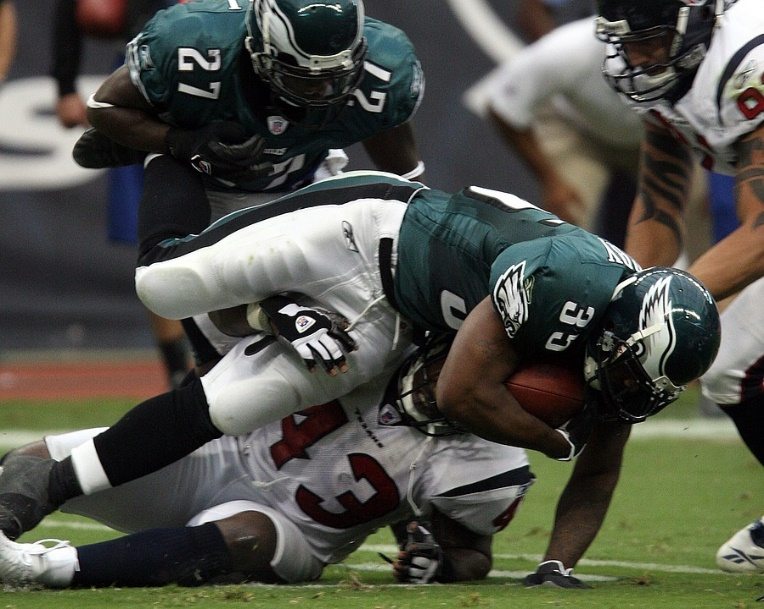
Image Source: www.americanfootballinternational.com
The Thrill of the Game: Strategy and Spectacle
At its core, American football is an intensely strategic and physically demanding sport. Unlike many other popular global sports with continuous flow, football is a game of discrete plays, offering moments of explosive action punctuated by strategic planning.
The Strategic Depth of the Gridiron
Each play is a miniature battle, a complex dance of offense and defense. Coaches and players spend countless hours devising playbooks, analyzing opponents, and executing intricate strategies. This intellectual element appeals to a segment of fans who appreciate the tactical nuances. The constant ebb and flow, the adjustments made between plays, and the sheer physicality create a compelling spectacle.
- Offensive Strategies: From powerful running games to intricate passing schemes, offenses aim to gain territory and score.
- Defensive Strategies: Defenses focus on stopping the offense, forcing turnovers, and pressuring the quarterback.
- Special Teams: The specialized units for kicking and punting add another layer of strategic importance.
Explosive Action and High-Stakes Moments
The nature of football lends itself to dramatic swings in momentum. A single turnover, a long touchdown pass, or a crucial defensive stop can completely change the course of a game. This inherent unpredictability keeps fans on the edge of their seats. The physicality of the sport, the bone-jarring tackles, and the speed of the athletes add to the visual appeal and visceral excitement.
The NFL: The Pinnacle of Professional Football
The National Football League (NFL) is the premier professional American football league and a significant driver of the sport’s popularity. It has masterfully built a brand that is synonymous with American entertainment.
A Well-Oiled Marketing Machine
The NFL is not just a sports league; it’s a masterclass in branding and marketing. It has successfully created a year-round cycle of engagement that extends far beyond the regular season and playoffs.
- Offseason Hype: The NFL draft, free agency, and training camps generate immense buzz and anticipation throughout the spring and summer.
- Regulated Drama: The league carefully manages narratives, player stories, and rivalries to maximize fan interest.
- Broadcast Excellence: Television broadcasts are high-quality productions, featuring expert analysis, compelling storytelling, and innovative camera angles.
The Sunday Ritual: A Deep-Rooted Tradition
For many Americans, Sundays in the fall are dedicated to football. This has become a cherished sports tradition, a weekly ritual that brings families and friends together. Whether watching at home, at a sports bar, or tailgating outside a stadium, the shared experience is a powerful bonding agent.
The Power of Teams and Cities
Each NFL team represents a city or region, fostering a deep sense of local pride and team loyalty. This geographic connection creates passionate fan bases that often span generations.
| Team City | Conference | Division |
|---|---|---|
| Dallas Cowboys | NFC | NFC East |
| Green Bay Packers | NFC | NFC North |
| Pittsburgh Steelers | AFC | AFC North |
| New England Patriots | AFC | AFC East |
| Kansas City Chiefs | AFC | AFC West |
- Regional Identity: Teams become symbols of their cities, and their successes or failures are often intertwined with local pride.
- Generational Loyalty: Many fans inherit their team allegiances from parents and grandparents, creating an enduring legacy of support.
The Super Bowl: More Than Just a Game
The Super Bowl is the undisputed crown jewel of American sports. It transcends mere athletic competition, evolving into a national holiday and a global entertainment spectacle.
A Cultural Touchstone
The Super Bowl is consistently one of the most-watched television events in the United States, often attracting over 100 million viewers. Its appeal extends far beyond die-hard football fans.
- Advertising Blitz: Companies pay millions of dollars for 30-second commercial spots, turning the game into a showcase for innovative and often humorous advertising.
- Halftime Shows: The elaborate musical performances during the halftime show are as eagerly anticipated as the game itself, often featuring A-list musical artists.
- Social Gathering: For many, the Super Bowl is an excuse for a party, a chance to gather with friends and family, regardless of their interest in football.
The Climax of the Season
The culmination of the NFL season, the Super Bowl represents the ultimate test of skill, strategy, and determination. The intense buildup, the high stakes, and the crowning of a champion create an unparalleled level of excitement.
College Football: The Foundation of American Football Culture
Before the NFL captures national attention, college football lays the groundwork for much of the passion and tradition associated with the sport in the United States.
A Breeding Ground for Talent and Tradition
College football is deeply embedded in the fabric of American life, particularly in certain regions of the country. Universities have massive followings, often rivaling professional teams in terms of fan loyalty and engagement.
- Campus Culture: Game days are vibrant events, characterized by tailgating, marching bands, cheerleaders, and passionate student sections.
- Rivalries: Intense rivalries between universities, often spanning over a century, create deeply invested fan bases.
- Player Development: College football serves as the primary pipeline for talent entering the NFL, meaning fans often follow players from their college days into their professional careers.
The Saturdays of Autumn
While NFL games dominate Sundays, Saturdays in the fall belong to college football. The atmosphere at college stadiums, often among the largest in the world, is electric.
Notable College Football Rivalries
| Rivalry Name | Primary Universities Involved | Traditional Game Name |
|---|---|---|
| Ohio State vs. Michigan | Ohio State, Michigan | The Game |
| Army vs. Navy | Army, Navy | Army–Navy Game |
| Texas vs. Oklahoma | Texas, Oklahoma | Red River Showdown |
| Auburn vs. Alabama | Auburn, Alabama | Iron Bowl |
| Harvard vs. Yale | Harvard, Yale | The Game (The Harvard–Yale Game) |
Fan Engagement and Team Loyalty: Building Lasting Connections
The sustained popularity of American football is built on robust fan engagement and deep-seated team loyalty.
Creating Immersive Experiences
From the roar of the crowd in a packed stadium to the interactive features on team apps, the NFL and college football leagues work tirelessly to keep fans engaged.
- Stadium Atmosphere: The experience of attending a live game, with its sights, sounds, and communal energy, is a major draw.
- Fantasy Football: The rise of fantasy football leagues has dramatically increased football viewership and engagement, requiring fans to follow multiple teams and players.
- Social Media and Digital Content: Teams and leagues leverage social media platforms to share behind-the-scenes content, connect with fans, and build online communities.
The Psychology of Team Loyalty
Team loyalty in American football is often more than just a preference; it’s a form of identity. This loyalty is cultivated through:
- Shared Experiences: Wins and losses become shared triumphs and disappointments, strengthening the bond between fans and their teams.
- Narrative and Storytelling: The league and media focus on individual player journeys, coaching battles, and historical narratives, making the sport more relatable and engaging.
- Community Belonging: Supporting a team provides a sense of belonging to a larger community, a shared passion that transcends other differences.
Football as a Reflection of American Identity
American football has become intertwined with American identity, embodying certain perceived national characteristics and values.
Embodiment of Grit and Determination
The sport is often seen as a metaphor for the American spirit: the emphasis on hard work, perseverance, overcoming obstacles, and the pursuit of excellence. The physical toughness and mental fortitude required to succeed resonate with deeply held cultural ideals.
A Unifying Force
In a diverse nation, sports can act as a powerful unifying force. The shared passion for a team or the excitement of a major event like the Super Bowl can bring people together, transcending political, social, and economic divides.
- Common Ground: Football provides a common topic of conversation and a shared interest that can bridge gaps between individuals.
- National Events: The Super Bowl, in particular, becomes a national event that captures the attention of the entire country, fostering a sense of collective experience.
The Economics of American Football’s Popularity
The immense popularity of American football translates into a massive economic engine.
Revenue Streams
The NFL is the most profitable professional sports league in the world, generating billions of dollars annually through various revenue streams.
- Television Rights: Broadcasting contracts, particularly for regular season games and the Super Bowl, are worth billions of dollars. This is a primary driver of football viewership.
- Merchandise and Ticketing: Sales of team apparel, tickets, and concessions contribute significantly to the league’s revenue.
- Sponsorships and Advertising: Corporate sponsorships and advertising during games, especially the Super Bowl, are a major source of income.
Economic Impact
Beyond the league itself, American football has a substantial economic impact on cities and regions that host teams and major events. Stadium construction, tourism, and local business all benefit from the sport’s popularity.
Frequently Asked Questions (FAQ)
Q1: Why is the NFL considered the most popular sports league in the US?
A1: The NFL’s popularity is due to a combination of factors including its exciting and strategic gameplay, masterful marketing and branding, strong team loyalties, the cultural phenomenon of the Super Bowl, and its deep integration into American traditions and identity.
Q2: How does college football contribute to the popularity of American football?
A2: College football serves as the foundation, introducing millions to the sport through passionate fan bases, intense rivalries, and the development of future NFL stars. Its game-day atmosphere and traditions create a lifelong connection to the sport for many.
Q3: What role does the Super Bowl play in American football’s popularity?
A3: The Super Bowl is more than just a championship game; it’s a massive cultural event that attracts a wide audience, including non-fans, through its advertising, halftime shows, and the sheer spectacle of crowning a champion. It’s the pinnacle of the sport’s appeal.
Q4: How does fantasy football impact fan engagement?
A4: Fantasy football significantly boosts fan engagement by requiring followers to track multiple teams and players, increasing overall interest in the league, and encouraging more in-depth analysis and discussion of games and player performance.
Q5: Is American football’s popularity solely driven by the NFL?
A5: While the NFL is the dominant force, the popularity is multi-layered. College football, high school football, and even youth leagues all contribute to a pervasive American football culture, ensuring a continuous stream of new fans and sustaining interest across different age groups.
In conclusion, the enduring popularity of American football in the USA is a complex tapestry woven from the excitement of the gridiron, the strategic brilliance of the NFL, the unparalleled spectacle of the Super Bowl, the foundational passion of college football, and the deep sports tradition that has shaped American identity. It’s a sport that offers thrilling entertainment, fosters strong community bonds through team loyalty and fan engagement, and has become an integral part of the nation’s cultural landscape, consistently drawing massive football viewership year after year.