
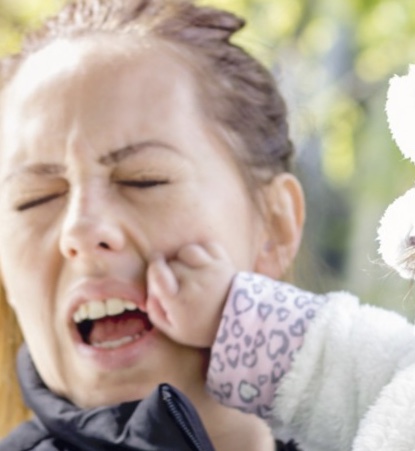
Image Source: ruthannehammond.com
Help! Why Is My Toddler Hitting Me? Get Solutions
Is your toddler hitting you? You are not alone. Many parents ask, “Why is my toddler hitting me?” It is a common problem. Toddlers often hit because they are still learning. This behavior is part of their normal growth. It does not mean your child is “bad.” It means they need help. They need to learn how to deal with big feelings. They need to learn how to talk instead of hit. Toddler aggressive behavior causes often come from frustration. They might lack words. Or they might feel overwhelmed. We will look at why toddlers hit. Then we will share ways to help them stop.
Grasping Why Toddlers Hit
Why do little ones hit? It can be upsetting. But most times, it is not meant to be mean. It is how young kids show what they feel. They do not have the words yet. Their brains are still growing. They cannot always control their bodies. This is a key part of the toddler hitting developmental phase.
Little Minds, Big Feelings
Toddlers feel things strongly. They get angry fast. They get sad fast. They get excited fast too. But they cannot say, “I am mad!” or “I feel sad.” They might push or hit instead. This is often an early sign of toddler hitting communication issues. They are trying to tell you something. They just do not know the right words.
Why They Might Be Hitting
Many things can make a toddler hit. Let’s look at common toddler aggressive behavior causes.
- No Words Yet: They want a toy. Another child has it. Your toddler cannot say, “Please give that back.” So they hit to get it. This is a big reason. They get frustrated.
- Trying Things Out: Toddlers learn by doing. They touch. They push. They hit. They see what happens. This is how they learn about the world. They might not know it hurts.
- Wanting Attention: Even bad attention is attention. If they hit, you look at them. You talk to them. They learn that hitting gets your notice.
- Big Feelings: Anger, fear, sadness, or joy. All these can be too much. They might hit when feelings burst out. This is often seen in managing toddler tantrums hitting.
- Tired or Hungry: Just like adults, toddlers get grumpy. Being tired or hungry can make them hit. It makes them feel out of control.
- Copying Others: They might see someone hit. It could be in a show. It could be another child. They might copy what they see.
- Sensory Overload: Too much noise. Too many people. Bright lights. All this can be too much. They might hit to make it stop. Or to show they are upset.
- Testing Limits: Toddlers learn what rules are. They hit to see what you will do. They want to know the boundaries.
Strategies for Stopping the Hitting
Now that we know why they hit, let’s talk about solutions. There are many stopping toddler hitting strategies. The goal is to teach, not to punish.
Act Fast, But Stay Calm
When your toddler hits, act right away. But keep your voice calm. Yelling can make things worse.
- Step 1: Stop the Hit. Gently hold their hands. Say, “No hitting.” Use a firm voice.
- Step 2: Connect. Get down to their level. Look in their eyes.
- Step 3: State the Rule. “Hands are for gentle touches. Hands are for playing.” Keep it short.
- Step 4: Redirect. Guide them to a different activity. “Let’s build blocks.” Or help them use words. “Tell me what you want.”
Teaching Them What To Do
It is not enough to say “no.” You must show them what to do instead. This is part of teaching toddlers not to hit.
The Power of Gentle Hands
Teach your child about “gentle hands.”
- Show Them: Take their hand. Gently touch your arm. Say, “Gentle hands.”
- Practice: When they pet the dog, say, “Gentle hands!” When they touch a baby, say, “Gentle hands!”
- Praise: When they use gentle hands, tell them how proud you are. “Good job using gentle hands!”
Using Words Instead
Help your child use words for feelings.
- Name the Feeling: “You look mad.” “Are you sad?”
- Offer Words: “Say ‘Mine!'” “Say ‘I want it!'”
- Model It: When you feel upset, say, “Mommy feels frustrated right now.”
- Practice with Books: Read books about feelings. Point to faces. Ask, “How does he feel?”
Table: Quick Steps When Hitting Happens
| Step | Action | What to Say (Simple) |
|---|---|---|
| 1. Stop | Gently hold their hands. | “No hitting.” |
| 2. Name | Label the feeling (if known). | “You are mad.” |
| 3. Teach | Show what to do instead. | “Hands are for gentle touches.” |
| 4. Move On | Redirect to a new activity. | “Let’s play with cars now.” |
| 5. Praise | Later, praise good choices. | “You played so nicely just now.” |
Discipline for Hitting Toddlers
Discipline is about teaching. It is not about punishment. For hitting, discipline for hitting toddlers should be clear and calm. It needs to show your child a better way.
Clear Rules, Calm Responses
- Rule: “We do not hit.” Say this simply. Repeat it often.
- Consequence: A short time-out or time-in. This means removing them from the situation. Not as punishment, but as a chance to calm down.
- Time-Out: Move them to a calm spot. “You can come back when you are ready to be gentle.” One minute per year of age is often enough.
- Time-In: Sit with them in a quiet spot. Help them calm down. Talk about feelings. This helps with gentle parenting toddler aggression.
- Stay Strong: Be firm. Do not give in. If you say “no hitting,” mean it every time. This helps your child learn what to expect.
Positive Discipline for Hitting Advice
Positive discipline hitting advice focuses on what your child can do. It builds good behavior. It does not just stop bad behavior.
- Catch Them Being Good: Look for times your child is gentle. Praise them. “I saw you share your toy! That was kind.”
- Offer Choices: “Do you want to play with blocks or read a book?” This gives them control. It can lower frustration.
- Empathy: Show you understand their feelings. “I see you are angry. It’s okay to be angry. But we do not hit.”
- Role-Play: Use dolls or toys. “Oh no, the bear hit the bunny! What should the bear do?” This helps them practice.
- Set Up Success: Try to stop hitting before it starts. If you know a situation is hard for your child, change it. Give them a special toy. Or leave early.
Handling Tantrums and Hitting
Managing toddler tantrums hitting is tough. Tantrums are big waves of emotion. Hitting can be part of it.
- Stay Safe: First, make sure everyone is safe. Remove other children. Hold your child gently if needed.
- Stay Calm: Your calm helps them calm. Take deep breaths.
- Do Not Talk Much: During a tantrum, toddlers cannot hear words. Just be there.
- After the Storm: When the tantrum ends, offer comfort. “That was a big feeling.” Talk about what happened. “Next time you are mad, tell me.”
- Avoid Giving In: Do not give them what they wanted just because they hit. This teaches them hitting works.
Teaching Toddlers Not to Hit: Beyond the Moment
Teaching your child not to hit is a long game. It happens every day.
Building Social Skills
Toddlers need to learn how to be with others.
- Sharing: Teach them how to share. Use a timer. “You play for two minutes, then it’s your friend’s turn.”
- Turn-Taking: Practice taking turns with toys or games.
- Empathy: Talk about how others feel. “Look, your friend is crying. Your push made him sad.” This helps build compassion.
Using Stories and Books
Books are a great way to teach.
- Look for books about feelings.
- Find books about gentle hands.
- Read together. Talk about the pictures. Ask questions.
Modeling Good Behavior
Your child watches you. What you do matters most.
- Use Your Words: When you are upset, say, “I am feeling frustrated.” Do not yell or hit.
- Gentle Hands: Show gentle touches with family and pets.
- Solve Problems: Show how to solve problems with words. “I am upset about this. Let’s talk about it.”
When to Seek Extra Help
Most toddlers stop hitting. This happens as they grow. They get better at talking. They learn to control themselves. But sometimes, hitting can be more than a phase.
- Constant Hitting: If your child hits many times a day.
- No Progress: If no strategy seems to help for many weeks.
- Harmful Hitting: If your child hurts others badly.
- Other Worries: If your child also has trouble with words. Or does not play with others.
If you have these worries, talk to your child’s doctor. They can offer advice. They can suggest other experts. These could be child psychologists or behavior specialists. They can help find the root cause and provide special plans.
Creating a Calm Home
A calm home helps your child feel safe. It can reduce hitting.
- Routine: A daily routine helps kids know what comes next. This lowers surprises and stress.
- Enough Sleep: Make sure your child gets enough rest. Tired kids are more likely to act out.
- Healthy Food: Good food helps their bodies and brains work well.
- Play Time: Give them time to run, jump, and play. This helps them burn off energy.
- Connection: Spend special time with your child every day. Even 10 minutes. Read a book. Play a game. This fills their “love cup.” It makes them less likely to hit for attention.
Key Takeaways
- Toddler hitting is normal. It is part of their growth.
- It comes from not having words. Or from big feelings.
- Act fast, but stay calm.
- Teach them what to do. Use “gentle hands.” Use words for feelings.
- Discipline means teaching. Not just stopping bad acts.
- Model good behavior.
- Seek help if needed.
You are doing a great job. This phase will pass. With patience and teaching, your toddler will learn gentle ways.
Frequently Asked Questions (FAQ)
h4 Is toddler hitting a normal part of development?
Yes, it is very normal. Many toddlers hit. It is part of their growth. They are still learning. Their brains are not fully grown. They do not have good control yet. They also do not have all the words they need.
h4 Does my toddler hitting mean I am a bad parent?
No, not at all. Hitting is common. It does not mean you are a bad parent. It means your child needs your help to learn. It is a chance to teach them. All parents face this.
h4 How long does the hitting phase usually last?
For most toddlers, this phase starts around 18 months. It can last until age 3 or 4. As kids get better with words, hitting often stops. Each child is different. Being calm and firm helps it pass faster.
h4 Should I hit my toddler back to show them it hurts?
No, never. Hitting your child teaches them that hitting is okay. It teaches them that bigger people can hit smaller people. It does not teach them not to hit. It can make them more aggressive. It can also make them scared of you. We want to teach them to be gentle. Show them by being gentle yourself.
h4 What if my toddler only hits me and not other people?
This can happen. It means your child feels safe with you. They feel free to show big feelings. This can be hard. But it is a sign of trust. Keep teaching them. Show them how to use words. Keep your rules clear. They will learn to manage feelings better.
h4 My toddler laughs when they hit. What does that mean?
Sometimes toddlers laugh when they hit. This can be for a few reasons.
* Testing Limits: They might think it is a game. They want to see your reaction.
* Nervousness: They might feel stressed or unsure. Laughter can be a way to let out tension.
* Lack of Empathy: They do not yet know it hurts you. They are too young to fully understand another’s pain.
Stay calm. Do not show it is funny. Say, “No hitting. Hitting hurts.” Then move on.
h4 When should I worry about my toddler’s hitting?
Most hitting stops. But if your child hits all the time, or hurts others badly, get help. If they are older than 4 and still hitting often, talk to your doctor. If they have trouble with words or friends, also get help. A doctor can check things out. They can help you find more support.