
Why is my toddler pooping so much? This is a very common question for parents, and the good news is that toddler frequent bowel movements are often just a normal part of growing up. Toddlers’ bodies are changing fast. Their diets change, they move more, and their digestive systems are still figuring things out. While seeing your little one go multiple times a day can be surprising, it doesn’t always mean something is wrong. There are many toddler diarrhea causes, ranging from simple diet tweaks to mild tummy troubles. Let’s look at what might be happening.
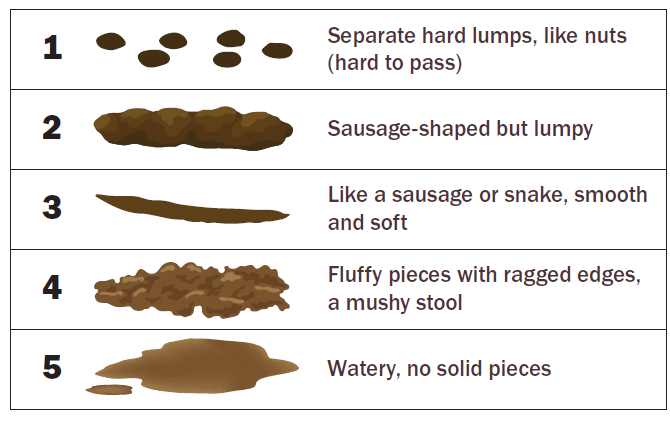
Image Source: www.healthychildren.org
Figuring Out Normal Poop Patterns
What is normal for one toddler might be different for another. There’s a wide range of what’s considered normal poop frequency toddler. Some toddlers poop once a day, others two or three times, and some might even go every few days. All these can be perfectly normal if the poop looks soft and is easy to pass.
As babies grow into toddlers, their poop habits usually change. Babies often poop very frequently, especially if they are breastfed. Toddlers, however, usually settle into a more predictable pattern. But ‘predictable’ is a loose term! Many things can shake up their routine.
It’s helpful to think about what is normal for your child. If your toddler usually poops once a day and suddenly starts going three or four times, that’s a change. If they have always pooped multiple times a day and the poop looks normal, that’s likely just their normal pattern.
Interpreting Toddler Poop Consistency
Looking at what’s in the diaper (or toilet) is just as important as how often they go. Toddler poop consistency can tell you a lot. Healthy toddler poop should be soft and formed, like toothpaste or a soft log. It should pass easily without straining.
Here’s a simple guide to what different consistencies might mean:
Grasping Different Poop Textures
- Soft and Formed: This is ideal! Looks like a soft log or blob. Easy to pass. This means digestion is likely working well.
- Mushy or Paste-like: Often seen in younger toddlers or when they eat certain foods. If it’s not watery and they don’t seem sick, it’s usually fine. Can sometimes be a sign of mild irritation or quick transit.
- Loose or Watery: This is often called toddler watery poop or diarrhea. It can happen suddenly. This consistency means food is moving too quickly through their system. Causes can range from simple things like drinking too much juice to illness or food sensitivities.
- Hard and Pellet-like: This means constipation. It’s the opposite problem – they aren’t going often enough, or the poop is hard to push out.
If your toddler is pooping more often, pay attention to the texture. Is it still soft? Or is it becoming loose and watery? Frequent, soft poops are less concerning than frequent, watery poops.
Common Reasons for Toddler Frequent Bowel Movements
Okay, so your toddler is pooping more than usual, and it might be loose. What could be causing this? Often, the reasons are quite simple and relate to everyday life.
Comphrending Dietary Shifts and Poop
One of the biggest reasons for a change in poop habits is changes in what your toddler eats and drinks. As toddlers switch from baby food to family meals, their digestion adapts.
- More Fiber: Introducing more fruits, vegetables, and whole grains adds fiber to their diet. Fiber helps move waste through the body. Eating more fiber naturally leads to more frequent poops. Foods like apples, pears, broccoli, beans, and whole-wheat bread are high in fiber. If you’ve recently added more of these, you might see more poops.
- Higher Fluid Intake: Drinking more water or juice can also speed things up. While staying hydrated is important, too much juice, especially apple or pear juice which contain sorbitol, can cause toddler watery poop. Limit juice intake to a small amount, if any, and focus on water and milk.
- Introducing New Foods: Trying new foods can sometimes cause a temporary change in poop frequency or consistency as the body gets used to them.
- Toddler Diet Changes Poop: Generally, any big shift in diet – starting daycare and eating different foods, eating more table food, or even just a few days of different meals on vacation – can affect how often and how their poop looks.
Grasping the Impact of Specific Foods
Certain foods are known to affect bowel movements:
- Fruits (especially prunes, pears, apples): High in fiber and natural sugars that can act as mild laxatives.
- Vegetables (broccoli, peas): Also good sources of fiber.
- Beans and Lentils: Very high in fiber and can sometimes cause gas and looser stools initially.
- Too Much Juice: As mentioned, certain juices can lead to diarrhea.
- Sugary Foods/Drinks: Can sometimes irritate the gut.
If your toddler’s frequent pooping started around the same time as a change in their diet, this is a likely cause.
Learning About Potty Training Changes
Believe it or not, potty training can affect poop patterns. Some toddlers hold poop in when they are learning, leading to constipation. Others might release small amounts more frequently as they get used to the sensations of needing to go and letting go. This isn’t usually frequent, watery poop, but it can be more frequent, smaller poops.
Illness-Related Toddler Diarrhea Causes
Sometimes, frequent pooping, especially if it’s loose or watery, is a sign of illness.
Interpreting Toddler Stomach Bug Poop
The most common illness causing frequent, loose stools is a toddler stomach bug poop, also known as gastroenteritis. This is caused by viruses like rotavirus or norovirus.
- What it looks like: Stomach bugs usually cause sudden onset of watery diarrhea. Your toddler might poop many, many times a day.
- Other symptoms: Vomiting often comes first, followed by diarrhea. They might also have a fever, stomach cramps, feel tired, and not want to eat.
- How long it lasts: The vomiting usually stops within 12-24 hours, but the diarrhea can last for several days, sometimes even a week or two, though it should slowly improve over time.
During a stomach bug, the main worry is dehydration because they are losing a lot of fluid from both vomiting and diarrhea. Making sure they drink plenty of fluids (water, oral rehydration solutions like Pedialyte) is very important.
Fathoming How Other Infections Affect Poop
While stomach bugs are direct gut infections, other illnesses in the body can sometimes affect the digestive system and cause looser, more frequent stools. For example:
- Ear infections: Sometimes linked to digestive upset in young children.
- Colds or flu: Can occasionally cause diarrhea, though less commonly than a stomach bug.
- Throat infections: Strep throat can sometimes be linked to stomach symptoms in children.
In these cases, the diarrhea is usually less severe or frequent than with a stomach bug, and other symptoms of the main illness will be present.
Fathoming Toddler Food Sensitivity and Allergies
Sometimes, a reaction to something in their food is causing frequent or loose stools.
Interpreting Toddler Food Sensitivity
A food sensitivity or intolerance means their body has trouble digesting a certain food. This is different from an allergy. Symptoms of a sensitivity are usually digestive, like gas, bloating, stomach pain, and changes in poop – often frequent, loose, or mushy stools.
Common food sensitivities in toddlers include:
- Lactose Intolerance: Trouble digesting the sugar in milk and dairy products. This often causes gas, bloating, and watery diarrhea after having dairy.
- Gluten Sensitivity: Trouble with gluten, found in wheat, barley, and rye. Can cause diarrhea, stomach pain, and other symptoms. Celiac disease is a more severe, autoimmune form of gluten intolerance.
- Soy Sensitivity: Reaction to soy protein.
- Other Foods: Some toddlers react to eggs, corn, or artificial colors/sweeteners.
If your toddler’s frequent pooping started after introducing a new food or happens regularly after eating a specific food group, a toddler food sensitivity might be the cause. An elimination diet under a doctor’s guidance can help figure this out.
Learning About Food Allergies
Food allergies are less common but can cause more serious reactions, sometimes including digestive symptoms like vomiting, diarrhea, or blood in the stool. Allergies involve the immune system and can cause symptoms like hives, swelling, or breathing problems. If you suspect a food allergy, it’s important to see a doctor immediately.
Deciphering Other Possible Reasons for Frequent Pooping
Beyond diet, bugs, and sensitivities, there are a few other things that can lead to toddler diarrhea causes or frequent poops.
Interpreting Functional Diarrhea (Toddler’s Diarrhea)
This is a very common cause of chronic (ongoing) loose or frequent stools in toddlers, usually between 6 months and 3 years old. It’s sometimes called “peas and carrots” diarrhea because you might see undigested food bits in the poop.
- What it looks like: Frequent bowel movements (often 3-10 times a day), usually during the day, not at night. The poop is typically loose or watery, sometimes with mucus, but often not extremely large in volume each time.
- Other symptoms: The child is otherwise healthy, growing well, active, and gaining weight. They don’t seem sick or in pain.
- Cause: The exact cause isn’t always clear, but it’s thought to be related to the digestive system maturing, sometimes linked to diet (like too much juice or not enough fat/fiber balance), or just the speed at which food moves through their gut.
- Importance: It’s “functional” because there’s nothing structurally wrong with the gut. It’s a diagnosis made after ruling out other causes. It is harmless and toddlers grow out of it.
If your toddler has been having frequent, loose stools for a while but seems perfectly fine otherwise, this is a possible explanation.
Fathoming the Role of Medications
Some medications can cause diarrhea as a side effect. The most common example is antibiotics. Antibiotics kill bad bacteria, but they can also kill the good bacteria in the gut, leading to loose stools. If your toddler is on medication and develops frequent or loose poops, check the side effects or ask your doctor.
Grasping Excessive Sugar Intake
Beyond juice, too many sugary snacks or drinks can pull water into the intestines, leading to looser stools. Artificial sweeteners (like sorbitol or xylitol) found in some sugar-free foods and drinks are especially known for causing diarrhea if consumed in large amounts.
Deciphering Toddler Pooping Multiple Times a Day
Seeing your toddler poop toddler pooping multiple times a day can be alarming, especially if it’s a new thing. Let’s break down what this specific pattern might mean.
If the poop is still soft and formed, and they are otherwise well, pooping 2-4 times a day might simply be their normal pattern, especially if they eat large meals or a lot of fiber.
If they are pooping many times (like 5-10+ times) and the poop is loose or watery, this points more towards diarrhea. As discussed, this could be:
- A Stomach Bug: Very common cause of sudden onset frequent, watery poops.
- Dietary Overload: Too much juice, too much fruit, or introduction of high-fiber foods all at once can speed things up significantly.
- Food Sensitivity: If it happens frequently after certain meals.
- Functional Diarrhea: If it’s been happening for weeks or months, but they are otherwise healthy.
The key is to look at the quality of the poop and how your child seems overall. Frequent small, soft poops are usually less concerning than frequent, large, watery poops.
When to Worry Toddler Poop: Signs to Watch For
While frequent pooping is often harmless, there are times when you should call your pediatrician. Knowing the when to worry toddler poop signs is important.
Call the doctor if your toddler’s frequent pooping or diarrhea is accompanied by any of the following:
- Signs of Dehydration: This is the biggest concern with diarrhea. Look for:
- Peeing less often (fewer wet diapers, or not peeing for 6-8 hours).
- No tears when crying.
- Dry mouth and tongue.
- Sunken eyes.
- Lethargy (seems very tired, weak, floppy, or unresponsive).
- Cool, pale skin.
- High Fever: Especially if it’s over 102°F (38.9°C) and doesn’t improve with fever reducers.
- Severe Stomach Pain: Crying hard, pulling legs to chest, or saying their tummy hurts a lot.
- Blood or Pus in Poop: Streaks of red blood or thick mucus/pus. This needs to be checked out.
- Vomiting Repeatedly: Especially if they can’t keep fluids down.
- Diarrhea Lasting a Long Time: Diarrhea that goes on for more than 1-2 weeks (even if mild) should be discussed with a doctor to rule out underlying causes like sensitivities or infections.
- Not Acting Like Themselves: If they seem very sick, unusually sleepy, irritable, or just not right.
- Poor Weight Gain or Weight Loss: If chronic frequent pooping is affecting their growth.
A single episode of loose poop or pooping one extra time isn’t usually cause for alarm. But if you see any of these warning signs, it’s best to get medical advice.
Home Care and Monitoring
If your toddler is pooping frequently but seems well otherwise, here are some things you can do:
Providing Hydration
- Offer fluids often. Water is best.
- If diarrhea is significant, offer oral rehydration solutions (like Pedialyte) in small, frequent amounts, especially after a loose poop. Avoid juice or sugary drinks as these can make diarrhea worse.
Adjusting Toddler Diet Changes Poop
- If you suspect a specific food is the culprit, try reducing or temporarily removing it to see if things improve.
- If they have diarrhea from a bug, you can offer bland foods like bananas, rice, applesauce, and toast (the BRAT diet), but also include other nutrients. The main goal is to keep them hydrated and offer whatever they feel like eating. Don’t force them to eat if they don’t want to.
- Avoid very greasy, fried, or sugary foods, which can be harder to digest.
- Probiotics (found in yogurt with live active cultures, or probiotic drops/powders) may sometimes help restore good gut bacteria after illness or antibiotic use, but check with your doctor.
Keeping Track
- Keep a diary for a few days. Note down:
- How many poops per day.
- What the poop looks like (consistency).
- What they ate and drank.
- Any other symptoms (fever, vomiting, energy level).
- Any recent changes (new foods, illness in family, starting daycare).
- This information is very helpful if you need to call the doctor.
Skin Care
- Frequent loose stools can cause diaper rash. Keep the area clean and dry, change diapers often, and use a protective barrier cream.
When to Seek Medical Advice for Toddler Poop Issues
Don’t hesitate to call your pediatrician if:
- You see any of the warning signs listed above (dehydration, blood in poop, high fever, severe pain, lethargy).
- The diarrhea is severe (many watery poops) or lasts longer than a few days without showing improvement.
- You suspect a toddler food sensitivity or allergy and need guidance on what to do.
- The frequent pooping is chronic (lasting weeks or months) but you want to rule out underlying issues before assuming it’s functional diarrhea.
- You are simply worried and need reassurance. That’s what doctors are there for!
Frequently Asked Questions About Toddler Poop
H5 Is it normal for my toddler to poop right after eating?
Yes, this can be normal. It’s called the gastrocolic reflex. Eating food tells the stomach and intestines to start working, which can sometimes trigger the urge to poop. It’s more noticeable in babies but can still happen in toddlers, especially if their system is sensitive or moving things along quickly.
H5 Can drinking milk cause frequent pooping in toddlers?
It can, especially if your toddler has lactose intolerance or a milk protein sensitivity. However, milk is a normal part of a toddler’s diet. If they tolerate it well, it shouldn’t cause excessive frequent or loose pooping. If it seems linked to milk, discuss it with your doctor.
H5 My toddler poops every time they eat. Is this okay?
Pooping every single time they eat might be slightly more frequent than average, but if the poop is well-formed and they are otherwise healthy and growing, it could just be a strong gastrocolic reflex or a very efficient digestive system. If the poop is loose or watery each time, that’s more likely diarrhea, and you should look into the causes.
H5 How can I tell if frequent pooping is just normal or diarrhea?
Look at the consistency and volume. Normal frequent pooping means the poop is soft and formed, even if they go 2-3 times a day. Diarrhea means the poop is loose, mushy, or watery, and they might go many times a day, sometimes with large amounts each time. Diarrhea is the body pushing waste out quickly because of irritation or infection.
H5 Can teething cause frequent pooping?
Some parents report loose stools during teething, though medical evidence is mixed. It might be related to increased saliva production being swallowed or a mild general upset in their system. It’s usually not severe diarrhea.
H5 Should I change my toddler’s diet right away if they start pooping more?
Not necessarily. First, look for signs of illness or significant changes you’ve already made (like adding lots of fiber). If they seem well and the poop isn’t watery, waiting a day or two to see if it settles is often fine. If you suspect a specific food or they have mild diarrhea, temporary dietary changes (like offering bland foods) can help. But major dietary changes, like cutting out dairy or gluten, should ideally be discussed with a doctor.
Bringing It All Together
It’s completely natural to worry when your toddler’s habits change, especially something like pooping. While toddler frequent bowel movements and even toddler watery poop can sometimes signal an issue like a toddler stomach bug poop or toddler food sensitivity, often it’s just a normal part of their development or a reaction to toddler diet changes poop.
Pay attention to the toddler poop consistency and how your child seems overall. Are they happy, active, and eating well? Are they showing any of the when to worry toddler poop signs like dehydration or fever?
Most cases of toddler pooping multiple times a day that aren’t linked to illness are simply variations of normal or harmless conditions like functional diarrhea. Keep them hydrated, offer a balanced diet, and don’t hesitate to reach out to your pediatrician if you’re concerned or see any red flags. You know your child best, and a doctor can help you figure out what’s normal for them.