
Why is my toddler refusing to eat? This is a common question for parents. Toddlers often refuse food for many reasons. They might be sick. Their growth slows down. They want to be in charge. They may be picky eaters. Dealing with fussy eaters is a normal part of raising young children. This article will look at why this happens and offer simple tips to help.
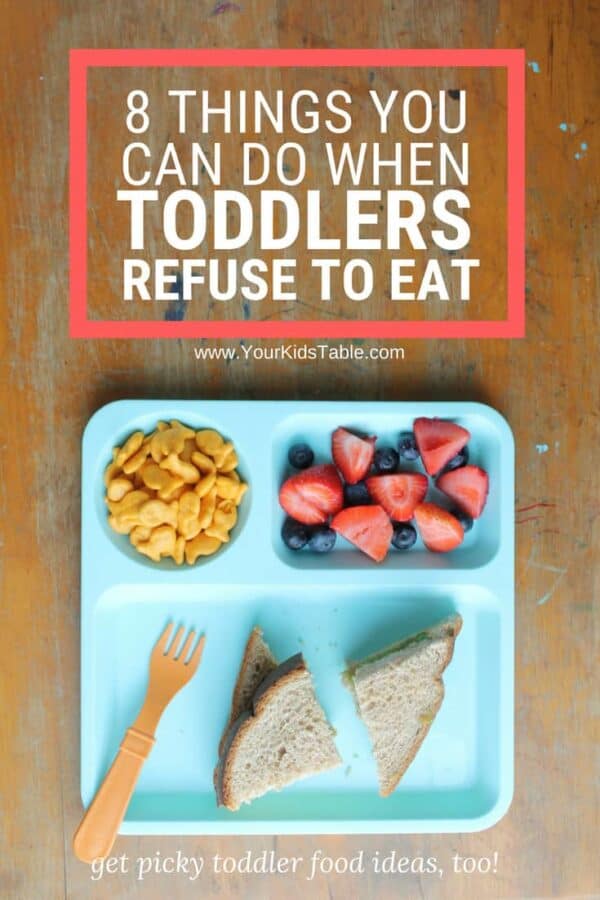
Image Source: yourkidstable.com
Making Sense Of Toddler Eating Habits
Toddlers change a lot. They learn to walk and talk. Their bodies grow, but not as fast as babies. Because they don’t grow as fast, they don’t need as much food. A baby might double their birth weight in 5-6 months. A toddler takes much longer to do this. So, it is normal for them to eat less sometimes. This is often called loss of appetite in toddlers or physiologic anorexia. It means their body just doesn’t need as much food right now. This is a key part of toddler developmental eating phases.
Common Reasons Your Toddler Might Not Eat
There are many reasons why a toddler might refuse food. It is not always about hunger. It can be about feeling well, growing up, or learning about the world.
Slower Growth
As said before, toddlers grow slower than babies. This is a big reason for loss of appetite in toddlers. They need fewer calories overall. They might eat a lot one day and very little the next. This is normal. Their bodies know what they need. Don’t worry if they don’t finish everything on their plate. Look at what they eat over a week, not just one day.
Feeling Unwell
Even a small cold can make a toddler not want to eat. A stuffy nose makes it hard to smell food. Food might not taste good. Teething also hurts. It can make their mouth sore. This makes eating painful. If your child seems sick, food refusal is often a sign. Appetite usually comes back when they feel better.
Picky Eating Starts
This is a very common phase. Many parents deal with picky eating toddlers. Your child might start eating only a few foods. They might refuse foods they ate before. They might not want foods that touch on the plate. This is part of toddler selective eating. It often starts around 18 months. It can last for some time. It is a way for toddlers to show they are independent. They are learning they can say no. They are also learning what they like and don’t like. It is normal for them to refuse why toddler won’t eat variety.
Wanting Control
Toddlers want to do things themselves. They want to be in charge. Food is something they can control. They can choose to eat or not eat. Refusing food is one way they show their will. This can lead to behavioral feeding issues toddler. Mealtimes can become mealtime struggles with toddlers.
Trying New Textures or Solid Foods
Some toddlers have trouble with different food textures. They might eat soft foods but refuse bumpy ones. Or they might refuse anything lumpy. If your toddler is toddler refusing solid foods that are new or have a different texture, it can be a sign they need more time. Or they might need different ways to try them.
Too Many Snacks or Drinks
Giving lots of snacks or milk/juice between meals can fill a toddler up. They might not be hungry when it is time for their meal. Sweet drinks like juice can be very filling. Water and milk (in limited amounts) are better choices between meals.
Being Distracted
Toddlers get easily distracted. TV, toys, or too much noise can make them not focus on eating. Mealtimes should be a calm time for eating.
Sensory Issues
Some children are very sensitive to how food looks, smells, feels, or tastes. They might refuse foods based on these feelings. This is different from typical picky eating. It might need help from a doctor or feeding expert. These are more complex toddler feeding problems.
Family Meal Environment
The mood at the table matters. If mealtimes are stressful or have lots of fights, toddlers might not want to eat. They pick up on the stress. Making mealtime pleasant is important.
Grasping Picky Eating vs. Real Problem
Most picky eating is normal. It is a stage. But sometimes, food refusal can be a sign of a bigger problem.
How to tell the difference?
- Normal Picky Eating:
- Eats at least one food from most food groups (even if it’s only pasta, milk, and bananas).
- Will try new foods sometimes, even if they don’t like them later.
- Is growing well on their growth chart.
- Has good energy levels.
- Refusal is often about control or trying new things.
- Eats different amounts each day.
- More Serious Problem (Toddler Feeding Problems):
- Eats a very small list of foods (fewer than 10-15).
- Refuses whole food groups (like all vegetables or all meat).
- Gags or vomits with new textures or smells.
- Has trouble gaining weight or is dropping on their growth chart.
- Seems low on energy.
- Refusal causes lots of stress for the child and parent.
- Might have had feeding problems since they were a baby.
If you are worried, talk to your doctor. They can check if your child is healthy and growing well.
Dealing with Fussy Eaters: Simple Tips
Dealing with fussy eaters needs patience. It needs a plan. Here are some simple things you can try.
Tip 1: Keep Mealtimes Calm and Happy
Make mealtime a good time. Turn off the TV. Put away toys. Sit together as a family if you can. Talk about your day. Don’t force your child to eat. Don’t beg or make deals. Offer the food. Let them choose how much they eat. This helps with mealtime struggles with toddlers.
Tip 2: Set a Meal Routine
Have meals and snacks at the same time each day. This helps toddlers know what to expect. It also helps them feel hungry at meal times. Offer 3 main meals and 2-3 snacks.
| Meal Type | Timing | Example Foods |
|---|---|---|
| Breakfast | Morning | Cereal, milk, fruit, toast, eggs |
| Snack | Mid-morning | Yogurt, fruit, cheese, crackers |
| Lunch | Mid-day | Sandwich, soup, leftovers, milk, veggies |
| Snack | Afternoon | Veggie sticks, hummus, rice cakes, fruit |
| Dinner | Evening | Meat/beans, pasta/rice, veggies, milk/water |
| Snack | Before bed (if needed) | Small amount of milk or yogurt |
Offer water between meals. Limit juice and milk at meal times so they don’t fill up too much.
Tip 3: Offer Choices (Within Limits)
Toddlers want control. Give them small choices. “Do you want carrots or peas?” “Do you want your milk in the blue cup or the red cup?” This gives them some power. It can reduce behavioral feeding issues toddler.
Tip 4: Let Them Help
Toddlers love to help. Let them wash vegetables. Let them stir batter. Let them set the table. When they help make food, they might be more likely to try it.
Tip 5: Serve Small Amounts
A big plate of food can feel too much for a toddler. Offer very small amounts. They can always ask for more. This makes the goal seem reachable.
Tip 6: Introduce New Foods Slowly
Don’t pressure them to eat new foods. Put a tiny bit of a new food on their plate. Call it a “try-it” bite. They don’t have to eat it. Just having it near them helps them get used to it. Offer new foods often. It can take many tries (10-15 times!) for a child to accept a new food. Mix new foods with foods they like. For why toddler won’t eat variety, this slow way is key.
Tip 7: Be a Role Model
Eat with your child. Let them see you eating different healthy foods. Talk about how yummy food is. Toddlers learn by watching you.
Tip 8: Don’t Pressure or Force
Never force a child to eat. Never beg or make threats (“No dessert if you don’t eat your peas!”). This creates stress. It makes them dislike mealtime even more. Let them decide how much they eat from the food you offer. This is about teaching them to listen to their body. Pressuring can make toddler feeding problems worse.
Tip 9: Limit Distractions
Mealtime is for eating. Turn off the TV and other screens. Put away toys. Make the table a calm place focused on food and talking.
Tip 10: Think About Snacks
Offer healthy snacks between meals. But make sure snacks are not too close to mealtime. About 2-3 hours between eating times works well. This helps them build hunger for the next meal.
Tip 11: Don’t Be a “Short-Order Cook”
It’s tempting to make a special meal when your toddler refuses what you made. But doing this teaches them that refusing food gets them what they want. Offer the planned meal. If they don’t eat much, that’s okay. They can wait until the next snack or mealtime. You can offer one “safe” food you know they usually eat (like a piece of bread or some fruit) with the meal. But don’t make a whole different dinner.
Tip 12: Make Food Fun
Cut food into shapes. Arrange it into a smiley face. Call broccoli “tiny trees.” Make trying new foods a game, not a fight.
Tip 13: Be Patient
Changing eating habits takes time. Be patient with your child and yourself. Some food refusal is a normal toddler developmental eating phases. Keep offering healthy foods. Keep mealtimes positive.
Tip 14: Watch for Signs of Real Hunger
Learn your child’s hunger cues. Do they ask for food? Are they cranky? Offer food when they seem hungry. If they aren’t showing signs of hunger, they might not need to eat yet.
Tip 15: Talk to Your Doctor
If you are really worried about your child’s eating, talk to your doctor. Signs to watch for:
* Not gaining weight well.
* Eating fewer than 10-15 different foods in total.
* Gagging or vomiting often with food.
* Seems low energy.
* Meal times are very stressful every time.
* Your gut feeling says something is wrong.
Your doctor can check your child’s growth. They can rule out medical reasons for food refusal. They can also point you to help like a feeding therapist or registered dietitian. These experts are good at dealing with fussy eaters and toddler feeding problems.
Interpreting Specific Food Refusal
Let’s look closer at certain types of food refusal.
Toddler Refusing Solid Foods
If your child is older but still refusing solid foods, or foods with lumps, there might be a reason.
* Texture problems: Some children are very sensitive to how food feels in their mouth. Lumps, sliminess, or chewiness can make them gag.
* Motor skills: They might not have the chewing skills needed yet for harder foods.
* Fear: A bad experience (like choking) can make them scared of certain textures.
Tips for toddler refusing solid foods:
* Start with soft solids (like mashed banana, avocado, cooked sweet potato).
* Slowly move to slightly lumpier textures (like soft pasta, small bits of cooked veggie).
* Let them play with the food. Get them used to how it feels outside their mouth first.
* Offer foods they can pick up themselves. This gives them control.
* If the problem is strong or causes gagging, talk to your doctor. A feeding therapist can help with this.
Why Toddler Won’t Eat Variety
This is often the heart of picky eating toddlers and toddler selective eating. They stick to the same few foods. They refuse new foods.
Tips for why toddler won’t eat variety:
* Keep offering new foods, but no pressure to eat them. Just put them on the plate.
* Offer foods in different forms. Your child might refuse cooked carrots but eat raw matchstick carrots.
* Eat new foods yourself and show how much you enjoy them.
* Have “themed” food days (like “red food day”).
* Mix tiny bits of new foods into foods they like (e.g., blend spinach into a smoothie, mix mashed sweet potato into mac and cheese).
* Don’t give up! It takes many exposures.
Behavioral Feeding Issues Toddler
Sometimes the refusal is mostly about behavior. They refuse because they want control. They want attention. They want to avoid something. These are behavioral feeding issues toddler. They lead to mealtime struggles with toddlers.
Tips for behavioral feeding issues toddler:
* Set clear rules for mealtime (sit in chair, keep food on table).
* Ignore negative behavior (like throwing food) as much as you safely can. Clean it up without making a big fuss.
* Praise positive behavior (sitting nicely, taking a bite, saying “please”).
* Offer food and then step back. Let them eat without constant watching or nagging.
* End the meal if behavior is unsafe or very disruptive. Let them know mealtime is over. They can wait until the next planned food time.
* Make sure they don’t get treats or extra snacks right after refusing a meal. This teaches them that refusal leads to better options.
Considering Toddler Developmental Eating Phases
It helps to remember that food refusal is often a normal step in growing up. Toddler developmental eating phases include:
* Less interest in food due to slower growth (physiologic anorexia).
* Increased independence and wanting control (leading to refusal).
* Becoming wary of new foods (food neophobia). This was useful long ago to stop kids from eating something harmful. Now it just makes dinners tricky!
* Learning social rules around eating by watching others.
Knowing these are normal phases can ease your worry. It helps you react with patience instead of frustration.
When to Seek Help
Most of the time, toddler feeding problems are just a phase. Picky eating toddlers usually outgrow it. But sometimes help is needed.
Talk to your doctor if:
* Your child is not gaining weight well.
* They are losing weight.
* They seem to have low energy.
* They refuse all foods from a major food group (like all fruits, all vegetables, all protein).
* They have strong reactions to food (gagging, vomiting, major meltdowns).
* Mealtimes are very stressful for everyone, every day.
* You feel overwhelmed or worried about your child’s health.
A doctor can check for medical reasons. They might suggest seeing a specialist. This could be:
* A registered dietitian: Can help plan healthy meals and snacks. Can offer ideas for getting more nutrients in.
* A feeding therapist: Can help with problems like texture issues, oral motor skills, or strong behavioral feeding issues toddler. They use gentle methods to make eating easier and less scary.
* A child psychologist: Can help if mealtime stress or control battles are very severe.
Getting help early can prevent small toddler feeding problems from becoming bigger ones.
Summary of Key Points
- It is normal for toddlers to eat less due to slower growth. This causes loss of appetite in toddlers.
- Picky eating toddlers and toddler selective eating are common toddler developmental eating phases.
- Food refusal can be about wanting control (behavioral feeding issues toddler).
- Texture issues or being scared of new solid foods can happen.
- Making mealtimes calm, offering choices, and being patient helps with mealtime struggles with toddlers and dealing with fussy eaters.
- Keep offering a variety of foods without pressure.
- Talk to your doctor if you are worried about weight gain, very limited food lists, or severe mealtime stress. Help is available for toddler feeding problems.
Remember, you are not alone in this. Many parents face challenges with feeding toddlers. Stay positive, offer healthy foods, set a good example, and trust that your child, in most cases, will eat enough to grow well.
Frequently Asked Questions (FAQ)
Q: How much food should a toddler eat?
A: There is no set amount. It changes daily. A good rule of thumb is about 1/4 to 1/3 of an adult portion size. Offer small amounts and let them ask for more. Their appetite changes based on growth, activity, and if they are feeling well. Focus on offering balanced options.
Q: Is it okay if my toddler only eats one type of food all day?
A: Eating the same food all day happens sometimes with picky eating toddlers. It’s not ideal, but look at what they eat over a week, not just one day. If they are eating some food, it’s often okay for a day or two. Keep offering other foods at meals. If they consistently eat only 1-2 foods for many days, or if you are worried about nutrients, talk to your doctor or a dietitian.
Q: What if my toddler refuses all vegetables?
A: This is common with why toddler won’t eat variety. Keep offering vegetables in different ways. Serve them raw, cooked, blended into sauces, in muffins, etc. Let them play with veggies. Try growing them together. Let them see you eat and enjoy veggies. Even if they don’t eat them now, seeing and touching them helps. Focus on offering fruits and other healthy foods they do eat. Small exposures add up.
Q: Should I give a vitamin if my toddler is picky?
A: Talk to your doctor first. Most toddlers who eat a reasonable range of foods, even if they are picky, get enough nutrients. If their diet is very limited, or if they are not growing well, a doctor might suggest a children’s vitamin. But vitamins should not replace food.
Q: How long does picky eating last?
A: Picky eating toddlers is a phase. For some kids, it lasts a few months. For others, it can last into school age or even longer. Patience and using the tips above can help manage it and encourage them to try new foods over time. It usually gets better as they get older.
Q: My toddler used to eat everything, now they refuse new foods. Why?
A: This is very typical toddler developmental eating phases. It’s called food neophobia. It’s a normal stage where children become wary of foods they haven’t seen before. Keep offering new foods alongside familiar ones, without pressure. This phase usually peaks between age 2 and 6.
Q: Can I make my toddler eat?
A: No, you cannot force a child to eat. Trying to force feeding creates stress and can make mealtime struggles with toddlers and toddler feeding problems worse. Your job is to offer healthy foods at regular times in a pleasant setting. Your child’s job is to choose what and how much they eat from what is offered. This helps them learn to trust their body’s hunger and fullness signals.