
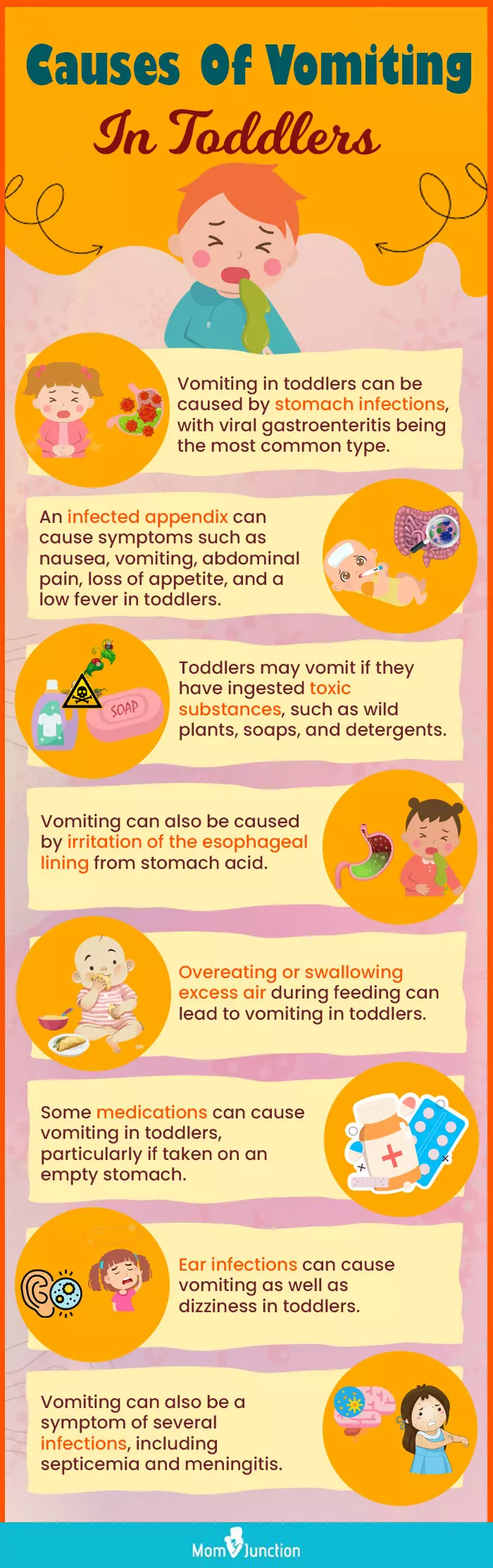
Image Source: cdn2.momjunction.com
Decoding Why Is My Toddler Throwing Up: A Parent’s Guide
Why is my toddler throwing up? This is a common question for parents, and the answer is often linked to simple things like eating too much, coughing hard, or catching a common stomach bug. Vomiting can be scary to see in your little one, but understanding the possible reasons helps you know what to do and when to seek help. This guide explores the main reasons toddlers throw up and offers practical advice for parents.
Pinpointing Common Reasons for Toddler Vomiting
Toddlers throw up for many reasons. Most of the time, it is not a sign of anything serious. Let’s look at the most common triggers.
Illness: Stomach Bugs and Other Infections
Illness is a very frequent cause of vomiting in young children. Their immune systems are still learning. Germs spread easily in places like daycare.
Toddler Gastroenteritis Symptoms
One of the most common illnesses causing vomiting is called gastroenteritis. You might hear this called the stomach virus in toddlers or the stomach flu. It is an infection of the stomach and intestines. Viruses cause most cases.
Common toddler gastroenteritis symptoms include:
* Throwing up (vomiting) – often starts suddenly.
* Diarrhea (runny poop) – can follow the vomiting.
* Belly pain or cramps.
* Feeling tired or weak.
* Sometimes, a toddler throwing up and fever. The fever is usually low-grade.
* Not wanting to eat.
These symptoms usually show up 1 to 3 days after a child catches the virus. They can last for a few days to a week or even longer.
How Stomach Bugs Spread
Stomach viruses are very contagious. They spread through contact with sick people or contaminated surfaces. This happens when tiny bits of poop or vomit from a sick person get into a child’s mouth. It is why handwashing is so important.
Grasping Toddler Stomach Flu Recovery
Recovery from a toddler stomach flu takes time. The main goal is to keep your child hydrated. Vomiting often stops first, then diarrhea gets better.
Steps for helping recovery:
* Fluids are Key: Offer small, frequent sips of clear fluids. Oral rehydration solutions (like Pedialyte) are best. They replace lost salt and sugar. Avoid sugary drinks like juice or soda.
* Wait to Eat: Do not force food. Once vomiting stops for several hours, you can offer small amounts of bland food. Think toast, bananas, rice, or applesauce (the “BRAT” diet).
* Rest: Make sure your child gets lots of rest.
* Cleanliness: Wash hands often. Clean surfaces like toilets and doorknobs. This helps stop the spread to others.
Recovery speed varies. Some kids bounce back in a day or two. For others, it takes longer. Diarrhea can linger after the vomiting stops.
Food-Related Issues
What your toddler eats (or how they eat it) can also cause them to throw up.
Toddler Vomiting After Eating Too Much or Too Fast
Toddlers have small stomachs. If they eat a very large meal, especially one that is rich or fatty, it can overwhelm their system. Eating very quickly can also lead to vomiting. Sometimes, they just swallow too much air. This type of vomiting usually happens right after eating. The child might look fine afterward.
Toddler Food Poisoning Symptoms
Toddler food poisoning symptoms happen when a child eats food that has harmful bacteria, viruses, or toxins. Symptoms often come on fast, hours after eating the bad food.
Common toddler food poisoning symptoms include:
* Sudden vomiting.
* Diarrhea.
* Belly cramps.
* Sometimes, fever or chills.
* Weakness.
Food poisoning can be serious because it can cause dehydration quickly. If you suspect food poisoning, watch your child closely. Call your doctor if symptoms are severe or do not get better.
Food Allergies or Intolerances
Sometimes, vomiting happens because a child’s body reacts badly to certain foods.
* Food Allergy: This is an immune system reaction. Symptoms can be fast and severe. They might include vomiting, hives, swelling, trouble breathing, and diarrhea. Common allergens are milk, eggs, peanuts, soy, and wheat. Even a tiny amount can cause a reaction.
* Food Intolerance: This is less serious than an allergy. The body has trouble digesting a food. Symptoms might include vomiting, belly pain, gas, and diarrhea. Lactose intolerance is an example. Vomiting from intolerance is usually not as sudden or severe as from an allergy.
If you think a food allergy or intolerance is causing vomiting, talk to your doctor.
Acid Reflux in Toddlers
Acid reflux in toddlers happens when stomach contents come back up into the food pipe (esophagus). It is very common in babies (spitting up). Most toddlers outgrow it. But some still have problems.
Symptoms of acid reflux in toddlers can include:
* Throwing up or spitting up often, especially after eating.
* Arching their back during or after eating.
* Being fussy or crying during or after meals.
* Not gaining weight well (in severe cases).
* Sometimes, problems with breathing or coughing.
Simple changes can help: giving smaller, more frequent meals, keeping them upright after eating, and avoiding certain foods (like spicy or fatty foods). Your doctor can suggest other treatments if needed.
Other Causes of Vomiting
Less common, but possible, causes of vomiting in toddlers include:
Coughing or Crying Hard
Toddlers can throw up if they cough very hard or cry intensely for a long time. The force of the cough or cry can trigger the gag reflex. They might also swallow a lot of mucus or air. This kind of vomiting usually happens right after the coughing or crying fit.
Motion Sickness
Just like adults, toddlers can get motion sickness. This happens when riding in a car, train, plane, or boat. The signals from their eyes and inner ear do not match up. Vomiting is a common symptom.
Swallowed Object
If a toddler swallows something that gets stuck in their throat or food pipe, it can cause gagging and vomiting. This needs urgent medical help. Signs might include sudden gagging, coughing, trouble swallowing, or trouble breathing, followed by vomiting.
Identifying When to Be Concerned About Toddler Vomiting
While most vomiting is not serious, there are times when it signals a problem that needs medical attention. Knowing the warning signs is important for parents.
Understanding When to Worry About Toddler Vomiting
You should when to worry about toddler vomiting and call your doctor or seek medical care in these situations:
- Signs of Dehydration: This is the biggest risk with vomiting. See the next section for details.
- Vomiting that is Green or Yellow (Bile): This can mean there is a blockage in the intestines.
- Vomiting that looks like Coffee Grounds or has Blood: This can be a sign of bleeding inside.
- Vomiting with Severe Belly Pain: Especially if the child is holding their belly or cannot be comforted.
- Vomiting with a Very High Fever (over 102°F or 39°C) or Stiff Neck: This could point to a more serious infection like meningitis.
- Vomiting with Trouble Breathing: This could be a sign of pneumonia, asthma, or a swallowed object.
- Vomiting with Swelling of the Face, Lips, or Tongue, or Hives: This can mean a severe allergic reaction.
- Vomiting after a Head Injury: This needs checking by a doctor.
- Vomiting that is Projectile: This means the vomit shoots out with force. It can be a sign of certain blockages or brain pressure.
- Vomiting that does not stop: If your child keeps throwing up and cannot keep any fluids down, they can quickly get dehydrated.
- Child seems very sick, weak, or not acting normally.
Always trust your gut feeling. If your child just does not seem right, call your doctor.
Recognizing Signs of Dehydration Toddler
Dehydration happens when the body loses too much fluid. Vomiting (and diarrhea) causes fluid loss. Toddlers can get dehydrated faster than adults. Knowing the signs of dehydration toddler is crucial.
Early signs of dehydration can be hard to spot. Look for:
* Fewer wet diapers than usual (or not wetting diapers for 6-8 hours).
* Not making tears when crying.
* Dry mouth and lips.
* Eyes look sunken.
* Skin is not as springy (if you pinch a fold of skin on the belly or arm, it is slow to go back flat).
* Child seems tired, less active, or more fussy than usual.
Signs of severe dehydration:
* Very few or no wet diapers for 8-12 hours.
* Sunken eyes with dark circles.
* Cold, spotty hands and feet.
* Fast heartbeat.
* Fast breathing.
* Child is very sleepy, difficult to wake up, or not responding.
* The soft spot on top of a baby’s head (fontanelle) looks sunken.
If you see signs of moderate or severe dehydration, seek medical help right away.
Navigating What to Do When Your Toddler Throws Up
Seeing your child throw up is stressful. Here is what you can do to help them.
Taking Immediate Steps
When your toddler throws up:
1. Stay Calm: Your calm presence helps your child feel safer.
2. Help Them Clean Up: Clean their face and hands. Change soiled clothes and bedding.
3. Comfort Them: Offer hugs and reassurance.
4. Protect Surfaces: Have a bowl or bucket ready in case it happens again. Put a towel or sheet under their head.
5. Start the “Gut Rest”: Do not give them food or drinks right away. Giving the stomach a short break (maybe 30-60 minutes) can help it settle.
Helping Them Recover with Fluids
Once the stomach seems settled after the vomiting stops for a while (usually 30-60 minutes, or maybe longer if vomiting was severe), the main focus is on giving fluids.
- Offer Small Sips Often: Give just 1-2 teaspoons (5-10 ml) of clear fluid every 5-10 minutes. Do not give a big cup all at once. Small amounts are less likely to trigger more vomiting.
- Choose the Right Fluids: Oral rehydration solutions (like Pedialyte, Enfalyte) are best. They have the right mix of water, salts, and sugar to replace what is lost. They come in different flavors. Plain water is okay in a pinch, but does not replace salts. Avoid juice, soda, and sports drinks like Gatorade; they have too much sugar and can make diarrhea worse.
- Increase Slowly: If your child keeps the small sips down for an hour or two, you can slowly increase the amount given at each time (maybe 1-2 tablespoons every 10-15 minutes). Keep giving fluids often.
- Back to Normal: As vomiting stops and your child feels better, you can slowly go back to their regular diet over 24-48 hours. Start with bland foods.
Knowing When to Call the Doctor
We listed warning signs earlier. If you see any of those signs, call your doctor or go to the emergency room. Even without severe signs, call your doctor if:
* Vomiting lasts longer than 12-24 hours in a toddler.
* You are worried about dehydration and cannot get your child to drink enough, or they are not making many wet diapers.
* The vomiting seems different from past times (e.g., more forceful, different color).
* Your child has other medical conditions that make them higher risk.
* You are simply worried and want advice.
It is always better to call and ask if you are unsure.
Managing Other Potential Causes
Let’s quickly touch on managing vomiting from other causes.
- Overeating/Eating Too Fast: Offer smaller meals more often. Encourage your child to slow down when eating.
- Food Poisoning: Focus on hydration, similar to a stomach bug. Call the doctor for severe symptoms or if you suspect a specific bad food source.
- Food Allergies/Intolerances: Work with your doctor to identify the trigger food. Avoid that food. Keep an allergy action plan handy if allergies are confirmed.
- Acid Reflux: Use the tips above (small meals, upright after eating). Talk to your doctor about other options if needed.
- Coughing/Crying: Comfort the child. Once they calm down, offer sips of water.
- Motion Sickness: Try distraction. For car rides, have them look out the window at faraway things. For longer trips, ask your doctor about motion sickness medicine suitable for toddlers.
Preventing Vomiting (Where Possible)
You cannot prevent every episode of vomiting, especially from viruses. But you can reduce risks.
- Handwashing: Wash hands often with soap and water for 20 seconds. Wash before eating, after using the toilet, and after touching shared surfaces. Teach your toddler good handwashing habits.
- Food Safety: Store and cook food properly. Wash fruits and vegetables. Avoid raw or undercooked foods. Be careful about food safety when traveling.
- Avoid Overfeeding: Offer appropriate portion sizes for toddlers.
- Manage Known Issues: If your child has reflux or known allergies, follow your doctor’s advice to manage these conditions.
- Keep Them Home When Sick: If your child has vomiting or diarrhea, keep them home from daycare or school to prevent spreading germs. Check their facility’s rules on when they can return.
Table: Common Causes and Typical Signs
Here is a quick look at some common reasons for vomiting and what you might see:
| Cause | How Vomiting Often Starts | Other Common Symptoms | When it Might Happen |
|---|---|---|---|
| Stomach Virus | Often sudden | Diarrhea, fever, belly pain, tiredness | After contact with sick person |
| Food Poisoning | Sudden, hours after eating | Diarrhea, belly pain, fever, weakness | After eating contaminated food |
| Overeating/Eating Fast | Right after eating | Child often seems fine afterward | After a large or rushed meal |
| Acid Reflux | Often after eating | Spitting up, fussiness after meals, arching back | Regular occurrence after eating |
| Food Allergy/Intolerance | Can be fast (allergy) or slower | Hives, swelling, diarrhea, belly pain (allergy); Gas, pain (intolerance) | Soon after eating trigger food |
| Coughing/Crying | Right after hard coughing or crying | Cough, crying | During or after intense crying/coughing |
| Motion Sickness | During travel | Nausea, dizziness, paleness | While in motion (car, boat, etc.) |
This table gives a simple overview. Every child is different, and symptoms can vary.
Frequently Asked Questions (FAQs) About Toddler Vomiting
Here are answers to common questions parents ask about their toddler throwing up.
What is the best fluid to give my toddler after they throw up?
The best fluids are oral rehydration solutions like Pedialyte or Enfalyte. They have the right balance of water, salts, and sugars your child needs. Give small amounts very often.
When can my toddler eat solid food again after throwing up?
Wait until your child has not thrown up for several hours (at least 4-6, maybe longer if they were very sick). Start with small amounts of bland foods that are easy to digest. Good choices include toast, bananas, applesauce, rice, crackers, or plain pasta. Do not force them to eat if they do not want to.
How long does vomiting usually last with a stomach bug?
With a stomach virus (stomach virus in toddlers), vomiting often lasts for 12 to 24 hours. Sometimes it can be shorter or longer. Diarrhea usually lasts longer than vomiting.
Can my toddler go to daycare if they threw up?
Most daycares have rules about when a child can return after vomiting or diarrhea. Usually, a child must be free of vomiting and fever for 24 hours (without using medicine to lower fever) before going back. Check your daycare’s specific policy. This helps stop the spread of germs.
Should I give my toddler medicine to stop vomiting?
Do not give your toddler medicine to stop vomiting unless your doctor tells you to. For most common causes like stomach bugs, vomiting helps clear the germs. Medicines to stop vomiting can hide important signs or have side effects in young children.
How can I tell if my toddler is dehydrated?
Watch for signs of dehydration toddler: fewer wet diapers (none for 6-8 hours or more), no tears when crying, dry mouth/lips, sunken eyes, low energy, and skin that stays tented when gently pinched. If you see these signs, call your doctor right away.
My toddler threw up right after coughing hard. Is this normal?
Yes, it can be. Hard coughing can trigger a child’s gag reflex. It is common for toddlers to throw up if they have a bad cough or choke on mucus. This is usually not a sign of a stomach issue.
Could throwing up be a sign of something serious?
Most times, it’s not serious. But yes, in rare cases, vomiting can be a sign of a more serious problem like a blockage, a bad infection, or something else. This is why it is important to know the when to worry about toddler vomiting signs and call your doctor if you see them.
Wrapping Up
Seeing your toddler throw up is never easy. But knowing the common causes of vomiting in toddlers can help you feel more in control. Most episodes are due to everyday things like a stomach virus in toddlers or eating habits and get better on their own with rest and fluids. Pay close attention to the toddler gastroenteritis symptoms, watch for signs of dehydration toddler, and know the when to worry about toddler vomiting signals that mean it is time to get medical help. Stay calm, offer comfort and fluids, and do not hesitate to call your doctor if you are concerned.